Tricyrtis Formosana ‘Gilt Edge’ (Toad Lily)
Tricyrtis formosana ‘Gilt Edge’, also known as the Toad Lily, is a captivating and elegant perennial that bears unique and captivating features. This.
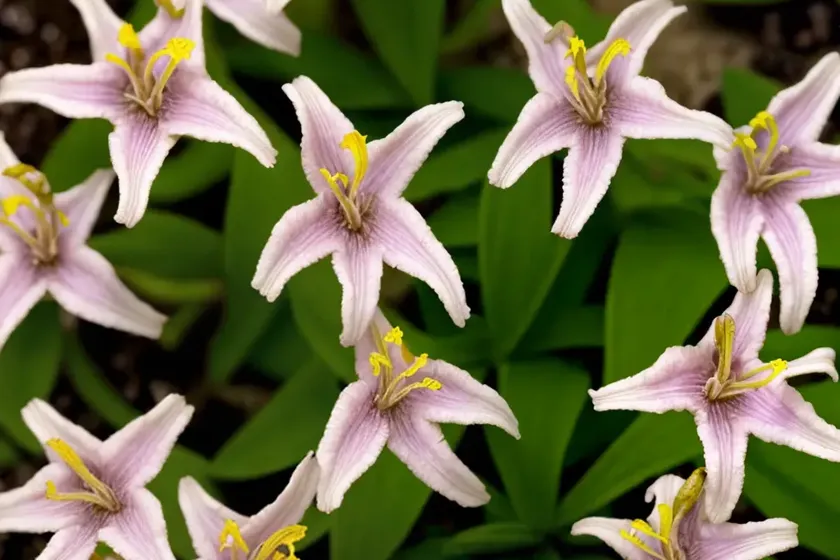
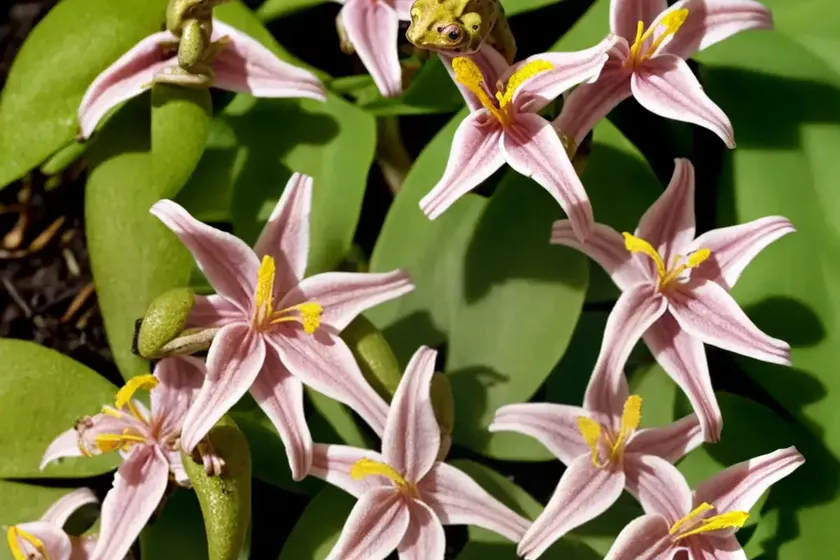
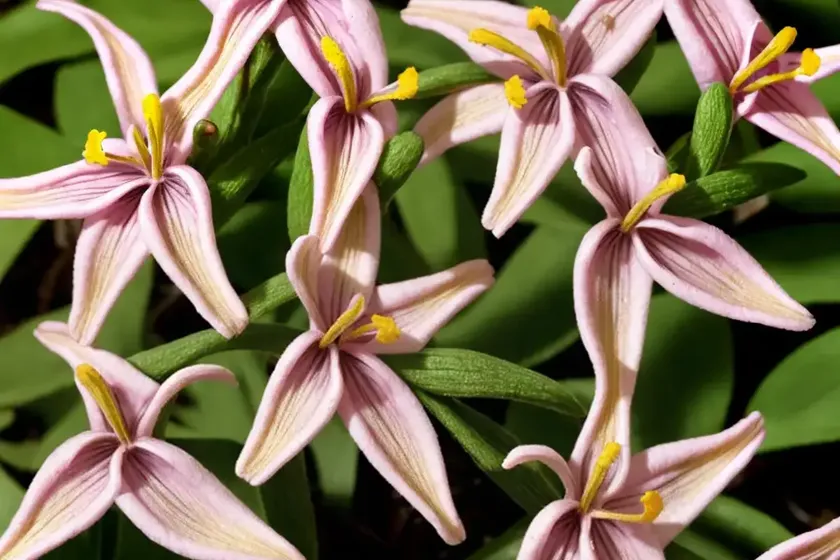
Tricyrtis formosana ‘Gilt Edge’, also known as the Toad Lily, is a captivating and elegant perennial that bears unique and captivating features. This distinctive plant is renowned for its charming variegated foliage and dainty orchid-like flowers, making it an excellent choice for gardeners looking to add a touch of whimsy and allure to their landscape. In this comprehensive guide, we will delve into the characteristics, cultivation, and uses of the Tricyrtis formosana ‘Gilt Edge’, providing insights into its care and maintenance to help you make the most of this captivating plant.
Key Takeaways
Before we delve into the specifics of the Tricyrtis formosana ‘Gilt Edge’, let’s outline some key takeaways about this enchanting plant:
- Common Name: Tricyrtis formosana ‘Gilt Edge’ (Toad Lily)
- Botanical Name: Tricyrtis formosana ‘Gilt Edge’
- Cultivar Type: Perennial
- Characteristics: Variegated foliage, orchid-like flowers
- Cultural Preferences: Shade to partial shade, moist, well-draining soil
- Uses: Ornamental gardening, borders, woodland gardens
- Maintenance: Low maintenance, occasional pruning
- Hardiness: Hardy in USDA zones 5-9
- Pests and Diseases: Susceptible to slugs, snails, and fungal diseases
Now, let’s explore each of these aspects in detail to gain a comprehensive understanding of this captivating plant.
What is Tricyrtis formosana ‘Gilt Edge’ (Toad Lily)?
Tricyrtis formosana ‘Gilt Edge’ is a remarkable perennial plant belonging to the Tricyrtis genus, which is a part of the Convallariaceae family. Originating from Taiwan, this flora is widely recognized for its enchanting variegated foliage and delicate orchid-like flowers. The common name, Toad Lily, refers to the mottled appearance of the petals, resembling the skin of a toad.
With an average height ranging from 18 to 24 inches (45 to 60 cm), this herbaceous perennial forms an attractive clump of foliage adorned with unique yellow-margined leaves. The captivating foliage is further accentuated by the appearance of exquisite, star-shaped flowers with speckled or mottled markings, typically in shades of lavender, purple, or white.
Culture
Water
Tricyrtis formosana ‘Gilt Edge’ thrives in consistently moist soil, making it well-suited for shady or woodland settings with higher humidity levels. While it appreciates moist conditions, it is vital to ensure that the soil has good drainage to prevent waterlogging. Adequate watering during dry spells is essential to maintain the soil moisture levels in the plant’s environment.
Sunlight
In its natural habitat, Tricyrtis formosana ‘Gilt Edge’ is often found in shady or partially shaded woodland areas, making it well-suited for similar conditions in gardens. While it can tolerate dappled sunlight, it generally prefers sheltered locations away from direct sun exposure, particularly during the hotter parts of the day.
Fertilizer
This perennial plant benefits from a balanced and organic fertilizer application in the spring to support healthy growth and flowering. A slow-release, all-purpose fertilizer can be applied around the base of the plant, following the recommended application rates. Avoid excessive use of fertilizers high in nitrogen, as this can promote excessive foliage growth at the expense of flower production.
Soil
Tricyrtis formosana ‘Gilt Edge’ thrives in humus-rich, well-draining soil. An ideal planting location would be in fertile, slightly acidic to neutral soil with good moisture retention. Organic matter such as compost or leaf mold can be incorporated into the soil at the time of planting to improve its structure and fertility, providing an optimal growing medium for the Toad Lily.
Pruning
Pruning requirements for Tricyrtis formosana ‘Gilt Edge’ are minimal, primarily focusing on the removal of faded flower stems and any damaged or unsightly foliage. Pruning tasks are typically carried out in late autumn or early spring to ensure the plant maintains a tidy appearance and to encourage healthy regrowth.
Propagation
Tricyrtis formosana ‘Gilt Edge’ can be propagated through division or from seed. Division of established clumps is best carried out in early spring before new growth emerges, ensuring that each division retains a portion of the rhizome and an adequate number of buds. When propagating from seed, it is important to provide a period of cold stratification to improve germination rates. Following stratification, the seeds can be sown in containers or directly in the garden bed.
Container Popularity
Due to its compact size and ornamental appeal, Tricyrtis formosana ‘Gilt Edge’ is well-suited for container cultivation. It serves as an excellent choice for adding visual interest to shaded patios, balconies, or outdoor living spaces, providing an opportunity for urban gardeners or those with limited gardening space to enjoy its charming qualities.
Common Diseases
While generally resilient, Tricyrtis formosana ‘Gilt Edge’ may be susceptible to fungal diseases, particularly under conditions of poor air circulation and excessive moisture. Common fungal issues that may affect this plant include powdery mildew and botrytis blight. Implementing proper cultural practices, such as ensuring good airflow around the plant and avoiding overwatering, can significantly reduce the risk of fungal diseases.
Disease Diagnosis
Symptoms of fungal diseases on Tricyrtis formosana ‘Gilt Edge’ may manifest as powdery white or gray patches on the foliage, or in the case of botrytis blight, as brown lesions or spots. It is essential to promptly diagnose and address these issues to prevent their spread and minimize potential damage to the plant.
Common Pests
Tricyrtis formosana ‘Gilt Edge’ may attract slugs and snails due to its lush foliage and moist growing conditions. These pests can feed on the leaves and flowers, causing unsightly damage. Additionally, deer have been known to browse on the foliage of the Toad Lily, especially in areas with high deer populations.
Botanist’s Tips for Growing Tricyrtis formosana ‘Gilt Edge’
To ensure the successful cultivation of Tricyrtis formosana ‘Gilt Edge’, consider the following tips and recommendations:
- Sheltered Locations: Plant in a sheltered area with dappled sunlight or partial shade, avoiding direct sun exposure.
- Moisture Management: Maintain consistent soil moisture levels, ensuring that the plant’s root system remains evenly moist without becoming waterlogged.
- Fungal Disease Prevention: Implement practices to enhance air circulation around the plant, reducing the risk of fungal diseases that thrive in damp conditions.
- Container Cultivation: Utilize well-draining soil and adequately sized containers when cultivating Tricyrtis formosana ‘Gilt Edge’ in pots or planters, employing appropriate watering practices to maintain soil moisture.
Fun Facts
- In its native habitat of Taiwan, Tricyrtis formosana ‘Gilt Edge’ can be found growing abundantly in shaded woodland settings and along stream banks, showcasing its preference for moist environments.
- The variegated foliage of the plant adds a captivating dimension to shaded garden areas, providing visual interest even when not in bloom.
Links to External Resources
For further information on Tricyrtis formosana ‘Gilt Edge’ (Toad Lily), refer to the following external resources:
- Royal Horticultural Society – Tricyrtis formosana ‘Gilt Edge’ Profile
- Missouri Botanical Garden – Toad Lilies: Tricyrtis
- North Carolina State University Extension – Tricyrtis formosana Information
In conclusion, Tricyrtis formosana ‘Gilt Edge’ (Toad Lily) stands out as a delightful ornamental plant with its unique foliage and charming flowers. With the right cultural practices and care, this perennial can thrive in shaded garden settings, adding an enchanting touch to landscaped areas. Whether grown in the garden bed or in containers, the elegance and allure of the Toad Lily make it a valuable addition to any garden, captivating both seasoned and novice gardeners alike.


