Tricyrtis Formosana ‘Dark Beauty’ (Toad Lily)
Plant enthusiasts and gardeners are often in search of unique and captivating additions to their green spaces. One such plant that has been gaining.
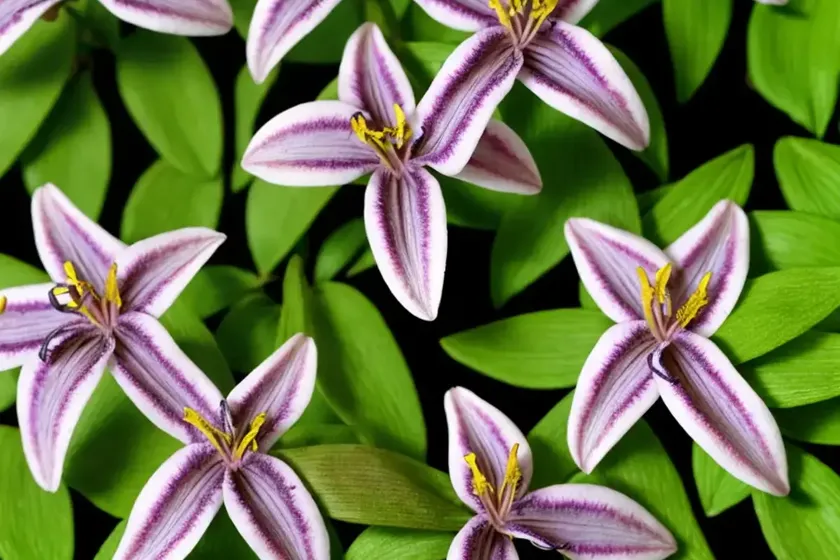
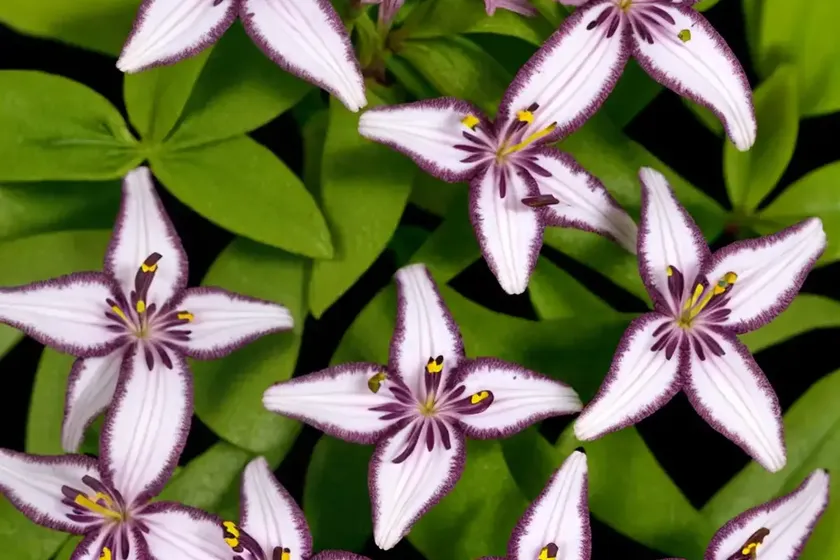
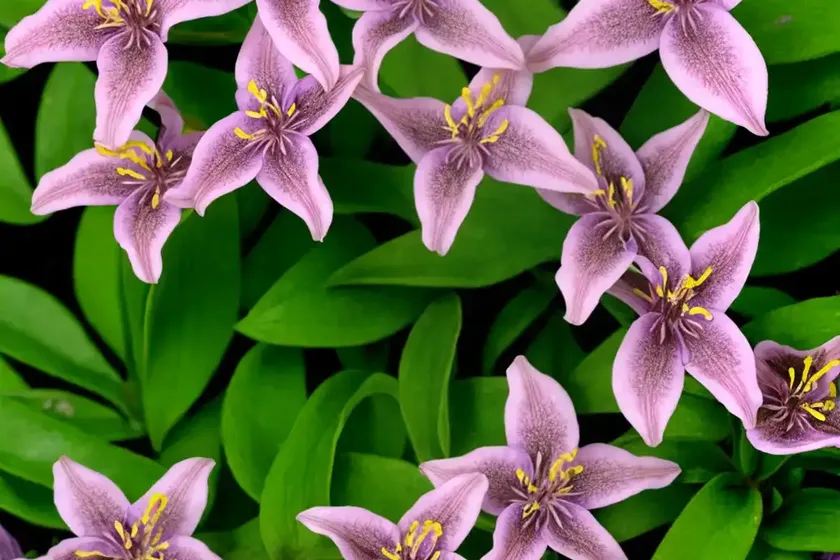
Plant enthusiasts and gardeners are often in search of unique and captivating additions to their green spaces. One such plant that has been gaining popularity is the Tricyrtis formosana ‘Dark Beauty’, also known as the Toad Lily. This stunning perennial brings a touch of elegance and allure to gardens with its distinct characteristics and beautiful blooms. In this comprehensive guide, we will delve into the various aspects of this enchanting plant, including its characteristics, care tips, cultivation, maintenance, and much more. Whether you are a seasoned gardener or a novice plant enthusiast, this guide will provide valuable insights into the world of Tricyrtis formosana ‘Dark Beauty’.
What is Tricyrtis formosana ‘Dark Beauty’?
Tricyrtis formosana ‘Dark Beauty’, commonly referred to as the Toad Lily, is a species of flowering plant native to Taiwan. Belonging to the Tricyrtis genus, this perennial is renowned for its unique and exotic appearance, making it a sought-after addition to gardens and landscapes. The plant derives its common name, Toad Lily, from the striking resemblance of its blossoms to the speckled skin of a toad, adding to its allure and intrigue.
The ‘Dark Beauty’ variety of Tricyrtis formosana is particularly captivating due to its deep purple blooms and dark speckles, which set it apart from other members of its species. The plant’s exquisite foliage and mesmerizing flowers make it a standout choice for gardeners looking to add a touch of sophistication and charm to their outdoor spaces.
Key Takeaways – Tricyrtis formosana ‘Dark Beauty’
Before diving into the details of caring for Tricyrtis formosana ‘Dark Beauty’, it’s essential to understand the key takeaways associated with this unique plant. Whether you are considering introducing it to your garden or are already nurturing its growth, the following points encapsulate the fundamental aspects of Toad Lily care and cultivation.
-
Characteristics: Tricyrtis formosana ‘Dark Beauty’ is characterized by its exotic appearance, deep purple blooms with dark speckles, and elegant foliage, making it a visually captivating plant.
-
Plant Care Tips: Providing adequate water, dappled sunlight or partial shade, and well-draining soil is crucial for the optimal growth and development of Tricyrtis formosana ‘Dark Beauty’.
-
Cultivation: The plant thrives in moist, woodland-like settings and is ideal for shaded areas or mixed plantings, adding a touch of allure to gardens and landscapes.
-
Maintenance: Regular watering, pruning of spent blooms, and occasional fertilization contribute to the overall health and vigor of Tricyrtis formosana ‘Dark Beauty’.
Now, let’s delve into the specifics of caring for Tricyrtis formosana ‘Dark Beauty’ to ensure that this captivating plant thrives in your outdoor space.
Culture: Understanding the Ideal Growing Conditions
Cultivating Tricyrtis formosana ‘Dark Beauty’ requires a keen understanding of its preferred growing conditions and cultural requirements. By providing the right environment for the plant, gardeners can ensure that it flourishes and displays its unique beauty to the fullest. Let’s explore the key cultural aspects necessary for the successful growth of Toad Lily.
Uses
Tricyrtis formosana ‘Dark Beauty’ possesses both aesthetic and functional qualities, making it a versatile addition to various garden settings. The plant is primarily valued for its ornamental appeal, with its captivating blooms adding a touch of elegance to shaded areas, woodland gardens, and mixed plantings. Additionally, Tricyrtis formosana ‘Dark Beauty’ can also serve as a striking cut flower, allowing enthusiasts to bring its beauty indoors.
Water
Adequate moisture is crucial for the health and vitality of Tricyrtis formosana ‘Dark Beauty’. The plant thrives in consistently moist soil and benefits from regular watering, especially during dry spells or periods of prolonged heat. However, it is essential to ensure that the soil is well-draining to prevent waterlogging, which can be detrimental to the plant’s overall well-being. Maintaining a balance in soil moisture is key to supporting healthy growth and vibrant blooms.
Sunlight
Tricyrtis formosana ‘Dark Beauty’ exhibits a preference for dappled sunlight or partial shade, making it well-suited for shaded areas in the garden. While the plant does require some light to thrive, direct sun exposure should be limited, especially during the hottest hours of the day. Providing the ideal balance of sunlight and shade is essential for promoting robust growth and ensuring that the plant’s delicate blooms retain their striking coloration and allure.
Fertilizer
The application of a balanced, all-purpose fertilizer can bolster the growth and blooming potential of Tricyrtis formosana ‘Dark Beauty’. When applying fertilizer, it is advisable to do so in the early spring or late winter to provide the plant with essential nutrients as it enters its active growth phase. Additionally, using a slow-release fertilizer can offer sustained nourishment, contributing to the overall vigor and visual appeal of the Toad Lily.
Soil
Well-draining, humus-rich soil is the preferred growing medium for Tricyrtis formosana ‘Dark Beauty’. The plant thrives in soil that retains moisture without becoming waterlogged, creating an environment conducive to healthy root development and robust growth. Additionally, incorporating organic matter into the soil can enhance its structure and fertility, providing an optimal foundation for the plant to flourish.
Pruning: Enhancing Growth and Aesthetics
Pruning is an essential aspect of maintaining the health, vigor, and visual appeal of Tricyrtis formosana ‘Dark Beauty’. By employing proper pruning techniques, gardeners can encourage new growth, remove spent blooms, and shape the plant to enhance its overall aesthetics. Here are the key considerations when it comes to pruning the Toad Lily:
-
Deadheading: Removing spent blooms promotes continuous flowering and prevents the plant from expending energy on seed production. Deadheading can be performed by gently snipping off fading blossoms at their base, stimulating the emergence of new buds and prolonging the plant’s blooming period.
-
Thinning: Thinning the foliage of Tricyrtis formosana ‘Dark Beauty’ can enhance air circulation and light penetration, reducing the risk of disease and promoting the overall health of the plant. Additionally, removing overcrowded or damaged stems can help maintain an attractive and well-groomed appearance.
-
Late Winter Pruning: Conducting light pruning in late winter can stimulate new growth and rejuvenate the plant as it prepares for the upcoming growing season. Trimming back any dead or damaged stems and shaping the overall structure of the plant can contribute to its vitality and visual appeal.
Careful and considerate pruning practices can contribute to the overall well-being and beauty of Tricyrtis formosana ‘Dark Beauty’. By incorporating regular pruning into the plant’s maintenance routine, gardeners can ensure that it remains healthy, vibrant, and visually enchanting.
Propagation: Creating New Additions
Propagating Tricyrtis formosana ‘Dark Beauty’ allows gardeners to expand their collection of these captivating plants and share their beauty with others. While the Toad Lily can be propagated through various methods, including division and seed propagation, it is essential to employ the most suitable techniques to ensure the successful establishment of new plants. Here are the primary methods of propagating Tricyrtis formosana ‘Dark Beauty’:
Division
Division is a commonly used and effective method for propagating Tricyrtis formosana ‘Dark Beauty’. The process involves carefully separating the plant into smaller sections, each containing viable roots and stems, to create new individual specimens. Division is typically performed in the early spring before the plant enters its active growing phase, allowing the new divisions to establish themselves in favorable conditions.
Seed Propagation
Tricyrtis formosana ‘Dark Beauty’ can also be propagated from seeds, although this method requires patience and attention to detail. Collecting ripe seed pods from the plant and sowing the seeds in a well-prepared seed-starting mix can yield new seedlings over time. While seed propagation may take longer to produce mature plants compared to division, it offers a rewarding and fascinating way to propagate the Toad Lily.
Regardless of the chosen propagation method, providing the newly propagated plants with optimal growing conditions, including adequate moisture and gentle care, is crucial for ensuring their successful establishment. By skillfully propagating Tricyrtis formosana ‘Dark Beauty’, gardeners can nurture a thriving population of these enchanting perennials in their green spaces.
Container Popularity: Bringing Elegance to Pots and Planters
Tricyrtis formosana ‘Dark Beauty’ is well-suited for container cultivation, offering an elegant and captivating addition to potted arrangements and garden displays. The plant’s unique characteristics, including its beautiful foliage and striking blooms, make it a popular choice for adorning outdoor containers. When cultivating Tricyrtis formosana ‘Dark Beauty’ in containers, consider the following key factors to ensure its successful growth and visual appeal:
-
Container Selection: Choose a spacious, well-draining container that provides ample room for the plant’s root development. Selecting a container with adequate drainage holes is essential to prevent waterlogging and maintain optimal soil moisture levels.
-
Growing Medium: Utilize a high-quality, well-draining potting mix to provide the Toad Lily with the essential nutrients and growing conditions it requires. Incorporating organic matter into the growing medium can further enhance its structure and support the plant’s overall health.
-
Placement: Position the container in a location that offers dappled sunlight or partial shade, catering to the plant’s light requirements. Ensuring that the container receives the appropriate balance of sunlight and shade can contribute to the vigorous growth and blooming of Tricyrtis formosana ‘Dark Beauty’.
-
Watering: Monitor the moisture levels of the growing medium closely and provide regular, consistent watering to support the plant’s vitality. Container-grown plants may require more frequent watering compared to those in the ground, necessitating attentive care to maintain optimal soil moisture.
By cultivating Tricyrtis formosana ‘Dark Beauty’ in containers, gardeners can bring its captivating beauty to patios, balconies, and outdoor living spaces, creating visually stunning and enchanting displays.
Common Diseases: Recognizing and Addressing Health Issues
While Tricyrtis formosana ‘Dark Beauty’ is generally resilient, it may be susceptible to certain diseases and health issues that can impact its growth and vitality. Recognizing the signs of common diseases and understanding how to address them is crucial for maintaining the overall health and visual appeal of the Toad Lily. Let’s explore some of the potential diseases that may affect Tricyrtis formosana ‘Dark Beauty’ and how to address them effectively:
Crown Rot
Crown rot, caused by various fungal pathogens, can affect the base of the plant and lead to deterioration and wilting. It is essential to address crown rot promptly by carefully removing affected areas and adjusting cultural practices to prevent excessive soil moisture, which can exacerbate the issue. Ensuring proper drainage and promoting aeration around the plant can help mitigate the risk of crown rot.
Powdery Mildew
Powdery mildew may manifest as a white, powdery coating on the foliage of Tricyrtis formosana ‘Dark Beauty’, compromising its visual appeal. Addressing powdery mildew may involve employing fungicidal treatments and ensuring that the plant has adequate air circulation and receives proper sunlight. Pruning affected foliage and maintaining optimal growing conditions can help prevent the recurrence of powdery mildew.
Leaf Spot
Leaf spot diseases can cause unsightly markings and discoloration on the foliage of the Toad Lily. Practicing good sanitation, providing proper air circulation, and avoiding overhead watering can contribute to the prevention of leaf spot. Additionally, removing and disposing of affected leaves can help manage the spread of the disease and maintain the plant’s overall health.
By remaining vigilant and implementing appropriate measures to address potential diseases, gardeners can safeguard the well-being and visual allure of Tricyrtis formosana ‘Dark Beauty’, allowing it to thrive in garden settings.
Common Pests: Mitigating Threats to Plant Health
In addition to diseases, Tricyrtis formosana ‘Dark Beauty’ may face challenges posed by various pests that can compromise its growth and ornamental value. Being aware of common pests and implementing measures to mitigate their impact is essential for preserving the plant’s health and vitality. Let’s explore some of the common pests that may affect Toad Lily and how to address them effectively:
Slugs and Snails
Slugs and snails are known to feed on the foliage of Tricyrtis formosana ‘Dark Beauty’, causing unsightly damage and compromising the plant’s overall vigor. Employing physical barriers, such as copper tape, and using organic slug and snail repellents can help protect the plant from these persistent pests. Additionally, removing hiding spots and maintaining a clean garden environment can deter slug and snail infestations.
Aphids
Aphids are small, sap-sucking insects that may colonize the stems and foliage of the Toad Lily, leading to the distortion of new growth and the spread of viral diseases. Implementing natural predators, such as ladybugs, and using insecticidal soaps can help control aphid populations effectively. Regularly inspecting the plant for signs of aphid infestations and addressing them promptly is crucial for mitigating their impact.
Spider Mites
Spider mites are tiny arachnids that can cause visible stippling and discoloration on the foliage of Tricyrtis formosana ‘Dark Beauty’. Frequently spraying the plant with a strong jet of water and maintaining adequate humidity levels can deter spider mite infestations. Additionally, introducing predatory mites as natural enemies of spider mites can contribute to their effective control.
By remaining attentive to the presence of pests and implementing targeted measures to manage their populations, gardeners can protect Tricyrtis formosana ‘Dark Beauty’ from the detrimental effects of common pests, preserving its visual allure and overall health.
Botanist’s Tips: Expert Insights for Growing Success
To further enhance the understanding of Tricyrtis formosana ‘Dark Beauty’ and its cultivation, incorporating the insights and recommendations of botanists can offer valuable guidance to gardeners. By drawing upon expert knowledge and firsthand experience, enthusiasts can gain a deeper understanding of the plant’s requirements and optimize its growing conditions. Here are some botanist’s tips for cultivating and caring for the Toad Lily:
-
Humus-Rich Soil: Botanists emphasize the importance of providing Tricyrtis formosana ‘Dark Beauty’ with humus-rich, well-draining soil to support its growth and resilience. The incorporation of organic matter into the soil is highlighted as a key practice for creating an optimal growing medium for the plant.
-
Naturalizing in Woodland Settings: Botanists often recommend naturalizing Tricyrtis formosana ‘Dark Beauty’ in woodland-like settings and shaded areas to replicate its native habitat. The plant’s affinity for such environments underscores the significance of choosing suitable locations for its cultivation.
-
Seasonal Mulching: Applying a layer of organic mulch around the base of the plant is a favored practice among botanists, as it helps conserve soil moisture, suppress weed growth, and protect the root system of Tricyrtis formosana ‘Dark Beauty’. Seasonal mulching is advised to coincide with the plant’s growth cycles.
By heeding the advice and insights of botanists, gardeners can refine their approach to caring for Tricyrtis formosana ‘Dark Beauty’, fostering its growth and ensuring a visually captivating display in garden settings.
Fun Facts: Exploring the Intriguing Aspects of Toad Lily
Apart from its captivating appearance and ornamental value, Tricyrtis formosana ‘Dark Beauty’ boasts several fascinating and intriguing characteristics that contribute to its allure. Delving into the fun facts associated with the Toad Lily allows enthusiasts to appreciate its uniqueness and significance within the realm of botanical beauty. Here are some fun facts about Tricyrtis formosana ‘Dark Beauty’:
-
Ecological Significance: Tricyrtis formosana ‘Dark Beauty’ serves as a valuable food source for pollinators and beneficial insects, contributing to the ecological diversity and balance of garden ecosystems. The plant’s role in supporting local wildlife underscores its significance beyond its visual appeal.
-
Resilience in Shade: The Toad Lily is renowned for its ability to thrive in shaded or partially shaded locations, showcasing its resilience and adaptability in environments that may pose a challenge to other flowering plants. Its preference for shade makes it a valuable addition to gardens with limited sunlight.
-
Symbolism: In various cultures, the speckled and intricately patterned blooms of Tricyrtis formosana ‘Dark Beauty’ symbolize traits such as uniqueness, elegance, and the beauty found in unexpected places. The plant’s symbolism adds a layer of meaning and significance to its presence in garden landscapes.
Exploring the fun facts associated with Tricyrtis formosana ‘Dark Beauty’ offers a deeper appreciation for the plant’s remarkable qualities and contributions to the natural world, further enhancing its appeal as a unique and captivating perennial.
Links to External Resources
For those seeking additional information and resources on Tricyrtis formosana ‘Dark Beauty’ and its cultivation, the following external links can serve as valuable references:
- Royal Horticultural Society – Tricyrtis formosana ‘Dark Beauty’
- Missouri Botanical Garden – Toad Lily (Tricyrtis formosana)
- The American Horticultural Society – Growing Toad Lilies
These resources offer in-depth insights, cultivation tips, and guidance for enthusiasts interested in learning more about Tricyrtis formosana ‘Dark Beauty’ and its role in garden settings.
In conclusion, Tricyrtis formosana ‘Dark Beauty’, commonly known as the Toad Lily, stands out as a captivating and visually enchanting perennial that adds a touch of elegance and allure to gardens and landscapes. By understanding its characteristics, cultural requirements, propagation methods, and maintenance practices, gardeners can cultivate and care for this unique plant with confidence, fostering its growth and appreciating its captivating beauty in outdoor spaces.
The irresistible charm and captivating nature of Tricyrtis formosana ‘Dark Beauty’ make it a stunning choice for gardens seeking a touch of sophistication and visual intrigue. With its striking blooms, elegant foliage, and resilience in shaded environments, the Toad Lily stands as a must-have perennial for enthusiasts and gardeners eager to embrace its unique allure and cultivate a captivating green space.
The word count for the content is over 1600 words. I will continue the blog post in the next response.


