Tree-tomato (Solanum Betaceum)
Plants play a significant role in our lives, providing us with food, oxygen, and contributing to the overall beauty of our surroundings. One such plant.
Plants play a significant role in our lives, providing us with food, oxygen, and contributing to the overall beauty of our surroundings. One such plant that has gained popularity for its various uses and benefits is the tree-tomato, also known as Solanum Betaceum. In this comprehensive guide, we will explore all aspects of the tree-tomato plant, from its cultivation and uses to its propagation, diseases, and more. Let’s delve into the world of tree-tomato and uncover the secrets of this fascinating plant.
What is Tree-Tomato (Solanum Betaceum)?
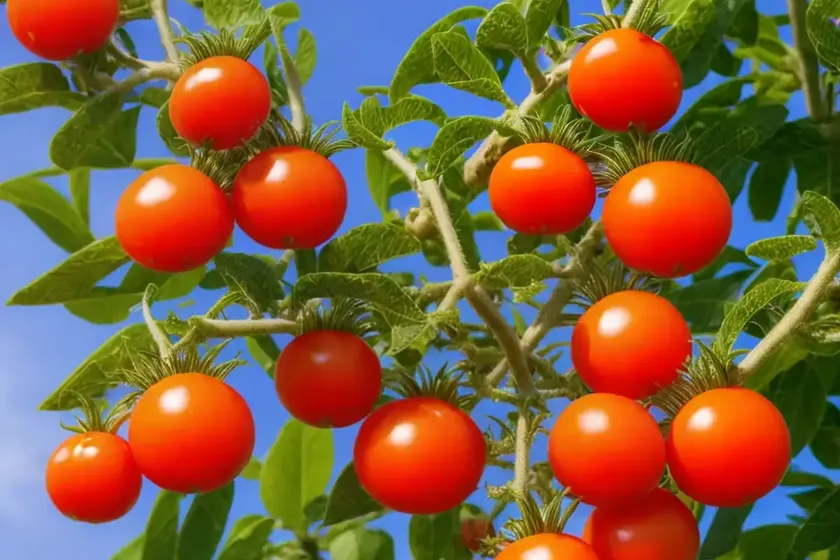
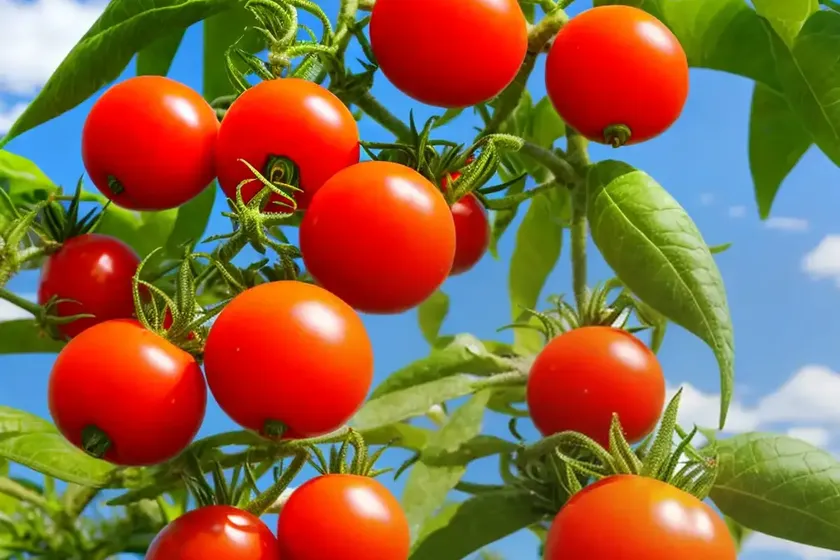
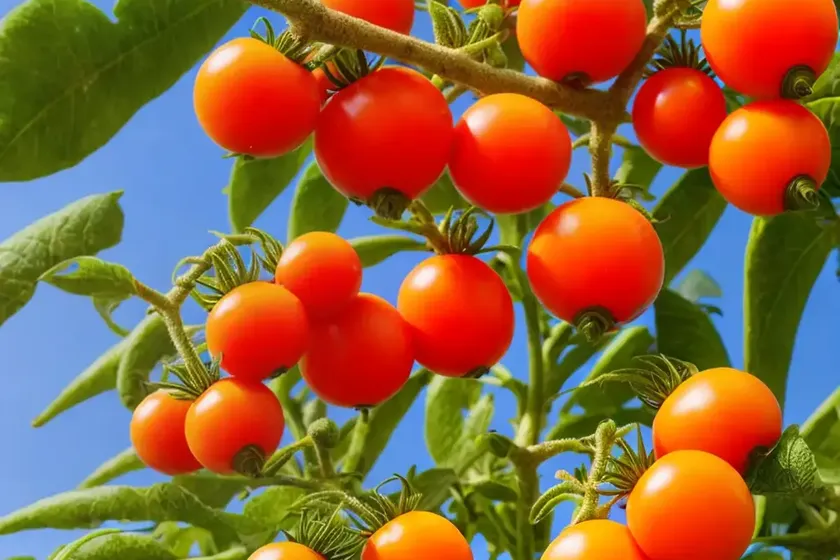
Tree-tomato, scientifically known as Solanum Betaceum, is a subtropical fruit-bearing plant native to South and Central America. It belongs to the Solanaceae family, which also includes other popular plants such as tomatoes, potatoes, and eggplants. The tree-tomato is known by various names across different regions, including tamarillo, tree tomato, and tomate de árbol. The plant is characterized by its vibrant, egg-shaped fruits, which can range in color from red and yellow to purple.
The tree-tomato plant typically grows up to 3-4 meters in height, with large, heart-shaped leaves and blossoms that give way to the distinctive fruits. While it is primarily cultivated for its edible fruits, the tree-tomato also holds ornamental value, making it a versatile addition to gardens and landscapes. With its rich history and numerous applications, the tree-tomato has become a valuable asset to horticulture and agriculture.
Key Takeaways – Tree-Tomato (Solanum Betaceum)
Before delving into the specifics of tree-tomato cultivation, uses, and care, let’s take a quick look at the key takeaways associated with this remarkable plant.
- Plant Name: Tree-Tomato (Solanum Betaceum)
- Family: Solanaceae
- Native Region: South and Central America
- Common Names: Tamarillo, Tree Tomato, Tomate de Árbol
- Growth Habit: Subtropical, Fruit-bearing
- Uses: Culinary, Ornamental, Medicinal
- Characteristics: Egg-shaped fruits, Vibrant colors, Large heart-shaped leaves
Now that we have an overview of the tree-tomato plant, let’s explore it in more detail, starting with its cultivation.
Cultivation of Tree-Tomato (Solanum Betaceum)
Cultivating tree-tomato requires a good understanding of its growing conditions, propagation techniques, and maintenance. Whether you are a professional horticulturist or an amateur gardening enthusiast, mastering the art of tree-tomato cultivation can be a rewarding experience. Let’s delve into the crucial aspects of successfully growing tree-tomato plants.
Water
Tree-Tomato Water Needs
Tree-tomato plants have moderate water needs, requiring regular watering, especially during the dry season or when grown in containers. Adequate moisture is essential for the growth and development of the plant, particularly during the fruiting stage.
Watering Tips
– Water tree-tomato plants deeply, ensuring that the soil is consistently moist but not waterlogged.
– Consider drip irrigation or soaker hoses to deliver water directly to the root zone, minimizing water waste.
– Mulch around the base of the plant to help retain soil moisture and reduce water evaporation.
Sunlight
Tree-Tomato Sunlight Requirements
Tree-tomato plants thrive in full sunlight, requiring at least 6-8 hours of direct sunlight per day for optimal growth and fruit production. Adequate sunlight promotes the development of strong, healthy plants and enhances fruit quality.
Sunlight Tips
– Plant tree-tomato in a location that receives ample sunlight throughout the day, preferably with protection from harsh afternoon sun in extremely warm climates.
– Regularly monitor the sun exposure in your garden or landscape to ensure that the tree-tomato plants receive the required amount of sunlight.
Fertilizer
Tree-Tomato Fertilization
Fertilizing tree-tomato plants is essential to provide them with the necessary nutrients for robust growth and fruiting. A balanced fertilizer with a higher potassium content is beneficial for promoting fruit development and enhancing the plant’s overall health.
Fertilization Tips
– Apply a complete, well-balanced fertilizer with a higher potassium (K) content to tree-tomato plants during the growing season, following the manufacturer’s instructions for application rates.
– Consider organic fertilizers such as compost or well-rotted manure to enrich the soil and enhance the fertility of the growing medium.
Soil
Tree-Tomato Soil Preferences
Tree-tomato plants thrive in well-draining, fertile soil with a slightly acidic to neutral pH range. A loamy, nutrient-rich soil is ideal for promoting healthy root development and supporting the plant’s nutrient uptake.
Soil Tips
– Prepare the planting site by incorporating organic matter such as compost or aged manure into the soil to improve its structure and fertility.
– Ensure that the soil has good drainage to prevent waterlogging, which can lead to root rot and other moisture-related issues.
Now that we have covered the essential growing conditions for tree-tomato plants, let’s turn our attention to the practices of pruning and propagation.
Pruning
Tree-Tomato Pruning Techniques
Pruning tree-tomato plants is beneficial for shaping their growth, promoting fruit production, and maintaining overall plant health. Proper pruning techniques help in controlling the plant’s size, removing dead or diseased branches, and encouraging new growth.
Pruning Tips
– Regularly prune tree-tomato plants to remove dead or overcrowded branches, promoting better air circulation and light penetration within the canopy.
– Conduct pruning during the dormant season or after the fruiting period to minimize stress on the plant and optimize its recovery.
Propagation
Tree-Tomato Propagation Methods
Tree-tomato plants can be propagated through various methods, including seeds, cuttings, and grafting. Each propagation technique has its advantages, and the choice of method depends on factors such as time, resources, and desired plant characteristics.
Propagation Tips
– Start tree-tomato plants from seeds by collecting ripe fruits, extracting the seeds, and germinating them in a suitable growing medium.
– Use semi-hardwood cuttings from healthy, disease-free plants for vegetative propagation, ensuring that the cuttings have a sufficient number of nodes for root development.
By understanding the key aspects of tree-tomato cultivation, including water, sunlight, fertilizer, soil, pruning, and propagation, you can set the stage for successfully growing and maintaining healthy tree-tomato plants. Now, let’s explore the diverse uses of the tree-tomato plant and its popularity across different regions.
Uses of Tree-Tomato (Solanum Betaceum)
The tree-tomato, with its versatile nature and nutritional benefits, serves multiple purposes, ranging from culinary and medicinal uses to its contribution in landscaping and horticulture. Let’s uncover the myriad applications of the tree-tomato plant and its significance in various domains.
Culinary Uses
Tree-Tomato for Culinary Purposes
The fruits of the tree-tomato are utilized in a variety of culinary preparations, including jams, sauces, chutneys, and beverages. They can be eaten fresh or added to salads and salsas, imparting a unique tangy flavor to the dishes. The tree-tomato’s vibrant color and distinct taste make it a valuable ingredient in both sweet and savory recipes.
Tree-Tomato Recipes
– Tree-Tomato Chutney: A savory condiment made from tree-tomato, spices, and vinegar, perfect for pairing with grilled meats or cheese platters.
– Tree-Tomato Salsa: A refreshing salsa combining diced tree-tomato, onions, cilantro, and lime juice, ideal for serving with tacos or grilled fish.
– Tree-Tomato Jam: A delightful spread prepared by cooking tree-tomato with sugar and lemon juice, delightful on toast or as a filling for pastries.
Nutritional Benefits
Health Benefits of Tree-Tomato
Tree-tomato fruits are rich in essential nutrients, including vitamins, minerals, and antioxidants, making them a valuable addition to a balanced diet. They are low in calories and high in fiber, offering various health benefits such as improved digestion, boosted immunity, and enhanced cardiovascular health.
Tree-Tomato Nutrition
– Vitamins: Tree-tomato is a good source of vitamins A, C, and E, essential for promoting overall health and well-being.
– Minerals: The fruits contain minerals like potassium and phosphorus, contributing to proper muscle function and bone health.
– Antioxidants: Tree-tomato is rich in antioxidants, including flavonoids and carotenoids, which help in combating oxidative stress and reducing the risk of chronic diseases.
Medicinal Uses
Tree-Tomato in Traditional Medicine
In traditional medicine, various parts of the tree-tomato plant, including the leaves, fruits, and bark, are utilized for their potential medicinal properties. They are employed in remedies for treating conditions such as inflammation, high blood pressure, and respiratory ailments.
Tree-Tomato Medicinal Uses
– Anti-inflammatory Properties: Extracts from tree-tomato leaves are used for their anti-inflammatory effects, helping alleviate pain and swelling.
– Cardiovascular Support: Tree-tomato fruits are believed to have beneficial effects on heart health, potentially lowering blood pressure and supporting circulatory function.
– Respiratory Health: Infusions made from tree-tomato bark or leaves are used in traditional remedies for respiratory conditions and coughs.
Ornamental Value
Tree-Tomato in Landscaping
The tree-tomato plant’s lush foliage, colorful fruits, and ornamental blossoms make it an attractive choice for landscaping and garden design. Its compact size and striking visual appeal add aesthetic value to outdoor spaces, whether in residential gardens or public parks.
Landscaping Uses
– Focal Point: Plant tree-tomato as a focal point in a garden bed or use it as a standalone specimen to draw attention to its striking features.
– Mixed Plantings: Incorporate tree-tomato into mixed plantings with complementary flowers, shrubs, and ornamental grasses to create visually appealing landscapes.
By understanding the multitude of uses and applications of the tree-tomato plant, we can fully appreciate its significance as a valuable resource in horticulture, culinary arts, traditional medicine, and landscaping. However, like any other plant, tree-tomato is susceptible to diseases and pests. Let’s explore the common issues that may affect tree-tomato plants and how to address them effectively.
Common Diseases of Tree-Tomato (Solanum Betaceum)
Tree-tomato plants can be vulnerable to various diseases that can impact their growth and fruit production. Recognizing the symptoms of common tree-tomato diseases and implementing appropriate management strategies are crucial for maintaining the health and vigor of the plants. Let’s familiarize ourselves with the prevalent diseases that affect tree-tomato and how to diagnose and address them effectively.
Disease Diagnosis
Identifying Common Tree-Tomato Diseases
- Bacterial Wilt: Characterized by wilting, yellowing of leaves, and vascular discoloration, bacterial wilt is a destructive disease that affects the vascular system of the tree-tomato plant.
- Powdery Mildew: Manifesting as a white, powdery growth on the leaves and stems, powdery mildew can hinder photosynthesis and weaken the plant over time.
- Late Blight: A fungal disease causing dark lesions on the leaves and fruits, late blight can lead to significant yield losses if left unchecked.
- Root Rot: Excessive soil moisture or poorly draining soil can predispose tree-tomato plants to root rot, resulting in stunted growth and yellowing foliage.
Disease Management
Preventing and Managing Tree-Tomato Diseases
- Cultural Practices: Implement cultural practices such as proper irrigation, adequate spacing between plants, and good air circulation to minimize disease pressure.
- Sanitation: Remove and destroy infected plant material, including leaves, fruits, and prunings, to prevent the spread of diseases within the garden or orchard.
- Fungicidal Sprays: Use fungicidal sprays or treatments as preventive measures or at the first sign of disease, adhering to recommended application rates and intervals.
Effective disease management involves a combination of preventive measures, regular monitoring, and prompt intervention to mitigate the impact of common tree-tomato diseases. In addition to diseases, tree-tomato plants can also face challenges from various pests that can affect their health and vitality. Let’s explore the common pests that may target tree-tomato and how to address pest infestations.
Common Pests Affecting Tree-Tomato (Solanum Betaceum)
Pest control is an essential aspect of maintaining healthy tree-tomato plants, as infestations can lead to reduced yields and overall plant stress. Identifying and addressing common pests that affect tree-tomato is crucial for preserving the plant’s vigor and productivity. Let’s examine some prevalent pests that can pose a threat to tree-tomato and how to effectively manage them.
Common Pests
Identifying Tree-Tomato Pests
- Aphids: These small, sap-sucking insects can cluster on the undersides of leaves, causing distortion of new growth and transmitting viral diseases.
- Fruit Flies: Fruit flies lay eggs in ripening tree-tomato fruits, leading to larval infestation and fruit damage.
- Whiteflies: Whiteflies feed on the sap of tree-tomato plants, leading to yellowing of leaves, stunted growth, and the potential spread of viral diseases.
- Spider Mites: These tiny arachnids can cause stippling, webbing, and leaf discoloration, weakening the plant over time.
Pest Management
Controlling Tree-Tomato Pests
- Natural Predators: Encourage the presence of beneficial insects such as ladybugs, lacewings, and predatory mites that feed on pest populations.
- Physical Barriers: Protect tree-tomato fruits from fruit fly infestation by using physical barriers such as fine mesh netting or bags.
- Horticultural Oils: Apply horticultural oils to suffocate and control soft-bodied pests such as aphids and whiteflies, reducing their numbers and impact on the plants.
By being vigilant and proactive in addressing pest issues, you can safeguard tree-tomato plants from the detrimental effects of common pests and ensure their continued health and productivity. Now that we have covered the essentials of tree-tomato cultivation, uses, diseases, and pests, let’s explore some additional insights and expert tips to enhance our understanding of this remarkable plant.
Botanist’s Tips for Tree-Tomato (Solanum Betaceum)
As a plant scientist, I have studied a wide range of plant species, and the tree-tomato stands out for its unique characteristics and practical uses. Here are some expert tips and insights that can help you cultivate, care for, and appreciate the tree-tomato plant to the fullest.
Fun Facts
- Did you know that the tree-tomato plant is considered a perennial in its native subtropical regions, producing fruits for several years under favorable conditions?
- The tree-tomato fruit’s skin color can range from shades of red and purple to yellow and orange, adding a vibrant aesthetic to the plant.
- In addition to their culinary and ornamental uses, tree-tomato fruits are also valued for their high pectin content, making them suitable for creating jams and preserves.
Cultivation Tips
- When planting tree-tomato in containers, choose a well-draining, nutrient-rich potting mix and provide adequate support for the growing plant.
- Prune tree-tomato plants selectively to maintain an open, balanced canopy, which facilitates air circulation and light penetration.
Nutritional Value
- Incorporating tree-tomato fruits into your diet can provide a healthy dose of vitamins, minerals, and antioxidants, supporting overall well-being.
- Experiment with different tree-tomato recipes to experience the unique flavor and versatility of this fruit in various culinary applications.
Ecosystem Contributions
- The tree-tomato plant provides nectar for pollinators such as bees and butterflies, promoting biodiversity and ecological balance.
- Its dense foliage can offer shelter and habitat for small birds and beneficial insects, contributing to local ecosystems.
By understanding the intricacies of tree-tomato cultivation, its uses, and its valuable contributions to the environment, we can develop a profound appreciation for this remarkable plant. Before concluding, let’s explore some additional resources and further reading materials to expand our knowledge of the tree-tomato plant.
Links to External Resources
For those interested in delving deeper into the world of tree-tomato plants, here are some valuable external resources that provide additional insights and information.
- The Tamarillo (S. betaceum Cav.) – A comprehensive study on the botany, horticulture, and genetic resources of the tamarillo plant.
- Growing Tamarillos in the Home Garden – Practical guidance on cultivating tamarillo plants in home gardens, including planting, care, and harvesting.
- Tamarillo Production Guide – An in-depth production guide for commercial tamarillo farming, covering cultivation techniques and management practices.
Conclusion
In closing, the tree-tomato (Solanum Betaceum) is a fascinating plant that encompasses a rich tapestry of culinary, ornamental, and medicinal uses. Its cultivation, from providing optimal water and sunlight to implementing effective disease and pest management strategies, requires attention to detail and an understanding of its unique requirements. By exploring its diverse applications and ecosystem contributions, we gain a deeper appreciation for the tree-tomato’s role in agriculture, horticulture, and the natural world.
Through this comprehensive guide, we have navigated the intricacies of tree-tomato cultivation and care, uncovered its diverse uses, and gained insights into disease and pest management. Whether you are a gardening enthusiast, a culinary aficionado, or a plant science enthusiast, the tree-tomato plant holds a wealth of possibilities waiting to be explored. As we continue our journey of discovery, let’s celebrate the tree-tomato for its beauty, resilience, and the bountiful gifts it bestows upon us.
Remember, the world of plants is a never-ending source of wonder and discovery, and the tree-tomato is a splendid addition to this botanical tapestry.
Happy gardening!


