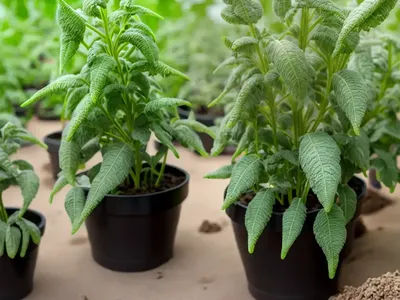
Tree Spinach (Chenopodium Giganteum)
As a plant scientist, I have always been fascinated by the diverse properties and uses of various plant species. One such intriguing plant is the Tree.
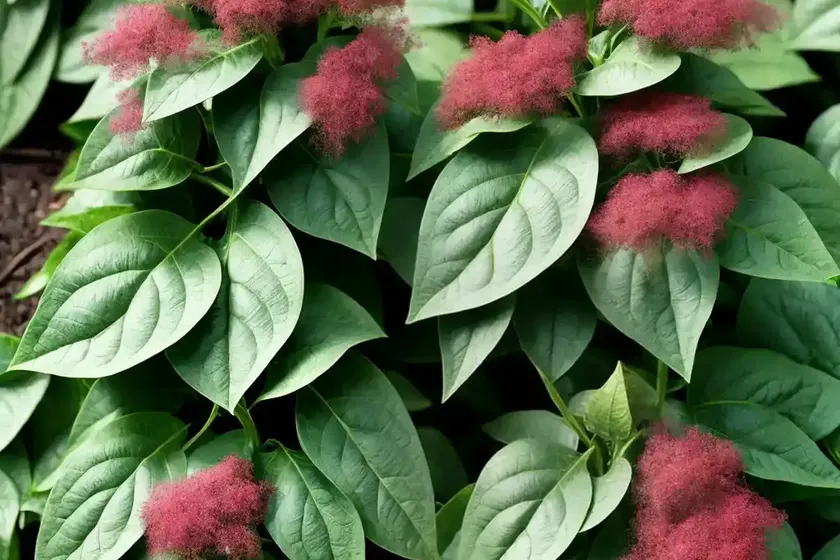
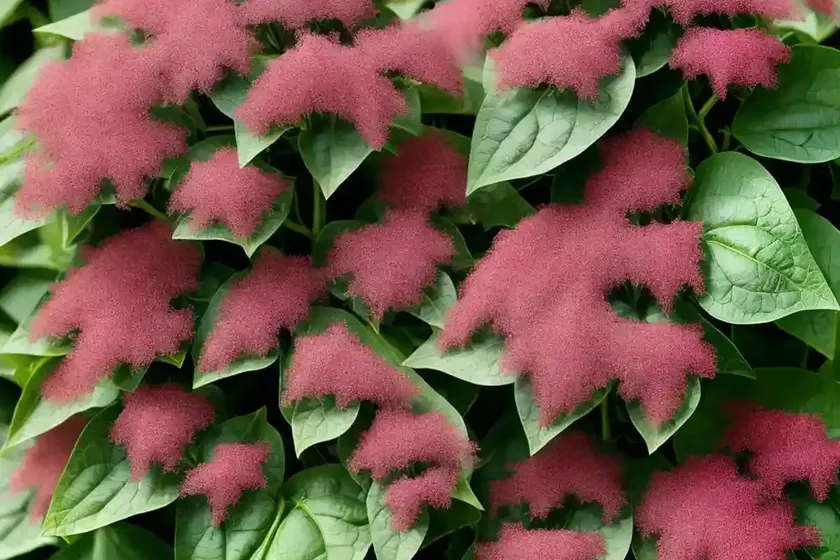
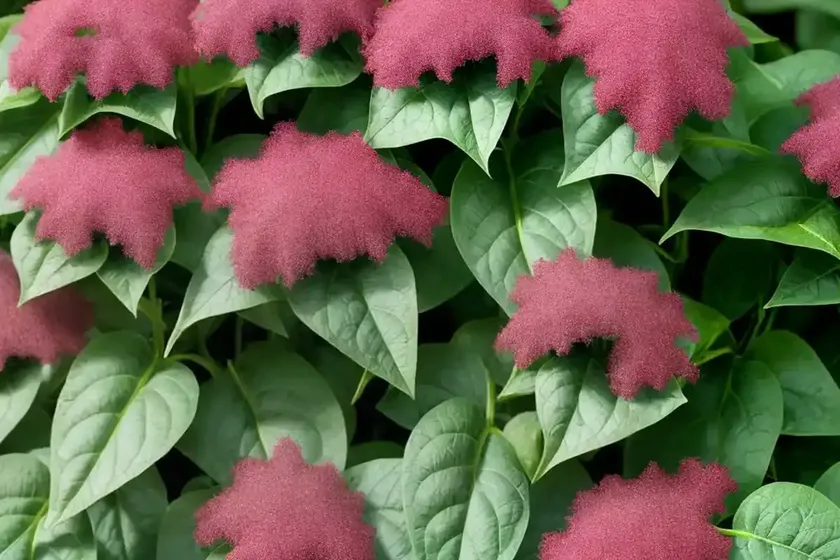
As a plant scientist, I have always been fascinated by the diverse properties and uses of various plant species. One such intriguing plant is the Tree Spinach, scientifically known as Chenopodium giganteum. In this comprehensive guide, we will explore the key aspects of Tree Spinach, including its cultural requirements, uses, propagation, common diseases, and more. Additionally, we will delve into its nutritional value, health benefits, and culinary uses, providing a holistic understanding of this extraordinary plant.
What is Tree Spinach (Chenopodium giganteum)?
Tree Spinach, also known as Giant Lambsquarters or Magenta Spreen, is a leafy green vegetable that belongs to the Amaranthaceae family. It is native to the mountainous regions of South America and has been cultivated for centuries due to its edible and nutritional properties. The plant is characterized by its large, tender leaves and is often grown for its culinary and medicinal uses.
Key Takeaways – Tree Spinach (Chenopodium giganteum)
Before we delve deeper into the details, let’s summarize the key takeaways of Tree Spinach:
- Botanical Name: Chenopodium giganteum
- Common Names: Tree Spinach, Giant Lambsquarters, Magenta Spreen
- Family: Amaranthaceae
- Cultural Uses: Culinary, Medicinal
- Cultural Requirements: Water, Sunlight, Fertilizer, Soil, Pruning, Propagation, Container
- Common Diseases: Disease Diagnosis, Prevention, and Management
- Common Pests: Pest Control and Prevention
- Nutritional Value: Nutrient Profile, Antioxidants
- Health Benefits: Medicinal Properties, Traditional Uses
- Culinary Uses: Recipes, Cooking Techniques
- Fun Facts: Interesting Tidbits about Tree Spinach
Now, let’s explore each of these aspects in detail to gain a comprehensive understanding of Tree Spinach and its cultivation, uses, and benefits.
Culture
The successful cultivation of Tree Spinach largely depends on understanding and providing for its cultural requirements. These include water, sunlight, fertilizer, soil, pruning, propagation, and the option of growing it in containers.
Water
Tree Spinach thrives in well-draining soil that is consistently moist. Adequate watering is essential, particularly during dry spells, to ensure optimal growth and leaf production. However, it is important to avoid waterlogged conditions that can lead to root rot. The plant typically benefits from deep, thorough watering rather than frequent shallow watering.
Sunlight
In terms of sunlight requirements, Tree Spinach flourishes in full sun to partial shade. Providing at least 6-8 hours of direct sunlight per day is ideal for robust growth and maximum leaf production. When grown in partial shade, the plant may exhibit slightly slower growth but can still thrive under the right conditions.
Fertilizer
When it comes to fertilization, Tree Spinach can benefit from a balanced, all-purpose fertilizer applied during the growing season. A slow-release fertilizer can provide the necessary nutrients for healthy foliage development and overall plant vigor. It’s important to follow the recommended application rates to avoid over-fertilization, which can lead to excessive leafy growth at the expense of flavor and nutritional value.
Soil
Tree Spinach prefers rich, fertile soil with good drainage. A loamy, well-aerated soil enriched with organic matter can support vigorous growth and abundant leaf production. Maintaining a slightly acidic to neutral soil pH (6.0-7.0) is generally recommended for optimal nutrient uptake and overall plant health.
Pruning
Pruning or regular harvesting of Tree Spinach is essential for promoting continuous leaf production and preventing the plant from becoming leggy. Harvesting the outer leaves promotes new growth from the center of the plant, ensuring a sustained supply of tender, flavorful foliage. Additionally, removing any yellowing or damaged leaves can help maintain the plant’s overall health and appearance.
Propagation
Tree Spinach can be propagated from seeds, which are generally sown directly into prepared soil or containers. The seeds should be sown at the appropriate depth and spaced according to the plant’s mature size. Adequate moisture and warmth are essential for successful germination, and seedlings can be thinned to provide adequate spacing for optimal growth.
Container
For those with limited garden space or for urban gardening enthusiasts, Tree Spinach can be successfully grown in containers. When selecting containers, choose ones that provide ample room for root development and have drainage holes to prevent waterlogging. A nutrient-rich potting mix and regular watering and fertilization can support healthy growth when cultivating Tree Spinach in containers.
Uses
Tree Spinach is valued for its diverse uses, including culinary applications, medicinal properties, and potential benefits as an animal feed. Let’s explore each of these uses in detail.
Culinary Uses
One of the primary uses of Tree Spinach is in culinary preparations. The tender leaves of the plant are often used as a nutritious and flavorful addition to various dishes, including salads, soups, stir-fries, and smoothies. Additionally, the young shoots and leaves can be steamed or sautéed as a nutritious side dish or incorporated into savory recipes for added flavor and nutritional value.
Medicinal Properties
Beyond its culinary uses, Tree Spinach is known for its potential medicinal properties. In traditional medicine, various parts of the plant have been used to treat ailments such as digestive issues, inflammation, and skin conditions. The high nutrient content and antioxidant properties of Tree Spinach make it a valuable addition to a balanced diet with potential health benefits.
Animal Feed
In agricultural settings, Tree Spinach may also serve as a nutrient-rich feed for livestock, providing essential vitamins and minerals to support their overall health and well-being. Incorporating Tree Spinach into animal feed formulations can contribute to improved nutritional quality and potentially enhance the productivity of livestock.
As we can see, Tree Spinach offers a range of valuable uses, from culinary applications for human consumption to potential benefits for animal nutrition and traditional medicinal uses.
Nutritional Value
The appeal of Tree Spinach extends beyond its culinary versatility to its impressive nutritional value. Let’s examine the key nutrients and health-promoting compounds found in Tree Spinach leaves.
-
Vitamins: Tree Spinach is a rich source of vitamins, including vitamin A, vitamin C, and various B vitamins such as folate and niacin. These vitamins play essential roles in supporting overall health, immunity, and metabolic functions.
-
Minerals: The leaves of Tree Spinach provide an array of essential minerals, including iron, calcium, potassium, magnesium, and manganese. These minerals are crucial for various bodily functions, such as bone health, muscle function, and enzyme activity.
-
Antioxidants: Tree Spinach contains antioxidants, such as flavonoids and carotenoids, which help protect cells from oxidative stress and inflammation. These compounds may contribute to the plant’s potential health benefits and its role in promoting overall well-being.
-
Protein: Tree Spinach leaves also contain protein, making them a valuable addition to vegetarian and plant-based diets. The protein content, combined with essential amino acids, adds to the plant’s nutritional profile.
The combination of vitamins, minerals, and antioxidants in Tree Spinach underscores its significance as a nutrient-dense leafy green that can contribute to a well-rounded and healthful diet.
Health Benefits
The consumption of Tree Spinach is associated with various health benefits due to its nutritional content and potential medicinal properties. Let’s explore some of the health benefits attributed to Tree Spinach.
-
Supports Vision Health: The high vitamin A content in Tree Spinach leaves supports vision health and may help reduce the risk of age-related eye conditions.
-
Boosts Immunity: The presence of vitamin C in Tree Spinach contributes to its immune-boosting properties, aiding in the body’s defense against infections and illnesses.
-
Iron-Rich Nutrient Source: With its significant iron content, Tree Spinach can be a valuable dietary addition for individuals at risk of iron deficiency anemia.
-
Promotes Bone Health: The calcium and magnesium in Tree Spinach play a role in promoting bone health and may contribute to reducing the risk of osteoporosis.
-
Antioxidant Protection: The antioxidants in Tree Spinach leaves help protect cells from oxidative damage and may offer anti-inflammatory benefits.
These health benefits highlight the potential of Tree Spinach as a functional food that can contribute to overall well-being when incorporated into a balanced diet.
Culinary Uses and Recipes
Tree Spinach’s versatile nature lends itself to a wide array of culinary applications and recipes. Here are some popular and creative ways to incorporate Tree Spinach into your culinary repertoire:
Tree Spinach Salad
- Ingredients:
- Fresh Tree Spinach leaves
- Cherry tomatoes
- Cucumber
- Red onion
- Feta cheese
- Olive oil
- Lemon juice
-
Salt and pepper
-
Preparation:
- Rinse the Tree Spinach leaves and pat them dry.
- In a bowl, combine the Tree Spinach, cherry tomatoes, sliced cucumber, and thinly sliced red onion.
- Crumble feta cheese over the salad.
- Drizzle with olive oil and freshly squeezed lemon juice.
- Season with salt and pepper to taste.
- Toss gently to combine and serve immediately.
Sauteed Tree Spinach with Garlic and Lemon
- Ingredients:
- Fresh Tree Spinach leaves
- Garlic cloves, minced
- Olive oil
- Lemon zest
-
Salt and pepper
-
Preparation:
- Heat olive oil in a pan over medium heat.
- Add minced garlic and sauté until fragrant.
- Add the Tree Spinach leaves to the pan and cook until wilted.
- Season with lemon zest, salt, and pepper.
- Serve as a nutritious side dish alongside your favorite main course.
Tree Spinach Smoothie
- Ingredients:
- Fresh Tree Spinach leaves
- Banana
- Frozen berries (such as strawberries, blueberries, or raspberries)
- Greek yogurt
- Honey or agave nectar
-
Almond milk
-
Preparation:
- In a blender, combine the Tree Spinach leaves, banana, frozen berries, Greek yogurt, honey or agave nectar, and almond milk.
- Blend until smooth and creamy.
- Pour into glasses and enjoy this nutrient-packed smoothie as a refreshing and energizing beverage.
Tree Spinach Varieties
While Chenopodium giganteum is the most widely recognized species of Tree Spinach, there are other related species and cultivated varieties that exhibit varying leaf shapes, colors, and growth habits. Some popular varieties of Tree Spinach include:
-
Chenopodium giganteum ‘Magenta Spreen’: This variety is known for its vibrant magenta-colored leaf stalks and midribs, adding ornamental appeal to the garden while providing nutritious foliage.
-
Chenopodium bonus-henricus (Good King Henry): Although not a true spinach, Good King Henry is a related plant that shares similar culinary uses and characteristics.
-
Chenopodium quinoa (Quinoa): Quinoa, while more commonly cultivated for its edible seeds, also produces tender young leaves that are utilized similarly to Tree Spinach in culinary preparations.
These varieties offer a spectrum of visual interest and culinary potential, allowing for diverse choices when incorporating Tree Spinach into garden landscapes and culinary creations.
Fun Facts
To add a touch of intrigue and fascination to our exploration of Tree Spinach, here are some fun and lesser-known facts about this remarkable plant:
-
Ancient Origins: Tree Spinach has been cultivated for centuries and has a rich history of traditional use as a leafy green in various cultures and cuisines.
-
Companion Planting: In addition to its culinary uses, Tree Spinach can serve as a beneficial companion plant, attracting beneficial insects and contributing to overall garden health.
-
Permaculture Benefits: When grown as part of a permaculture system, Tree Spinach can offer multiple functions, such as providing food, attracting wildlife, and enhancing soil fertility.
-
Adaptability: Tree Spinach demonstrates adaptability to various growing conditions and is well-suited to both traditional garden settings and urban gardening environments.
These fun facts shed light on the diverse and multifaceted nature of Tree Spinach, adding to its allure as a plant of both practical and historical significance.
Links to External Resources
For additional information about Tree Spinach, its cultivation, uses, and benefits, explore the following external resources:
- Tree Spinach – A Nutrient-Packed Leafy Green
- Chenopodium giganteum – Growing Giant Lambsquarters in Your Garden
- Tree Spinach – Culinary and Medicinal Uses
These resources offer valuable insights and practical guidance for those interested in learning more about Tree Spinach and its cultivation techniques, nutritional aspects, and culinary versatility.
Conclusion
In this comprehensive guide, we have delved into the diverse aspects of Tree Spinach (Chenopodium giganteum), exploring its cultural requirements, culinary and medicinal uses, nutritional value, health benefits, and fun facts. From its adaptability to various growing conditions to its rich nutrient content and potential health-promoting properties, Tree Spinach stands as a remarkable plant with much to offer to gardeners, culinary enthusiasts, and health-conscious individuals alike. By understanding and harnessing the potential of this extraordinary leafy green, we can appreciate and embrace the valuable role that Tree Spinach plays in enhancing our diets, gardens, and overall well-being.