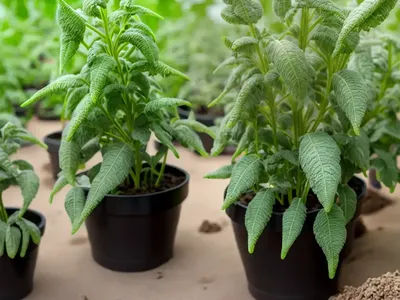
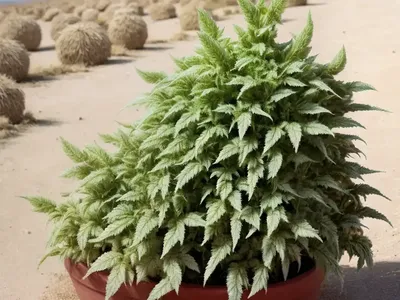
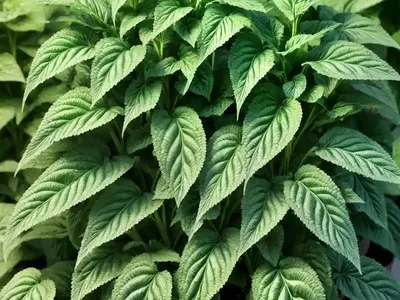
Fat-hen (Chenopodium Album)
Plants have been an integral part of human civilization for centuries, providing us with food, medicine, and materials for various uses. Among the diverse.
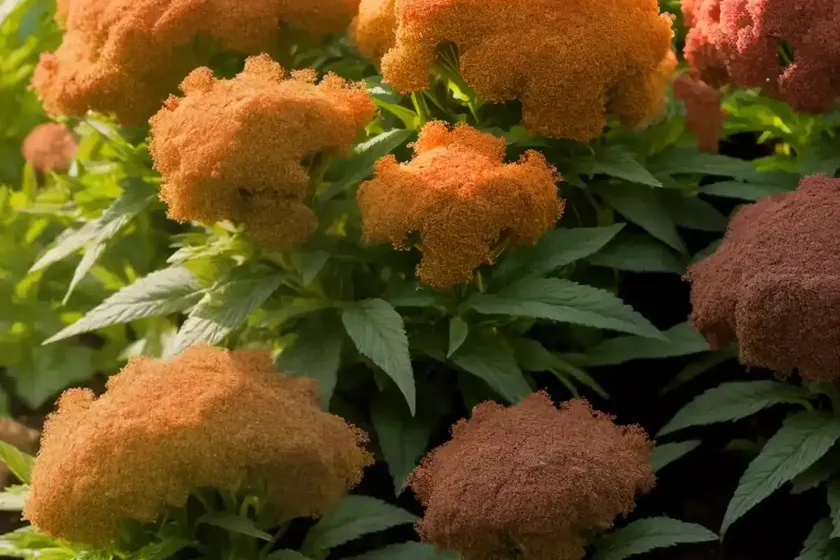
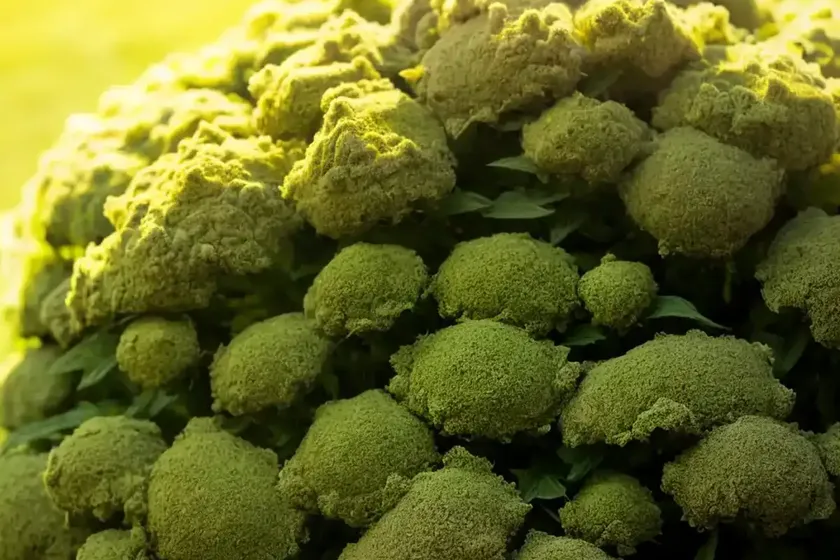
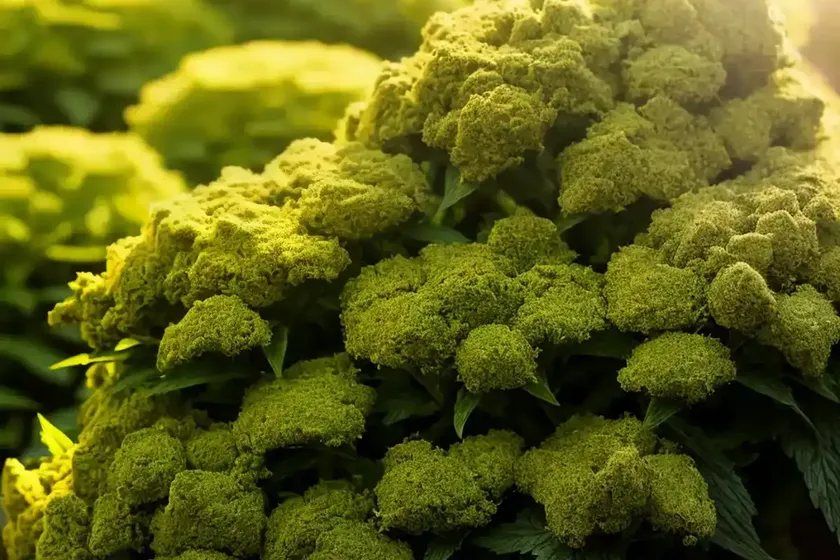
Plants have been an integral part of human civilization for centuries, providing us with food, medicine, and materials for various uses. Among the diverse array of plants found around the world, Fat-hen (Chenopodium Album) holds a special place due to its cultural significance, traditional uses, and ecological importance. In this comprehensive guide, we will delve into the intricacies of the Fat-hen plant, exploring its characteristics, traditional uses, cultivation practices, and much more.
What is Fat-hen (Chenopodium Album)?
Fat-hen (Chenopodium Album), also known as lamb’s quarters, white goosefoot, or pigweed, is a herbaceous plant belonging to the Amaranthaceae family. This annual broadleaf plant has a rich historical and cultural background, with a wide range of traditional uses attributed to it. Fat-hen is native to Europe and has spread to various parts of the world, thriving in different climates and soil conditions.
Key Takeaways – Fat-hen (Chenopodium Album)
Before we delve deeper into the intricacies of cultivating and understanding Fat-hen, let’s take a glance at the key takeaways related to this remarkable plant:
- Botanical Name: Chenopodium Album
- Common Names: Fat-hen, lamb’s quarters, white goosefoot, pigweed
- Family: Amaranthaceae
- Habit: Annual herbaceous plant
- Cultural Significance: Rich folklore, traditional uses, and symbolism
- Ecological Role: Diverse wildlife interactions and adaptability
- Cultivation Focus: Nutrient content, culinary uses, and sustainable practices
Now, let’s explore the cultural, culinary, and ecological dimensions of Fat-hen in detail.
Culture
Folklore and Legends
Fat-hen has been woven into the tapestry of human culture and folklore for centuries. In various cultures, it has been associated with both positive and negative symbolism. For instance, in European folklore, it was believed that Fat-hen could provide protection from evil spirits when hung around the home. Conversely, in some traditions, it was considered an ill omen if the plant grew abundantly near a dwelling.
These contrasting beliefs and associations highlight the rich cultural significance of Fat-hen and its ability to evoke different interpretations across diverse societies.
Historical Significance
In addition to its folklore, Fat-hen has played a significant role in historical contexts. It has been used as a food source and medicine by numerous civilizations throughout history, showcasing its enduring relevance and adaptability.
Understanding the historical significance of Fat-hen provides valuable insights into how this plant has been cherished and utilized through the ages.
Uses
Traditional Culinary Uses
One of the most intriguing aspects of Fat-hen is its culinary versatility. The leaves of the plant are edible and have been traditionally used in various dishes worldwide. From being incorporated into soups and stews to being utilized as a nutritious addition to salads, Fat-hen leaves have served as a valuable source of sustenance in different culinary traditions.
Medicinal Properties
Apart from its culinary uses, Fat-hen has also been recognized for its medicinal properties. In traditional herbal medicine, the plant has been utilized for its diuretic, antirheumatic, and fever-reducing properties. Understanding the medicinal potential of Fat-hen provides a holistic view of its relevance in traditional healing practices.
Wildlife Interactions
Beyond its significance to humans, Fat-hen also holds ecological importance due to its interactions with wildlife. The plant serves as a valuable food source for various species, including birds and small mammals. Its ability to support diverse wildlife underscores its ecological value in different ecosystems.
Cultivation
Water
When it comes to cultivating Fat-hen, understanding its water needs is essential for successful growth. The plant thrives in moist, well-drained soil, making regular watering important, especially during dry periods. However, it is crucial to avoid waterlogging, as excessive moisture can harm the plant.
Sunlight
Fat-hen typically thrives in areas with ample sunlight. It is well-suited to both full sun and partial shade, providing flexibility in terms of cultivation locations.
Fertilizer
The plant is relatively adaptable to soil conditions, but it benefits from the presence of fertile soil. Adding organic matter such as compost can enhance the nutrient content of the soil, promoting healthy growth and vigor in Fat-hen.
Soil
In terms of soil type, Fat-hen shows resilience in various soil compositions, from sandy loam to clay soil. Optimal soil pH ranges between 6.5 and 7.5 for robust growth and development.
Pruning
Pruning is generally not required for Fat-hen, as it is an annual plant that completes its lifecycle within a year. However, removing any diseased or damaged parts can help maintain the overall health of the plant.
Propagation
Fat-hen can be propagated from seeds, making it relatively straightforward to establish in a garden or outdoor space. Sowing the seeds directly into the soil after the last frost date in spring is an effective method for propagation.
Container Popularity
Given its adaptability, Fat-hen can also thrive in container gardens, making it a popular choice for urban and limited-space gardening. Its ability to flourish in containers further expands its cultivation potential, allowing a wider audience to engage with the plant.
Container Common Diseases
While Fat-hen is relatively resilient, it is susceptible to certain diseases that can affect its growth and vitality in container settings. Common diseases such as powdery mildew and leaf spot may impact the plant if not managed effectively.
Disease Diagnosis
Monitoring the plant for signs of diseases such as discoloration, wilting, or unusual spots can aid in early diagnosis and prompt treatment, enhancing its chances of overcoming potential ailments.
Common Pests
Fat-hen may also encounter pests such as aphids and caterpillars, which can pose a threat to its foliage and overall health. Implementing pest control measures, including natural predators or targeted interventions, can help mitigate pest-related issues.
Botanist’s Tips
As a plant scientist, I recommend regularly inspecting Fat-hen for any signs of distress, ensuring appropriate watering and soil management, and providing adequate sunlight to support its growth. Additionally, maintaining proper air circulation around the plant can aid in preventing common diseases from taking hold.
Fun Facts
As we continue our exploration of Fat-hen, here are some intriguing fun facts about this versatile plant:
- The leaves of Fat-hen are rich in nutrients, including vitamins A and C, calcium, and iron, making them a valuable addition to the diet.
- Various cultures have incorporated Fat-hen into traditional recipes, showcasing its adaptability as a culinary ingredient.
- Fat-hen has demonstrated resilience as an invasive species in certain regions, underlining its ability to thrive in diverse environments.
Links to External Resources
For further information on the cultivation, traditional uses, and ecological significance of Fat-hen, the following resources provide valuable insights:
- Chenopodium Album – Traditional Uses and Medicinal Properties
- Culinary Uses of Fat-hen in Different Cultural Cuisines
- Wildlife Interactions with Chenopodium Album
In conclusion, Fat-hen (Chenopodium Album) encapsulates a rich tapestry of cultural, culinary, and ecological significance. From its traditional uses to its adaptability as a culinary ingredient, the plant holds immense potential for enthusiasts, researchers, and conservationists alike. Understanding and cultivating Fat-hen opens doors to diverse opportunities, from sustainable practices to exploring its historical and cultural relevance in the modern world.
Through this guide, we have highlighted the multifaceted nature of Fat-hen, aiming to inspire a deeper appreciation for this remarkable plant and its enduring presence in the natural world.
Remember, embracing the allure of plants like Fat-hen not only enriches our understanding of nature but also fosters a deeper connection with the diverse botanical world around us.
Happy Cultivating and Exploring the World of Fat-hen!