Quinoa (Chenopodium Quinoa)
Quinoa, scientifically known as Chenopodium quinoa, is a flowering plant in the amaranth family. It is primarily cultivated for its edible seeds, which are.
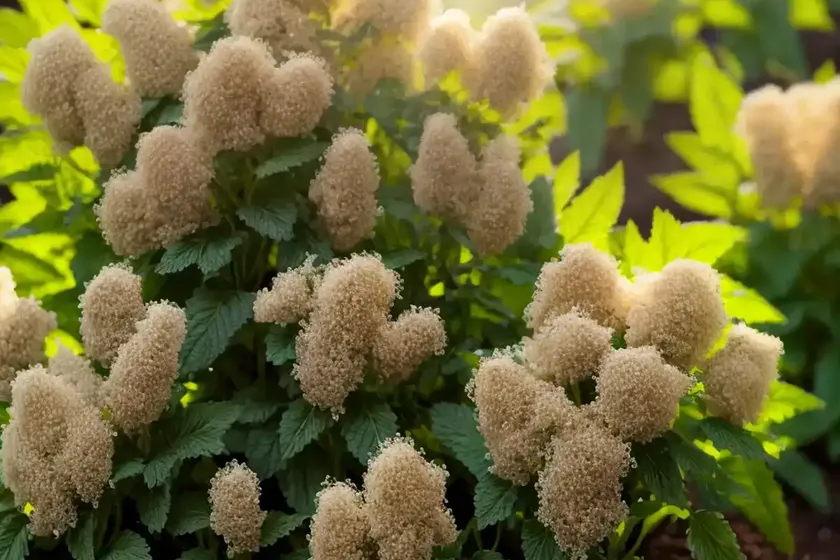
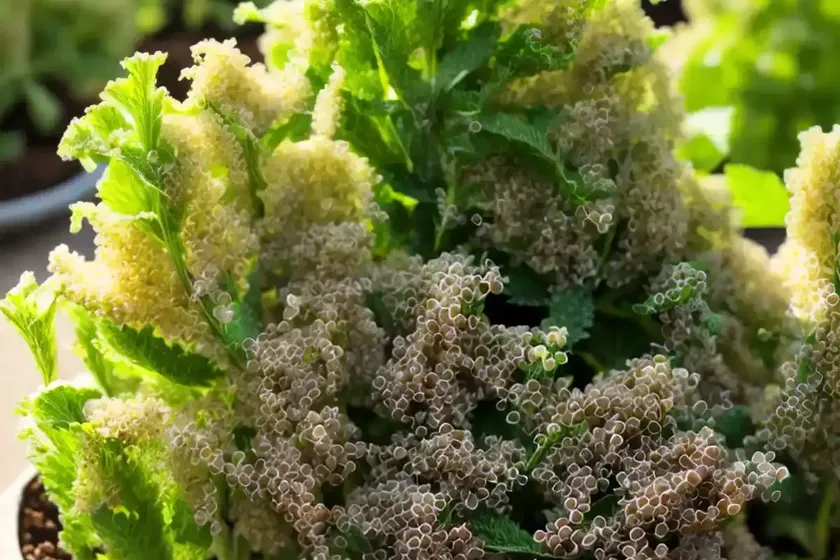
What is Quinoa (Chenopodium quinoa)?
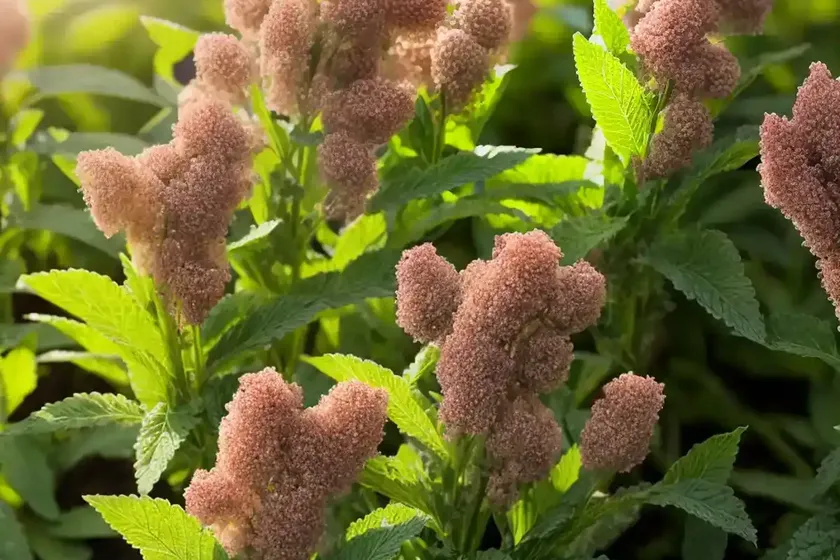
Quinoa, scientifically known as Chenopodium quinoa, is a flowering plant in the amaranth family. It is primarily cultivated for its edible seeds, which are rich in protein, dietary fiber, B vitamins, and dietary minerals.
Quinoa is native to the Andean region of South America, where it has been cultivated for thousands of years. It has gained widespread popularity due to its exceptional nutritional profile and adaptability to various environmental conditions.
Key Takeaways
- Quinoa Nutrition: Quinoa is a highly nutritious pseudo-cereal, characterized by its high protein, fiber, and mineral content.
- Chenopodium quinoa Benefits: It provides essential nutrients, is gluten-free, and offers numerous health benefits.
- Quinoa Plant Facts: Quinoa is botanically related to spinach and beets, and its seeds come in a variety of colors.
- Health Benefits of Quinoa: Due to its nutritional richness, it promotes heart health, aids in weight loss, and supports overall well-being.
Culture
Cultivating quinoa requires an understanding of its environmental and nutritional requirements. Let’s delve into the key factors that contribute to successful quinoa cultivation.
Uses
Quinoa has a myriad of uses, primarily centered around its edible seeds. It is utilized in diverse culinary applications, ranging from salads and main dishes to baked goods and beverages. Additionally, quinoa is valuable as animal feed and serves as a green manure in agricultural systems.
Water
Quinoa is known for its adaptability to different water regimes. It can thrive in arid and semi-arid regions, requiring minimal water for cultivation. However, adequate irrigation is crucial during its early growth stages.
Sunlight
Quinoa is a versatile crop that can thrive in various light conditions. However, it generally prefers full sun exposure for optimal growth and seed production.
Fertilizer
Sufficient soil fertility is essential for robust quinoa growth. It responds well to organic matter and balanced fertilization. Incorporating compost or well-decomposed manure can enhance soil fertility and support healthy quinoa growth.
Soil
Quinoa exhibits adaptability to different soil types, including sandy, loamy, and alkaline soils. Well-drained soils with good aeration are crucial for preventing waterlogging and supporting healthy root development.
Pruning
While quinoa generally does not require extensive pruning, removing dead or damaged plant parts can promote overall plant health and productivity.
Propagation
Quinoa is primarily propagated through its seeds. Selecting high-quality seeds and ensuring proper seed planting depth can contribute to successful propagation.
Container Popularity
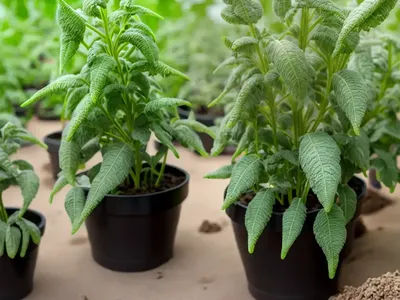
Quinoa is increasingly being grown in containers, especially in urban and small-scale agricultural settings. Its adaptability to container cultivation makes it a favorable choice for home gardeners and urban farmers.
Container Common Diseases
Pests and diseases can affect quinoa when grown in containers. Common issues include aphids, powdery mildew, and damping-off disease. Employing proper sanitation and utilizing disease-resistant varieties can mitigate these challenges.
Disease Diagnosis
Monitoring quinoa plants for symptoms of common diseases, such as leaf spots, blights, and wilts, is essential for timely diagnosis and effective disease management.
Common Pests
Quinoa is susceptible to a range of pests, including aphids, caterpillars, and flea beetles. Implementing integrated pest management strategies and employing natural enemies can help control pest infestations.
Botanist’s Tips
- Select suitable quinoa varieties based on your local climate and soil conditions.
- Employ crop rotation practices to minimize disease pressure and maintain soil health.
- Incorporate cover crops to improve soil structure and fertility in quinoa cultivation areas.
Fun Facts
Let’s explore some fascinating facts about quinoa:
- Quinoa is not a true cereal grain but is classified as a pseudo-cereal due to its nutritional profile and culinary uses.
- It is closely related to species such as beets, chard, and spinach, belonging to the Amaranthaceae family.
- Quinoa seeds come in various colors, including red, white, black, and yellow, each offering subtle flavor differences.
- The United Nations has designated 2013 as the “International Year of Quinoa” in recognition of its nutritional value and potential to contribute to food security.
Links to External Resources
For more information on quinoa cultivation, nutritional value, and culinary uses, consider exploring the following resources:
In conclusion, quinoa (Chenopodium quinoa) stands as a versatile and highly nutritious crop with significant cultural, culinary, and agricultural significance. Understanding the intricacies of quinoa cultivation and utilization can broaden our appreciation for this remarkable plant.
Would you like to explore more topics related to quinoa cultivation, nutritional aspects, or culinary applications? Let me know if there are specific areas you’d like to delve deeper into!