Tree Of Love (Aichryson Laxum)
In the world of indoor gardening, the Tree of Love, scientifically known as Aichryson Laxum, has been capturing the hearts of plant enthusiasts with its.
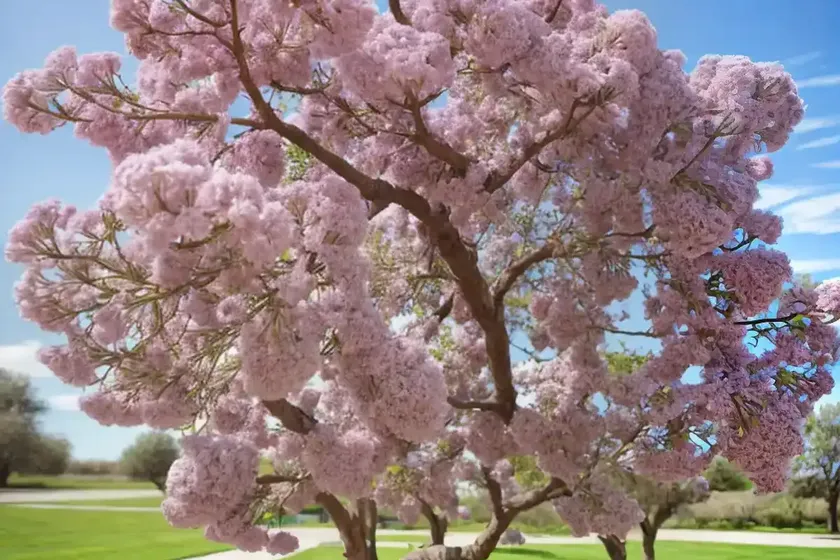
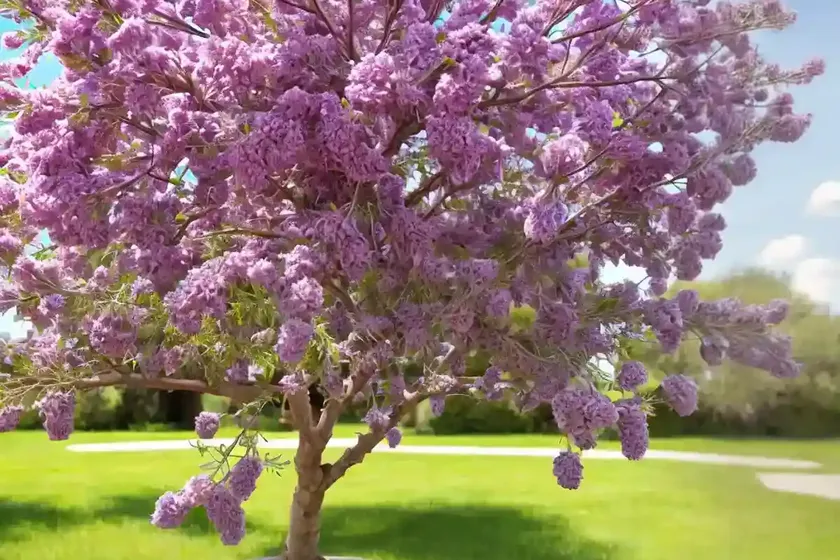
In the world of indoor gardening, the Tree of Love, scientifically known as Aichryson Laxum, has been capturing the hearts of plant enthusiasts with its alluring charm and low maintenance requirements. This plant’s unique characteristics, captivating appearance, and ease of care have made it a popular choice for both experienced and novice plant parents.
Throughout this comprehensive guide, we will explore the captivating aspects of the Tree of Love (Aichryson Laxum) and delve into its culture, uses, care requirements, common diseases, pests, propagation, container gardening, and much more. Whether you’re an avid plant lover or a novice gardener, this guide will equip you with the knowledge and insights to nurture and appreciate this delightful botanical wonder.
So, let’s embark on an enchanting journey as we unravel the mysteries and beauty of the Tree of Love.
What is Tree Of Love (Aichryson Laxum)?
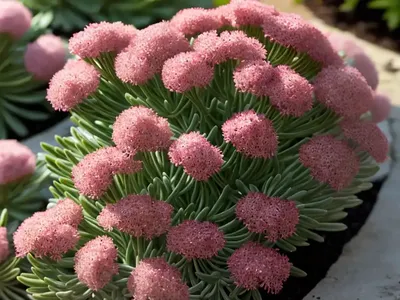
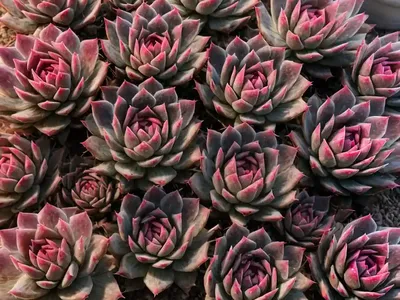
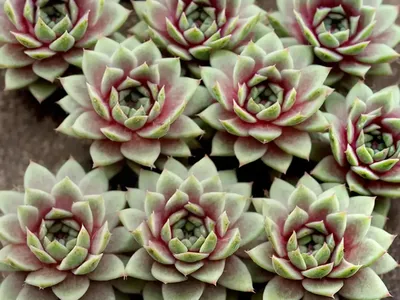
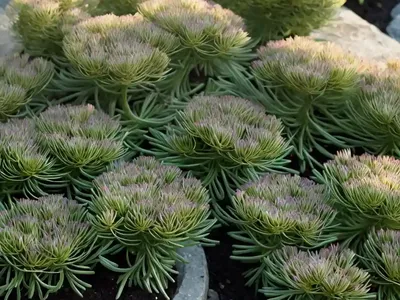
The Tree of Love, or Aichryson Laxum, is a delightful succulent plant that belongs to the family of Crassulaceae. This charming botanical specimen is native to the Canary Islands, where it thrives in the favorable climate and rocky terrains. Aichryson Laxum is renowned for its robust and compact structure, adorned with luscious green foliage that exudes elegance and grace.
Its unique growth pattern, which forms a tree-like structure, has earned it the endearing nickname “Tree of Love.” The plant’s scientific name, Aichryson Laxum, is derived from the Greek word “aichryson,” meaning “evergreen.”
The Tree of Love (Aichryson Laxum) is esteemed for its ornamental value and is often cultivated as an indoor plant to add a touch of natural beauty to homes, offices, and indoor spaces. Due to its fascinating appearance and undemanding nature, it has garnered a devoted following among plant enthusiasts seeking an effortlessly captivating addition to their indoor garden.
Now, let’s delve deeper into the fascinating aspects of the Tree of Love (Aichryson Laxum), from its cultural significance to its care requirements, propagation methods, common diseases, and much more.
Key Takeaways – Tree Of Love (Aichryson Laxum)
- Scientific Name: Aichryson Laxum
- Common Name: Tree of Love
- Family: Crassulaceae
- Native Habitat: Canary Islands
- Growth Pattern: Compact, tree-like structure
- Foliage: Luscious green, evergreen leaves
- Ornamental Value: Highly prized for its aesthetic appeal
With these fundamental insights into the Tree of Love (Aichryson Laxum), let’s proceed to explore the various facets of this captivating plant, encompassing its culture, care needs, propagation methods, and much more.
Culture
Understanding the cultural context of the Tree of Love (Aichryson Laxum) is essential to unlock its full potential as an indoor plant. Delving into its cultural origins, symbolism, and uses will provide a deeper appreciation for this enchanting botanical treasure.
Uses
The Tree of Love (Aichryson Laxum) serves as a multifaceted botanical gem, offering both aesthetic and symbolic significance. Its primary uses and roles include:
-
Ornamental Plant: Aichryson Laxum is primarily cultivated as an ornamental plant, adorning indoor spaces with its graceful foliage and unique tree-like structure. Its visual appeal and elegant presence make it a sought-after addition to interior décor.
-
Symbolic Significance: In the language of flowers and plants, the Tree of Love (Aichryson Laxum) symbolizes enduring love, resilience, and the beauty of nature. Its symbolic connotations make it a popular choice for gifting on occasions that celebrate love and admiration.
-
Therapeutic Qualities: Some enthusiasts appreciate Aichryson Laxum for its potential therapeutic properties, such as air purification and stress reduction. The presence of indoor plants, including the Tree of Love, can contribute to a calming and rejuvenating ambience within living spaces.
-
Educational Purposes: Aichryson Laxum also serves as an educational and botanical interest, offering valuable insights into succulent plant physiology, growth patterns, and care requirements.
By understanding the diverse uses and roles of the Tree of Love (Aichryson Laxum), one can enrich their experience of cultivating and nurturing this captivating plant.
Water
Sufficient and strategic watering is crucial for the health and vitality of the Tree of Love (Aichryson Laxum). As a succulent plant, it possesses unique water requirements that necessitate mindful care and attention.
Key Considerations for Watering Aichryson Laxum:
– Moderation is Key: Aichryson Laxum thrives in well-draining soil and requires moderate watering. Overwatering can lead to root rot and other complications, so it’s essential to allow the soil to partially dry out between watering sessions.
-
Seasonal Adjustments: Tailoring the watering frequency based on seasonal changes is vital. During the active growth phase, typically in the spring and summer, the plant may require slightly more frequent watering. In contrast, reduced watering is recommended during the dormant phase in the fall and winter.
-
Observation and Adjustments: Monitoring the plant’s response to watering practices is crucial. Signs of overwatering, such as wilting, yellowing leaves, or soggy soil, should prompt adjustments to the watering regimen.
By attentively managing the watering needs of the Tree of Love (Aichryson Laxum), plant enthusiasts can foster an environment conducive to its flourishing growth and well-being.
Sunlight
Proper sunlight exposure is pivotal for the Tree of Love (Aichryson Laxum) to thrive and exhibit its full splendor. Understanding its sunlight requirements and providing suitable exposure will promote robust growth and vibrant foliage.
Key Considerations for Sunlight Exposure:
– Indirect Bright Light: Aichryson Laxum thrives in locations with indirect bright light. Placing it near a south- or west-facing window where it can receive ample sunlight without direct exposure to intense midday sun is beneficial.
-
Seasonal Adjustments: Adapting the plant’s sunlight exposure based on seasonal variations is essential. During the winter months, when sunlight intensity diminishes, relocating the plant to a spot with enhanced illumination can sustain its health and vitality.
-
Observation and Positioning: Regularly observing the plant’s response to sunlight exposure and adjusting its positioning accordingly is crucial. Sunlight requirements may vary based on individual plant conditions, so flexibility in placement is advantageous.
By attentively addressing the sunlight needs of the Tree of Love (Aichryson Laxum), plant enthusiasts can ensure that it basks in the ideal luminous environment for thriving growth and captivating foliage.
Fertilizer
Strategic fertilization empowers the Tree of Love (Aichryson Laxum) to access essential nutrients vital for its development and resilience. When administered thoughtfully, fertilizers can complement the plant’s inherent strengths and contribute to its overall well-being.
Key Considerations for Fertilizing Aichryson Laxum:
– Balanced Formulation: Selecting a balanced, liquid fertilizer specifically formulated for succulent plants is advisable. Diluting the fertilizer to half or one-quarter of the recommended strength can prevent excessive nutrient concentration.
-
Seasonal Application: Fertilizing Aichryson Laxum during the active growing season, typically from spring to early fall, aligns with its increased metabolic demands. Applying fertilizer sparingly or refraining from it during the plant’s dormant phase in the fall and winter is prudent.
-
Careful Application: Ensuring that the soil is moist before applying fertilizer and avoiding direct contact between the fertilizer and the plant’s foliage can minimize the risk of nutrient burn and potential adverse effects.
By incorporating mindful and strategic fertilization practices, plant enthusiasts can fortify the Tree of Love (Aichryson Laxum) with the essential nutrients necessary for its flourishing growth and enduring vitality.
Soil
The selection and composition of the soil play a pivotal role in providing the Tree of Love (Aichryson Laxum) with a conducive environment for root development, moisture regulation, and nutrient access. Understanding the plant’s soil requirements and tailoring the medium to meet its unique needs is fundamental to fostering optimal growth and overall health.
Key Considerations for Soil Selection:
– Well-Draining Medium: Aichryson Laxum thrives in well-draining soil that prevents waterlogging and facilitates air circulation around the roots. A specialized succulent or cactus potting mix, enriched with perlite or coarse sand, can provide the ideal soil structure for the plant.
-
Aeration and Texture: Balancing soil aeration and texture is essential. A lightweight, porous soil composition promotes root health and regulates moisture, contributing to the plant’s overall well-being.
-
Nutrient Retention: While the soil should be well-draining, it should also possess the capacity to retain essential nutrients for the plant’s benefit. Incorporating a balanced blend of organic matter and mineral components can create an optimal environment for root development and nutrient uptake.
By conscientiously selecting and preparing the soil for the Tree of Love (Aichryson Laxum), plant enthusiasts can establish a nurturing foundation conducive to its flourishing growth and longevity.
Pruning
Pruning the Tree of Love (Aichryson Laxum) is an invaluable practice that contributes to the plant’s overall aesthetics, vitality, and structural integrity. Thoughtful pruning can promote branching, manage growth, and enhance the plant’s ornamental appeal.
Key Considerations for Pruning Aichryson Laxum:
– Removal of Dead or Damaged Parts: Regularly inspecting the plant for any dead or damaged foliage, stems, or branches and promptly removing them supports the plant’s health and prevents potential issues.
-
Branching and Shaping: Encouraging branching and shaping the plant through strategic pruning can cultivate a more compact, balanced, and visually appealing aesthetic. Trimming leggy growth and redirecting the plant’s energy towards desired areas can contribute to its overall charm.
-
Sanitization: Using clean, sharp pruning tools and sanitizing them between cuts prevents the spread of diseases and ensures precision in the pruning process.
By embracing the art of pruning and applying it judiciously, plant enthusiasts can refine the Tree of Love (Aichryson Laxum)’s shape, vitality, and visual allure, fostering a captivating botanical spectacle within their indoor space.
Propagation
The propagation of the Tree of Love (Aichryson Laxum) offers plant enthusiasts the opportunity to expand their plant collection and share the beauty of this captivating species with others. Exploring the propagation methods tailored to Aichryson Laxum equips enthusiasts with the knowledge to effectively propagate and nurture new generations of these delightful plants.
Common Propagation Methods:
-
Leaf Cuttings: Propagating Aichryson Laxum from leaf cuttings entails carefully detaching healthy leaves from the parent plant and allowing them to callous before placing them on well-draining soil to root.
-
Stem Cuttings: Selecting healthy stem segments and encouraging root development by placing them in a suitable rooting medium can facilitate successful propagation.
-
Offshoot Division: If the parent plant produces offshoots, delicately separating them from the main plant and transplanting them into individual containers enables their independent growth.
By familiarizing themselves with these propagation methods and embracing the art of nurturing new generations of Aichryson Laxum, plant enthusiasts can partake in the rewarding journey of botanical propagation and expansion.
Container Popularity
The Tree of Love (Aichryson Laxum) is renowned for its adaptability to container cultivation, making it an ideal candidate for indoor and container gardening. The plant’s popularity in container cultivation stems from its aesthetics, compact growth habit, and low maintenance needs, making it a cherished choice for plant enthusiasts seeking to adorn their interior spaces with natural beauty.
Common Reasons for Tree of Love’s Container Popularity:
-
Space Efficiency: Aichryson Laxum’s compact size and tree-like growth structure make it an excellent choice for small and medium-sized containers, enabling plant enthusiasts to incorporate it into diverse indoor settings.
-
Indoor Adaptability: The plant’s ability to thrive in indoor conditions, including regulated temperatures and moderate light exposure, enhances its appeal as an indoor container plant.
-
Decorative Elegance: The Tree of Love’s luscious green foliage and alluring presence adorn containers and interior spaces with visual elegance and natural charm, making it a favored choice for interior décor.
By leveraging its container popularity, plant enthusiasts can harness the captivating allure of the Tree of Love (Aichryson Laxum) to enrich their living spaces and partake in the joys of container gardening.
Common Diseases
Understanding the potential diseases that may afflict the Tree of Love (Aichryson Laxum) is crucial for proactive disease management and safeguarding the plant’s well-being. By familiarizing themselves with common diseases and their diagnostic signs, plant enthusiasts can implement timely interventions to protect their beloved Aichryson Laxum.
Disease Diagnosis and Management:
-
Root Rot: Excessive moisture and waterlogging can predispose Aichryson Laxum to root rot, evidenced by wilting, yellowing, and mushy roots. Mitigating root rot involves adjusting watering practices, improving soil drainage, and, if necessary, propagating healthy segments to save the plant.
-
Powdery Mildew: The presence of powdery white patches on the plant’s foliage indicates powdery mildew infestation. Remedying this condition involves enhancing air circulation, maintaining moderate humidity levels, and applying suitable fungicidal treatments.
-
Leaf Spot Diseases: If the plant exhibits dark, necrotic spots on its leaves, it may be afflicted by fungal or bacterial leaf spot diseases. Addressing this ailment involves removing affected foliage, maintaining optimal air circulation, and implementing preventive measures such as watering at the soil level to mitigate leaf wetness.
By familiarizing themselves with these common diseases and their management strategies, plant enthusiasts can fortify the Tree of Love (Aichryson Laxum) against potential afflictions, ensuring its enduring health and vitality.
Common Pests
Pest infestations pose a potential threat to the well-being of the Tree of Love (Aichryson Laxum). Familiarizing oneself with common pests that may target Aichryson Laxum and implementing tailored control measures are integral to preserving the plant’s splendor and resilience.
Common Pests and Pest Control Measures:
-
Spider Mites: Small, web-producing mites that thrive in dry, warm conditions can infest Aichryson Laxum. Mitigating spider mite infestations involves enhancing humidity, regularly rinsing the plant’s foliage, and, if necessary, applying targeted insecticidal treatments.
-
Mealybugs: These soft-bodied, cottony pests can colonize the plant’s foliage and stems, sapping its vitality. Addressing mealybug infestations entails physical removal by gently wiping the pests with a cotton swab dipped in alcohol and deploying natural or chemical controls as needed.
-
Scale Insects: Encrusted scale insects, identifiable by their immobile presence on the plant, can compromise Aichryson Laxum’s health. Combatting scale infestations involves mechanical removal and spot treatments with horticultural oils or insecticidal soaps to alleviate the pest burden.
By implementing vigilant pest monitoring and targeted control measures, plant enthusiasts can safeguard the Tree of Love (Aichryson Laxum) from potential pest-related threats, preserving its enchanting presence and robust vitality.
Botanist’s Tips
Drawing from the insights and wisdom of experienced botanists can provide invaluable guidance for nurturing and appreciating the botanical wonders, including the Tree of Love (Aichryson Laxum). Incorporating these expert tips into one’s plant care regimen can optimize the plant’s growth, resilience, and aesthetic appeal.
Botanist’s Tips for Aichryson Laxum Care:
-
Mindful Watering: Prioritize attentive, moderate watering tailored to the plant’s needs, exercising restraint to prevent overwatering and its adverse consequences.
-
Sunlight Optimization: Position the plant in an area with indirect bright light, ensuring that it receives ample illumination without direct exposure to intense sunlight, especially during peak hours.
-
Fertilization Strategy: Administer balanced, diluted fertilizers during the growing season, refraining from fertilization during the plant’s dormant phase to support its overall health and longevity.
-
Pest and Disease Vigilance: Regularly inspect the plant for signs of pests and diseases, intervening promptly with targeted interventions to mitigate potential threats and preserve the plant’s well-being.
By integrating these botanist-endorsed tips into their care practices, plant enthusiasts can enrich their experience of nurturing the Tree of Love (Aichryson Laxum) and cultivating a thriving, aesthetically captivating specimen.
Fun Facts
Unraveling the captivating and lesser-known aspects of the Tree of Love (Aichryson Laxum) can deepen one’s appreciation for this enchanting botanical marvel. Exploring fun and intriguing facts about Aichryson Laxum enriches the experience of cultivating and admiring this delightful plant.
Fascinating Fun Facts about Aichryson Laxum:
-
Endearing Moniker: The plant’s endearing nickname, “Tree of Love,” reflects its symbolic connotations and endearing appeal, transcending its botanical identity to evoke emotions of admiration and enduring affection.
-
Canary Island Origins: Aichryson Laxum’s origins in the Canary Islands underscore its adaptation to favorable climates and terrains, contributing to its resilience and adaptability as an indoor plant.
-
Succulent Adaptation: The succulent nature of Aichryson Laxum empowers it to store moisture in its leaves and stems, enhancing its ability to endure periods of drought and thrive in arid conditions.
-
Symbol of Endurance: The Tree of Love’s symbolism encompasses themes of resilience, enduring love, and the intrinsic beauty of nature, embodying a profound and evocative significance beyond its ornamental allure.
By immersing oneself in these fun facts and intriguing revelations about Aichryson Laxum, plant enthusiasts can cultivate a deeper connection with this captivating species and derive greater joy from nurturing it within their indoor spaces.
Links to External Resources
To further expand your knowledge and appreciation for the Tree of Love (Aichryson Laxum), I recommend exploring the following external resources:
- Gardening Know How – Aichryson Laxum Care Guide: Aichryson Laxum Care
- The Spruce – Tree of Love Plant Profile: Tree of Love Plant Profile
These external resources offer valuable insights, practical guidance, and expert perspectives on Aichryson Laxum care, propagation, and cultivation, enriching your journey of discovery with this enchanting botanical treasure.
In conclusion, the Tree of Love (Aichryson Lax