Cape Heath (Erica Gracilis)
Plants are an integral part of our world, providing us with oxygen, food, medicine, and aesthetic pleasure. One of the fascinating plants that deserves.
Plants are an integral part of our world, providing us with oxygen, food, medicine, and aesthetic pleasure. One of the fascinating plants that deserves attention is the Cape Heath (Erica Gracilis), a native plant that boasts not only beauty but also versatility. In this comprehensive guide, we will explore the various aspects of the Cape Heath plant, including its cultural requirements, uses, and tips for its care and maintenance. Whether you are a gardening enthusiast, a professional botanist, or simply someone interested in learning about plants, there’s something for everyone in this guide.
What is Cape Heath (Erica Gracilis)?
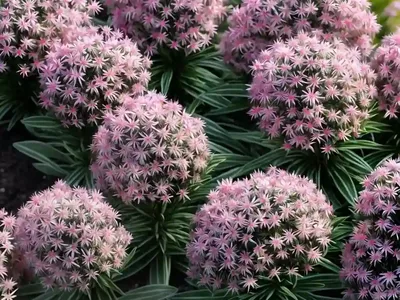
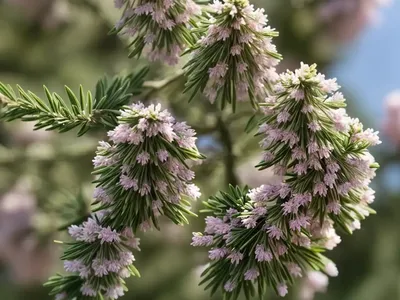
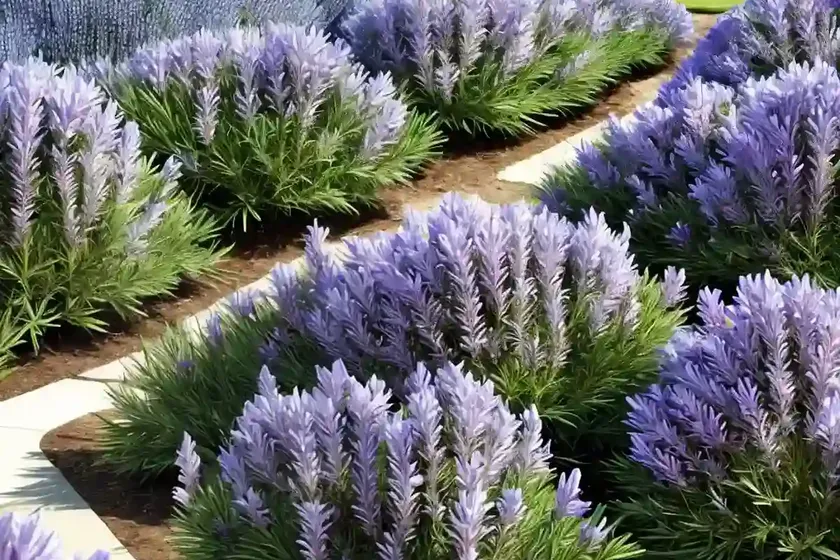
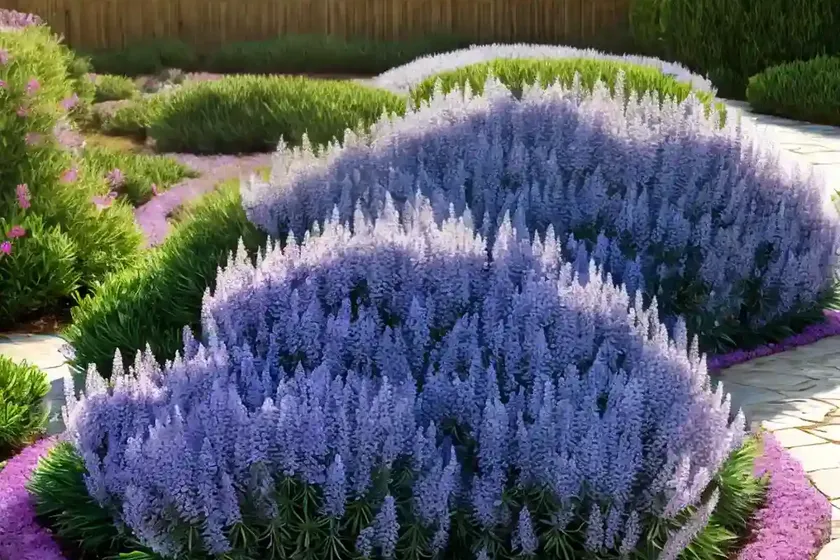
Cape Heath, scientifically known as Erica Gracilis, is an evergreen shrub that belongs to the Ericaceae family. This plant is native to the Western Cape of South Africa, where it thrives in its natural habitat characterized by acidic and sandy soils. Erica Gracilis is known for its delicate, tubular flowers that come in a variety of colors, including shades of pink, white, and purple. The plant’s slender and graceful appearance has earned it the common name “Cape Heath.”
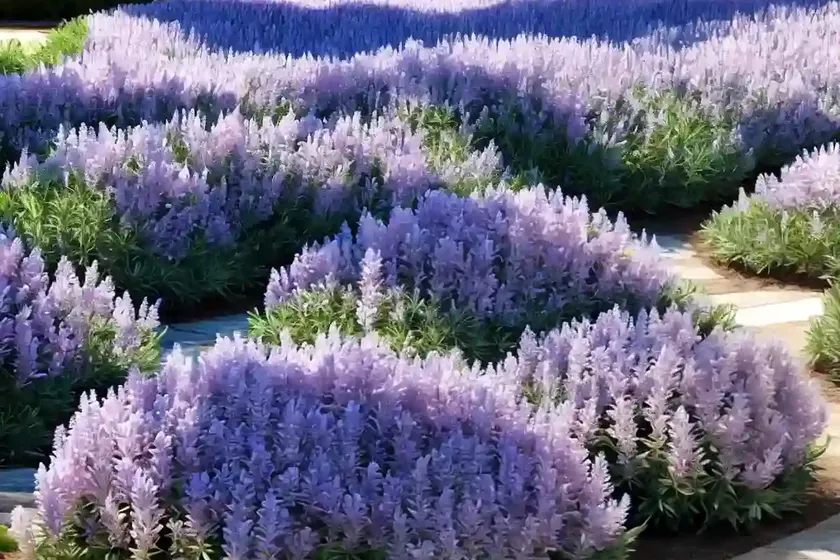
Cape Heath is widely recognized for its ornamental value and is commonly cultivated in gardens and landscapes, both in its native habitat and in various other regions around the world. Its adaptability, coupled with its aesthetic appeal, has made it a sought-after plant for landscaping and horticultural purposes.
Key Takeaways – Cape Heath (Erica Gracilis)
Before we delve into the specific aspects of cultivating and caring for Cape Heath, let’s go over some key takeaways about this remarkable plant:
- Scientific Name: Erica Gracilis
- Common Name: Cape Heath
- Family: Ericaceae
- Native Habitat: Western Cape of South Africa
- Characteristics: Evergreen shrub with delicate tubular flowers in various colors
- Uses: Ornamental plant for gardens, landscapes, and floral arrangements
- Cultural Requirements: Well-draining acidic soil, moderate water, full sunlight or partial shade
Now that we have a brief overview, let’s explore each aspect of the Cape Heath plant in more detail, starting with its cultural requirements.
Cultural Requirements
Every plant has specific cultural requirements that dictate its growth and development. Understanding these requirements is crucial to successfully cultivating and maintaining Cape Heath in a garden or landscape setting. The following factors play a significant role in the plant’s cultural needs:
Water
Cape Heath is a relatively low-maintenance plant when it comes to watering. However, it is essential to ensure that the soil is consistently moist but not waterlogged. During the plant’s active growing season, which typically spans from spring to early fall, regular watering is necessary to support healthy growth and flowering. In contrast, during the plant’s dormant period in winter, the watering frequency should be reduced to prevent waterlogging of the soil.
Sunlight
In its native habitat, Cape Heath thrives in full sunlight. However, the plant can also tolerate partial shade, making it suitable for a variety of garden and landscape settings. When grown in areas with intense sunlight, especially in warmer climates, providing some afternoon shade can be beneficial to prevent the plant from becoming stressed.
Soil
The soil requirements of Cape Heath are one of the most crucial factors for its successful cultivation. The plant prefers well-draining, acidic soil with a pH range of 5.0 to 6.0. Sandy or loamy soils are ideal for Cape Heath, as they provide excellent drainage and mimic the plant’s natural habitat in the Western Cape of South Africa.
Fertilizer
While Cape Heath is not heavy feeder, occasional fertilization can help promote healthy growth and blooming. A balanced, slow-release fertilizer formulated for acid-loving plants can be applied in spring as new growth begins. It is important not to overfertilize the plant, as this can lead to excessively lush foliage at the expense of flower production.
Pruning
Pruning is an essential aspect of Cape Heath maintenance, particularly for shaping the plant and promoting abundant flowering. Pruning should be carried out after the plant has finished flowering, typically in late spring or early summer. The removal of spent flower heads and light shaping of the plant can help maintain its compact, attractive form.
Propagation
Cape Heath can be propagated by various methods, including:
- Softwood Cuttings: Taking softwood cuttings in late spring and early summer, and rooting them in a well-draining propagation medium, such as sand and peat moss.
- Seed Propagation: Sowing seeds in a well-draining seed-starting mix, and providing the necessary warmth and moisture for germination.
Both methods can be successful, but softwood cuttings are generally preferred for ensuring the propagation of superior genetic traits and faster establishment of new plants.
Container Popularity
Cape Heath is well-suited for container gardening, making it an excellent choice for individuals with limited outdoor space or those looking to add a touch of elegance to their patios, decks, or balconies. The plant’s adaptability to container cultivation opens up opportunities for creating stunning floral arrangements and providing mobility for optimizing sunlight exposure.
Common Diseases
As with any plant, Cape Heath is susceptible to certain diseases, but proper care and preventive measures can help mitigate these risks. Some common diseases that may affect Cape Heath include:
- Powdery Mildew: This fungal disease can appear as a powdery white coating on the leaves, typically in conditions of high humidity and poor air circulation.
- Root Rot: Overwatering and poorly draining soil can lead to root rot, causing the plant to wilt and exhibit signs of stress.
By ensuring proper cultural practices and monitoring the plant’s health, the risk of disease can be minimized.
Disease Diagnosis
Diagnosing potential diseases in Cape Heath involves careful observation of the plant’s symptoms and conducting necessary tests to confirm the presence of pathogens. Here are some steps for diagnosing diseases in Cape Heath:
- Symptom Observation: Look for visible signs of disease, such as powdery mildew on the foliage or unusual discoloration.
- Soil Examination: Check the soil moisture and drainage conditions to identify any issues related to overwatering and root rot.
- Leaf Sample Analysis: If necessary, collect a sample of affected leaves for laboratory analysis to identify specific pathogens.
Once the disease is accurately diagnosed, appropriate treatment measures, such as fungicidal sprays or adjusting watering practices, can be implemented.
Common Pests
Cape Heath may also attract certain pests that can potentially damage the plant if not managed effectively. Some common pests that may affect Cape Heath include:
- Spider Mites: These tiny arachnids suck sap from the leaves, causing stippling and weakening the plant.
- Aphids: These small insects can cluster on tender new growth, causing distortion of the leaves and excreting honeydew, which can lead to the growth of sooty mold.
Prompt action, such as the application of insecticidal soaps or horticultural oils, can help control pest infestations and protect the plant from damage.
Botanist’s Tips
For those who are passionate about botany and horticulture, here are some expert tips and recommendations for cultivating and caring for Cape Heath:
- Selecting Cultivars: Consider exploring different cultivars of Erica Gracilis to introduce a range of flower colors and growth habits into your landscape.
- Mulching: Applying a layer of mulch around Cape Heath can help maintain soil moisture and regulate temperature, contributing to overall plant health.
- Companion Planting: Pairing Cape Heath with other acid-loving plants, such as Azaleas and Rhododendrons, can create visually appealing and harmonious garden compositions.
- Winter Protection: In regions with colder winters, provide adequate protection for Cape Heath by covering it with frost cloth or moving potted plants to sheltered locations during extreme cold spells.
Fun Facts
Let’s explore some interesting and lesser-known aspects of Cape Heath:
- Despite its delicate appearance, Cape Heath is surprisingly resilient and can withstand challenging growing conditions when provided with adequate care.
- The tubular flowers of Erica Gracilis are a source of nectar, attracting pollinators such as bees and butterflies, making it a valuable plant for supporting local ecosystems.
- In its native habitat, Cape Heath is often found growing in nutrient-poor soils, showcasing its adaptability to less fertile conditions.
Links to External Resources
For further information and resources on Cape Heath (Erica Gracilis), refer to the following links:
- Cape Heath Plant Care Guide
- Erica Gracilis Cultivation and Propagation
- Cape Heath Landscaping Ideas
- Cape Heath Uses in Floral Arrangements
Cape Heath (Erica Gracilis) exemplifies the beauty and adaptability of plants that have captured our fascination for centuries. Whether you are drawn to its graceful appearance, attracted by its ecological importance, or inspired to incorporate it into your garden or landscape, the Cape Heath plant offers a wealth of opportunities for exploration and enjoyment. By understanding and implementing the cultural requirements, uses, and care tips outlined in this guide, you can embark on a rewarding journey of nurturing and showcasing the splendor of Cape Heath in your outdoor spaces. As you continue to discover the wonders of this remarkable plant, may it inspire a deeper appreciation for the diversity and resilience of the natural world around us.