Traveller’s Tree (Ravenala Madagascariensis)
Madagascar, an island nation off the southeastern coast of Africa, is renowned for its unique and diverse botanical treasures. Among these outstanding.
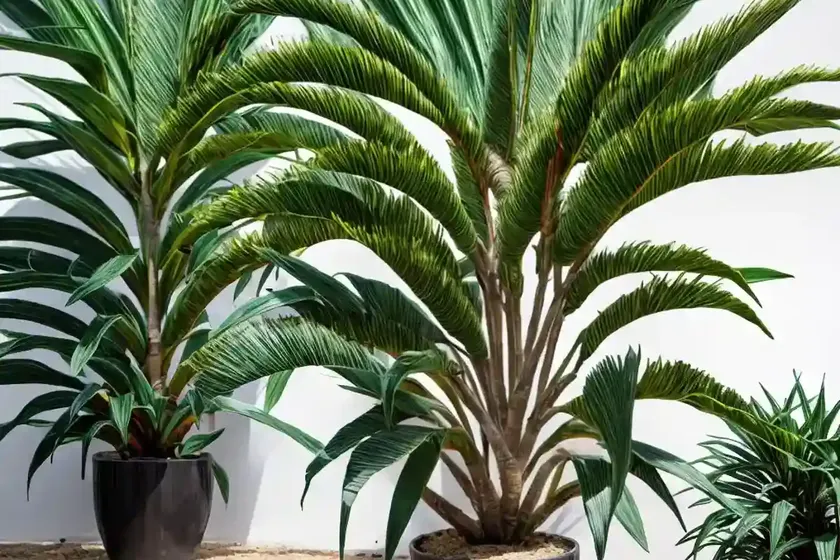
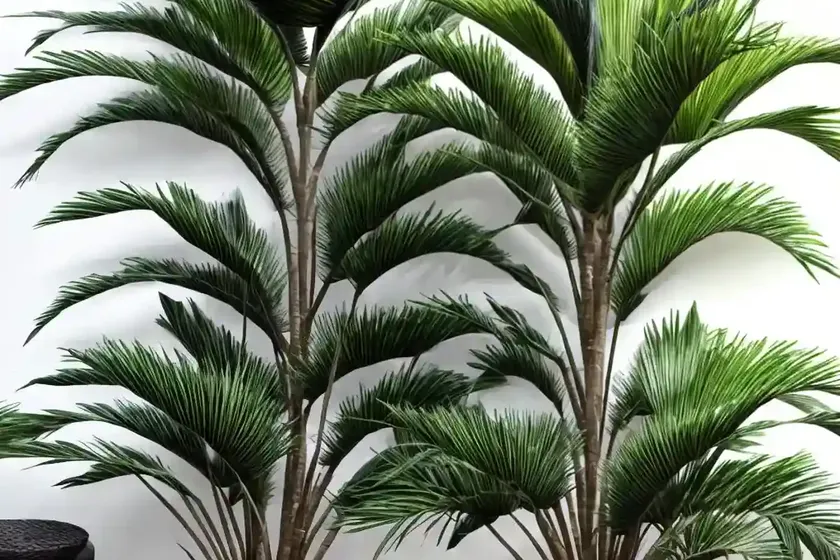
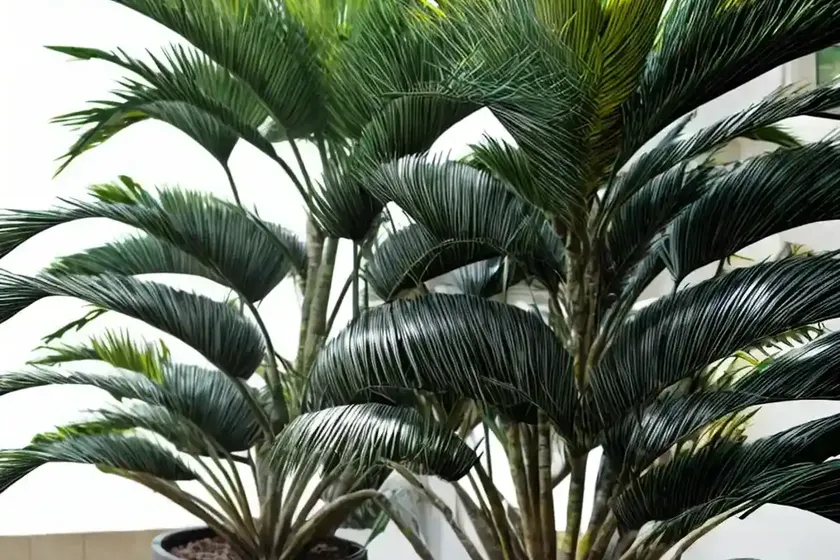
Madagascar, an island nation off the southeastern coast of Africa, is renowned for its unique and diverse botanical treasures. Among these outstanding botanical wonders is the iconic traveller’s tree, scientifically known as Ravenala madagascariensis. Despite its name, the traveller’s tree is not a true palm but rather a member of the Strelitziaceae family, closely related to the bird of paradise plant. With its striking appearance and remarkable cultural and ecological significance, the traveller’s tree has captured the fascination of plant enthusiasts, horticulturists, and nature lovers worldwide.
In this comprehensive guide, we will delve into the captivating realm of the traveller’s tree, exploring its cultural significance, uses, growth requirements, propagation methods, and maintenance practices. We will also uncover the common diseases and pests that affect this extraordinary plant, while providing valuable insights from botanists, intriguing facts, and tips for nurturing this botanical marvel. Whether you are a seasoned gardener, an avid traveler, or simply an admirer of exotic flora, embark on this botanical journey with us as we unravel the mystery and allure of Ravenala madagascariensis.
Key Takeaways – Traveller’s Tree (Ravenala madagascariensis)
Before we embark on an in-depth exploration of the traveller’s tree, let’s highlight some key takeaways that will guide our understanding and appreciation of this remarkable plant:
- The traveller’s tree, Ravenala madagascariensis, is a distinctive plant species native to Madagascar, characterized by its towering stature, banana-like leaves, and unique growth habit.
- Despite the name “traveller’s tree,” this plant is not a true palm. It is more closely related to the bird of paradise plant and belongs to the Strelitziaceae family.
- In Madagascar, the traveller’s tree holds significant cultural and practical value, serving as a source of water for thirsty travelers and a versatile resource for various traditional uses.
- When cultivating the traveller’s tree, it requires adequate sunlight, well-draining soil, regular watering, and balanced fertilizer applications to thrive and display its signature lush foliage.
- Propagation of Ravenala madagascariensis can be achieved through division or seeds, offering enthusiasts the opportunity to expand their collection of this captivating plant.
- While generally low-maintenance, the traveller’s tree may be susceptible to certain diseases and pests, emphasizing the importance of proactive care and monitoring.
As we unravel the many facets of the traveller’s tree, these key takeaways will serve as anchor points, enhancing our understanding of this botanical treasure.
What is the Plant: Traveller’s Tree (Ravenala madagascariensis)?
Description and Characteristics
The traveller’s tree, scientifically referred to as Ravenala madagascariensis, is a striking and iconic plant species that draws attention with its bold foliage, architectural form, and intriguing growth habit. While often mistaken for a palm due to its palm-like leaves and tropical appearance, the traveller’s tree belongs to the Strelitziaceae family, a distinctive botanical lineage that includes plants like the bird of paradise.
Plant Name and Origins
The name “traveller’s tree” is derived from the way that water accumulates at the base of its leaf stalks, providing a vital source of hydration for travelers in Madagascar, especially in the arid regions of the island. Additionally, the plant’s stems were used to hold rainwater, providing a crucial survival resource for those journeying through the remote landscapes of Madagascar.
The species name “madagascariensis” is a direct reference to the plant’s native habitat—the island of Madagascar. Endemic to this biodiverse island, the traveller’s tree is a symbol of the unique flora and ecological richness of this region.
Morphological Features
The traveller’s tree is instantly recognizable by its towering growth habit, sculptural form, and fan-shaped foliage. Let’s delve into some of its defining characteristics:
-
Stature: Ravenala madagascariensis is renowned for its impressive height, often reaching 30 to 40 feet (9 to 12 meters) in its native habitat. In the wild, the traveller’s tree can tower even higher, creating a commanding presence in the landscape.
-
Leaves: The most distinctive feature of the traveller’s tree is its large, banana-like leaves that are arranged in a fan-shaped manner, creating a symmetrical and tropical appearance. The leaves are typically 7 to 10 feet (2 to 3 meters) long, adding to the plant’s dramatic visual appeal.
-
Trunk: The trunk of Ravenala madagascariensis is composed of overlapping leaf bases, giving it a unique appearance that is often likened to a tree formed from multiple stems. This feature contributes to the traveller’s tree’s distinctive silhouette and architectural charm.
-
Flowers and Fruits: Although the traveller’s tree is primarily cultivated for its ornamental foliage, it may produce striking blue and white flowers that are held within bract-like inflorescences. While these blossoms add an intriguing touch to the plant, they are not a primary ornamental feature. The fruits of Ravenala madagascariensis are capsule-like and contain numerous seeds.
The unique combination of towering height, dramatic foliage, and distinctive growth habit makes the traveller’s tree a captivating addition to tropical and subtropical landscapes, attracting attention and admiration from plant enthusiasts and nature lovers.
Ecological Significance
In its native habitat of Madagascar, the traveller’s tree plays a vital role in the island’s ecosystems, offering both botanical intrigue and ecological support. This species is recognized as an important component of Madagascar’s diverse rainforests and tropical landscapes, contributing to the biodiversity and beauty of the region.
The large leaves of Ravenala madagascariensis provide shelter and nesting sites for various fauna, adding to its ecological value as a habitat-forming plant. Furthermore, the plant’s nectar-rich flowers may attract pollinators, playing a role in the island’s intricate food web and reproductive cycles.
Culture
Historical and Cultural Significance
The traveller’s tree holds deep cultural and historical significance, particularly within the context of Madagascar’s indigenous traditions and folklore. Revered for its practical utility and symbolic importance, Ravenala madagascariensis has been intertwined with the lives of Madagascan people for generations.
Water Resource for Travelers
One of the most enduring legends associated with the traveller’s tree is its role as a life-saving resource for thirsty travelers. The water that accumulates at the base of the plant’s leaf stalks has been tapped by weary explorers and nomads traversing the harsh and arid landscapes of Madagascar. This natural reservoir of water, often referred to as “traveller’s palm water,” has proven to be a vital source of hydration, providing sustenance and relief to those in need.
Symbolism and Rituals
Moreover, Ravenala madagascariensis holds symbolic significance within Madagascan culture, often being associated with hospitality, protection, and resilience. In some traditions, the leaves of the traveller’s tree are used for thatching roofs and constructing shelter, emphasizing its practical utility and versatility.
The striking silhouette of the traveller’s tree has also found its way into the art, myths, and local traditions of Madagascar, becoming a cherished emblem of the island’s botanical wealth and natural heritage.
Ornamental Use and Symbolism
Beyond its practical significance, the traveller’s tree has captivated horticulturists and garden enthusiasts around the world, who have embraced it for its ornamental beauty, tropical allure, and striking visual impact. In tropical and subtropical landscapes, Ravenala madagascariensis serves as a focal point, adding an exotic touch and dramatic flair to gardens, botanical parks, and urban green spaces.
In some cultures, the traveller’s tree is associated with themes of adventure, exploration, and the spirit of wanderlust, reflecting its enduring legacy as a symbol of travel and discovery. Its use in landscaping and horticulture has thus extended beyond its native habitat, evolving into a beloved ornamental plant with global appeal.
Uses
Practical Applications
Traditional Uses in Madagascar
In the indigenous traditions of Madagascar, the traveller’s tree has been valued for its multifaceted utility, offering a range of practical applications that have supported the livelihoods and daily needs of the local communities. Some of the traditional uses of Ravenala madagascariensis include:
-
Water Source: As mentioned earlier, the accumulated water at the base of the traveller’s tree’s leaf stalks has been utilized by travelers and villagers as a reliable source of drinking water, especially in regions where access to freshwater is limited.
-
Building Material: The leaves and trunk of the traveller’s tree have been utilized in the construction of thatched roofs, walls, and shelters, demonstrating the plant’s role as a versatile natural building material.
-
Crafts and Artistry: From weaving baskets and mats to creating traditional crafts and decorative items, the fibrous nature of the traveller’s tree’s leaves has lent itself to various artisanal endeavors, contributing to the cultural heritage and artistic expression of Madagascar.
-
Fiber and Textiles: The robust fibers derived from the leaves of Ravenala madagascariensis have been used in crafting ropes, twine, and other textile materials, demonstrating the plant’s value as a sustainable and renewable resource.
-
Medicinal Purposes: Within traditional medicinal practices, certain parts of the traveller’s tree, including the leaves and sap, have been utilized for their purported healing properties, although the scientific validation of such uses requires further investigation.
The multifaceted nature of the traveller’s tree, encompassing water provision, construction material, artisanal materials, and potential medicinal attributes, underscores its deep-rooted significance within the cultural and practical heritage of Madagascar.
Ornamental and Horticultural Uses
In contemporary horticulture and gardening, Ravenala madagascariensis is prized for its ornamental appeal, enigmatic presence, and tropical charm, making it a sought-after addition to landscapes and botanical collections. As an ornamental plant, the traveller’s tree finds diverse applications, including:
-
Landscaping Focal Point: Due to its distinctive form, towering height, and lush foliage, the traveller’s tree serves as a captivating focal point in tropical and subtropical landscapes, adding a touch of drama and exoticism to gardens, parks, and public spaces.
-
Botanical Gardens and Parks: Ravenala madagascariensis is a cherished feature of botanical gardens and arboreta, where its striking appearance and cultural significance are showcased, providing visitors with an opportunity to immerse themselves in the botanical diversity of Madagascar.
-
Indoor and Container Gardening: While traditionally cultivated in outdoor landscapes, the traveller’s tree can also be grown in large containers, making it an intriguing addition to interior settings, conservatories, and indoor plant collections.
-
Tropical and Exotic Gardens: In climates conducive to its growth, the traveller’s tree is a prized element in tropical and exotic garden designs, often complemented by companion plants that enhance its visual impact and showcase its natural habitat.
The ornamental and horticultural uses of Ravenala madagascariensis highlight its appeal as a charismatic and culturally significant plant, enriching botanical environments and captivating the imagination of plant enthusiasts and aficionados worldwide.
Growth Requirements
To successfully cultivate and care for the traveller’s tree, it is essential to understand its specific growth requirements, encompassing diverse aspects such as water, sunlight, fertilizer, soil, and maintenance practices. By meeting these needs, enthusiasts can ensure the health and vitality of Ravenala madagascariensis, allowing it to flourish and display its iconic fan-shaped leaves and ornamental presence.
Water
Natural Habitat and Adaptation
In its native habitat of Madagascar, the traveller’s tree is adapted to a tropical climate characterized by distinct wet and dry seasons. Thriving in regions with ample rainfall and high humidity, Ravenala madagascariensis has evolved to withstand periodic dry spells by effectively storing water in its leaf bases, a mechanism that has contributed to its resilience and the origin of its common name.
Cultivation Guidelines
When cultivating the traveller’s tree, it is important to provide consistent moisture, especially during periods of active growth. Adequate watering, avoiding waterlogging, is crucial to prevent stress and maintain the plant’s lustrous foliage. Here are key considerations for watering Ravenala madagascariensis:
-
Regular Watering: During the growing season, ensure that the plant receives regular watering to keep the soil consistently moist but well-drained. Adjust the frequency of watering based on environmental conditions, avoiding prolonged dryness or water stagnation.
-
Dry Spell Care: In regions experiencing dry spells or low humidity, monitor the moisture levels closely and provide supplemental watering as needed to prevent dehydration and stress, particularly for newly established plants.
-
Rainwater Collection: If feasible, harness rainwater for irrigation, mimicking the natural resource that the traveller’s tree relies on in its native habitat. This approach can be environmentally sustainable and beneficial for the plant’s health.
-
Container Considerations: For potted specimens, ensure that the container has adequate drainage to prevent waterlogged conditions, and water thoroughly until water begins to flow out of the drainage holes.
By acknowledging the plant’s natural adaptation to seasonal precipitation and providing appropriate watering, enthusiasts can promote the healthy growth and vitality of Ravenala madagascariensis in diverse horticultural settings.
Sunlight
Light Requirements
As a tropical plant adapted to the sun-drenched landscapes of Madagascar, the traveller’s tree thrives in locations that receive ample sunlight, benefiting from bright, indirect light and partial shade in certain climates. Understanding the sunlight requirements of Ravenala madagascariensis is key to creating optimal growing conditions and promoting its vigorous growth and ornamental attributes.
Cultivation Guidelines
When selecting a site for cultivating the traveller’s tree or positioning it in a garden or landscape, consider the following sunlight recommendations:
-
Full Sun to Partial Shade: In regions with mild climates and moderate humidity, provide the traveller’s tree with full sun to partial shade, ensuring that it receives 4 to 6 hours of direct sunlight daily.
-
Indoor Positioning: For indoor and container-grown specimens, position the plant near bright, indirect light sources, such as south- or west-facing windows, to provide the necessary light exposure.
-
Outdoor Landscape Placement: In outdoor landscapes, select a site that allows the traveller’s tree to receive ample sunlight while offering protection from harsh midday sun or extreme heat, especially during the peak of summer.
-
Sunlight and Leaf Coloration: Adequate sunlight exposure promotes vibrant leaf coloration and robust growth, allowing Ravenala madagascariensis to express its characteristic tropical appeal.
By ensuring that the traveller’s tree receives the appropriate sunlight exposure, enthusiasts can optimize its growth and visual impact, fostering its iconic foliage and botanical presence in various horticultural settings.
Fertilizer
Nutritional Needs
While the traveller’s tree is adapted to grow in nutrient-rich soils in its native habitat, providing appropriate fertilizer applications can support its growth, foliage development, and overall vigor. Understanding the nutritional needs of Ravenala madagascariensis is essential for maintaining its health and promoting its ornamental characteristics in horticultural environments.
Cultivation Guidelines
When fertilizing the traveller’s tree, consider the following guidelines to provide essential nutrients and foster its vitality:
-
Balanced Formulation: Utilize a balanced, slow-release fertilizer designed for tropical plants, with an N-P-K ratio suited for promoting healthy foliage growth and overall plant vigor.
-
Application Frequency: Apply fertilizer during the active growing season, typically in spring and summer, following the manufacturer’s recommendations for frequency and dosage.
-
Soil Incorporation: Incorporate the fertilizer into the soil around the base of the plant, ensuring even distribution and subsequent uptake by the roots. Avoid direct contact with the plant’s trunk or leaves to prevent potential damage.
-
Container Considerations: For potted specimens, administer a controlled-release fertilizer or liquid fertilizer at a diluted strength to prevent nutrient accumulation and potential root damage.
-
Observation and Adjustment: Monitor the plant’s growth response and leaf coloration, adjusting the fertilizer regimen as needed to promote balanced growth and vibrant foliage.
By providing appropriate fertilizer applications tailored to the nutritional needs of Ravenala madagascariensis, enthusiasts can support its ornamental appeal, vitality, and overall health, ensuring that it thrives in both outdoor and indoor settings.
Soil
Soil Composition and Drainage
The soil composition and drainage characteristics play a critical role in creating favorable growing conditions for the traveller’s tree. Understanding the optimal soil requirements for Ravenala madagascariensis is essential for establishing a healthy and thriving plant in diverse horticultural settings.
Cultivation Guidelines
When selecting and preparing soil for the traveller’s tree, consider the following guidelines to create an ideal growing medium:
-
Well-Draining Soil: Use a well-draining, fertile soil mixture that allows excess moisture to escape, preventing waterlogging and root suffocation. Incorporate organic matter, such as compost or peat moss, to improve soil structure and moisture retention.
-
pH Considerations: Aim for a slightly acidic to neutral soil pH range, generally around 6.0 to 6.5, to create an environment conducive to nutrient uptake and healthy plant growth.
-
Avoid Compaction: Ensure that the soil is loose and aerated, preventing compaction and promoting root development and moisture permeation.
-
Container Medium: For container-grown plants, utilize a high-quality potting mix formulated specifically for tropical and subtropical plants, promoting drainage and balanced moisture retention.
-
Site Selection: Prioritize locations with well-draining soil and good air circulation for outdoor cultivation, providing an environment that facilitates healthy root growth and overall plant vigor.
By acknowledging the soil requirements and implementing appropriate soil preparations, enthusiasts can create an optimal growing environment for Ravenala madagascariensis, supporting its robust growth and ornamental qualities in various horticultural contexts.
Pruning
Regulatory and Aesthetic Pruning
Pruning plays a role in the maintenance and aesthetic enhancement of the traveller’s tree, allowing enthusiasts to regulate its growth, improve its appearance, and address any damaged or unsightly foliage. By implementing proper pruning practices, enthusiasts can promote the health and visual appeal of Ravenala madagascariensis, ensuring that it thrives as a captivating botanical specimen.
Cultivation Guidelines
When performing pruning on the traveller’s tree, consider the following guidelines to achieve optimal results and maintain its vitality:
-
Dead Leaf Removal: Regularly remove dead, damaged, or discolored leaves from the plant, keeping its appearance tidy and reducing the risk of disease or pest issues.
-
Pruning Frequency: Conduct routine pruning as needed, particularly during the growing season, to address overgrown or unruly foliage, ensuring that the plant maintains a balanced and appealing form.
-
Tool Selection: Utilize clean, sharp pruning shears or loppers to make precise cuts, avoiding tearing or crushing the plant tissue and promoting rapid healing.
-
Aesthetic Considerations: When performing aesthetic pruning, aim to preserve the traveller’s tree’s natural form and architectural silhouette, selectively removing any overcrowded or obstructive growth.
-
Sanitation Practices: After pruning, practice proper sanitation by removing and disposing of the pruned material, minimizing the potential spread of diseases or pests.
By incorporating prudent pruning practices into the care regimen of Ravenala madagascariensis, enthusiasts can shape its growth, enhance its appearance, and sustain its health and ornamental allure, whether in landscape, container, or indoor settings.
Propagation
Methods and Considerations
Propagation offers enthusiasts the opportunity to expand their collection of the traveller’s tree, creating new plants from established specimens and embarking on a rewarding journey of plant cultivation


