Traveller’s Palm (Ravenala Madagascariensis)
Plants are not just living organisms; they are a vital part of our ecosystem, providing oxygen, food, and habitat for various organisms. Among the diverse.


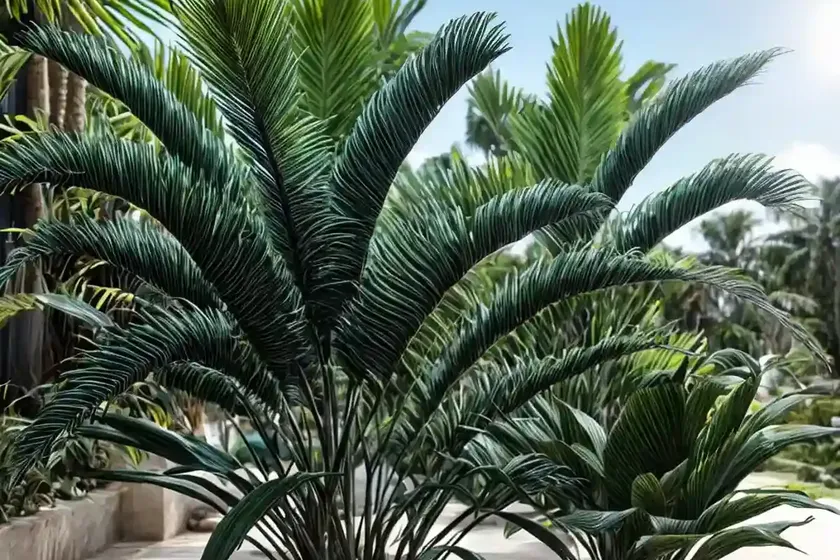
The Ultimate Guide to Traveller’s Palm (Ravenala madagascariensis) Care
Plants are not just living organisms; they are a vital part of our ecosystem, providing oxygen, food, and habitat for various organisms. Among the diverse range of plants found worldwide, the Traveller’s Palm, scientifically known as Ravenala madagascariensis, is one of the most intriguing and visually stunning plants. In this comprehensive guide, we will delve into the fascinating world of Traveller’s Palm, exploring its natural habitat, care requirements, and the many beneficial uses and characteristics that make it a unique addition to any garden or landscape.
What is a Plant: Traveller’s Palm (Ravenala madagascariensis)
The Traveller’s Palm, contrary to its name, is not a true palm but rather a species of flowering plant in the family Strelitziaceae. It is native to Madagascar, an island known for its rich biodiversity and unique flora and fauna. The plant derives its common name from the fact that early travelers and settlers in Madagascar used the water that accumulates at the base of the leaf stalks for drinking, providing them with a vital source of hydration in the absence of other water sources. The plant’s botanical name, Ravenala madagascariensis, also reflects its ties to Madagascar.
The Traveller’s Palm is characterized by its striking resemblance to a palm tree, with large, banana-like leaves arranged in a fan shape atop a tall, palm-like trunk. It is widely cultivated as an ornamental plant for its extraordinary appearance and ornamental value. Despite its tropical origins, the Traveller’s Palm has gained popularity in various parts of the world due to its unique aesthetic appeal and adaptability to different climates.
Key Takeaways – Traveller’s Palm (Ravenala madagascariensis)
Before diving into the specifics of caring for a Traveller’s Palm, it’s essential to understand the key takeaways that will be covered in this guide. From its cultural significance to the best practices for optimal growth, the following topics will provide a comprehensive understanding of how to nurture and appreciate this remarkable plant.
1. Culture
- Understanding the cultural significance of the Traveller’s Palm in various regions and its symbolic meaning in different cultures.
2. Uses
- Exploring the diverse range of uses for Traveller’s Palm, including landscaping, traditional medicine, and its role in attracting wildlife.
3. Water
- Addressing the specific watering needs and requirements for maintaining optimal soil moisture levels for the plant.
4. Sunlight
- Determining the ideal sunlight conditions for the Traveller’s Palm and ensuring proper exposure for vigorous growth.
5. Fertilizer
- Identifying the best fertilization practices to promote healthy foliage and robust growth.
6. Soil
- Understanding the soil requirements and the most suitable soil types for cultivating Traveller’s Palm.
7. Pruning
- Learning about effective pruning techniques to maintain the plant’s shape and enhance its aesthetic appeal.
8. Propagation
- Exploring the various methods of propagating Traveller’s Palm for expanding your plant collection or sharing with others.
9. Container Popularity
- Assessing its potential as a container plant and the considerations for successful growth in containers.
10. Common Diseases
- Recognizing the prevalent diseases that affect Traveller’s Palm and methods for diagnosing and managing these issues.
11. Common Pests
- Identifying the common pests that may infest the plant and implementing measures for effective pest control.
12. Botanist’s Tips
- Benefiting from professional insights and tips garnered from experienced botanists to enhance your success in caring for Traveller’s Palm.
13. Fun facts
- Uncovering fascinating and lesser-known facts about Traveller’s Palm that contribute to its allure and appeal.
14. Links to External Resources
- Providing additional resources and references for further exploration of Traveller’s Palm care, cultivation, and appreciation.
Now that we’ve outlined the key areas of focus for this guide, let’s embark on a journey of discovery into the captivating world of the Traveller’s Palm (Ravenala madagascariensis).
Culture
The cultural significance of the Traveller’s Palm extends beyond its ornamental value, making it a revered symbol in several regions. Let’s explore the diverse cultural connections and symbolic meanings associated with this iconic plant.
Symbolism and Significance
-
In Madagascar, the native habitat of the Traveller’s Palm, the plant holds cultural significance as a symbol of travel and adventure. It is revered for its association with providing essential resources, such as water, to travelers navigating the island’s diverse landscapes. Furthermore, the plant’s unique appearance and resilience have made it an emblem of survival and adaptability in challenging environments.
-
The distinctive fan-shaped arrangement of the plant’s leaves has attributed symbolic meanings to the Traveller’s Palm in various cultures. Some interpretations associate the fan-shaped leaves with symbols of peace, resilience, and prosperity, making it a popular choice for ornamental landscaping in regions where these values are esteemed.
-
In Feng Shui, the Traveller’s Palm is believed to bring positive energy and prosperity to the environment where it is placed. Its strong, upright growth and vibrant foliage are thought to promote harmony and balance within spaces, making it a favored choice for interior and landscape design.
Uses
The Traveller’s Palm boasts an impressive array of uses beyond its striking visual appeal. From practical applications to its role in enhancing ecosystems, the plant offers a multitude of benefits that contribute to its value in various contexts.
Landscaping
-
With its towering height and distinctive foliage, the Traveller’s Palm serves as a captivating focal point in tropical and subtropical landscapes. Its ability to thrive in diverse climates and soil conditions makes it a popular choice for creating visually appealing and low-maintenance gardens and outdoor spaces.
-
The plant’s fan-shaped leaves and architectural form make it an excellent choice for adding a tropical ambiance to gardens, resorts, and public spaces. Its robust nature and resistance to tropical winds make it a preferred option for creating windbreaks and privacy screens in coastal areas.
-
When used in landscaping, the Traveller’s Palm can provide shade and shelter to smaller plants, creating microclimates that support a more diverse range of flora within the same environment.
Traditional Medicine
-
In Madagascar and other regions, various parts of the Traveller’s Palm have been utilized for their medicinal properties. The leaves, sap, and roots of the plant have been employed in traditional medicine for treating ailments such as skin irritations, digestive issues, and inflammatory conditions.
-
The water accumulated at the base of the leaf stalks, often referred to as “traveller’s palm water,” has been historically used as a source of hydration by travelers and locals in areas where other water sources may be scarce or inaccessible.
Attracting Wildlife
-
The flowers of the Traveller’s Palm produce nectar that attracts pollinators such as bees, butterflies, and birds. This not only enhances the ecological value of the plant by supporting local pollinator populations but also contributes to the overall vibrancy of garden ecosystems.
-
The seeds of the Traveller’s Palm are a valuable food source for various wildlife species, including birds and small mammals. By providing sustenance to local fauna, the plant plays a role in fostering biodiversity within natural and cultivated landscapes.
Water
The watering needs of the Traveller’s Palm are crucial for maintaining its health and vitality. Proper moisture levels in the soil are essential for supporting vigorous growth and preventing water-related stress or diseases.
Watering Requirements
-
Adequate watering is crucial, especially during the plant’s establishment phase. After planting or repotting, it’s essential to provide regular watering to support root development and acclimatization to the new environment.
-
During the growing season, the Traveller’s Palm should be watered deeply and consistently, ensuring that the soil remains consistently moist but not waterlogged. Frequent, shallow watering should be avoided, as it can lead to shallow root growth and decreased plant resilience.
-
In cooler months or during periods of reduced growth, adjusting the watering frequency to correspond with the plant’s natural rhythm is advisable. This may involve scaling back watering to prevent excessive soil moisture during dormant periods.
-
When watering, it’s important to focus on the root zone, ensuring that the water penetrates deeply into the soil to encourage robust root development and drought tolerance.
-
The quality of water used for irrigation is also a consideration, as the Traveller’s Palm may be sensitive to chemicals, salts, or minerals present in certain water sources. Using filtered or distilled water can help mitigate potential issues related to water quality.
Signs of Overwatering and Underwatering
-
Overwatering can lead to symptoms such as yellowing or browning of the leaves, wilting, or the development of root rot. It is crucial to adjust the watering frequency and volume to prevent soil saturation and waterlogged conditions.
-
Underwatering can manifest as drooping or curling of the leaves, accompanied by a noticeable decrease in the plant’s overall vigor and growth. Adjusting the watering schedule to ensure consistent soil moisture can alleviate these symptoms.
-
Monitoring the soil moisture levels using a moisture meter or by conducting manual checks of the soil moisture content can help in determining appropriate watering intervals.
-
During extended periods of rainfall, it may be necessary to reduce or suspend supplemental watering to prevent water accumulation in the soil.
Sunlight
The Traveller’s Palm’s sunlight requirements are a critical factor in ensuring optimal growth and the development of its iconic fan-shaped foliage. Understanding its light preferences is essential for providing an environment that promotes the plant’s health and vigor.
Ideal Sunlight Conditions
-
The Traveller’s Palm thrives in bright, indirect light with partial shade, particularly in regions with intense or prolonged sunlight. An ideal location would provide the plant with ample sunlight for several hours each day while shielding it from direct midday sun, which can be too intense and potentially scorch the leaves.
-
In climates with milder sunlight exposure, the plant may tolerate more direct sunlight, although care should be taken to avoid prolonged exposure to intense midday sun.
-
Utilizing natural shading from nearby trees, structures, or taller plants can help create an environment with dappled sunlight, which mimics the plant’s natural habitat and promotes healthy growth.
-
In indoor settings, placing the Traveller’s Palm near a north or east-facing window can provide the appropriate balance of light and shade, ensuring that the plant receives the necessary energy for photosynthesis without being subjected to direct, intense sunlight.
Adapting to Light Variations
-
During the plant’s establishment phase or after being repositioned to a new location, it’s important to acclimate it to the light conditions gradually. Sudden exposure to significantly different light levels can cause stress and lead to leaf burn or sunscald.
-
Should the plant exhibit symptoms of sunburn, such as brown or discolored patches on the leaves, it’s advisable to relocate it to a more shaded area while maintaining proper hydration and care to support its recovery.
-
Monitoring the plant’s response to its current light conditions and making adjustments based on its growth and foliage health can help in optimizing its exposure to sunlight.
-
Understanding the local climate patterns and seasonal variations in light intensity is essential for ensuring the long-term health and resilience of the Traveller’s Palm.
Fertilizer
Supplemental fertilization is essential for providing the Traveller’s Palm with the necessary nutrients to support its growth and overall vitality. Understanding the plant’s fertilization needs and the most appropriate fertilizers will contribute to its lush foliage and robust form.
Fertilization Practices
-
A balanced, slow-release fertilizer formulated for tropical plants is well-suited for meeting the Traveller’s Palm’s nutrient requirements. The controlled release of nutrients can support consistent growth and reduce the risk of over-fertilization.
-
The fertilization schedule should align with the plant’s active growth phases, typically in spring and summer when it exhibits the most vigorous growth. Applying fertilizer during these periods can promote lush foliage and robust trunk development.
-
It’s important to follow the manufacturer’s instructions regarding the application rate and frequency, as excessive fertilization can lead to nutrient imbalances and potential adverse effects on the plant’s health.
-
When applying fertilizer, distributing it evenly over the soil surface and watering it in thoroughly can facilitate efficient nutrient absorption by the plant’s roots.
-
Organic fertilizers, such as compost or well-decomposed organic matter, can also be beneficial for enriching the soil and providing a balanced supply of essential nutrients to the Traveller’s Palm.
Symptoms of Nutrient Deficiency
-
Visual cues such as yellowing or mottling of the leaves, stunted growth, or reduced foliage density can indicate potential nutrient deficiencies. Identifying and addressing these deficiencies through appropriate fertilization can prevent further decline in the plant’s health.
-
Conducting soil tests to assess the nutrient levels and pH balance can help in formulating a targeted fertilization plan tailored to the specific needs of the Traveller’s Palm and the soil it is growing in.
-
Observing the plant’s response to fertilizer applications and adjusting the fertilization regimen based on its growth and foliage health can optimize the impact of supplemental nutrients on its overall vigor and appearance.
-
Regularly inspecting the foliage for signs of nutrient deficiency or imbalance can provide early indications of potential issues and enable timely intervention through targeted fertilization.
Soil
The soil composition plays a pivotal role in providing the Traveller’s Palm with a stable and nourishing environment for root development and overall growth. Understanding the plant’s soil preferences and adapting the soil composition accordingly are crucial for cultivating a healthy and thriving specimen.
Ideal Soil Type
-
Well-draining, loamy soil with good water retention capacity is optimal for nurturing the Traveller’s Palm. A soil mix that provides a balance of aeration and moisture retention can support healthy root development and prevent waterlogged conditions.
-
Incorporating organic matter, such as compost or peat moss, into the soil mix can enhance its nutrient content and improve its structure, promoting robust growth and resilience in the plant.
-
The pH level of the soil should ideally range between slightly acidic to neutral, with a pH range of 6.0 to 7.0 being conducive to the plant’s nutrient uptake and overall health.
-
Ensuring that the soil surface is mulched can help in conserving soil moisture, regulating temperature, and suppressing weed growth, contributing to a conducive growing environment for the Traveller’s Palm.
-
When selecting or preparing a soil mix for planting or potting the Traveller’s Palm, assessing its drainage characteristics and nutrient content can guide the optimization of the soil composition for the plant’s specific needs.
Soil Preparation and Maintenance
-
Prior to planting, preparing the soil by loosening it to a suitable depth and incorporating organic amendments can improve its structure and fertility, creating an environment conducive to robust root growth.
-
Amending the soil with a slow-release, balanced fertilizer during the preparation phase can provide the plant with a nutrient reserve that supports its initial establishment and growth.
-
Regularly inspecting the soil for signs of compaction, poor drainage, or nutrient deficiencies can guide timely soil amendments and maintenance practices to ensure optimal conditions for the Traveller’s Palm.
-
Applying a layer of organic mulch, such as shredded bark or compost, to the soil surface can help conserve soil moisture, regulate temperature, and contribute to the gradual improvement of soil structure and fertility over time.
-
Periodic soil testing, either through DIY soil testing kits or professional analysis, can provide insights into the soil’s nutrient levels, pH balance, and structure, guiding targeted soil amendments and maintenance practices.
Pruning
Pruning the Traveller’s Palm is a key aspect of its maintenance, contributing to its aesthetic appeal, structural integrity, and overall health. Implementing appropriate pruning techniques is essential for shaping the plant and managing its growth.
Pruning Guidelines
-
An essential aspect of pruning the Traveller’s Palm is removing dead, damaged, or diseased foliage to promote a tidy appearance and prevent the spread of potential diseases or pests.
-
To maintain the plant’s distinctive fan shape and enhance its visual appeal, selectively removing older, spent leaves and any unsightly foliage can rejuvenate its appearance and encourage the emergence of new growth.
-
Pruning the dried, brown leaf tips and edges, if present, can rejuvenate the plant’s overall appearance and prevent the accumulation of unsightly, decaying foliage.
-
When implementing major pruning, such as the removal of entire fronds or leaf clusters, it’s important to use sterilized pruning tools to minimize the risk of transmitting diseases to the plant.
-
Pruning the suckers or offshoots that emerge at the base of the plant can help maintain its singular, palm-like appearance and prevent overcrowding of the planting area.
Timing and Frequency
-
Pruning sessions for the Traveller’s Palm can be conducted throughout the year as needed, focusing on the removal of spent or unsightly foliage, as well as the gradual shaping of the plant’s form.
-
Delaying major pruning activities until the plant is well-established and actively growing can prevent stress and facilitate the plant’s recovery from pruning-related impacts.
-
Regularly inspecting the plant for the accumulation of dead or decaying foliage and promptly addressing these areas through targeted pruning can help maintain the plant’s overall health and appearance.
-
Understanding the plant’s natural growth and shedding patterns can guide the timing and frequency of pruning, ensuring that the plant’s aesthetics and health are optimized through appropriate pruning practices.
Propagation
The propagation of Traveller’s Palm offers plant enthusiasts an opportunity to expand their plant collection and share the beauty of this iconic specimen with others. Exploring the various methods of propagating this plant can further enhance its presence in gardens and landscapes.
Propagation Techniques
-
The primary method of propagating the Traveller’s Palm is through division, which involves separating the offshoots or suckers that emerge at the base of established plants.
-
When dividing the offshoots, it’s important to ensure that each division retains a portion of the root system and is equipped with sufficient stored energy to support its initial growth and establishment.
-
Propagating the Traveller’s Palm from seeds is also a viable option, although it requires patience, as the seeds may take an extended period to germinate and establish into viable plants.
-
Generally, successful propagation from seeds involves providing the ideal germination conditions, including warmth, moisture, and a suitable growing medium, to support the development of healthy seedlings.
-
Another method of propagating the Traveller’s Palm involves utilizing stem cuttings, where sections of the plant’s stem are carefully prepared and rooted under controlled, humid conditions to encourage the emergence of new plants.
Care of Propagated Plants
-
Once propagated through division or other methods, newly established Traveller’s Palm plants should be provided with appropriate care, including consistent watering, partial shading, and protection from harsh environmental conditions to support their growth and acclimatization.
-
Ensuring that the soil or growing medium used for rooting or planting the propagated plants is well-draining and sufficiently fertile can provide an optimal foundation for their establishment and growth.
-
Tending to the propagated plants with regular monitoring, watering, and minimal disturbance during the initial phases of growth can promote healthy root and shoot development, preparing them for successful integration into the garden or landscape.
-
Providing adequate protection and care to the propagated plants during their initial growth stages can contribute to their resilience and


