Tradescantia Sillamontana (Tradescantia Sillamontana)
Tradescantia Sillamontana, also known as white velvet, is a charming and visually appealing houseplant renowned for its fuzzy, succulent foliage. This.
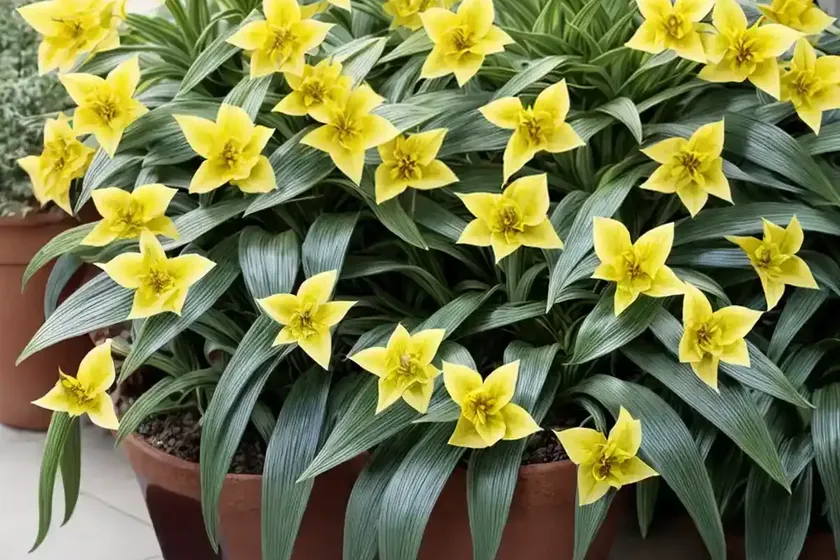
Introduction to Tradescantia Sillamontana
Tradescantia Sillamontana, also known as white velvet, is a charming and visually appealing houseplant renowned for its fuzzy, succulent foliage. This resilient plant is native to Mexico and belongs to the Commelinaceae family. Its distinct characteristics and minimal care requirements make it a popular choice among plant enthusiasts and horticulturists alike.
In this comprehensive guide, we will delve into the various aspects of caring for Tradescantia Sillamontana, including its culture, uses, water and sunlight requirements, soil and fertilizer needs, propagation, pruning, common diseases, and pests. Whether you are a novice gardener or an experienced horticulturist, this detailed guide will provide you with valuable insights into cultivating and maintaining this unique plant.
Key Takeaways – Tradescantia Sillamontana
Before we embark on an in-depth exploration of the care and cultivation of Tradescantia Sillamontana, let’s take a moment to highlight some key takeaways:
- Common Name: Tradescantia Sillamontana, White Velvet
- Scientific Name: Tradescantia sillamontana
- Family: Commelinaceae
- Water Requirements: Low to moderate
- Sunlight Needs: Bright, indirect light
- Soil Type: Well-draining potting mix
- Fertilization: Balanced liquid fertilizer during the growing season
- Propagation: Stem cuttings or division
- Pruning: Minimal, occasional removal of spent foliage
- Common Pests: Aphids, spider mites
- Common Diseases: Root rot, leaf spot
With these key points in mind, let’s proceed to explore the specific care requirements and maintenance tips for Tradescantia Sillamontana.
Culture
Uses
Tradescantia Sillamontana is primarily cultivated for its ornamental value, adding a touch of elegance and texture to indoor and outdoor spaces. Its fuzzy, silver-green leaves and compact growth habit make it an excellent choice for hanging baskets, container gardens, or as a ground cover in suitable climates. The plant’s low-maintenance nature and ability to thrive in various conditions also contribute to its popularity among gardening enthusiasts.
Water
Proper watering is crucial for the health and vitality of Tradescantia Sillamontana. Here are some essential guidelines for watering this plant:
- Watering Frequency: Allow the soil to dry out partially between waterings. Aim for a balance, avoiding both waterlogged conditions and prolonged drought. During the growing season (spring and summer), water the plant when the top inch of the soil feels dry to the touch.
- Winter Watering: Reduce the frequency of watering during the plant’s dormant period in the winter, allowing the soil to dry out more thoroughly between waterings.
- Watering Technique: Water the plant thoroughly, allowing excess water to drain from the pot’s base. Discard any accumulated water in the saucer to prevent waterlogged conditions.
Sunlight
As with most Tradescantia species, adequate sunlight is essential for the healthy growth and development of Tradescantia Sillamontana. Consider the following sunlight requirements for this plant:
- Light Exposure: Provide bright, indirect light for Tradescantia Sillamontana. Direct sunlight, especially intense afternoon sun, can scorch the delicate foliage. While the plant can tolerate some direct morning sunlight, it generally thrives in bright, filtered light.
- Indoor Placement: Position the plant near a north or east-facing window to ensure it receives the appropriate amount of light. If grown indoors, ensure the plant is not placed too far from a natural light source.
Fertilizer
Appropriate fertilization can enhance the growth and appearance of Tradescantia Sillamontana. Consider the following recommendations for fertilizing this plant:
- Fertilizer Type: Use a balanced, water-soluble fertilizer formulated for houseplants or succulents. A 20-20-20 or 10-10-10 NPK (nitrogen, phosphorus, potassium) ratio is suitable for promoting healthy growth and foliage development.
- Application Frequency: Feed Tradescantia Sillamontana with a diluted fertilizer solution every 2-4 weeks during the active growing season. Reduce or suspend fertilization during the plant’s dormant phase in the winter.
Soil
The right soil conditions are vital for the well-being of Tradescantia Sillamontana. When it comes to soil selection, consider the following factors:
- Well-Draining Mix: Plant Tradescantia Sillamontana in a well-draining potting mix to prevent waterlogging and ensure adequate aeration of the roots. A blend of peat moss, perlite, and coarse sand promotes proper drainage and root health.
- Soil pH: The ideal soil pH for Tradescantia Sillamontana ranges from slightly acidic to neutral (pH 6.0-7.0). Choose a potting mix with a pH within this range for optimal growth.
Pruning
Tradescantia Sillamontana typically requires minimal pruning, as it maintains a compact growth habit and does not produce extensive foliage. However, occasional pruning can help remove spent or leggy growth and maintain the plant’s aesthetic appeal. Here are some pruning tips for Tradescantia Sillamontana:
- Deadheading: Remove faded or wilted flowers to encourage continuous blooming and prevent seed formation.
- Leggy Growth: Trim back any excessively long or straggly stems to promote bushier, more compact growth.
- Sanitization: Use clean, sharp pruning shears to make precise cuts and minimize the risk of plant injury or disease transmission.
Propagation
Propagation allows you to expand your collection of Tradescantia Sillamontana and share the plant with fellow enthusiasts. The following methods can be employed for successful propagation:
- Stem Cuttings: Take 4-6 inch stem cuttings from a healthy, mature Tradescantia Sillamontana plant. Remove the lower leaves, leaving only a few leaves at the tip of the cutting. Plant the cuttings in a well-draining potting mix and keep the soil consistently moist until roots develop.
- Division: Divide mature Tradescantia Sillamontana plants to create new specimens. Carefully separate the root ball into sections, ensuring each division contains healthy roots and foliage. Plant the divisions in separate containers and provide appropriate care as they establish themselves.
Container Popularity
Tradescantia Sillamontana’s compact growth habit and trailing nature make it a popular choice for various types of containers. Some common container options for this plant include:
- Hanging Baskets: Tradescantia Sillamontana looks stunning when cascading from hanging baskets, showcasing its attractive foliage and trailing growth habit.
- Pots and Planters: Planting Tradescantia Sillamontana in decorative pots or planters can accentuate its visual appeal, making it an eye-catching addition to indoor and outdoor spaces.
Container gardening enthusiasts appreciate the versatility and aesthetic charm of Tradescantia Sillamontana, utilizing its unique characteristics to enhance their green spaces.
Common Diseases
While Tradescantia Sillamontana is generally resilient, it is susceptible to certain diseases that can affect its health and appearance. Here are some common diseases to watch out for:
Root Rot
Overwatering or waterlogged soil can lead to root rot in Tradescantia Sillamontana. Symptoms include wilting, yellowing foliage, and a foul odor emanating from the soil. To prevent root rot, ensure the plant is not sitting in water and adjust the watering frequency to maintain proper soil moisture.
Leaf Spot
Fungal diseases such as leaf spot can manifest as dark, water-soaked spots on the foliage of Tradescantia Sillamontana. Avoid overhead watering and provide adequate air circulation to minimize the risk of leaf spot. If detected, promptly remove and discard affected leaves and consider applying a suitable fungicidal treatment.
Disease Diagnosis
Early detection and prompt treatment are essential for managing diseases in Tradescantia Sillamontana. Here are some diagnostic tips for identifying and addressing common plant diseases:
- Visual Inspection: Regularly inspect the foliage, stems, and soil for any signs of discoloration, wilting, or unusual growth.
- Symptom Recognition: Learn to recognize the specific symptoms associated with common plant diseases, such as leaf spots, wilting, and unusual odor.
- Consultation: Seek the guidance of a plant care professional or horticulturist if you are unsure about the nature of a particular plant ailment and the appropriate course of action.
Common Pests
Several pests can pose a threat to the health and vigor of Tradescantia Sillamontana. Vigilance and timely intervention are crucial for pest management. Here are some common pests that may affect this plant:
Aphids
Aphids are small, soft-bodied insects that feed on plant sap, causing leaf distortion and stunted growth. To control aphids, consider spraying the affected plant with a strong stream of water to dislodge the pests. Alternatively, apply insecticidal soap or neem oil to eradicate aphid infestations.
Spider Mites
Spider mites are tiny arachnids that can infest the foliage of Tradescantia Sillamontana, causing stippling, webbing, and overall decline in plant health. To combat spider mites, increase humidity around the plant and apply horticultural oil or insecticidal soap to eliminate the pests.
Botanist’s Tips
To ensure the optimal growth and well-being of Tradescantia Sillamontana, consider the following tips and best practices:
- Regular Monitoring: Keep a close eye on the plant’s growth, appearance, and overall health, addressing any issues promptly.
- Seasonal Adjustments: Adjust your care routine based on seasonal changes, such as watering frequency, light exposure, and temperature considerations.
Fun Facts
- Tradescantia Sillamontana is named after the English naturalist John Tradescant, highlighting its historical significance in botanical exploration and discovery.
- This plant’s fuzzy, velvety leaves have earned it the endearing nickname “white velvet,” a testament to its soft and tactile foliage.
Now that we’ve delved deeply into the various aspects of Tradescantia Sillamontana care and cultivation, it’s important to leverage external resources to further enhance our understanding of this intriguing plant.
Links to External Resources
To expand your knowledge and expertise in growing and caring for Tradescantia Sillamontana, consider exploring the following external resources:
- Royal Horticultural Society – Tradescantia Sillamontana Guide
- University of Florida IFAS Extension – Tradescantia Sillamontana Information
- Missouri Botanical Garden – Tradescantia Sillamontana Profile
By tapping into these valuable resources, you can gain additional insights, tips, and techniques to bolster your proficiency in cultivating and nurturing Tradescantia Sillamontana.
In conclusion, Tradescantia Sillamontana, with its distinctive foliage and undemanding nature, offers a captivating addition to indoor and outdoor spaces. By adhering to the care guidelines and best practices outlined in this guide, you can foster a thriving and aesthetically rewarding environment for this remarkable plant.
Remember, the journey of plant care is as enriching as the beauty that blossoms from it. Embrace the process, cherish the growth, and revel in the timeless allure of Tradescantia Sillamontana.
Happy Gardening!