Yellow Flax (Linum Trigynum)
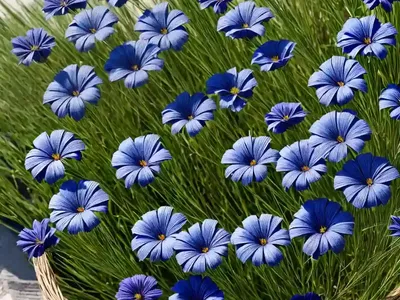
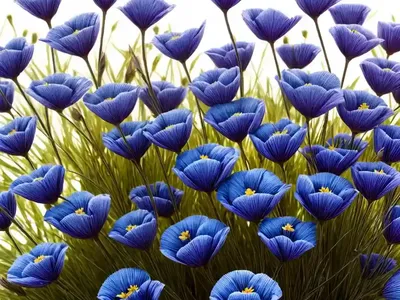
Yellow Flax, scientifically known as Linum trigynum, is an exquisite flowering plant that has captivated the hearts and gardens of plant enthusiasts around.
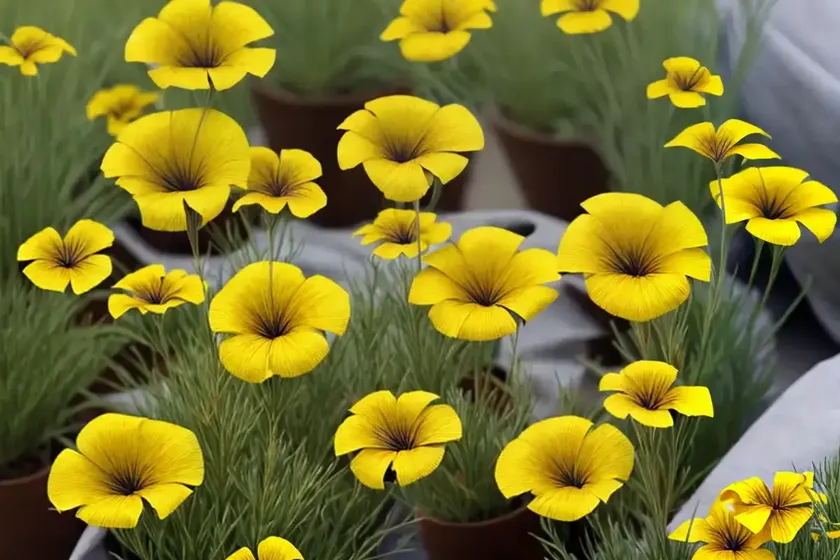
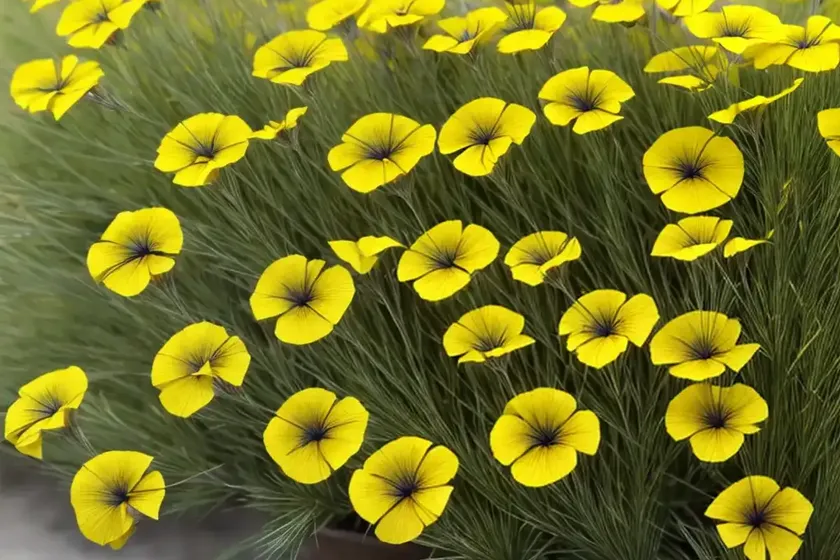
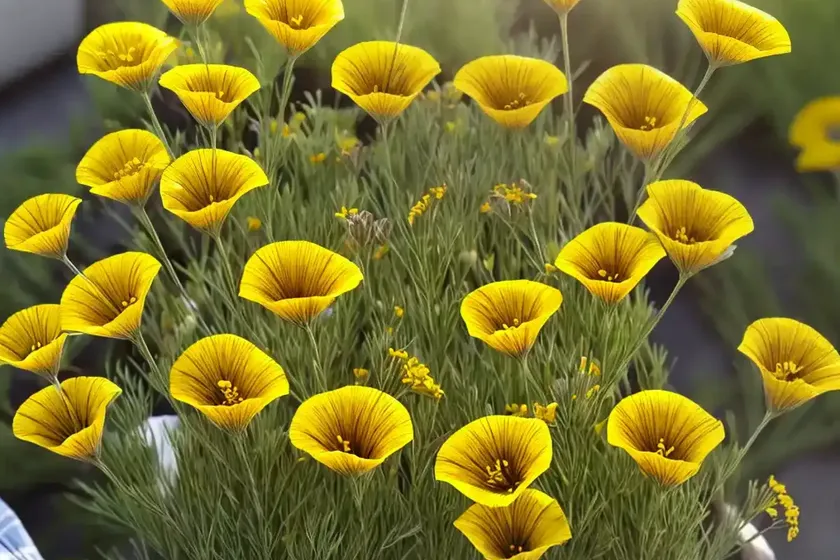
Yellow Flax, scientifically known as Linum trigynum, is an exquisite flowering plant that has captivated the hearts and gardens of plant enthusiasts around the world. This unique plant offers not only aesthetic beauty but also a multitude of cultural, ornamental, and ecological benefits. In this comprehensive guide, we will delve into the world of Yellow Flax, exploring its characteristics, cultural practices, landscaping applications, medicinal properties, folklore, and much more. Whether you are a seasoned gardener, a landscaping aficionado, or simply an admirer of nature’s wonders, this guide will equip you with the knowledge and insights to understand, care for, and fully appreciate Linum trigynum.
What is Linum trigynum?
Yellow Flax, Linum trigynum, is a species of flowering plant in the family Linaceae. It is native to regions such as the Mediterranean and is characterized by its delicate, vivid yellow flowers that adorn its slender stems. With its graceful appearance and versatility, Yellow Flax has found its place in various gardening and landscaping settings, adding vibrant hues and natural charm to outdoor spaces.
- Scientific Name: Linum trigynum
- Common Name: Yellow Flax
- Family: Linaceae
- Type: Perennial
Key Takeaways – Yellow Flax (Linum trigynum)
Before we delve into the details of Yellow Flax, let’s take a quick look at some key takeaways that will be covered in this guide:
Culture
- Understanding the cultural requirements for the successful growth of Yellow Flax, including soil, water, sunlight, and fertilizer needs.
Uses
- Exploring the diverse uses of Linum trigynum, from landscaping and ornamental purposes to its traditional and medicinal applications.
Water
- Detailing the specific water requirements essential for maintaining the health and vigor of Yellow Flax.
Sunlight
- Shedding light on the ideal sunlight conditions for growing and nurturing healthy Linum trigynum plants.
Fertilizer
- Discussing the role of fertilizers and the appropriate application practices to support the growth and flowering of Yellow Flax.
Soil
- Diving into the soil preferences, composition, and structure that are conducive to the thriving of Linum trigynum.
Pruning
- Learning about the art and science of pruning Yellow Flax, including techniques and best practices for shaping and rejuvenating the plants.
Propagation
- Exploring the various methods of propagating Linum trigynum, such as seed sowing, division, and cuttings.
Container Popularity
- Highlighting the suitability and advantages of cultivating Yellow Flax in containers, offering insights into container gardening.
Common Diseases
- Understanding the common diseases that may affect Yellow Flax and the strategies for diagnosis and management.
Common Pests
- Identifying the prevalent pests that can pose a threat to Linum trigynum and measures for pest control and prevention.
Botanist’s Tips
- Top tips and recommendations from seasoned botanists and horticulturists for successful Yellow Flax cultivation.
Fun Facts
- Uncovering intriguing and lesser-known facts about Yellow Flax, enriching your understanding and appreciation of this remarkable plant.
Links to External Resources
- Providing curated links to external resources for further exploration and knowledge enhancement on Linum trigynum.
With the foundation set, let’s embark on an in-depth exploration of Yellow Flax, uncovering its cultivation secrets, ecological significance, and the captivating allure that has made it a beloved addition to gardens and landscapes worldwide.
Culture
Cultivating Yellow Flax successfully involves understanding and catering to its specific cultural requirements, encompassing aspects such as water, sunlight, fertilizer, soil, pruning, and propagation.
Water
Proper watering is crucial for maintaining the health and vitality of Yellow Flax. While these plants do require consistent moisture, they are also sensitive to waterlogging. Therefore, a well-draining soil is essential. Here are some guidelines for watering Yellow Flax:
- Regular Watering: Especially during the initial establishment phase and dry periods, consistent watering is important to support healthy growth.
- Avoid Waterlogging: Ensure that the soil does not become waterlogged, as excessive moisture can lead to root rot and other complications.
Sunlight
Yellow Flax thrives in bright, full sunlight, making it an ideal addition to sun-drenched garden beds and landscapes. To ensure optimal growth and abundant flowering, provide the following sunlight conditions:
- Full Sun: Plant Yellow Flax in areas that receive at least 6-8 hours of direct sunlight daily.
- Sunlight Intensity: While Yellow Flax favors full sun, it can also tolerate slightly partial shade, especially in regions with intense summer heat.
Fertilizer
Appropriate fertilization can significantly enhance the growth and blooming of Yellow Flax. As with most flowering plants, a balanced fertilizer application can provide the necessary nutrients for vibrant flowers and healthy foliage. Consider the following fertilizer practices:
- Balanced Fertilizer: Use a balanced, all-purpose fertilizer with equal N-P-K (nitrogen, phosphorus, potassium) ratio, or a formulation specifically designed for flowering plants.
- Application Frequency: Apply fertilizer in early spring as new growth emerges, following the manufacturer’s recommendations for frequency and dosage.
Soil
The right soil composition and structure play a crucial role in providing an optimal growing environment for Yellow Flax. The following soil conditions are beneficial for cultivating Linum trigynum:
- Well-Drained Soil: Yellow Flax prefers well-draining soil to prevent water stagnation, especially during the colder months.
- Soil pH: A slightly acidic to neutral pH range (6.0-7.0) is suitable for Yellow Flax, promoting nutrient uptake and overall health.
Pruning
Pruning is an important aspect of maintaining the appearance and vigor of Yellow Flax. Proper pruning can encourage new growth, enhance flowering, and shape the plant. Consider the following pruning techniques:
- Deadheading: Regular removal of spent flowers can promote continuous blooming and prevent self-seeding.
- Rejuvenation Pruning: In late winter or early spring, consider cutting back overgrown or leggy stems to rejuvenate the plant’s appearance.
Propagation
Yellow Flax can be propagated through various methods, including seeds, division, and cuttings. Each propagation method offers unique advantages and is suited to specific situations:
- Seed Propagation: Sow seeds in well-prepared soil during the spring or fall, ensuring good seed-to-soil contact and consistent moisture for germination.
- Division: Divide established clumps every few years, ensuring each division has sufficient roots and shoots for successful transplantation.
- Cuttings: Take softwood or semi-hardwood cuttings in late spring or early summer for propagation, using a rooting hormone to expedite root development.
Container Popularity
Yellow Flax’s graceful form and bright yellow flowers make it an excellent choice for container gardening. Cultivating Linum trigynum in containers offers flexibility and versatility for various settings, including balconies, patios, and small yards. Here are some considerations for container gardening with Yellow Flax:
- Container Selection: Choose well-draining containers with adequate drainage holes, ensuring sufficient space for root development.
- Potting Mix: Use a high-quality, well-aerated potting mix, ideally formulated for flowering plants, to promote healthy growth and blooming.
- Watering: Monitor the moisture levels in the container, ensuring consistent but not waterlogged conditions.
Uses
The uses of Yellow Flax extend beyond its ornamental value, encompassing applications in landscaping, traditional medicine, and folklore. Understanding these diverse uses provides a comprehensive perspective on the significance of Linum trigynum.
Landscaping and Ornamental Value
Yellow Flax is prized for its ornamental appeal, adding vibrant splashes of color to gardens, borders, and naturalistic landscapes. Here are key considerations for using Yellow Flax in landscaping:
- Border Planting: Plant Yellow Flax along garden borders, pathways, or driveways to create striking visual contrasts and define outdoor spaces.
- Mass Planting: Underplanting trees or incorporating Yellow Flax in mass plantings can create captivating visual displays, especially when in full bloom.
Traditional and Medicinal Uses
Linum trigynum has a rich history of traditional uses, particularly in traditional medicine and cultural folklore. Some of the traditional and medicinal applications include:
- Medicinal Properties: Yellow Flax seeds are known for their high content of omega-3 fatty acids, making them a valuable dietary supplement.
- Folklore and Myths: Yellow Flax has been associated with various cultural myths and folklore, portraying its significance in storytelling and cultural traditions.
Habitat and Ecological Significance
Beyond its visual allure, Yellow Flax plays a role in supporting pollinators, enriching ecosystems, and contributing to the biodiversity of natural habitats. Consider the following ecological aspects of Linum trigynum:
- Pollinator Attraction: The bright yellow flowers of Yellow Flax attract pollinators such as bees, butterflies, and other beneficial insects, supporting local ecosystems.
- Drought Tolerance: Linum trigynum exhibits good drought tolerance once established, making it a valuable addition to water-wise and xeriscaped landscapes.
Common Diseases
Like all living organisms, Yellow Flax is susceptible to certain diseases that can affect its growth and overall health. Recognizing and managing these diseases is essential for safeguarding the well-being of Linum trigynum. Some common diseases that may affect Yellow Flax include:
- Powdery Mildew: Characterized by a powdery white coating on leaves and stems, powdery mildew can impact the plant’s vigor and aesthetics.
- Botrytis Blight: This fungal disease can cause browning and wilting of flowers and foliage, potentially leading to significant damage if not controlled.
- Fusarium Wilt: Yellow Flax can be vulnerable to Fusarium wilt, a soil-borne fungal disease that affects the plant’s vascular system, leading to wilting and decline.
Disease Diagnosis
Diagnosing plant diseases involves careful observation and understanding of the symptoms and causal agents. Prompt and accurate diagnosis is crucial for implementing effective disease management strategies. When observing Yellow Flax for symptoms of disease, consider the following diagnostic steps:
- Symptom Identification: Observe the plant for any abnormalities, such as discoloration, wilting, or unusual growth patterns.
- Causal Factors: Assess environmental conditions, cultural practices, and recent changes that may have contributed to the development of the disease.
- Consultation: Seek advice from local horticultural experts, plant pathologists, or extension services for accurate diagnosis and treatment recommendations.
Common Pests
Pests can pose a threat to the health and vitality of Yellow Flax, potentially causing damage to foliage, flowers, and overall growth. Identifying and managing these common pests is essential for maintaining the well-being of Linum trigynum. Some of the common pests that may affect Yellow Flax include:
- Aphids: These small, sap-sucking insects can infest the tender growth of Yellow Flax, causing distortion and yellowing of leaves.
- Spider Mites: Infestations of spider mites can lead to stippling and discoloration of leaves, affecting the plant’s photosynthetic capacity.
- Caterpillars: Certain caterpillar species may feed on the foliage of Yellow Flax, leading to defoliation and reduced plant vigor.
Pest Control and Prevention
Implementing integrated pest management practices can help control and prevent pest infestations on Yellow Flax, minimizing the need for chemical interventions. Consider the following strategies for managing common pests:
- Cultural Practices: Maintain plant health through proper watering, fertilization, and pruning, promoting resilience against pest attacks.
- Natural Predators: Encourage beneficial insects and natural predators that feed on common pests, creating a balanced ecosystem in the garden.
- Physical Removal: Handpick pests such as caterpillars and inspect plants regularly to identify and remove early-stage infestations.
Botanist’s Tips
As we embark on the journey of understanding and caring for Yellow Flax, it’s valuable to seek insights from experienced botanists and horticulturists. Here are some expert tips and recommendations for successful cultivation of Linum trigynum:
- Optimal Planting Time: Plant Yellow Flax in early spring or fall to allow the plants to establish before periods of extreme heat or cold.
- Mulching: Apply a layer of organic mulch around the base of Yellow Flax to conserve soil moisture, suppress weeds, and provide insulation.
- Supportive Companions: Grow Yellow Flax alongside companion plants that complement its growth habits and serve as pollinator attractants.
Fun Facts
Uncover the intriguing and captivating aspects of Yellow Flax with these fun and fascinating facts:
- Botanical Significance: Linum trigynum belongs to the same genus as flax (Linum usitatissimum), which is cultivated for its fiber and oil production.
- Myth and Symbolism: In certain cultures, yellow flax has been associated with themes of hope, renewal, and fertility, adding to its cultural and symbolic significance.
- Biological Adaptations: Yellow Flax has evolved to thrive in various habitats, reflecting its adaptability and resilience as a species.
Now that we have delved into the cultural, ornamental, ecological, and insightful aspects of Yellow Flax, it’s time to further expand our knowledge and appreciation of this remarkable plant.
Links to External Resources
To enrich your understanding of Linum trigynum and further explore its cultivation, uses, and ecological significance, here are some curated links to external resources:
-
University of Florida IFAS Extension – Flax Production Guide
-
USDA Natural Resources Conservation Service – Plant Guide for Yellow Flax
By exploring these resources, you can deepen your knowledge and gather valuable insights into Yellow Flax, enhancing your ability to cultivate, appreciate, and elevate the presence of Linum trigynum in your gardening and landscaping endeavors.
In conclusion, Yellow Flax (Linum trigynum) stands as a captivating and enigmatic plant, weaving its vibrant hues, graceful form, and ecological contributions into the tapestry of the natural world. From its cultural uses and folklore to its practical applications in gardening and landscapes, Yellow Flax continues to enchant and inspire those who seek to embrace the beauty and wonders of the botanical realm. As you embark on your journey with Yellow Flax, may this guide serve as a beacon of knowledge, guiding you towards a deeper appreciation and understanding of this extraordinary plant.
Whether you are drawn to its cheerful flowers, intrigued by its ecological role, or captivated by its cultural heritage, the allure of Yellow Flax invites you to immerse yourself in its world, nurturing a connection that transcends the boundaries of horticulture and blossoms into a profound appreciation for the natural marvels that surround us.