Tradescantia Sillamontana (White Velvet)
As a plant scientist and enthusiast, I am excited to present a detailed guide on Tradescantia Sillamontana, commonly known as White Velvet. This stunning.
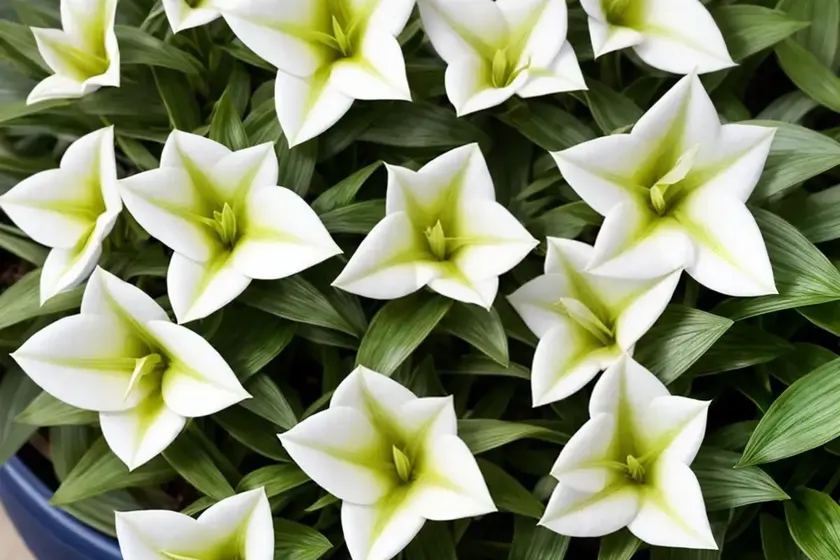
As a plant scientist and enthusiast, I am excited to present a detailed guide on Tradescantia Sillamontana, commonly known as White Velvet. This stunning plant is renowned for its unique foliage and ease of care, making it a popular choice for both indoor and outdoor cultivation. Throughout this guide, we will delve into every aspect of Tradescantia Sillamontana, from its cultural preferences to propagation methods and disease control. By the end of this comprehensive read, you will be equipped with the knowledge and expertise to successfully cultivate and care for Tradescantia Sillamontana in your own personal or professional setting.
What is Tradescantia Sillamontana (White Velvet)?
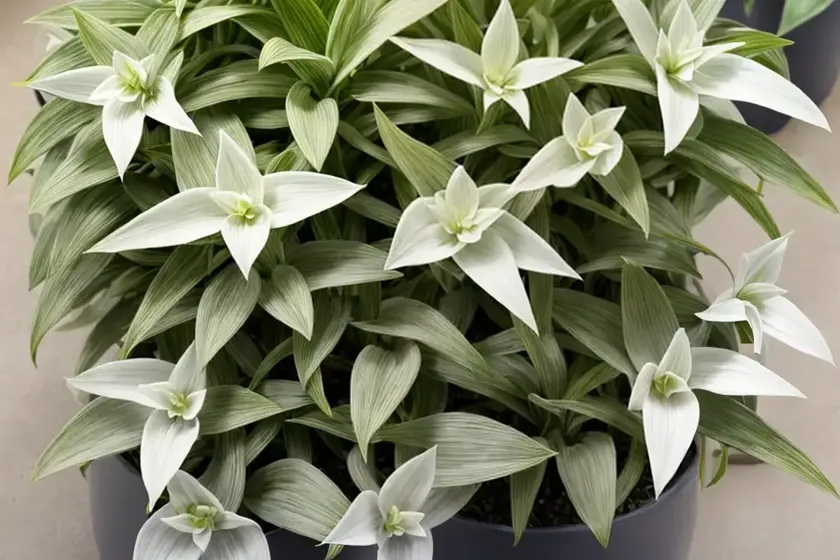
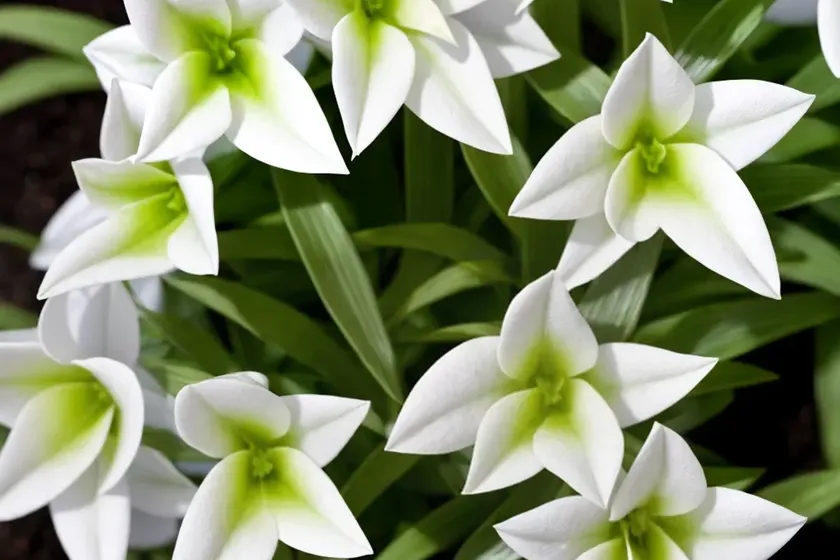
Tradescantia Sillamontana, colloquially known as White Velvet or Cobweb Spiderwort, is a species of flowering perennial plant within the genus Tradescantia. This unique and visually striking plant is native to the mountainous regions of northeastern Mexico, where it thrives in altitudes ranging from 1000 to 2000 meters. Renowned for its attractive, fuzzy, silver-white leaves and delicate pink flowers, Tradescantia Sillamontana has gained popularity among plant enthusiasts for its ornamental qualities and relatively low-maintenance requirements.
Key Takeaways
Before delving into the more detailed aspects of Tradescantia Sillamontana cultivation, let’s take a moment to outline the key takeaways that will be covered in this in-depth guide. These key takeaways include:
- Culture: Understanding the environmental conditions and cultural requirements for successfully growing Tradescantia Sillamontana.
- Uses: Exploring the various uses and applications of White Velvet in landscaping and indoor decoration.
- Water: Discussing the optimal watering practices for maintaining healthy Tradescantia Sillamontana specimens.
- Sunlight: Determining the ideal sunlight exposure for promoting robust growth and vibrant foliage.
- Fertilizer: Identifying suitable fertilization techniques to support the nutritional needs of Tradescantia Sillamontana.
- Soil: Examining the preferred soil composition and characteristics for healthy plant development.
- Pruning: Learning when and how to prune Tradescantia Sillamontana to maintain its desired shape and size.
- Propagation: Exploring the various methods of propagating White Velvet for expanding your plant collection.
- Container Popularity: Understanding the suitability of Tradescantia Sillamontana for container gardening.
- Common Diseases: Recognizing potential diseases that may affect Tradescantia Sillamontana and their management.
- Common Pests: Identifying common pests that pose a threat to White Velvet and measures to control infestations.
- Botanist’s Tips: Gaining insights and practical tips from experienced botanists for successful White Velvet care.
- Fun Facts: Discovering interesting and lesser-known facts about Tradescantia Sillamontana.
With these key takeaways in mind, let’s embark on an enlightening journey through the world of Tradescantia Sillamontana, where its characteristics, care requirements, and cultivation practices will be thoroughly explored.
Culture of Tradescantia Sillamontana
Cultural preferences play a pivotal role in the successful cultivation of any plant species, and Tradescantia Sillamontana is no exception. Understanding the plant’s climate, humidity, and other cultural requirements is essential for promoting its optimal growth and overall well-being.
Water
-
Watering Frequency: Tradescantia Sillamontana prefers moderately moist soil, making it crucial to water the plant when the top inch of the soil feels dry to the touch. During the growing season, generally spring through fall, regular watering is essential. However, it’s important to avoid waterlogging the soil, as excessive moisture can lead to root rot and other detrimental conditions.
-
Winter Watering: In the dormant winter months, it’s advisable to reduce watering frequency to prevent waterlogged soil, as the plant’s water requirements decrease during this period. Therefore, it is recommended to allow the soil to slightly dry out between watering sessions.
Sunlight
-
Light Requirements: White Velvet thrives in bright, indirect light. Partial shade or filtered sunlight is ideal for promoting healthy growth and maintaining the plant’s striking foliage coloration. Avoid exposing the plant to direct, intense sunlight, as this can lead to leaf scorching and sun damage.
-
Indoor Placement: When grown indoors, positioning the plant near a north or east-facing window is ideal, as it will receive sufficient natural light without being subjected to harsh, direct sun rays.
Fertilizer
-
Fertilization Schedule: During the active growing season, which typically spans from spring to early fall, fertilize Tradescantia Sillamontana once a month. A balanced, water-soluble fertilizer diluted to half-strength is suitable for supporting the plant’s nutritional needs. Refrain from fertilizing during the dormant winter period, as the plant’s nutrient uptake decreases during this time.
-
Nutrient Balance: While Tradescantia Sillamontana benefits from regular fertilization, it’s important not to over-fertilize, as this can lead to salt build-up and cause adverse effects on the plant’s health. Diluting the fertilizer and applying it sparingly is essential for maintaining the proper nutrient balance.
Soil
-
Preferred Soil Type: White Velvet thrives in well-draining, porous soil that allows excess moisture to escape readily. A high-quality potting mix with a balanced blend of organic matter, such as peat moss or coconut coir, and inorganic components, such as perlite or coarse sand, provides an ideal growth medium for the plant.
-
Acidity and pH: Tradescantia Sillamontana prefers slightly acidic to neutral soil conditions, with a pH range of 6.0 to 7.0 being optimal for promoting healthy growth and essential nutrient uptake.
Pruning
-
Pruning Practices: Regular pruning is beneficial for maintaining the shape and appearance of Tradescantia Sillamontana. Trim back any leggy or overgrown stems to encourage bushier growth and a more compact form. Additionally, removing any discolored or damaged foliage helps to promote the plant’s overall health and aesthetic appeal.
-
Propagation Cuttings: Pruning also presents an opportunity for propagation, as the trimmed stems and cuttings can be utilized to propagate new Tradescantia Sillamontana plants, thereby expanding your collection.
Propagation
-
Propagation Methods: Tradescantia Sillamontana can be propagated through stem cuttings, which can be rooted in water or directly planted in a suitable potting mix. When selecting cuttings for propagation, ensure they are healthy, mature stems with several nodes, as these are more likely to successfully root and establish.
-
Rooting Factors: Rooting hormone powder can be utilized to enhance the success rate of propagation, as it stimulates root development and overall cutting viability.
Container Popularity
Due to its compact growth habit and visually appealing foliage, Tradescantia Sillamontana is a highly sought-after plant for container gardening. Its suitability for containers allows for versatile placement and decorative arrangements, making it a popular choice for both indoor and outdoor settings.
When selecting a container for White Velvet, consider the following key factors:
-
Drainage Holes: Ensure that the container has adequate drainage holes to prevent water accumulation, as this can lead to root rot and other moisture-related issues.
-
Size and Space: Select a container that provides ample room for the plant’s roots to spread and grow. A slightly larger container allows for future growth without the need for frequent repotting.
-
Aesthetic Appeal: Choose a container that complements the plant’s foliage coloration and overall visual appeal. Ceramic, terracotta, or decorative plastic containers are popular choices for showcasing Tradescantia Sillamontana.
Common Diseases and Pest Control
While Tradescantia Sillamontana exhibits robust growth and resilience, it is not impervious to diseases and pest infestations. Being aware of potential threats and adopting proactive measures is essential for safeguarding the plant’s health and vitality.
Disease Diagnosis
-
Fungal Diseases: Tradescantia Sillamontana is susceptible to fungal diseases such as powdery mildew and botrytis (gray mold), particularly in conditions of high humidity and inadequate air circulation. Symptoms include fuzzy white growth on the foliage, leaf yellowing, and overall decline in plant health.
-
Bacterial Infections: Bacterial leaf spot and blight can affect Tradescantia Sillamontana, leading to leaf lesions, discoloration, and wilting. These diseases are often favored by excess moisture and poor sanitation practices.
Common Pests
-
Spider Mites: These tiny arachnids can infest Tradescantia Sillamontana, causing stippled or discolored foliage, fine webbing, and diminished plant vigor. Regularly inspect the plant for spider mite activity, particularly under the leaves and along the stems.
-
Aphids: Aphids are another potential threat to White Velvet, as they feed on the plant’s sap, leading to distorted growth and sticky honeydew residue. Natural predators such as ladybugs can aid in controlling aphid populations, or insecticidal soap can be employed as a control measure.
Botanist’s Tips
As a plant scientist with a passion for Tradescantia Sillamontana, I’ve compiled a set of practical tips and best practices to support your successful cultivation of this unique plant:
-
Air Circulation: Ensure adequate air circulation around Tradescantia Sillamontana, particularly in indoor settings, to minimize the risk of fungal diseases and enhance overall plant vigor.
-
Regular Inspection: Routinely inspect the plant for signs of pest activity, disease symptoms, or nutrient deficiencies. Early detection allows for prompt intervention, mitigating potential damage to the plant.
-
Seasonal Adjustments: During seasonal transitions, such as the shift from winter to spring, gradually acclimate Tradescantia Sillamontana to changes in light and temperature to minimize stress and promote seamless adaptation.
-
Mulching Benefits: Applying a thin layer of organic mulch around the base of the plant helps to conserve soil moisture, regulate soil temperature, and deter weed growth.
Fun Facts
-
Medicinal Uses: Traditionally, certain species within the Tradescantia genus have been utilized in herbal medicine for their purported anti-inflammatory and medicinal properties. While specific applications may vary, these plants have historically been valued for their potential therapeutic benefits.
-
Eco-Friendly Plant: Tradescantia Sillamontana is recognized for its eco-friendly qualities, as it assists in purifying the air and enhancing indoor air quality. This makes it a valuable addition to interior spaces, contributing to a healthier and more sustainable environment.
As we conclude this extensive exploration of Tradescantia Sillamontana, I encourage you to further expand your knowledge and appreciation for this remarkable plant by referring to the following external resources:
- The Royal Horticultural Society (RHS) – Tradescantia Sillamontana
- University of Florida IFAS Extension – Groundcovers
- Missouri Botanical Garden – Gardening Help FAQs
With a wealth of knowledge at your disposal, you are well-equipped to embark on a fulfilling journey of cultivating and caring for Tradescantia Sillamontana. May your endeavors be met with success, and may the remarkable beauty of White Velvet enrich your botanical pursuits.