Tradescantia Nanouk (Tradescantia Albiflora ‘nanouk’)
Plants have a special place in our lives, bringing beauty, serenity, and even health benefits to our homes and environment. In the world of indoor plants.
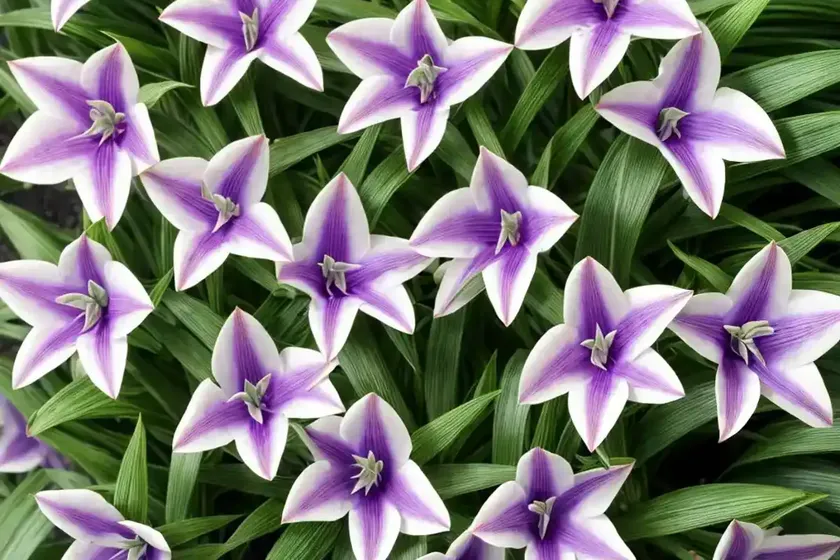
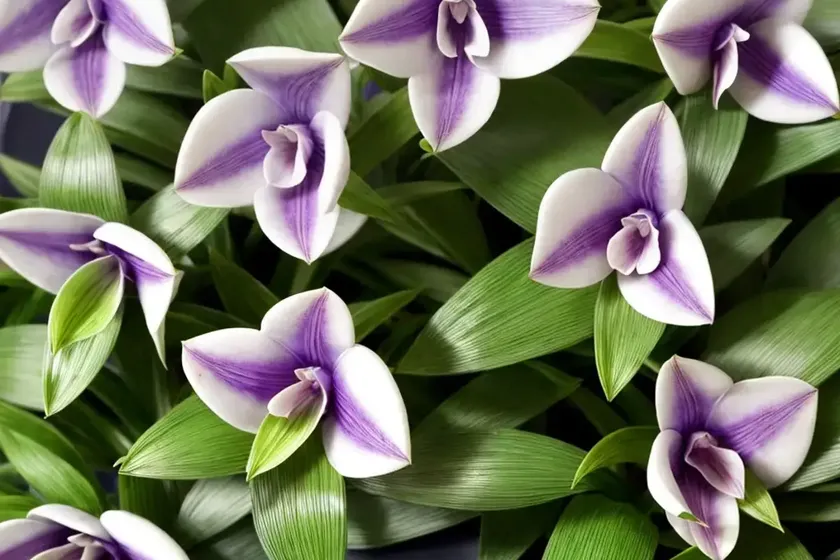
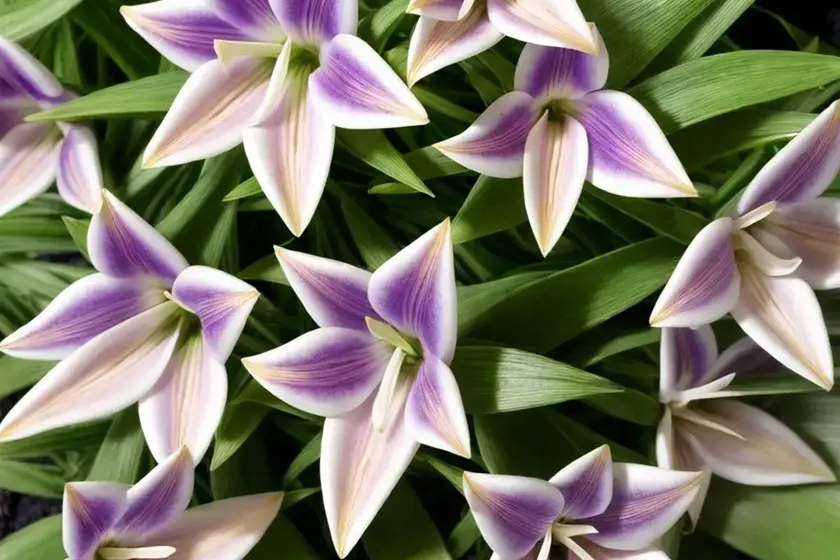
Plants have a special place in our lives, bringing beauty, serenity, and even health benefits to our homes and environment. In the world of indoor plants, one particular species that has been gaining popularity in recent years is the Tradescantia Nanouk, also known as Tradescantia Albiflora ‘nanouk’. This vibrant and versatile plant has captured the hearts of plant enthusiasts with its stunning foliage and easy-care nature. In this comprehensive guide, we will delve into the intriguing world of Tradescantia Nanouk, exploring its cultural requirements, uses, care tips, and much more.
What is Tradescantia Nanouk?
Tradescantia Nanouk, scientifically known as Tradescantia Albiflora ‘nanouk’, is a strikingly beautiful plant that belongs to the family Commelinaceae. This plant is native to South America, particularly Brazil and Argentina, where it thrives in the warm and humid conditions of its natural habitat. Tradescantia Nanouk is characterized by its trailing growth habit and its vibrant, multicolored foliage, making it a desirable choice for indoor plant enthusiasts.
Key Takeaways – Tradescantia Nanouk (Tradescantia Albiflora ‘nanouk’)
Before we delve into the specifics of caring for Tradescantia Nanouk, let’s take a look at some key takeaways about this fascinating plant:
- Botanical Name: Tradescantia Albiflora ‘nanouk’
- Common Names: Tradescantia Nanouk, Nanouk plant, Wandering Jew Nanouk
- Family: Commelinaceae
- Native Habitat: South America, particularly Brazil and Argentina
- Foliage: Variegated, multicolored leaves
- Growth Habit: Trailing vine
- Uses: Decorative indoor plant, air purifier
- Popularity: Increasingly popular as a houseplant due to its low maintenance and attractive appearance
Now that we have a brief overview of the Tradescantia Nanouk, let’s explore the specific cultural requirements and care tips to help you nurture this plant to its full potential.
Culture
Cultural considerations are essential to the health and growth of any plant. Understanding the specific cultural requirements of Tradescantia Nanouk is crucial for providing the ideal conditions for its well-being. Let’s take a closer look at the key cultural factors for this captivating plant.
Water
Proper watering is essential for the health of Tradescantia Nanouk. As a tropical plant, it thrives in moderately moist soil and is sensitive to both under-watering and over-watering. Here are some key points to consider when it comes to watering your Nanouk plant:
- Well-draining Soil: Ensure that the potting mix is well-draining to prevent waterlogging, which can lead to root rot.
- Moist, Not Soggy: Water the plant when the top inch of the soil feels dry to the touch. Provide enough water to moisten the entire root ball without leaving the pot sitting in standing water.
- Frequency: During the growing season, typically spring to fall, water the plant regularly, ensuring that the soil does not dry out completely between waterings. In winter, reduce the frequency of watering to prevent waterlogged conditions in the cooler months.
- Humidity: Tradescantia Nanouk benefits from moderate to high humidity levels, especially in indoor environments. Misting the foliage or placing a humidity tray nearby can help create the optimal moisture levels for the plant.
Sunlight
Proper sunlight exposure is crucial for the growth and vibrancy of the foliage in Tradescantia Nanouk. Here are some essential considerations regarding sunlight requirements for this plant:
- Indirect Light: Tradescantia Nanouk prefers bright, indirect sunlight. Direct sun exposure can scorch the delicate leaves, especially during the intense midday sun.
- Morning Sun: Providing morning sunlight or filtered light throughout the day can promote healthy growth and vibrant leaf colors.
- Low Light Tolerance: While it enjoys bright conditions, Tradescantia Nanouk can also tolerate lower light levels, making it a versatile choice for indoor environments.
Fertilizer
Proper feeding can enhance the growth and vibrancy of Tradescantia Nanouk. Here are some key points to consider when it comes to fertilizing this plant:
- Balanced Fertilizer: Use a balanced, water-soluble fertilizer formulated for houseplants. Dilute the fertilizer to half or quarter strength to avoid over-fertilizing the plant.
- Frequency: During the growing season in spring and summer, feed the plant monthly to bi-monthly. In fall and winter, reduce the frequency to every 6-8 weeks as the plant’s growth slows down.
Soil
Choosing the right potting mix is essential for providing a suitable growing medium for Tradescantia Nanouk. Here are some considerations for the soil requirements of this plant:
- Well-draining Mix: Select a well-draining potting mix to prevent waterlogging and root rot. A mix formulated for tropical plants or a combination of peat moss, perlite, and pine bark can provide the ideal growing medium for the Nanouk plant.
- Aeration: Adequate aeration of the soil is crucial for healthy root development. Avoid compacted or heavy soils that can impede drainage and aeration.
Pruning
Pruning is an essential aspect of Tradescantia Nanouk care, helping to maintain the plant’s shape, remove leggy growth, and encourage bushier, more compact growth. Here are some key points to consider when it comes to pruning this plant:
- Remove Leggy Growth: Trim back any long, straggly stems to encourage a fuller, more compact growth habit.
- Regular Maintenance: Regularly prune the plant to remove any dead or yellowing leaves and encourage new growth.
- Propagation: Pruning also offers the opportunity to propagate new plants from the cuttings, allowing you to expand your collection of Tradescantia Nanouk or share the joy of this plant with friends and family.
Propagation
Propagating Tradescantia Nanouk is a rewarding and straightforward process, allowing you to create new plants from existing ones. Here are some common methods of propagating this plant:
- Stem Cuttings: Stem cuttings are the most popular and successful method of propagating Tradescantia Nanouk. Simply take a 4-6 inch cutting from the tip of a healthy stem, remove the lower leaves, and place the cutting in a jar of water or directly into moist potting soil. Within a few weeks, the cutting will develop roots and can be transferred to its own pot.
- Division: The plant can also be divided during repotting, separating the root ball into smaller sections and replanting them in individual pots. This method is effective for rejuvenating an overgrown plant or expanding your collection.
Container Popularity
Tradescantia Nanouk is prized for its versatility in container gardens and indoor displays. Whether grown in hanging baskets, decorative pots, or terrariums, this plant adds a touch of natural elegance to any space. Here are some popular container options for showcasing the beauty of Tradescantia Nanouk:
- Hanging Baskets: The trailing nature of Tradescantia Nanouk makes it an excellent choice for hanging baskets, allowing the vibrant foliage to cascade gracefully.
- Decorative Pots: Placing the Nanouk plant in decorative pots or containers can add a stylish accent to any room, showing off the variegated leaves and colorful stems.
- Terrariums: In a terrarium or glass container, Tradescantia Nanouk can create a miniature landscape, thriving in the high humidity and controlled environment of these enclosed displays.
Common Diseases
As with any plant, Tradescantia Nanouk is susceptible to certain diseases and issues that can affect its health. Understanding these common diseases and their diagnosis can help in providing timely care and treatment to the plant.
Disease Diagnosis
Some common diseases and issues that may affect Tradescantia Nanouk include:
- Fungal Diseases: Overly wet conditions or poor air circulation can lead to fungal diseases such as leaf spot and powdery mildew. Symptoms include dark spots on the leaves, white powdery patches, and overall decline in plant health.
- Root Rot: Excessive moisture or waterlogged soil can cause root rot, leading to wilting, yellowing leaves, and a foul odor from the roots. Diagnosis involves inspecting the roots for brown, mushy tissue and taking prompt action to correct the watering conditions.
- Pest Infestations: While not a disease, pest infestations can cause significant damage to Tradescantia Nanouk. Common pests include spider mites, aphids, and mealybugs, which can be identified by the presence of webbing, sticky residue, or visible insects on the plant.
Common Pests
In addition to diseases, Tradescantia Nanouk may also be affected by common pests that can compromise its health and appearance. Here are some key pests to watch out for:
- Spider Mites: These tiny pests can cause stippling or yellow speckling on the leaves, along with fine webbing. They thrive in dry conditions and can quickly multiply, leading to widespread damage if left untreated.
- Aphids: Aphids are small, pear-shaped insects that feed on the plant’s sap, causing distorted growth and leaf curling. They are often found in colonies on the undersides of leaves.
- Mealybugs: Mealybugs appear as white, cottony masses on the stems and leaves, sucking sap from the plant and causing stunted growth and wilting.
Botanist’s Tips
As a plant scientist, I have observed and studied the behavior of Tradescantia Nanouk in various growing conditions. Based on my experience and research, here are some valuable tips for the care and maintenance of this captivating plant:
- Monitor Watering Closely: Pay close attention to the moisture levels in the soil, allowing it to partially dry out between waterings to prevent waterlogged conditions.
- Provide Adequate Sunlight: While tolerant of lower light levels, providing bright, indirect sunlight can enhance the plant’s coloration and overall vigor.
- Regular Maintenance: Schedule regular pruning and grooming sessions to remove dead or leggy growth and maintain the plant’s compact shape.
- Watch for Pests: Keep a close eye on the plant for any signs of pest infestations, addressing them promptly to prevent widespread damage.
- Consider Humidity Needs: In drier indoor environments, consider providing supplemental humidity through methods such as misting or using a humidifier to create an optimal microclimate for the plant.
Fun Facts
Every plant has its own unique characteristics and history, and Tradescantia Nanouk is no exception. Here are some fun and fascinating facts about this enchanting plant:
- Vibrant Coloration: The leaves of Tradescantia Nanouk display a dazzling array of colors, including shades of green, pink, purple, and silver, creating a mesmerizing display in any setting.
- Rapid Growth: Under favorable conditions, Tradescantia Nanouk is known for its rapid growth, quickly filling out its container and creating a lush, trailing display.
- Air Purifying Qualities: Like many other houseplants, Tradescantia Nanouk contributes to indoor air quality by removing toxins and purifying the air, promoting a healthier living environment.
- Versatile Uses: In addition to being a decorative plant, Tradescantia Nanouk can also be used in terrariums, mixed planters, and even outdoor garden settings in suitable climates.
Links to External Resources
To further enrich your knowledge and understanding of Tradescantia Nanouk, I have curated a list of external resources that provide valuable insights, care tips, and inspiring images of this captivating plant:
-
The Spruce – Tradescantia Nanouk Plant Profile: This comprehensive plant profile offers detailed information on Tradescantia Nanouk, including care tips and potential issues to watch out for.
-
Gardenista – All About Tradescantia Nanouk: Explore this article for an in-depth guide to caring for Tradescantia Nanouk, including its light, water, and soil requirements.
-
The Houseplant Guru – Nanouk Wandering Jew Care Guide: This informative guide provides insights into the care and maintenance of Nanouk Wandering Jew plants, including propagation tips and decorative uses.
I hope this comprehensive guide has deepened your appreciation for Tradescantia Nanouk and provided valuable insights into its care and maintenance. By understanding the unique characteristics and requirements of this stunning plant, you can create an optimal environment for its growth and enjoy the beauty it brings to your indoor spaces. Whether you are new to plant care or a seasoned enthusiast, the allure of Tradescantia Nanouk is sure to captivate your imagination and add a touch of natural splendor to your surroundings.