Tradescantia Zebrina (Wandering Jew)
Plants are not only beautiful additions to our homes and gardens, but they also contribute to our well-being in many ways. One such plant that has garnered.
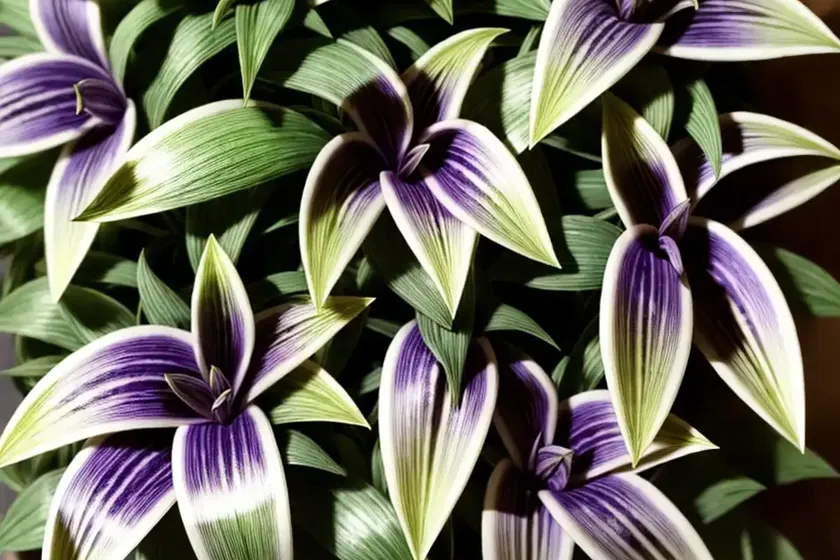
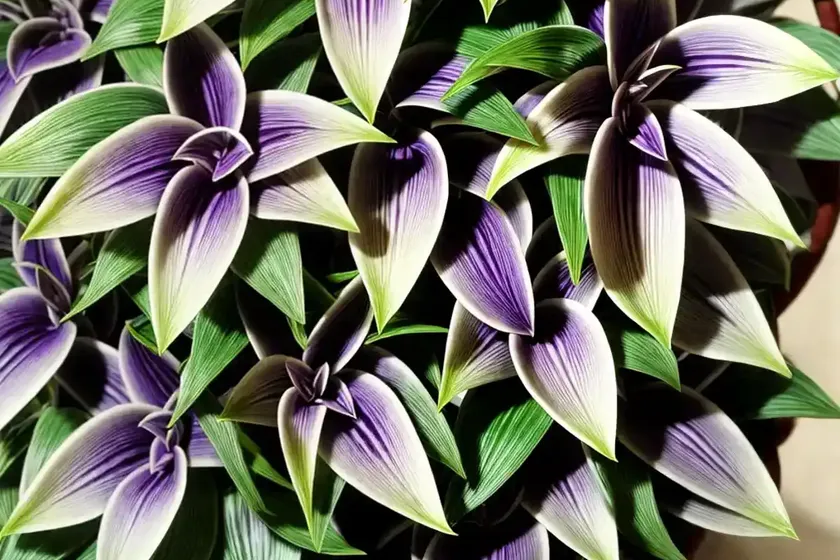
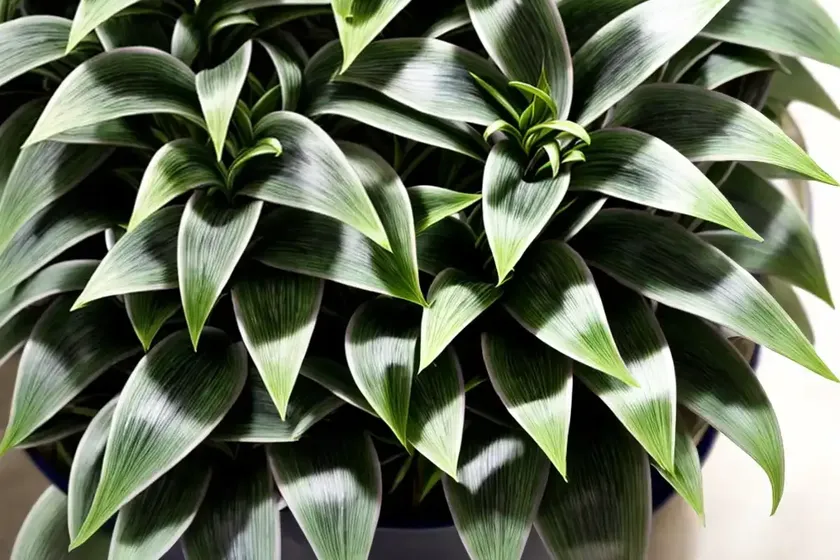
Plants are not only beautiful additions to our homes and gardens, but they also contribute to our well-being in many ways. One such plant that has garnered attention for its striking appearance and easy care requirements is Tradescantia zebrina, also known as Wandering Jew. In this extensive guide, we will delve into the fascinating world of Tradescantia zebrina, exploring its cultural significance, uses, care requirements, propagation methods, common diseases, pests, and much more. Whether you are a seasoned plant enthusiast or just beginning your journey as a plant parent, this comprehensive resource will equip you with the knowledge and skills to cultivate and nurture this captivating plant species successfully.
Table of Contents
- Introduction to Tradescantia Zebrina
- Key Takeaways
- Plant Culture
- Uses
- Water
- Sunlight
- Fertilizer
- Soil
- Pruning
- Propagation
- Container Popularity
- Common Diseases
- Disease Diagnosis
- Common Pests
- Botanist’s Tips
- Fun Facts
- Links to External Resources
Introduction to Tradescantia Zebrina
Tradescantia zebrina, commonly known as Wandering Jew or Zebrina pendula, is a species of spiderwort plant native to the Gulf Coast region of Eastern Mexico. The plant belongs to the Commelinaceae family and is characterized by its vibrant, trailing stems adorned with striking foliage featuring shades of green, silver, and purple. Tradescantia zebrina is widely cultivated as an ornamental plant due to its low maintenance requirements and decorative appeal, making it a popular choice for both indoor and outdoor settings.
Key Takeaways
Before we delve into the specific aspects of plant culture and care, let’s highlight some key takeaways about Tradescantia zebrina:
- Tradescantia zebrina is a visually appealing houseplant known for its attractive trailing foliage with purple undersides.
- This plant is well-loved for its versatility, as it thrives in various settings, including hanging baskets, containers, and as ground cover in outdoor landscapes.
- Due to its low maintenance needs, Tradescantia zebrina is an excellent choice for beginner and experienced plant enthusiasts alike.
- The plant’s vibrant colors and trailing growth habit make it an eye-catching addition to any indoor or outdoor space.
- Tradescantia zebrina is a resilient plant when provided with the right care, making it a rewarding selection for plant parents.
Now, let’s explore the specific aspects of cultivating and caring for Tradescantia zebrina.
Plant Culture
Uses
Tradescantia zebrina is valued for its ornamental qualities and is often used in the following applications:
- Indoor Decor: The plant’s trailing stems and vibrant foliage make it a popular choice for hanging baskets, where it adds a touch of natural beauty to interior spaces.
- Outdoor Landscaping: In outdoor settings, Tradescantia zebrina is utilized as a ground cover due to its spreading growth habit and attractive foliage.
- Tabletop Decoration: The compact nature of Tradescantia zebrina’s growth also makes it suitable for use as a tabletop or desktop decoration, adding a splash of color to office environments or living spaces.
Water
Proper watering is essential for the health and vitality of Tradescantia zebrina. Here are some guidelines to ensure optimal watering practices:
- Moderate Moisture: Tradescantia zebrina prefers consistently moist soil but is susceptible to root rot if overwatered. Water the plant when the top inch of soil feels dry to the touch, and ensure that any excess water drains freely from the pot.
- Avoid Waterlogging: Excess water accumulation can lead to waterlogging, which can compromise the plant’s root system. Ensure that the pot has drainage holes and allow the soil to dry out slightly between waterings to prevent waterlogging.
Sunlight
Proper sunlight exposure is crucial for maintaining the vibrant foliage and overall health of Tradescantia zebrina. Consider the following recommendations for providing adequate sunlight:
- Bright, Indirect Light: Tradescantia zebrina thrives in bright, indirect light conditions. Place the plant near a window where it can receive ample natural light without being exposed to direct sunlight, which can scorch the delicate foliage.
- Low-Light Tolerance: While the plant prefers bright light, it can tolerate lower light conditions, although this may result in reduced vibrancy of the foliage. In low-light areas, consider supplementing with artificial grow lights to support healthy growth.
Fertilizer
To promote optimal growth and foliage color, providing regular fertilization is beneficial for Tradescantia zebrina. Here are some key considerations for fertilizing this plant:
- Balanced Fertilizer: Use a balanced, water-soluble fertilizer formulated for indoor plants to provide essential nutrients to Tradescantia zebrina. Apply the fertilizer at half strength every 4-6 weeks during the growing season (spring and summer).
- Avoid Over-Fertilization: Excessive fertilization can lead to salt buildup in the soil, causing nutrient imbalances and potential damage to the plant. Follow the recommended dilution and application guidelines for the chosen fertilizer to prevent over-fertilization.
Soil
Selecting the right soil type is crucial for ensuring adequate drainage and providing a suitable growing medium for Tradescantia zebrina. Consider the following soil recommendations for cultivating this plant:
- Well-Draining Potting Mix: Tradescantia zebrina thrives in a well-draining potting mix that retains moisture without becoming waterlogged. Use a high-quality, peat-based potting mix with added perlite or coarse sand to improve drainage.
- Aeration and Moisture Retention: The ideal potting mix for Tradescantia zebrina provides aeration for the roots while retaining sufficient moisture to support healthy growth. Avoid heavy, compacted soils that can impede drainage and airflow around the root system.
Pruning
Regular pruning is beneficial for maintaining the appearance and vigor of Tradescantia zebrina. Follow these tips for effective pruning of this plant:
- Trimming Overgrown Stems: Prune overgrown or leggy stems to encourage branching and a fuller growth habit. Use clean, sharp scissors or pruning shears to make clean cuts just above a leaf node or joint.
- Removing Faded Foliage: Trim or pinch off any faded or discolored foliage to maintain the plant’s aesthetic appeal and encourage new growth. Regular grooming of the plant helps prevent the accumulation of dead or decaying foliage.
Propagation
Propagating Tradescantia zebrina is a rewarding way to expand your plant collection or share this beautiful species with fellow plant enthusiasts. Consider the following propagation methods for Wandering Jew plant:
Propagation by Stem Cuttings
- Selecting Cuttings: Choose healthy, non-flowering stem cuttings from the parent plant, ensuring that each cutting has several nodes where leaves are attached.
- Rooting in Water or Soil: Place the cuttings in a glass of water or directly into a moist potting mix, ensuring that at least one node is submerged or buried. Keep the cuttings in a warm, bright location and monitor for root development.
Division of Mature Plants
- Separating Rhizomes: For mature Tradescantia zebrina plants, gently loosen the root ball and identify natural divisions or rhizomes. Carefully separate these sections and plant them in individual containers or suitable growing locations.
Container Popularity
Tradescantia zebrina is a versatile plant that is well-suited for various types of containers, owing to its trailing growth habit and ornamental foliage. The following container options are popular for cultivating and displaying Wandering Jew plant:
- Hanging Baskets: Tradescantia zebrina shines as a hanging plant, cascading gracefully from elevated containers and adding a lush, decorative element to indoor and outdoor spaces.
- Pots and Planters: When grown in pots or planters, Tradescantia zebrina can be displayed on tabletops, shelves, or as part of a larger plant arrangement, showcasing its colorful foliage and trailing stems.
- Vertical Gardens: Consider incorporating Tradescantia zebrina into vertical garden displays, where its cascading growth adds visual interest and texture to living walls and vertical planters.
Common Diseases
While Tradescantia zebrina is generally resilient to many common plant diseases, it can be susceptible to certain issues under unfavorable growing conditions. Understanding and identifying these potential diseases is essential for maintaining the health of the plant.
Disease Diagnosis
- Fungal Leaf Spot: This condition presents as dark, water-soaked spots on the foliage, often accompanied by yellowing or browning of the affected leaves. Ensure proper air circulation and avoid overhead watering to prevent fungal leaf spot.
- Root Rot: Overwatering or waterlogging can lead to root rot, characterized by mushy, discolored roots and wilting foliage. Adjust the watering frequency and ensure proper drainage to prevent root rot.
- Powdery Mildew: A white, powdery growth on the foliage indicates powdery mildew, a fungal disease that thrives in humid conditions. Maintain moderate humidity levels and provide good airflow to prevent powdery mildew.
Common Pests
Despite its resilience, Tradescantia zebrina can attract certain pests that may compromise its growth and appearance. Identifying and addressing these common pests is crucial for the plant’s well-being.
Botanist’s Tips
Drawing from botanical expertise and practical experience, here are some valuable tips for cultivating and caring for Tradescantia zebrina:
- Regular Inspection: Routinely inspect the plant for signs of pests, diseases, or nutrient deficiencies, addressing any issues promptly to prevent their escalation.
- Supporting Trailing Stems: Provide support for the trailing stems of Tradescantia zebrina, especially when grown in hanging baskets, to prevent breakage and encourage healthy growth habits.
- Pruning Guidelines: When pruning Tradescantia zebrina, aim to maintain a balanced, aesthetically pleasing shape while removing any damaged or excess growth for overall plant health.
Fun Facts
To further appreciate the unique characteristics and appeal of Tradescantia zebrina, here are some fun and fascinating facts about this captivating plant species:
- The common name “Wandering Jew” is thought to originate from the plant’s wandering, rapid growth habits and persistence in various environments.
- Tradescantia zebrina exhibits a phenomenon known as “nyctinasty,” where its leaves undergo noticeable movement in response to changes in light and darkness, folding up at night and opening during the day.
- In addition to its attractive appearance, Tradescantia zebrina is recognized for its air-purifying properties, helping to enhance the air quality in indoor spaces.
- This plant is beloved for its ease of propagation, with stem cuttings readily rooting in water or soil and mature plants readily dividing to create new growth.
Links to External Resources
We encourage you to explore the following external resources for further information on Tradescantia zebrina care, propagation, and cultivation:
- The Spruce – How to Grow and Care for Wandering Jew Plants
- University of Florida IFAS Extension – Wandering Jew (Zebrina Pendula)
- Gardening Know How – Wandering Jew Tradescantia Houseplant: Tips For Growing Wandering Jew Indoors
In conclusion, Tradescantia zebrina (Wandering Jew) is a captivating and adaptable plant species that has earned its place as a beloved choice for indoor and outdoor cultivation. By understanding and implementing the recommended care practices, propagation methods, and pest and disease management techniques, you can cultivate thriving, vibrant specimens of this alluring plant. Whether you are drawn to its striking foliage, air-purifying attributes, or ease of care, Tradescantia zebrina is sure to enhance your plant collection and bring natural beauty to your living spaces. Happy gardening!