Tradescantia Fluminensis Tricolor (Tradescantia Fluminensis ‘Tricolor’)
Plants have been a source of fascination for humans for centuries. Their diversity and beauty have attracted the attention of botanists, horticulturists.
Introduction
Plants have been a source of fascination for humans for centuries. Their diversity and beauty have attracted the attention of botanists, horticulturists, and plant enthusiasts alike. One such plant that has gained popularity for its striking foliage and easy-going nature is the Tradescantia fluminensis tricolor, also known as Tradescantia fluminensis ‘Tricolor’.
In this comprehensive guide, we will delve into the various aspects of caring for and appreciating the beauty of Tradescantia fluminensis tricolor. From its cultural significance to its propagation and maintenance, we will explore every facet of this captivating plant.
What is Tradescantia Fluminensis Tricolor?
Tradescantia fluminensis tricolor is a type of wandering jew plant that belongs to the Commelinaceae family. It is known for its variegated foliage, featuring a striking combination of green, pink, and white colors. The leaves are typically lance-shaped and grow in an alternating pattern along the stems, creating a lush and dense appearance.
This plant is native to South America and is commonly grown as a houseplant in various parts of the world due to its ornamental appeal. With the right care, it can thrive both indoors and outdoors, making it a versatile choice for plant enthusiasts.
Key Takeaways
Culture
- Tradescantia fluminensis tricolor is renowned for its vibrant and variegated foliage, making it a visually appealing addition to any indoor space.
- Its trailing growth habit adds a touch of elegance to hanging baskets and elevated planters.
Uses
- This plant is primarily used for ornamental purposes, adding a pop of color and texture to indoor gardens, terrariums, and plant arrangements.
- Its cascading nature makes it an excellent choice for vertical gardens and trailing plant displays.
Water
- Tradescantia fluminensis tricolor has moderate water requirements. It is important not to overwater, as it can lead to root rot.
- Regular but controlled watering, allowing the soil to partially dry out between waterings, is ideal for maintaining healthy growth.
Sunlight
- When it comes to sunlight, this plant thrives in bright, indirect light. Too much direct sun can cause the delicate foliage to scorch, while low light conditions may result in leggy growth.
Fertilizer
- A balanced liquid fertilizer can be applied during the growing season to support the plant’s vitality and encourage lush foliage.
Soil
- Well-draining potting mix with a good balance of organic matter is optimal for Tradescantia fluminensis tricolor. A mix formulated for tropical plants can provide the necessary nutrients and aeration.
Pruning
- Regular pruning is key to maintaining a compact and bushy habit, as well as to encourage new growth. Trimming back leggy stems can help the plant maintain its decorative appearance.
Propagation
- This plant can be easily propagated through stem cuttings, allowing for the expansion of your plant collection or the sharing of cuttings with fellow gardening enthusiasts.
Container
- Tradescantia fluminensis tricolor is well-suited to a variety of containers, from hanging baskets to decorative pots. Selecting containers that complement its trailing nature can enhance its visual impact.
Popularity
- Due to its stunning foliage and low-maintenance care requirements, Tradescantia fluminensis tricolor has gained popularity among indoor plant enthusiasts and botanical admirers.
Common Diseases
- Keeping an eye out for signs of root rot, leaf spot, and powdery mildew is essential for maintaining the health of this plant.
Disease Diagnosis
- Identifying and addressing diseases promptly is crucial to prevent the spread of pathogens and protect the overall well-being of the plant.
Common Pests
- Mealybugs, spider mites, and aphids are common pests that may affect Tradescantia fluminensis tricolor. Regular monitoring and appropriate pest management strategies are important for pest control.
Botanist’s Tips
- Consistent Moisture: While allowing the soil to partially dry out between waterings is recommended, it’s important to maintain consistent moisture levels to avoid stress on the plant.
- Pruning Techniques: Utilize regular pruning to shape the plant and remove any leggy growth, promoting a fuller and more compact appearance.
- Supportive Structure: As a trailing plant, providing a trellis or support can encourage upward growth and create visually appealing displays.
Fun Facts
- The variegated leaves of Tradescantia fluminensis tricolor result from a combination of different pigments, creating its distinct coloration.
- In addition to its ornamental value, this plant has air-purifying properties, contributing to indoor air quality.
Links to External Resources
For further information and visual references, the following resources can be explored:
– The Plant List
– Royal Horticultural Society
– Missouri Botanical Garden
Now that we have established an overview of Tradescantia fluminensis tricolor, let’s delve into the detailed care requirements and characteristics of this captivating plant.
Plant Name: Tradescantia Fluminensis Tricolor (Tradescantia Fluminensis ‘Tricolor’)
Tradescantia Fluminensis Tricolor (Tradescantia Fluminensis ‘Tricolor’) – A Closer Look
Botanical Features
- Leaf Structure: The lance-shaped leaves of Tradescantia fluminensis tricolor feature a distinctive variegation, with hues of green, pink, and white creating an eye-catching display.
- Growth Habit: This plant exhibits a trailing growth habit, making it ideal for hanging baskets and decorative planters.
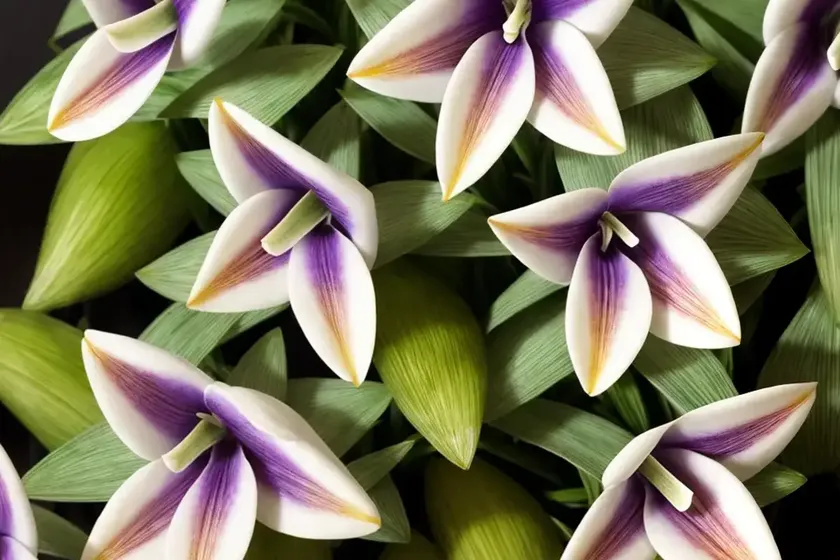
- Flower Appearance: The small, three-petaled flowers of Tradescantia fluminensis tricolor are typically inconspicuous and may appear sporadically.
Origin and Native Habitat
- Tradescantia fluminensis tricolor is native to South America, where it thrives in tropical and subtropical regions.
- It is often found growing in shaded, moist areas, displaying its adaptability to varying light and moisture conditions.
Growth Rate and Plant Size
- Under optimal conditions, this plant can exhibit vigorous growth, producing cascading stems that contribute to its lush appearance.
- In terms of size, Tradescantia fluminensis tricolor can spread out and fill its container, creating a dense and verdant display.
Trailing Characteristics and Decorative Foliage
- One of the most distinctive features of Tradescantia fluminensis tricolor is its trailing growth, which lends itself to various creative planting arrangements.
- The variegated foliage enhances the aesthetic appeal of this plant, adding a touch of vibrancy and elegance to its surroundings.
Light and Shade Requirements
- Bright, indirect light is ideal for promoting healthy growth and maintaining the vivid coloration of the leaves.
- While Tradescantia fluminensis tricolor thrives in well-lit conditions, it is also capable of tolerating lower light levels, making it adaptable to different indoor environments.
Variegated Leaf Patterns and Color Combinations
- The variegated leaves of this plant display a remarkable array of patterns, with unique combinations of green, pink, and white that create a visually captivating display.
- The diverse color combinations and intricate leaf patterns contribute to the overall allure of Tradescantia fluminensis tricolor.
Temperature Tolerance and Humidity Preferences
- As a tropical plant, Tradescantia fluminensis tricolor thrives in warm and humid environments.
- It is important to maintain consistent humidity levels, especially in drier climates, to support the plant’s growth and vitality.
Water Retention Ability and Soil Moisture Preferences
- This plant exhibits moderate water retention ability, allowing it to adapt to regular watering while also tolerating brief periods of soil dryness.
- Maintaining slightly moist but well-draining soil is crucial for preventing waterlogged conditions and promoting healthy root development.
Air Purification Benefits and Low-Maintenance Qualities
- Tradescantia fluminensis tricolor possesses air-purifying properties, enhancing the quality of indoor air by removing certain pollutants and toxins.
- Its low-maintenance nature makes it an attractive choice for individuals seeking a visually striking plant that requires minimal intervention.
Seasonal Care Guide and Stress Response
- Adapting its growth and water requirements to seasonal changes is important for ensuring the well-being of Tradescantia fluminensis tricolor.
- Monitoring the plant’s response to stressors such as temperature fluctuations and changes in light levels can guide adjustments in care practices.
Now that we have explored the botanical and horticultural aspects of Tradescantia fluminensis tricolor, let’s shift our focus to the specific care tips and maintenance guidelines for this captivating plant.
Tradescantia Fluminensis ‘Tricolor’ Care Guidelines
Sunlight Needs
Tradescantia fluminensis ‘Tricolor’ thrives in bright, indirect light, making it ideal for placement near east- or west-facing windows. While it appreciates ample sunlight, it is important to protect the plant from direct sun exposure, as the delicate foliage can be susceptible to sunburn.
Watering Requirements
Maintaining consistent moisture levels is essential for the well-being of Tradescantia fluminensis ‘Tricolor. Water the plant thoroughly when the top inch of the soil feels dry to the touch, allowing excess water to drain freely from the pot. Avoid overwatering, as this can lead to root rot and other issues.
Soil Preferences
Well-draining potting mix with a balanced blend of organic matter, such as peat moss and perlite, provides an optimal growing medium for Tradescantia fluminensis ‘Tricolor. A soil mix designed for tropical plants can also meet the plant’s nutritional and aeration needs.
Fertilizing
During the growing season, from spring to fall, apply a diluted, balanced liquid fertilizer to Tradescantia fluminensis ‘Tricolor every 2-4 weeks. This periodic feeding supports healthy growth and vibrant foliage development.
Pruning Techniques
Regular pruning is vital for maintaining the compact and bushy appearance of Tradescantia fluminensis ‘Tricolor. Trim back leggy stems to encourage branching and new growth, promoting a fuller and more attractive form.
Temperature Considerations
Maintain a consistent, moderate temperature range of 65-75°F (18-24°C) for Tradescantia fluminensis ‘Tricolor. Avoid exposing the plant to sudden temperature fluctuations and drafts, as these can stress the plant and affect its growth.
Humidity Management
As a tropical plant, Tradescantia fluminensis ‘Tricolor benefits from increased humidity levels. Regular misting or the use of a humidifier can help create a favorable environment, especially in dry indoor settings.
Pest Control
Vigilant monitoring for common pests such as mealybugs, spider mites, and aphids is essential for preventing infestations. If pests are detected, prompt treatment with insecticidal soap or neem oil can help address the issue effectively.
Disease Prevention
To prevent common plant diseases such as root rot and powdery mildew, it is important to maintain proper watering practices and adequate air circulation around the plant. Avoiding overwatering and ensuring good ventilation can contribute to disease prevention.
Repotting Needs
As Tradescantia fluminensis ‘Tricolor grows, it may require repotting every 1-2 years to provide ample space for root development. When repotting, choose a slightly larger container and refresh the potting mix to support continued growth.
Propagation Methods
This plant can be easily propagated through stem cuttings. Select healthy stems and trim them at a node, then place the cuttings in water or a suitable potting mix to encourage the development of roots.
Seasonal Considerations
Adjusting care routines to accommodate seasonal changes in light, temperature, and humidity helps ensure the well-being of Tradescantia fluminensis ‘Tricolor. Monitoring the plant’s response to seasonal transitions can guide tailored care practices.
Aesthetic Arrangements
Utilize the trailing and variegated nature of Tradescantia fluminensis ‘Tricolor to create visually appealing indoor plant arrangements, hanging baskets, and decorative displays. This plant’s vibrant foliage can serve as a focal point in various settings.
Companion Planting
Consider pairing Tradescantia fluminensis ‘Tricolor with companion plants that complement its colors and growth habits. Selecting plants with contrasting foliage or textures can create dynamic and harmonious combinations.
Low-Maintenance Appeal
Enjoy the low-maintenance qualities of Tradescantia fluminensis ‘Tricolor, as it requires minimal intervention to thrive. Its resilience and adaptability make it an excellent choice for both beginner and experienced plant enthusiasts.
Pet-Friendly Nature
Tradescantia fluminensis ‘Tricolor is considered safe for pets, but as with any plant, it is advisable to monitor pets’ interactions with the plant to ensure their safety and well-being.
Ethereal Hanging Plant Displays
Utilize the trailing characteristics of Tradescantia fluminensis ‘Tricolor to create ethereal hanging plant displays, complementing its cascading growth with strategically placed containers and supporting structures.
Container Gardening
Explore the creative potential of container gardening with Tradescantia fluminensis ‘Tricolor. The plant’s adaptability to different container sizes and types allows for diverse arrangements and displays.
Indoor Plant Styling
Incorporate Tradescantia fluminensis ‘Tricolor into indoor plant styling, using its vibrant foliage and trailing nature to add visual interest and lush greenery to interior spaces.
Hanging Basket Ideas
Elevate your indoor gardening with inspiring hanging basket ideas featuring Tradescantia fluminensis ‘Tricolor. Combine this plant with complementary species to create captivating and dynamic displays.
Air Purification Benefits
Leverage the air purification benefits of Tradescantia fluminensis ‘Tricolor to improve indoor air quality, creating healthier and more inviting living environments.
Stress Response Management
Monitor the plant’s response to stressors such as changes in temperature, light, and watering, and adjust care practices to alleviate stress and promote resilience.
Trailing Plant Arrangements
Integrate Tradescantia fluminensis ‘Tricolor into trailing plant arrangements, utilizing its distinctive foliage and growth habit to create visually captivating displays.
Variegated Leaf Patterns
Explore the diverse variegated leaf patterns of Tradescantia fluminensis ‘Tricolor and appreciate the intricate color combinations and textures that contribute to its ornamental appeal.
Lighting and Shade Considerations
Adapt to the lighting and shade preferences of Tradescantia fluminensis ‘Tricolor to provide an environment that promotes healthy growth and vibrant foliage.
Vibrant Foliage
Celebrate the vibrant foliage of Tradescantia fluminensis ‘Tricolor, appreciating the rich colors and patterns that make this plant a captivating addition to any indoor space.
Container Maintenance
Maintain the health and growth of Tradescantia fluminensis ‘Tricolor by selecting suitable pot sizes, providing adequate drainage, and refreshing the potting mix as needed.
Soil Moisture Management
Carefully manage soil moisture levels to accommodate the water retention abilities of Tradescantia fluminensis ‘Tricolor, allowing the soil to partially dry out between waterings to prevent waterlogged conditions.
Now that we have covered the extensive care guidelines and characteristics of Tradescantia fluminensis ‘Tricolor, let’s explore the diagnostic and management aspects related to potential diseases and pests.
Disease Diagnosis and Pest Management
Common Diseases of Tradescantia Fluminensis ‘Tricolor’
Tradescantia fluminensis ‘Tricolor is susceptible to certain diseases that can compromise its health and appearance. Common diseases to watch out for include:
– Root Rot: Overwatering and poorly drained soil can lead to root rot, causing wilting and yellowing of the plant.
– Leaf Spot: Fungal infections may cause dark, water-soaked spots on the leaves, leading to deterioration of foliage.
– Powdery Mildew: White, powdery fungal growth on the leaves can indicate powdery mildew, impacting the plant’s overall aesthetics.
Disease Diagnosis and Response
Timely diagnosis and intervention are crucial for managing plant diseases effectively. Identifying the symptoms and underlying causes of diseases can guide appropriate responses, such as adjusting watering practices and providing targeted treatments.
Common Pests Affecting Tradescantia Fluminensis ‘Tricolor’
Several pests can pose threats to the health of Tradescantia fluminensis ‘Tricolor, including:
– Mealybugs: Small, white, cottony insects that may congregate in leaf axils and along stems, feeding on plant sap.
– Spider Mites: Tiny, arachnid pests that can cause stippling and webbing on the leaves, impacting the plant’s vigor.
– Aphids: Small, soft-bodied insects that feed on the plant’s sap, leading to distorted growth and yellowing of leaves.
Pest Monitoring and Treatment
Regular inspection of the plant for signs of pest infestations is essential for early detection and control. Effective treatment options may include insecticidal soap, neem oil, or other targeted pest management strategies to address specific pest issues.
Integrated Pest Management
Implementing an integrated pest management (IPM) approach involves a combination of preventive measures, cultural practices, and, if necessary, targeted interventions to manage pests while minimizing the use of chemical treatments.
Disease and Pest Prevention
Consistent care practices, proper plant hygiene, and maintaining a favorable growing environment are key components of disease and pest prevention. Observing good watering habits, providing adequate air circulation, and practicing vigilant monitoring can help prevent issues from arising.
Conclusion
In conclusion, Tradescantia fluminensis ‘Tricolor is a captivating and versatile plant that possesses not only ornamental beauty but also a resilient and adaptable nature. Its vibrant variegated foliage, trailing growth habit, and low-maintenance qualities make it a valuable addition to indoor gardens, hanging displays, and plant collections.
By understanding its cultural requirements, propagation methods, and disease and pest management considerations, plant enthusiasts can nurture and appreciate the unique qualities of Tradescantia fluminensis ‘Tricolor. Whether utilized as a standalone feature or incorporated into creative plant arrangements, this plant offers an abundance of aesthetic and horticultural appeal.
With its air-purifying properties, decorative foliage, and low-maintenance care requirements, Tradescantia fluminensis ‘Tricolor has rightfully earned its place as a cherished species in the realm of indoor gardening and horticulture. Its vivid colors, trailing characteristics, and adaptability to different environments make it an excellent choice for individuals seeking a visually striking and resilient plant companion.
As we continue to explore the diverse and enchanting world of plants, Tradescantia fluminensis ‘Tricolor stands as a testament to the captivating allure and botanical intrigue that each species brings to our lives.
*Note: The