Tomato (Solanum Lycopersicum)
Tomato (Solanum lycopersicum) is a popular vegetable and a staple in many cuisines around the world. As a plant scientist, I find the biology and.
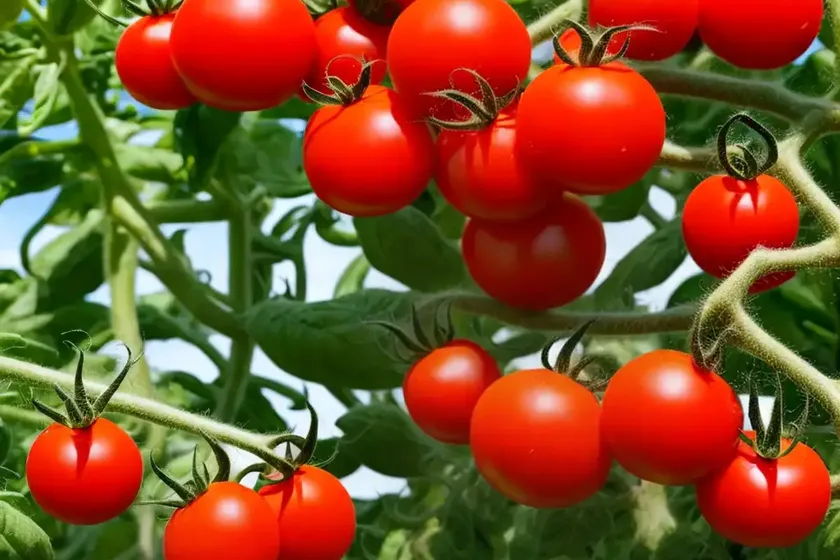
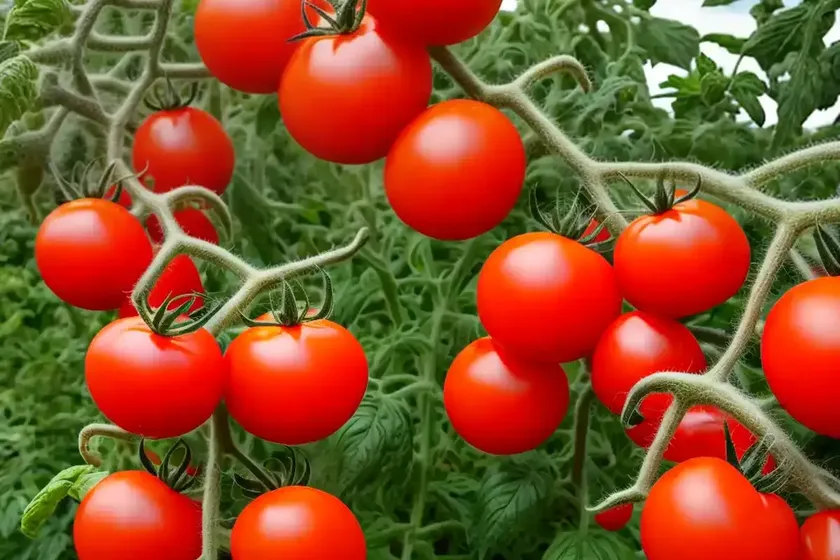
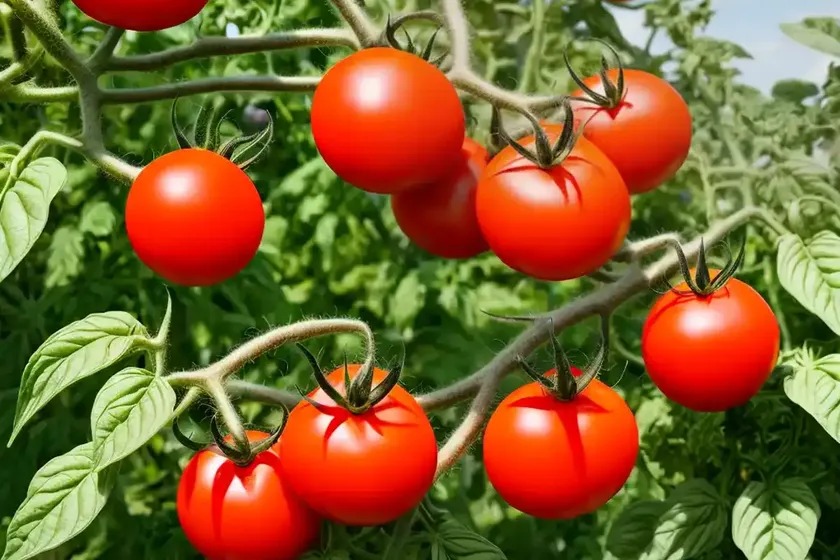
Tomato (Solanum lycopersicum) is a popular vegetable and a staple in many cuisines around the world. As a plant scientist, I find the biology and cultivation of tomato plants to be truly fascinating. In this comprehensive guide, we will delve into the intricacies of the tomato plant, exploring its culture, uses, growth requirements, common diseases, and pest management. Whether you are a seasoned gardener or a novice enthusiast, there is always something new and intriguing to learn about these versatile plants.
What is a Tomato?
The tomato, scientifically known as Solanum lycopersicum, belongs to the Solanaceae family, which also includes other economically important plants like potatoes, eggplants, and chili peppers. Tomatoes are native to western South America and were first domesticated in Mexico. These warm-season plants are grown as annuals in temperate climates, but they are perennials in their native habitat.
Tomato plants are known for their sprawling growth habit, with varying forms from the compact determinate types to the more sprawling and vine-like indeterminate varieties. The versatility of these plants makes them suitable for cultivation in gardens, greenhouses, and even containers, offering an abundant harvest of flavorful fruits.
Key Takeaways about Tomato (Solanum lycopersicum)
Let’s start by highlighting some key takeaways about the tomato plant. Understanding these fundamental aspects provides a solid foundation for successful cultivation and management.
Culture
- Botanical Name: Solanum lycopersicum
- Plant Type: Warm-season annual (perennial in native habitat)
- Growth Habit: Determinate or indeterminate
- Hardiness Zone: 3-10 (USDA zones)
- Lifecycle: Typically grown as an annual
- Optimal Temperature: 70-85°F (21-29°C)
Uses
- Culinary: Fruits are commonly used in salads, sauces, soups, and various cooked dishes.
- Commercial: Widely cultivated for the fresh market, processing into sauces, ketchup, and canned products.
- Medicinal: Rich in antioxidants, vitamins, and minerals, with potential health benefits.
Water
- Key Requirement: Consistent moisture without waterlogged conditions.
- Irrigation: Regular watering, especially during the fruit development stage, but avoiding overhead watering to minimize foliar diseases.
- Watering Frequency: Generally 1-1.5 inches of water per week, adjusting based on weather conditions and soil moisture.
Sunlight
- Sun Exposure: Full sun (6-8 hours of direct sunlight per day).
- Light Requirements: Adequate sunlight for healthy growth, flower initiation, and fruit development.
- Shading: Protecting plants during extreme heat to prevent sunscald on fruits.
Fertilizer
- Nutrient Needs: Balanced nutrition for healthy foliage, flowers, and fruit set.
- Soil Testing: Conducting soil tests to guide fertilizer application.
- Application: Both organic and synthetic fertilizers can be used, with nitrogen, phosphorus, and potassium being key elements.
Soil
- Preferred Type: Well-draining, loamy soil with good fertility.
- Soil pH: Slightly acidic to neutral range (pH 6.0-6.8).
- Amendments: Organic matter, compost, or aged manure for improving soil structure and fertility.
Pruning
- Purpose: Managing plant vigor, improving air circulation, and focusing energy on fruit production.
- Techniques: Removal of suckers in indeterminate varieties, selective pruning for airflow and light penetration.
- Timing: Pruning throughout the growing season, especially in indeterminate types.
Propagation
- Methods: Seeds, stem cuttings, or tissue culture for mass propagation.
- Seed Starting: Sowing seeds indoors 6-8 weeks before the last frost date.
- Transplanting: Establishing seedlings in the garden after the danger of frost has passed.
Container Popularity
- Suitable Varieties: Compact or dwarf indeterminate types for container cultivation.
- Advantages: Space-saving, portability, and potential for indoor or balcony gardening.
- Considerations: Adequate container size, proper drainage, and regular maintenance.
Common Diseases
- Pathogens: Fungal, bacterial, and viral diseases impacting foliage, stems, and fruits.
- Diagnosis: Identifying symptoms for targeted disease management.
Disease Diagnosis
- Symptoms: Leaf spots, wilting, fruit rot, and discoloration.
- Prevention: Cultural practices, resistant varieties, and proper sanitation.
Common Pests
- Insects: Aphids, hornworms, mites, and whiteflies.
- Management: Integrated pest management (IPM), biological controls, and organic sprays.
Now that we have outlined the fundamental aspects of tomato plant culture and management, let’s delve deeper into each of these topics to gain a comprehensive understanding of cultivating healthy and productive tomato plants.
Tomato Varieties
Tomatoes come in a diverse range of shapes, sizes, colors, and flavors, offering a plethora of options to suit various culinary preferences and growing conditions. From the classic round red types to the exotic heirlooms and compact container varieties, there is a tomato for every gardener. Understanding the different growth habits and fruit characteristics of these varieties is essential for selecting the most suitable types for your garden.
Tomato Growth Stages
Tomato plants undergo distinct growth stages, from seed germination to fruit ripening. Understanding these stages is crucial for timing cultural practices, assessing plant health, and predicting harvest periods. The growth stages can be categorized as follows:
- Germination: The emergence of the seedling from the soil, marked by the appearance of cotyledon leaves.
- Seedling: The early vegetative stage characterized by the development of true leaves and the establishment of root and shoot systems.
- Vegetative Growth: Rapid foliar and stem development, with the formation of lateral branches and flower buds in indeterminate types.
- Flowering: The initiation and development of flower clusters, marking the transition to the reproductive phase.
- Fruit Development: Formation, enlargement, and ripening of fruits, accompanied by ongoing vegetative growth.
- Ripening and Maturation: The final stage, where fruits reach their optimal size, color, and flavor, signaling readiness for harvest.
Tomato Plant Nutrition
Nutrient management is essential for ensuring robust growth, high yields, and optimal fruit quality in tomato plants. The key nutrients required by tomatoes include nitrogen (N), phosphorus (P), potassium (K), calcium (Ca), magnesium (Mg), sulfur (S), and various micronutrients. Achieving a balanced and well-timed nutrition program is vital for preventing deficiencies, disorders, and nutrient-related diseases.
Tomato Plant Support
Tall and sprawling indeterminate tomato varieties often require support to maintain upright growth, enhance airflow, and prevent fruit rot. Various support systems, such as trellises, stakes, cages, and string supports, can be employed to manage the vigorous growth of these plants and ensure efficient fruit production.
Tomato Plant Spacing
Optimal plant spacing is critical for maximizing light penetration, airflow, and access for cultural practices while preventing overcrowding and competition among plants. Adequate spacing also aids in disease prevention, facilitates harvesting, and supports overall plant health and productivity.
Tomato Plant Watering
Consistent and appropriate watering is essential for promoting healthy growth, flower development, and fruit production while minimizing water-related disorders and diseases. Understanding the water requirements at different growth stages, adjusting irrigation based on environmental conditions, and employing efficient watering practices are key considerations for successful tomato cultivation.
Tomato Plant Fertilization
Balanced fertilization is crucial for providing essential nutrients, optimizing plant growth, and maximizing fruit yield and quality. Understanding the nutrient requirements, selecting appropriate fertilizer formulations, and implementing precise application methods are vital for preventing nutrient imbalances, supporting flowering and fruiting, and minimizing environmental impacts.
Tomato Plant Pests and Diseases
Insect pests, pathogens, and environmental stressors can significantly impact tomato plant health and productivity. By recognizing the symptoms and early signs of common pests and diseases, implementing preventive measures, and employing targeted management strategies, growers can effectively safeguard their tomato crops against potential threats.
Tomato Plant Companion Planting
Companion planting involves the strategic arrangement of plant species to optimize space utilization, enhance biodiversity, and provide mutual benefits such as pest control, nutrient cycling, and microclimate modification. Selecting suitable companion plants for tomatoes can help improve overall garden health and productivity while minimizing pest pressure and promoting natural ecological balance.
Tomato Plant Sunlight Requirements
Sunlight is a primary energy source for photosynthesis, flower initiation, and fruit development in tomato plants. Understanding the optimal sunlight requirements, mitigating excessive heat stress, and maximizing light exposure are essential for achieving robust growth, high yields, and flavorful fruits.
Tomato Plant Temperature Tolerance
Tomato plants exhibit varying degrees of temperature tolerance, with optimal growth occurring within a specific temperature range. Understanding the effects of temperature extremes, implementing measures to mitigate heat stress or cold damage, and selecting suitable varieties for local climatic conditions are crucial for successful tomato cultivation.
Tomato Plant Soil Requirements
Good soil quality, proper drainage, and optimal fertility are critical for promoting healthy root development, nutrient uptake, and overall plant vigor in tomato plants. Assessing soil properties, addressing specific soil challenges, and implementing soil management practices can greatly influence plant performance and yield.
Tomato Plant Transplanting
Successful transplanting involves transitioning seedlings from controlled indoor environments to outdoor garden settings while minimizing stress and ensuring rapid establishment. Understanding the timing, techniques, and best practices for transplanting tomatoes is essential for promoting strong root development and vigorous growth.
Tomato Plant Pollination
Effective pollination is essential for fruit set and development in tomato plants, especially for varieties that require cross-pollination. Understanding the role of pollinators, promoting natural pollination, and implementing supplementary pollination practices can help ensure optimal fruit yield and quality.
Tomato Plant Propagation
Seed propagation remains the primary method for starting tomato plants; however, vegetative propagation through stem cuttings or tissue culture may also be utilized for specific purposes. Understanding the different propagation techniques, selecting suitable propagation materials, and ensuring optimal environmental conditions are crucial for successful plant establishment.
Tomato Plant Maturity
Determining the optimum harvest time for ripe and flavorful tomatoes is essential for maximizing quality and taste. Monitoring fruit development stages, assessing maturity indicators, and employing proper harvesting techniques are vital for preserving post-harvest quality and flavor.
Tomato Plant Yield
Maximizing tomato yield involves optimizing plant growth, enhancing flower and fruit development, and minimizing potential yield-limiting factors such as pest damage or diseases. Implementing proven yield enhancement strategies, coupled with attentive crop management, can contribute to bountiful harvests of high-quality tomatoes.
Tomato Plant Trellis
Trellising is a widely adopted method for managing the growth of indeterminate tomato varieties, promoting efficient fruit production, and conserving space. Selecting suitable trellis designs, installing effective support systems, and training plants for vertical growth can improve overall plant health and harvest efficiency.
Tomato Plant Staking
Staking involves securing tomato plants to upright supports to maintain vertical growth, reduce sprawling, and prevent fruit contact with the soil. Proper staking techniques, selecting appropriate support materials, and training plants for upward growth are vital for maximizing space utilization and fruit quality.
Tomato Plant Management
Effective management practices encompass all aspects of tomato cultivation, including cultural practices, irrigation management, pest and disease control, and environmental stewardship. Adopting integrated management approaches, utilizing best practices, and staying informed about the latest research and technologies can contribute to successful tomato plant management.
Tomato Plant Tips
Practical tips and recommendations for growing healthy and productive tomato plants can benefit both novice and experienced growers. Incorporating proven tips for seed starting, pest management, fertilization, and harvesting can enhance overall plant performance and garden success.
Tomato Plant Health
Optimizing plant health involves promoting vigorous growth, preventing diseases, and maintaining balanced nutrition throughout the growing season. Implementing proactive plant health measures, such as soil testing, disease monitoring, and sustainable pest management, is crucial for cultivating robust and resilient tomato plants.
Tomato Plant Pests Control
Integrated pest management (IPM) strategies involve proactive monitoring, biological control, cultural practices, and targeted pesticide applications to manage insect pests while minimizing environmental impact. Implementing pest control measures in a timely and precise manner can help safeguard tomato plants against potential damage.
Tomato Plant Diseases Prevention
Preventive measures play a critical role in minimizing the impact of common tomato diseases such as early blight, powdery mildew, and bacterial spot. By adopting cultural practices, selecting disease-resistant varieties, and maintaining proper sanitation, growers can effectively reduce the risk of disease outbreaks and crop losses.
Tomato Plant Indoor Growing
Indoor tomato cultivation offers opportunities for year-round production, precise environmental control, and protection from adverse weather conditions. Understanding the unique considerations for indoor growing, addressing lighting and humidity requirements, and selecting suitable varieties can contribute to successful indoor tomato production.
Tomato Plant Outdoor Growing
Outdoor cultivation of tomatoes allows plants to benefit from natural sunlight, air circulation, and beneficial insects, contributing to robust growth and fruit development. Implementing proper soil preparation, pest management, and seasonal cultivation practices is essential for successful outdoor tomato production.
Tomato Plant Varieties for Containers
Selecting suitable tomato varieties for container cultivation involves considering compact growth habits, fruit size, and potential adaptability to restricted growing environments. Identifying container-friendly varieties, providing adequate support, and managing watering and fertilization can lead to successful tomato cultivation in limited spaces.
Tomato Plant Seed Saving
Seed saving allows growers to preserve and propagate desired tomato varieties with specific traits, flavors, and adaptability to local conditions. Understanding the principles of seed saving, selecting mature fruits for harvesting seeds, and properly storing and germinating saved seeds are fundamental for maintaining genetic diversity and variety preservation.
Tomato Plant Troubleshooting
Addressing common challenges and issues that arise during tomato cultivation, such as nutrient deficiencies, pest infestations, or environmental stress, is essential for maintaining plant health and productivity. Employing effective troubleshooting strategies, seeking professional guidance, and staying proactive in addressing emerging issues can contribute to successful tomato cultivation.
Tomato Plant Blossom-End Rot
Blossom-end rot is a physiological disorder characterized by the development of dark, sunken spots on the blossom end of tomato fruits, often attributed to calcium imbalance and fluctuating moisture levels. Implementing proper calcium management, maintaining consistent watering, and addressing soil pH and structure can aid in preventing this disorder.
Tomato Plant Early Blight
Early blight, caused by the fungal pathogen Alternaria solani, can lead to leaf spots, defoliation, and reduced fruit quality in tomato plants. Implementing cultural practices, utilizing resistant varieties, and employing targeted fungicidal treatments can help manage early blight and minimize its impact on plant health and yield.
Tomato Plant Late Blight
Late blight, caused by the oomycete pathogen Phytophthora infestans, can result in rapid foliage and fruit destruction in tomato plants, with significant economic and yield losses. Implementing proactive disease monitoring, timely fungicidal applications, and adopting resistant varieties can aid in managing late blight and preventing its spread.
Tomato Plant Powdery Mildew
Powdery mildew, caused by fungal pathogens of the Erysiphales order, can lead to characteristic white powdery growth on leaves and stems, impacting plant health and fruit development. Implementing preventive measures, such as adequate air circulation, resistant selections, and targeted fungicidal treatments, can aid in managing powdery mildew and reducing its impact.
Tomato Plant Aphids
Aphids are sap-sucking insects that can infest tomato plants, leading to distorted growth, leaf curling, and the transmission of viral diseases. Implementing natural enemies, such as ladybugs and parasitic wasps, and utilizing insecticidal soaps can aid in controlling aphid populations and minimizing their impact on plant health and yield.
Tomato Plant Hornworms
Hornworms, the larvae of sphinx moths, are voracious feeders that can defoliate tomato plants and cause significant damage to fruits. Monitoring plants for the presence of hornworms, employing physical removal, and utilizing biological insecticides can help manage hornworm infestations and preserve plant health.
Tomato Plant Termites
Termites, including subterranean and drywood species, can weaken tomato plant structures, degrade organic matter in the soil, and cause damage to root systems. Implementing termite monitoring and employing integrated pest management (IPM) strategies, such as physical barriers or targeted treatments, can aid in managing termite infestations and protecting tomato plants.
Tomato Plant Spider Mites
Spider mites are tiny arachnids that feed on tomato plant foliage, leading to stippling, discoloration, and reduced photosynthetic activity. Implementing cultural practices, such as overhead watering and humidity management, and utilizing natural enemies, such as predatory mites, can aid in controlling spider mite populations and preserving plant health.
Tomato Plant Fruit Setting
Optimal fruit setting involves ensuring appropriate pollination, minimizing environmental stress, and supporting healthy flower and fruit development in tomato plants. Addressing factors that affect fruit set, such as temperature fluctuations, excessive moisture, or nutrient imbalances, can aid in promoting efficient fruit production.
Tomato Plant Disease Resistance
Selecting tomato varieties with genetic resistance to common diseases, such as early blight, late blight, and Verticillium wilt, can greatly contribute to successful plant health and yield preservation. Understanding disease resistance ratings, selecting suitable varieties for local disease pressures, and implementing disease management measures are crucial for maintaining crop health.
Tomato Plant Hybrid Varieties
Hybrid tomato varieties offer diverse traits such as disease resistance, early maturity, and superior fruit quality, contributing to high yields and marketable fruits. Understanding hybrid vigor, selecting suitable hybrid combinations, and assessing hybrid performance under local environmental conditions are essential for successful hybrid tomato cultivation.
Tomato Plant Heirloom Varieties
Heirloom tomato varieties carry historical and cultural significance, offering a diverse range of flavors, colors, and shapes. Understanding heirloom characteristics, selecting suitable varieties for culinary preferences, and carefully stewarding heirloom seeds and plant materials are vital for preserving genetic diversity and cultural heritage.
Tomato Plant Vertical Gardening
Vertical gardening techniques, such as trellising, stakes, or hanging baskets, enable efficient space utilization, improved airflow, and reduced disease pressure in tomato plants. Understanding vertical gardening concepts, selecting suitable support structures, and training plants for upright growth are essential for successful vertical tomato cultivation.
Tomato Plant Organic Care
Organic care practices involve promoting soil health, utilizing natural fertilizers, managing pests and diseases with biological controls, and minimizing environmental impacts. Implementing organic cultivation practices, such as composting, cover cropping, and crop rotation, can contribute to sustainable and environmentally friendly tomato production.
Tomato Plant Companion Herbs
Strategic companion planting with herbs such as basil, parsley, and marigolds can provide benefits such as pest deterrence, enhanced flavor, and diversified garden ecology. Selecting suitable companion herbs, understanding their interactions with tomatoes, and planning effective planting arrangements can aid in promoting garden health and productivity.
Tomato Plant Seasonal Growing
Seasonal considerations, such as temperature, day length, and environmental conditions, greatly influence tomato plant growth and fruit development. Understanding seasonal requirements, adjusting cultural practices, and selecting suitable varieties for spring, summer, or fall cultivation are essential for successful seasonal tomato growing.
Tomato Plant Trellis Ideas
Innovative tre


