Tobacco-bush (Nicotiana Glauca)
In the botanical world, the vast array of plant species offers an endless source of fascination and study. Each plant possesses unique characteristics.
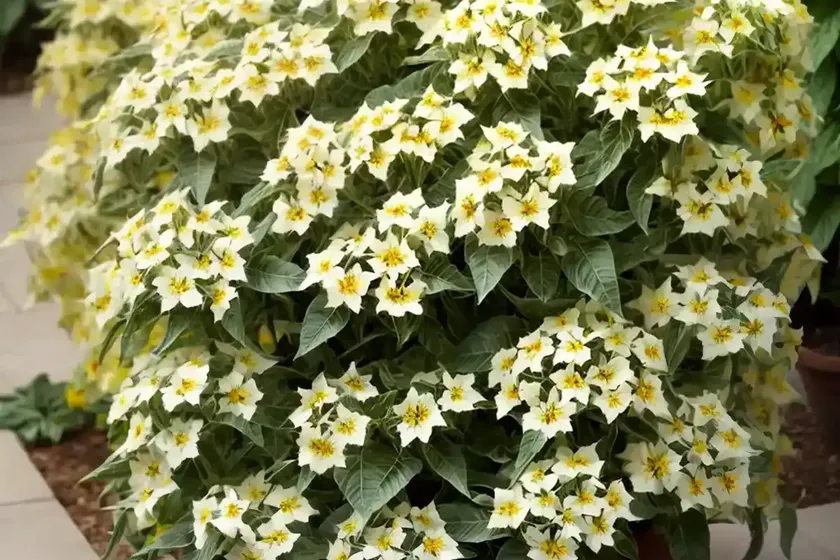
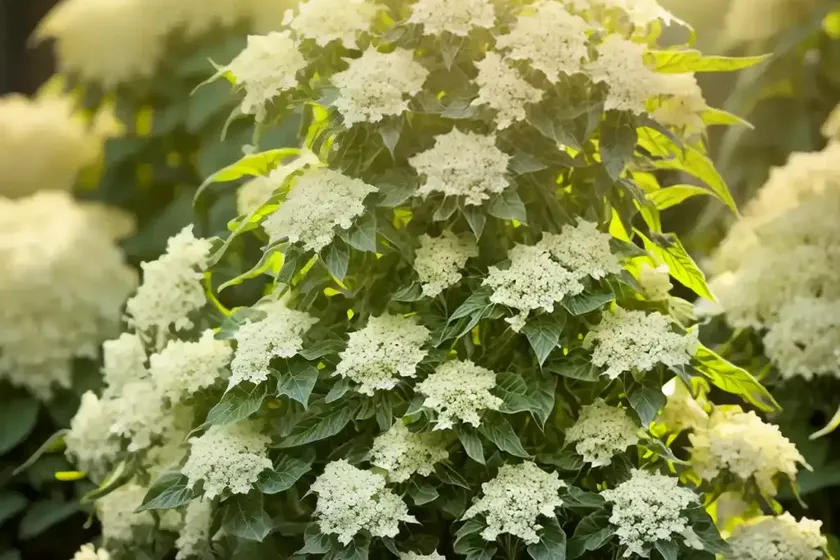

In the botanical world, the vast array of plant species offers an endless source of fascination and study. Each plant possesses unique characteristics, cultural significance, and ecological roles. In this comprehensive guide, we will delve into the intriguing world of the Tobacco-bush (Nicotiana glauca). Through this exploration, we aim to shed light on its botanical intricacies, cultural uses, horticultural requirements, and much more.
What is Plant: Tobacco-bush (Nicotiana glauca)
The Tobacco-bush, scientifically named Nicotiana glauca, is a species of wild tobacco native to South America and the West Indies but has since spread to various regions across the globe. This perennial plant, belonging to the Solanaceae family, is characterized by its striking pale green, glaucous leaves and clusters of tubular, 5-lobed, bright yellow flowers. It is often referred to as Tree tobacco, given its potential to grow into a small tree, reaching heights of up to 6 meters.
Key Takeaways – Tobacco-bush (Nicotiana glauca)
Before delving into the intricate details of this fascinating plant, let’s take a moment to highlight the key takeaways that will be explored in this comprehensive guide.
- Botanical Name: Nicotiana glauca
- Common Names: Tobacco plant, Wild tobacco, Tree tobacco
- Cultural Significance: Traditional uses, historical and contemporary significance
- Horticultural Requirements: Water, sunlight, fertilizer, soil, pruning, propagation, container requirements
- Popularity and Uses: Ornamental, medicinal, and landscaping roles
- Management of Diseases and Pests: Common ailments, pest control strategies
- Botanist’s Tips: Insights from botanical experts
- Fun Facts: Quirky and intriguing aspects of the Tobacco-bush
Now, let’s embark on an in-depth exploration of the Tobacco-bush, embracing its cultural significance, horticultural needs, and ecological roles.
Culture
Understanding the cultural importance of the Tobacco-bush provides valuable insights into its historical uses and relevance in contemporary society. This section will illuminate the plant’s diverse cultural connections, ranging from traditional medicinal applications to its role in the captivating world of ethnobotany.
Uses
The Tobacco-bush, with its rich history intertwined with human culture, has been utilized for a wide array of purposes. These include traditional medicinal applications, ornamental landscaping, and diverse ceremonial uses across different cultures. The plant’s significance in traditional medicine and its potential psychoactive properties have led to its continued use in certain cultural rituals and healing practices.
Water
When cultivating Nicotiana glauca, it is important to consider its water requirements. As a drought-tolerant species, the Tobacco-bush is well-suited to arid environments and can thrive with minimal water once established. However, during its initial growth stages, regular watering is essential to ensure proper establishment and growth.
Sunlight
In terms of sunlight, the Tobacco-bush thrives in full sun to partial shade. Providing the plant with adequate sunlight is crucial for optimal growth and flowering. In regions with intense heat, some protection from the harsh midday sun may be beneficial.
Fertilizer
To support healthy growth and flowering, Nicotiana glauca benefits from a balanced fertilizer application. Using a slow-release fertilizer in the early spring can help provide the necessary nutrients for robust growth. It is important to follow the recommended application rates to avoid over-fertilization, which can lead to adverse effects on the plant’s health.
Soil
The Tobacco-bush exhibits adaptability to a wide range of soil types, provided they offer good drainage. Well-draining, sandy loam soils are particularly favorable for the plant, aiding in the prevention of waterlogged conditions that can be detrimental to its health.
Pruning
Proper pruning is essential in maintaining the health and aesthetic appeal of the Tobacco-bush. Regular removal of spent flowers and the occasional shaping of the plant can promote continued flowering and a tidy appearance. It is important to use sharp, clean pruning tools to minimize damage to the plant and reduce the risk of disease transmission.
Propagation
For those interested in propagating the Tobacco-bush, several methods can be employed to successfully propagate this plant. These include seed propagation, stem cuttings, and root division. Each method offers its own unique set of advantages and challenges, providing an opportunity for plant enthusiasts to explore various propagation techniques.
Container Popularity
The Tobacco-bush’s adaptability to container growth makes it a popular choice for patio gardens, urban landscapes, and other confined spaces. Its striking foliage and vibrant yellow flowers add an eye-catching element to container displays, making it a sought-after plant for both novice and experienced gardeners.
Container Common Diseases
While the Tobacco-bush is relatively resilient, certain diseases can affect container-grown plants. Common container diseases include root rot, powdery mildew, and leaf spot diseases. Vigilant monitoring and appropriate management strategies are essential for preventing and controlling these ailments in container-grown Tobacco-bush plants.
Disease Diagnosis
Diagnosing plant diseases can be a challenging yet crucial aspect of maintaining the health of the Tobacco-bush. Close observation of the plant’s foliage, stems, and overall growth patterns can provide valuable clues for identifying potential diseases. Accessing reliable resources and seeking professional guidance can aid in accurate disease diagnosis and timely intervention.
Common Pests
Just as diseases pose a threat to the Tobacco-bush, pests can also impact its health and vigor. Common pests that may affect Nicotiana glauca include aphids, whiteflies, and spider mites. Implementing integrated pest management practices and employing natural pest control methods can help mitigate pest-related issues without resorting to harsh chemical treatments.
Botanist’s Tips
Drawing on the expertise of seasoned botanists can offer valuable insights for successfully cultivating and appreciating the Tobacco-bush. Their tips and recommendations, derived from years of experience and study, can enrich the horticultural journey for enthusiasts and professionals alike.
Fun Facts
Uncovering the lesser-known aspects of the Tobacco-bush can unveil a realm of intriguing and delightful facts. From its historical significance to its ecological interactions, these fun facts provide a unique perspective on this captivating plant.
Now that we have familiarized ourselves with the cultural, horticultural, and ecological aspects of the Tobacco-bush (Nicotiana glauca), we can delve into more specific details regarding its care, uses, and ecological roles. In the following sections, we will explore the plant’s habitat, traditional uses, and unique characteristics, providing a comprehensive understanding of this remarkable species.
Links to External Resources
-
Tree Tobacco (Nicotiana glauca) – The University of Arizona Cooperative Extension
-
Medicinal Uses of Tree Tobacco in Traditional and Modern Practices
-
Tobacco Bush: The Invasive Potential and Environmental Impacts
-
[Landscaping with Native Plants: Tree Tobacco as an Ornamental Species](https://calscape.org/Nicotiana-glauca-()
In conclusion, the Tobacco-bush (Nicotiana glauca) stands as an intriguing and versatile plant with a rich tapestry of cultural, horticultural, and ecological significance. From its traditional uses to its adaptability to diverse environmental conditions, this species continues to captivate botanists, horticulturists, and plant enthusiasts around the world.
By examining its cultural roles, ecological interactions, and horticultural requirements, we have gained a holistic understanding of the Tobacco-bush. Whether appreciated for its ornamental beauty, utilized for its traditional medicinal properties, or studied for its ecological impact, Nicotiana glauca remains an enigmatic and valuable component of the botanical world.
Through continued research, conservation efforts, and responsible horticultural practices, we can ensure the preservation and appreciation of the Tobacco-bush, allowing its unique attributes to enrich our lives and the natural world as a whole.


