Timothy’-Grass (Phleum Pratense)
Timothy-grass (Phleum pratense) is a perennial grass native to most of Europe apart from the extreme south. It has specific requirements for growth and is.
Timothy-grass (Phleum pratense) is a perennial grass native to most of Europe apart from the extreme south. It has specific requirements for growth and is known for its use in hay and pasture for livestock. Additionally, it has been gaining popularity in landscaping, erosion control, and biofuel production due to its adaptability and beneficial characteristics. In this article, we will explore the various aspects of Timothy-grass, including its characteristics, growth requirements, uses, maintenance, and much more.
What is Timothy-Grass (Phleum pratense)?
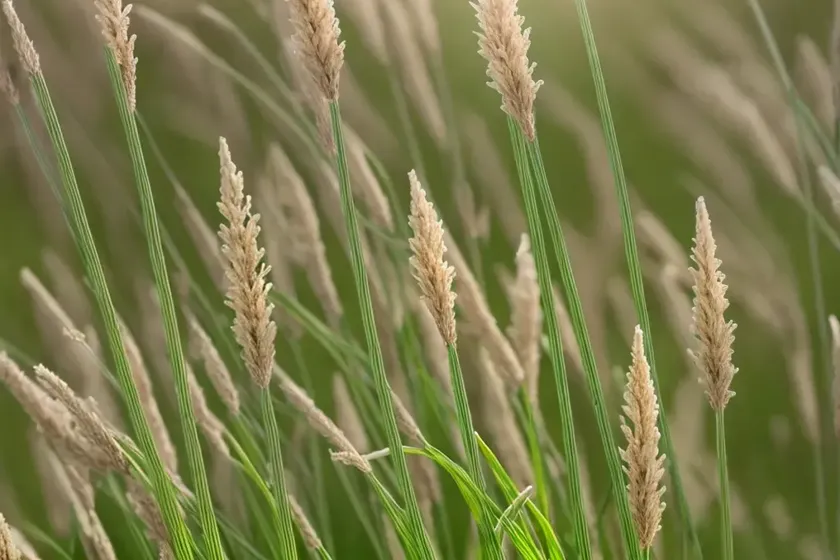
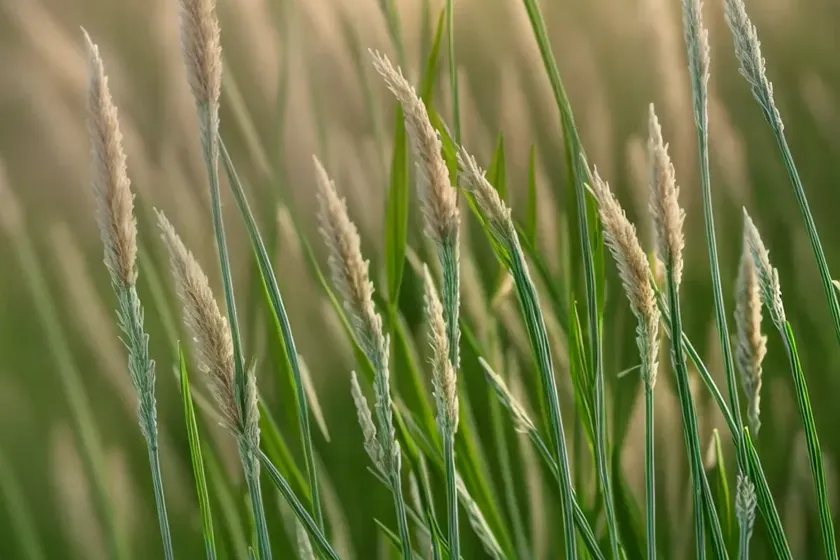
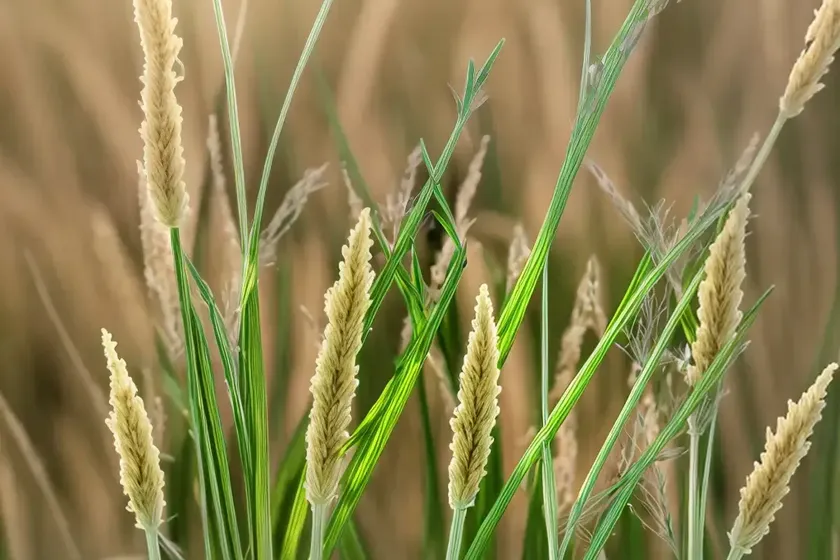
Phleum pratense, commonly known as Timothy-grass, is a cool-season perennial grass belonging to the Poaceae family. It is cultivated as a forage crop and is highly valuable for its use in hay and pasture. This grass species is usually characterized by its dense, cylindrical panicles and spikelets that contribute to its ornamental appeal, making it a popular choice in landscaping as well.
The plant typically grows in dense tufts and produces distinctive, dense, cylindrical flower heads (spikelets) that contain many tiny flowers. Each flower is enclosed in two bracts, giving the seed head a blunt appearance. The leaves are flat, rough on the upper surface, and glossy on the lower surface. Timothy-grass has a fibrous root system that aids in soil stabilization and erosion control.
Key Takeaways – Timothy-Grass (Phleum pratense)
Before delving deeper into the intricacies of Timothy-grass, here are some key takeaways about this plant:
- Scientific Name: Phleum pratense
- Family: Poaceae
- Life Cycle: Perennial
- Native Habitat: Europe and parts of Asia
- Uses: Forage, hay production, landscaping, erosion control
- Distinctive Features: Cylindrical panicles, dense tufted growth, distinctive spikelets
Now that we have gained a brief understanding of Timothy-grass, let’s explore its cultivation requirements, uses, maintenance, and various other aspects in detail.
Culture of Timothy-Grass
Timothy-grass, like any other plant, thrives when given the appropriate growing conditions. Understanding its cultural requirements is essential for successful cultivation.
Water
Timothy-grass requires adequate water to thrive, especially during the initial stages of growth. While it prefers moist soil, good drainage is also crucial to prevent waterlogging, which can be detrimental to the plant. Watering should be done consistently, especially during dry periods, to ensure healthy growth.
Sunlight
Timothy-grass thrives in full sun to partial shade. It is essential to provide the plant with at least 6-8 hours of direct sunlight for optimal growth. In regions with intense heat, providing some afternoon shade can be beneficial to prevent stress on the plant.
Fertilizer
When cultivating Timothy-grass, soil fertility plays a critical role in the plant’s growth and productivity. Prior to planting, it is recommended to conduct a soil test to determine the nutrient levels and pH of the soil. Based on the results, appropriate fertilizers can be applied to ensure an ideal nutrient balance for the grass.
Soil
Timothy-grass prefers well-drained, fertile loamy soils. The soil pH should ideally be between 6.0 and 7.5 for optimal growth. It is important to ensure that the soil is rich in organic matter and has good moisture retention capacity.
Pruning
Pruning Timothy-grass is not a standard practice, especially in its natural habitat or when cultivated for hay or forage. However, in landscaping, occasional trimming may be required to maintain a tidy appearance and promote healthy growth. This can be done by cutting back the flower heads once they have faded.
Propagation
Timothy-grass is primarily propagated from seed. Sowing the seeds directly in the prepared soil is the most common propagation method. However, for large-scale cultivation, mechanical drill seeding or broadcasting may also be employed.
Container Popularity
Timothy-grass is not commonly grown in containers due to its large size and extensive root system. However, smaller ornamental varieties or cultivars may be suitable for container cultivation in landscaping.
Container Common Diseases
When grown in containers, Timothy-grass may be susceptible to certain diseases, including fungal infections and root rot. Proper watering practices and adequate ventilation can help prevent these diseases.
Disease Diagnosis
Diagnosing diseases in plants requires a careful observation of symptoms such as wilting, discoloration, and abnormal growth patterns. Conducting a thorough examination of the plant and, if necessary, seeking professional advice can aid in accurate disease diagnosis.
Common Pests
The most common pests that can affect Timothy-grass include aphids, caterpillars, and grasshoppers. Regular monitoring and timely intervention, if required, can help in pest management. Beneficial insects and natural predators can also aid in pest control.
Botanist’s Tips
Having gained an overview of the cultural aspects and propagation of Timothy-grass, here are some tips from a botanist’s perspective for successful cultivation:
- Regular maintenance, including watering and fertilization, is crucial for healthy growth.
- It is essential to monitor the plant for signs of diseases and pests and take necessary action promptly.
- Understanding the specific requirements of Timothy-grass, such as soil pH and moisture levels, is critical for successful cultivation.
Phleum pratense Growth Requirements
To ensure the optimal growth of Timothy-grass, it is essential to meet its specific requirements. Here is a comprehensive overview of its growth needs:
- Water: Adequate and consistent water supply, avoiding waterlogging.
- Sunlight: Full sun to partial shade, with a minimum of 6-8 hours of direct sunlight.
- Fertilizer: Balanced fertilization based on soil test results, ensuring proper nutrient levels.
- Soil: Well-drained, fertile loamy soils with a pH between 6.0 and 7.5, rich in organic matter.
By meeting these growth requirements, Timothy-grass can thrive and fulfill its intended purpose, whether for forage, hay production, landscaping, or erosion control.
Timothy-Grass Uses
Timothy-grass serves various purposes, making it a versatile and valuable plant for different applications. Let’s explore its uses in detail:
Forage and Hay Production
One of the primary uses of Timothy-grass is as forage for livestock and for hay production. Its high nutritional content and palatability make it a popular choice for feeding horses, cattle, and other grazing animals. Its use in hay production ensures a quality feed source for livestock.
Landscaping
Timothy-grass is utilized in landscaping for its ornamental appeal, especially in meadows and naturalistic plantings. Its distinctive panicles and tufted growth serve as attractive elements in landscape designs and gardens.
Erosion Control
Due to its dense, fibrous root system, Timothy-grass is effective in soil stabilization and erosion control. It is often used in reclamation projects, riparian buffer zones, and other areas prone to erosion.
Biofuel Production
As an energy crop, Timothy-grass shows potential for biofuel production due to its high biomass production and adaptability to various climate conditions.
By understanding the diverse uses of Timothy-grass, it becomes evident that this plant holds significant value in both agricultural and environmental contexts.
Growing Timothy-Grass from Seed
Timothy-grass is primarily cultivated from seed, and the process of growing it from seed involves specific steps and considerations for successful establishment.
Seed Selection
When planning to grow Timothy-grass from seed, selecting high-quality, certified seed is crucial for ensuring optimal germination and establishment.
Planting Guide
The following steps provide a general guideline for planting Timothy-grass from seed:
- Site Preparation: Prepare the site by tilling the soil to create a fertile seedbed with good soil-to-seed contact.
- Sowing: Depending on the scale of cultivation, sow the seeds by broadcasting, drilling, or using mechanical seeders. The recommended seeding rate is usually around 6-8 pounds per acre, but it may vary based on specific conditions and desired establishment density.
- Depth and Coverage: Cover the seeds to a depth of approximately 0.25 to 0.5 inches in the soil. Adequate soil coverage is essential to protect the seeds and facilitate germination.
- Moisture: After sowing, ensure the soil remains consistently moist to support germination and initial growth.
- Growth and Establishment: As the seedlings emerge, monitor their growth, and provide ongoing care to facilitate healthy establishment.
By following these guidelines and addressing specific considerations for seed selection and planting methods, successful establishment of Timothy-grass from seed can be achieved.
Timothy-Grass Diseases and Prevention
As with any plant, Timothy-grass is susceptible to certain diseases that can affect its growth and productivity. Understanding these diseases and implementing preventive measures is crucial for maintaining a healthy stand of Timothy-grass.
Common Diseases
Some common diseases that may affect Timothy-grass include:
- Leaf Rust: This fungal disease causes yellow-orange pustules on the leaves, leading to reduced photosynthetic capacity and overall plant vigor.
- Fusarium Blight: Fusarium species can cause blighting and dieback of Timothy-grass, particularly in humid conditions or during periods of stress.
- Powdery Mildew: A white, powdery growth on the leaves is indicative of powdery mildew, which can negatively impact plant health and aesthetics.
Disease Diagnosis
Diagnosing diseases in Timothy-grass involves observing symptoms such as leaf discoloration, abnormal growth patterns, and the presence of visible fungal or bacterial growth. Consulting with agricultural extension services or plant health experts can aid in accurate disease diagnosis.
Prevention and Management
Implementing preventive measures is crucial for managing diseases in Timothy-grass. These measures include:
- Crop Rotation: Avoiding continuous crop cultivation and rotating with non-host crops can help reduce disease pressure.
- Resistant Varieties: Selecting resistant varieties, where available, can help mitigate disease impact.
- Fungicide Applications: In cases where diseases pose a significant threat, targeted fungicide applications can aid in disease management.
By understanding the common diseases, diagnosing symptoms, and implementing preventive measures, the impact of diseases on Timothy-grass can be minimized.
Phleum pratense Soil Requirements
Understanding the specific soil requirements of Timothy-grass is essential for ensuring optimal growth and productivity. Here are the key soil requirements for cultivating Timothy-grass:
- Texture: Well-drained, fertile loamy soils are ideal for Timothy-grass cultivation.
- pH: The optimal soil pH for Timothy-grass ranges between 6.0 and 7.5. Soil pH influences nutrient availability, and maintaining the proper pH range is essential for healthy growth.
- Organic Matter: Soil rich in organic matter provides essential nutrients and promotes soil structure, contributing to the overall health of Timothy-grass.
By addressing these soil requirements and ensuring favorable soil conditions, the cultivation of Timothy-grass can be supported for various applications, including forage, hay production, and landscaping.
Timothy-Grass for Livestock
Timothy-grass holds significant value as a forage crop for livestock, providing essential nutrition and contributing to overall animal health. Let’s explore the benefits and considerations of using Timothy-grass for feeding livestock:
Nutritional Value
Timothy-grass is known for its high nutritional value, offering a balanced combination of proteins, carbohydrates, and essential nutrients for livestock. Its palatability makes it a preferred forage choice for horses, cattle, and other grazing animals.
Hay Production
When harvested at the proper stage, Timothy-grass yields high-quality hay, which serves as a valuable feed source for livestock during periods of low forage availability or as a supplement to the grazing diet.
Feeding Considerations
When using Timothy-grass for feeding livestock, considerations such as harvesting timing, drying methods, and storage practices play crucial roles in maintaining hay quality and nutritional value.
By understanding the nutritional benefits and best practices for hay production, the use of Timothy-grass can significantly contribute to fulfilling the nutritional needs of livestock.
Timothy-Grass vs. Other Grass Species
Comparing Timothy-grass with other grass species provides insights into its distinct characteristics, uses, and cultivation requirements.
Characteristics
Timothy-grass is characterized by its distinctive cylindrical flower heads, tufted growth habit, and nutritional value, setting it apart from other grass species commonly used for forage and hay production.
Uses
While Timothy-grass is primarily valued for its use as forage and hay, other grass species may have diverse applications, including grazing, silage production, and erosion control.
Cultivation Requirements
Each grass species has its specific cultural and growth requirements. Understanding these requirements is essential for successful cultivation and utilization of the respective grass species.
By comparing Timothy-grass with other grass species, a comprehensive understanding is gained, enabling informed decisions regarding its use and cultivation.
Timothy-Grass for Hay Production
The use of Timothy-grass for hay production is a significant aspect of its agricultural and forage value. Understanding the hay production process and best practices is essential for achieving high-quality hay from Timothy-grass.
Harvesting Timing
Timing the harvest is crucial for obtaining high-quality hay from Timothy-grass. The plant should be cut at the early heading or early bloom stage to maximize yield and preserve nutritional content.
Drying Methods
After cutting, Timothy-grass should be dried promptly to prevent mold and mildew formation. Using proper drying methods, such as field drying or mechanical drying, is essential for preserving hay quality.
Storage Practices
Proper storage practices, including baling, stacking, and covering, are crucial for maintaining hay quality and preventing spoilage due to moisture exposure.
By understanding the hay production process and implementing best practices, high-quality hay can be obtained from Timothy-grass, serving as a valuable feed source for livestock.
Phleum pratense Adaptations
Timothy-grass exhibits certain adaptations that contribute to its resilience and adaptability in various environmental conditions. Understanding these adaptations provides insights into its potential uses and ecological significance.
Tolerance to Drought
Timothy-grass demonstrates a degree of tolerance to drought, making it suitable for cultivation in regions with intermittent water availability.
Erosion Control
The dense, fibrous root system of Timothy-grass enables it to effectively stabilize soil and control erosion, making it valuable for reclamation projects and soil conservation efforts.
Climate Adaptability
Timothy-grass is known for its ability to thrive in cool-temperate climates, with adaptability to varying temperature and moisture conditions.
By understanding the adaptations of Timothy-grass, its potential applications and contributions to environmental sustainability become evident.
Timothy-Grass for Erosion Control
The use of Timothy-grass for erosion control is a significant application that leverages its unique growth characteristics and root system. Let’s explore its effectiveness and considerations for erosion control purposes:
Soil Stabilization
Timothy-grass’ dense, fibrous root system plays a crucial role in stabilizing soil, preventing erosion, and minimizing soil loss on slopes and embankments.
Riparian Buffer Zones
In riparian areas, Timothy-grass is utilized to create buffer zones along waterways, providing critical erosion control and mitigating sediment runoff into water bodies.
Reclamation Projects
Timothy-grass is employed in reclamation projects on disturbed sites, such as mining areas or construction sites, to facilitate soil stabilization and restore ecological balance.
By recognizing the effectiveness of Timothy-grass in erosion control and implementing appropriate planting practices, the plant can significantly contribute to soil conservation efforts.
Timothy-Grass Mowing Techniques
Implementing proper mowing techniques is crucial for maintaining the health and aesthetics of Timothy-grass, especially in landscaping and meadow settings.
Optimal Mowing Height
When mowing Timothy-grass, it is essential to maintain an optimal mowing height to prevent stress on the plant and allow for healthy regrowth.
Frequency of Mowing
The frequency of mowing depends on the desired appearance and growth habits. However, it is important to avoid excessive mowing, especially during periods of stress.
Clipping Removal
In a landscaping context, removing clippings after mowing can contribute to a neat appearance and prevent the accumulation of thatch.
By adopting appropriate mowing techniques, the health and visual appeal of Timothy-grass can be maintained effectively in various settings.
Phleum pratense Habitat
Understanding the natural habitat of Timothy-grass provides insights into the plant’s native range, ecological niche, and potential for adaptation in different environments.
Native Range
Timothy-grass is native to most of Europe, excluding the extreme south, and parts of Asia. Its natural habitat encompasses cool-temperate regions with moderate moisture levels.
Ecological Niche
In its natural habitat, Timothy-grass occupies meadows, open woodlands, and disturbed sites, displaying its adaptability to diverse ecological conditions.
Adaptation
Timothy-grass demonstrates adaptability to varying soil types, moisture conditions, and climatic factors, making it suitable for cultivation and utilization in different geographical regions.
By understanding the habitat preferences and native range of Timothy-grass, informed decisions can be made regarding its cultivation and ecological significance.
Timothy-Grass Water Requirements
Timothy-grass has specific water requirements for optimal growth and productivity. Understanding these requirements is crucial for successful cultivation and management.
Adequate Moisture
Consistent and adequate moisture is essential for the healthy growth of Timothy-grass, especially during the establishment phase and periods of active growth.
Drainage Considerations
While Timothy-grass requires sufficient moisture, good drainage is equally important to prevent waterlogging, which can negatively impact plant health.
Drought Tolerance
Timothy-grass exhibits a degree of drought tolerance, making it suitable for cultivation in regions with sporadic water availability.
By addressing the water requirements of Timothy-grass and managing irrigation practices, optimal growth and productivity can be achieved.
Timothy-Grass for Landscaping
The ornamental appeal and growth habits of Timothy-grass make it a valuable addition to landscaping designs, providing aesthetic and functional benefits.
Ornamental Qualities
The distinctive cylindrical flower heads and tufted growth habit of Timothy-grass add visual interest and texture to landscaping arrangements and meadow settings.
Erosion Control
In landscaping, Timothy-grass serves a dual purpose by providing erosion control in sloped areas while contributing to the overall aesthetics of the landscape.
Ecological Contributions
By creating naturalistic plantings with Timothy-grass, ecological diversity and wildlife habitat can be enhanced, contributing to the overall ecological balance of the landscape.
By incorporating Timothy-grass into landscaping designs and considering its ornamental and functional qualities, a harmonious and sustainable landscape can be achieved.
Benefits of Planting Phleum pratense
The act of planting Timothy-grass, whether for agricultural, environmental, or landscaping purposes, offers various benefits and contributions to sustainable practices.
Agricultural Value
Through its use as forage and hay, Timothy-grass supports livestock nutrition and contributes to agricultural sustainability.
Environmental Contributions
Timothy-grass plays a significant role in soil stabilization, erosion control, and reclamation efforts, contributing to environmental conservation and restoration.
Aesthetic Appeal
In landscaping, the ornamental qualities of Timothy-grass enhance the visual appeal of naturalistic plantings and meadow designs.
By recognizing the diverse benefits of planting Timothy-grass, its value and relevance in various contexts become evident.
Timothy-Grass for Pasture
The use of Timothy-grass as pasture provides livestock with essential nutrition and grazing opportunities. Understanding its role and management considerations for pasture use is


