Tilia X Euchlora (Caucasian Linden)
Plants play an essential role in the environment, providing food, medicine, and aesthetic beauty. One such plant that has garnered attention for its.
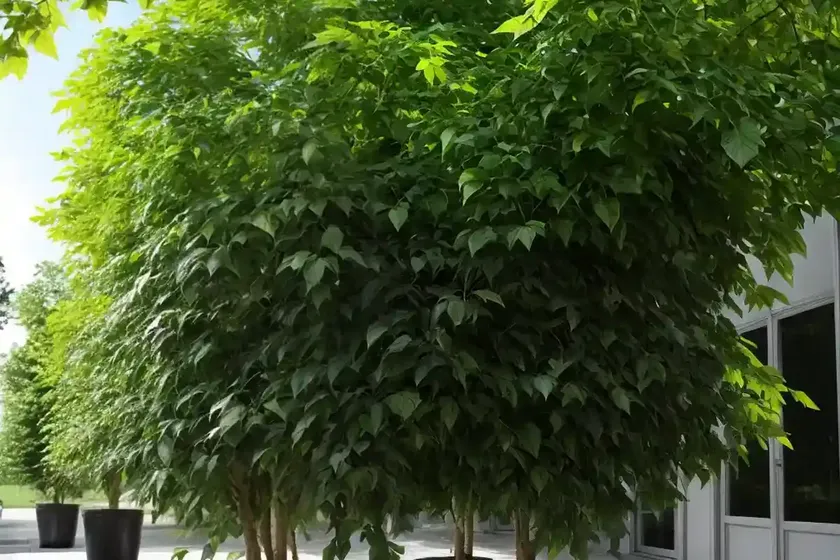
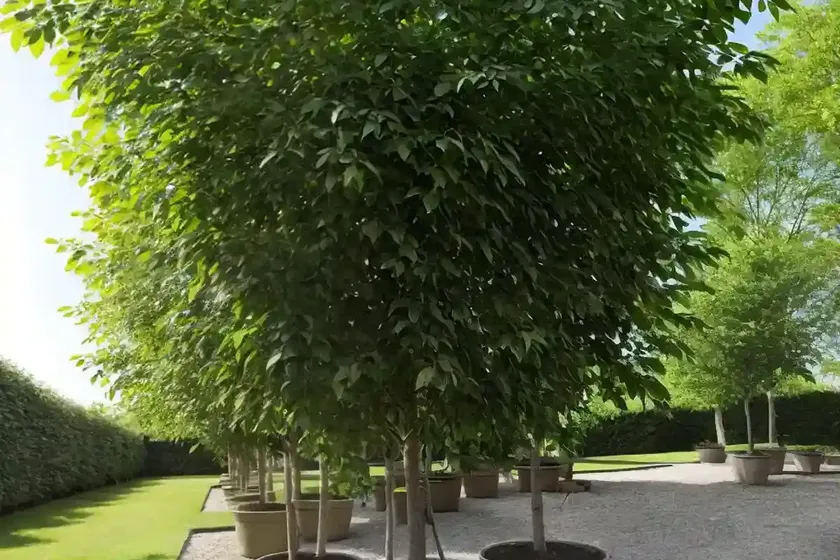
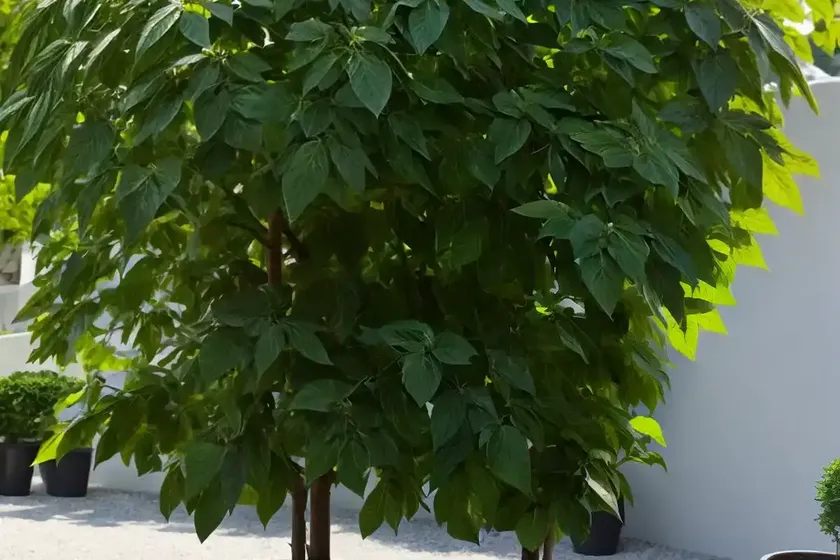
Plants play an essential role in the environment, providing food, medicine, and aesthetic beauty. One such plant that has garnered attention for its cultural, ecological, and horticultural significance is the Tilia x euchlora, commonly known as Caucasian Linden. In this comprehensive guide, we will explore the characteristics, cultivation, uses, and maintenance of the Tilia x euchlora, providing valuable insights for plant enthusiasts and horticulturists alike.
What is Tilia x euchlora (Caucasian Linden)?
Tilia x euchlora, also referred to as the Caucasian Linden, is a deciduous tree that belongs to the Tiliaceae family. It is a hybrid of Tilia dasystyla and Tilia cordata, originating from Southeastern Europe and Western Asia. This hybrid has inherited several desirable traits from its parent species, making it a favored choice in landscaping and urban forestry.
Key Takeaways – Tilia x euchlora (Caucasian Linden)
- Botanical Name: Tilia x euchlora
- Common Name: Caucasian Linden
- Family: Tiliaceae
- Native Range: Southeastern Europe and Western Asia
- Growth Habit: Deciduous Tree
- Notable Features: Heart-shaped leaves, fragrant flowers, and dense foliage
As we delve deeper into the world of Tilia x euchlora, we will explore its characteristics, cultural significance, uses, and maintenance requirements. Let’s embark on a journey to understand and appreciate this remarkable tree.
Tilia x euchlora Characteristics
Tilia x euchlora exhibits a range of characteristics that make it a sought-after tree species for both urban and rural landscapes. Understanding its unique traits is essential for successful cultivation and maintenance.
Leaf Characteristics
The leaves of Tilia x euchlora are heart-shaped, with serrated margins and a lustrous green color. Their symmetrical form and vibrant green hue contribute to the tree’s ornamental appeal.
Flower Description
Tilia x euchlora produces fragrant, creamy-white flowers arranged in drooping clusters. The blossoms are a valuable source of nectar for pollinators and contribute to the tree’s aesthetic allure during the flowering season.
Bark Features
The bark of Tilia x euchlora is smooth and gray when young, gradually developing a ridged texture as the tree matures. The distinctive bark texture adds visual interest to the tree’s trunk and stems.
Tree Size
Caucasian Linden trees typically reach heights of 50 to 70 feet at maturity, with a spread of 40 to 60 feet. Their moderate size makes them suitable for various landscaping applications, from residential gardens to public parks.
Growth Stages
The growth stages of Tilia x euchlora encompass the germination of seeds, sapling establishment, juvenile growth, and subsequent maturity. Understanding the growth stages is crucial for proper care and management of the tree throughout its lifespan.
Growing Tilia x euchlora
Cultivating Tilia x euchlora requires attention to key environmental factors, including sunlight, water, soil, and climate. By providing optimal growing conditions, individuals can promote the healthy development of these trees and maximize their ornamental and ecological benefits.
Sunlight
Tilia x euchlora thrives in full sun to partial shade. When selecting a planting site, ensure that the tree receives at least 6 hours of direct sunlight daily. Adequate sunlight is essential for vigorous growth and abundant flowering.
Water Needs
During the initial establishment phase, Tilia x euchlora necessitates regular watering to support root development and overall vitality. Once established, the tree exhibits moderate drought tolerance but benefits from supplemental watering during prolonged dry spells.
Soil Requirements
The ideal soil for Tilia x euchlora is well-drained and loamy, with a slightly acidic to neutral pH range. Avoid waterlogged or compacted soils, as they can impede root development and lead to health issues for the tree.
Climate and Hardiness
Caucasian Linden trees are well-adapted to temperate climates and exhibit good resistance to cold temperatures. They thrive in USDA hardiness zones 4 to 7, but local climate conditions should be considered to ensure the tree’s long-term viability.
Care for Tilia x euchlora
Proper care practices are integral to maintaining the health and vigor of Tilia x euchlora trees. From fertilization to pruning, implementing proactive care measures can enhance the tree’s growth and visual appeal.
Fertilizer
An annual application of balanced, slow-release fertilizer in early spring supports the nutrient requirements of Tilia x euchlora. Select a fertilizer with a formulation of N-P-K (nitrogen, phosphorus, and potassium) suited for ornamental trees.
Pruning
Pruning tasks for Tilia x euchlora encompass removing dead or diseased branches, shaping the canopy, and promoting adequate air circulation. Prune the tree during the dormant season to minimize stress and encourage regrowth in the following spring.
Maintenance
Regular monitoring for pests, diseases, and environmental stressors is crucial for the proactive maintenance of Tilia x euchlora. Additionally, mulching around the base of the tree helps retain soil moisture and regulate temperature.
Tilia x euchlora Varieties
Several cultivars and varieties of Tilia x euchlora offer diverse characteristics, such as foliage color variations, compact growth habits, and improved disease resistance. Explore the array of available varieties to select the most suitable option for your specific landscaping or gardening needs.
‘Green Mountain’ (Tilia x euchlora ‘Green Mountain’)
This cultivar is esteemed for its dense, pyramidal form and glossy, dark green leaves. It exhibits enhanced resistance to common pests and diseases, making it a low-maintenance choice for urban plantings.
‘Majestic Beauty’ (Tilia x euchlora ‘Majestic Beauty’)
Notable for its gracefully arching branches and larger leaves, ‘Majestic Beauty’ adds a touch of elegance to outdoor settings. Its robust growth and tolerance to urban conditions make it a popular selection for street planting and park landscapes.
‘Corinthian’ (Tilia x euchlora ‘Corinthian’)
Characterized by its compact, narrow growth habit and uniform branching structure, ‘Corinthian’ is an excellent choice for confined spaces and urban environments. The cultivar’s adaptability to various soil types further enhances its landscaping versatility.
Tilia x euchlora Uses
Tilia x euchlora serves a multitude of practical and aesthetic purposes, making it a valuable addition to diverse settings ranging from residential gardens to urban streetscapes. Understanding its uses can inspire creative applications and thoughtful integration into landscape designs.
Ornamental Value
The ornamental value of Tilia x euchlora is undeniable, with its graceful form, attractive foliage, and fragrant flowers. Its presence enriches parks, botanical gardens, and public spaces, providing shade and visual interest.
Urban Planting
Due to its adaptability to urban conditions, including pollution tolerance and moderate drought resistance, Tilia x euchlora is favored for urban planting initiatives. It contributes to green infrastructure and enhances the livability of cities and towns.
Medicinal Properties
Certain traditional medicinal systems utilize various parts of Tilia x euchlora, such as the flowers and bark, for their potential health benefits. Research on the tree’s medicinal properties continues to unveil valuable therapeutic applications.
Tilia x euchlora Maintenance
Maintaining the health and vitality of Tilia x euchlora requires regular attention to essential tasks, including watering, fertilization, pest control, and disease management. By implementing a proactive maintenance regimen, individuals can promote the long-term well-being of these trees.
Disease Management
Tilia x euchlora is susceptible to certain diseases, including leaf spot, powdery mildew, and various cankers. To mitigate disease incidence, practice good sanitation, promote air circulation, and consider preventive fungicide applications when necessary.
Pest Control
Common pests that may affect Tilia x euchlora include aphids, Japanese beetles, and scale insects. Regular monitoring, horticultural oils, and biological control agents can help manage pest populations and minimize damage to the tree.
Environmental Stressors
Environmental stressors, such as compacted soil, inadequate irrigation, and temperature extremes, can impact the health of Tilia x euchlora. Identifying and addressing these stressors promptly is crucial for preventing long-term detrimental effects on the tree.
Tilia x euchlora Propagation Methods
Propagating Tilia x euchlora enables the multiplication of desirable traits and the conservation of unique varieties. By employing suitable propagation methods, horticulturists and enthusiasts can expand the availability of these trees for various horticultural and conservation purposes.
Seed Propagation
Propagating Tilia x euchlora from seeds involves collecting mature seeds, preparing a suitable propagation medium, and providing optimal germination conditions. Seed propagation allows for genetic variation and the potential development of new cultivars.
Vegetative Propagation
Methods such as hardwood cuttings and layering are utilized for the vegetative propagation of Tilia x euchlora. These techniques enable the cloning of parent trees with specific characteristics, ensuring the preservation of desirable traits in the propagated offspring.
Caucasian Linden Tree Facts
Delving into the fascinating realm of Tilia x euchlora unveils a plethora of captivating facts and ecological insights. From its cultural significance to its ecological importance, the tree is replete with compelling attributes that underscore its value.
Cultural Significance
Tilia x euchlora holds cultural significance in various traditions and folklore, often symbolizing resilience, renewal, and interconnectedness with nature. Its historical use in herbal medicine and craft applications further amplifies its cultural relevance.
Wildlife Attractor
The flowers of Tilia x euchlora attract a diverse array of pollinators, including bees, butterflies, and hummingbirds. The tree’s nectar-rich blossoms support local ecosystems by providing a vital food source for numerous beneficial insects.
Urban Planting Benefits
The deployment of Tilia x euchlora in urban and suburban landscapes yields numerous benefits, such as air pollution mitigation, stormwater management, and urban heat island reduction. Its role in enhancing biodiversity in urban areas further underscores its urban planting benefits.
Tilia x euchlora Common Diseases
Several diseases can affect Tilia x euchlora, impacting its foliage, bark, and overall health. Recognizing the symptoms and implementing appropriate disease management measures are essential for preserving the tree’s vigor and visual appeal.
Leaf Spot
Leaf spot diseases, caused by various fungal pathogens, result in the development of distinct spots or lesions on the leaves of Tilia x euchlora. These diseases can compromise the tree’s photosynthetic capacity and lead to premature leaf drop.
Powdery Mildew
Powdery mildew, characterized by the presence of white powdery growth on the leaves, stems, and buds, can afflict Tilia x euchlora. Proactive measures, such as improving air circulation and utilizing fungicidal treatments, are essential for managing powdery mildew.
Canker Diseases
Canker diseases, caused by fungal pathogens, manifest as sunken, discolored lesions on the bark and branches of Tilia x euchlora. Canker management involves pruning affected branches and promoting tree vigor through proper cultural practices.
Tilia x euchlora Common Pests
Pests can pose a threat to the health and appearance of Tilia x euchlora, necessitating vigilance and targeted pest control strategies. Understanding the common pests enables proactive pest management and the preservation of the tree’s ornamental and ecological value.
Aphids
Aphids are common sap-feeding insects that can infest the foliage and tender shoots of Tilia x euchlora. Their feeding activity can cause distorted growth and the development of sticky honeydew, leading to secondary issues such as sooty mold.
Japanese Beetles
Japanese beetles are voracious pests that consume the foliage of Tilia x euchlora, resulting in skeletonized leaves and aesthetic damage. Control measures, including physical removal and biological control agents, can help manage Japanese beetle populations.
Scale Insects
Scale insects, characterized by their protective waxy coverings, can infest the branches and stems of Tilia x euchlora. Their feeding can weaken the tree and lead to stunted growth, prompting the implementation of targeted pest management strategies.
Botanist’s Tips for Tilia x euchlora
Drawing from scientific expertise and practical wisdom, botanists offer valuable tips for cultivating and caring for Tilia x euchlora. Their insights can empower enthusiasts and horticulturists to optimize the growth and resilience of these trees in diverse settings.
Soil Moisture Monitoring
Regularly monitoring soil moisture levels is crucial for balancing the water needs of Tilia x euchlora. Employ soil moisture meters or conduct manual assessments to ensure that the tree’s root zone remains adequately hydrated.
Pruning Best Practices
When pruning Tilia x euchlora, adhere to best practices such as making clean cuts, avoiding excessive removal of healthy wood, and promoting a balanced canopy structure. Pruning sessions should prioritize the removal of dead or diseased branches to enhance tree health.
Integrated Pest Management
Implementing an integrated pest management approach enables effective pest control while minimizing environmental impacts. Integrate cultural, biological, and chemical control methods judiciously to manage pests affecting Tilia x euchlora.
Fun Facts about Tilia x euchlora
Exploring the world of Tilia x euchlora unveils an assortment of captivating and intriguing facts, shedding light on the tree’s ecological interactions, historical significance, and horticultural appeal. Delight in these fun facts as we celebrate the allure of Tilia x euchlora.
-
The fragrant flowers of Tilia x euchlora are esteemed for their culinary potential, often utilized in the preparation of herbal teas and infusions.
-
Tilia x euchlora plays a vital role in folklore and mythology, symbolizing themes of protection, vitality, and renewal across diverse cultural traditions.
-
The heart-shaped leaves of Tilia x euchlora are a beloved feature, evoking sentiments of love, unity, and natural harmony in cultural contexts.
-
Urban plantings of Tilia x euchlora contribute to the creation of green corridors, supporting migratory bird populations and enhancing urban biodiversity.
-
The wood of Tilia x euchlora possesses favorable properties for carving and woodworking, yielding fine-grained lumber suitable for various crafts and artisanal applications.
Links to External Resources
For further exploration and in-depth knowledge acquisition on Tilia x euchlora, we recommend referring to the following external resources:
- The Morton Arboretum – Tilia x euchlora
- Royal Horticultural Society – Caucasian Linden
- Missouri Botanical Garden – Tilia x euchlora
By delving into these reputable resources, individuals can expand their understanding of Tilia x euchlora and gain valuable insights for successful cultivation, maintenance, and ecological stewardship.


