Tilia Henryana (Henry’s Lime)
Tilia henryana, commonly known as Henry’s Lime, is a species of tree that belongs to the Tiliaceae family. This deciduous tree is native to China and is.
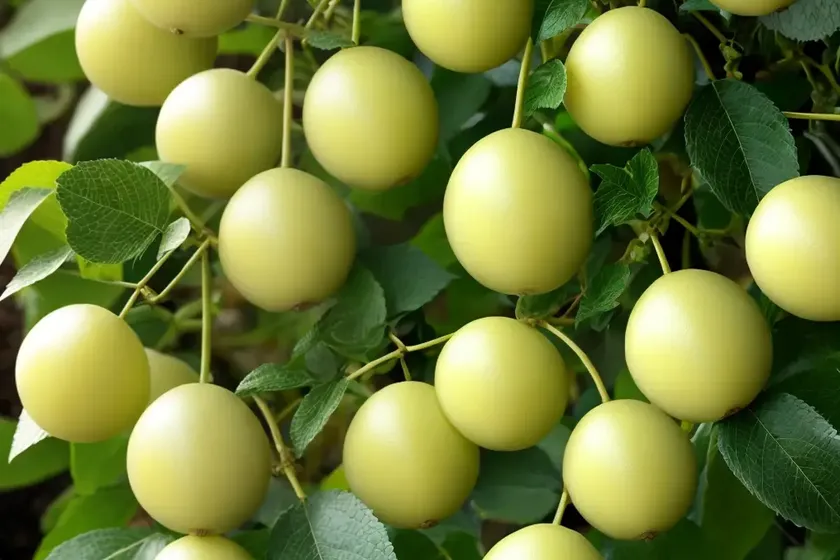
Tilia henryana, commonly known as Henry’s Lime, is a species of tree that belongs to the Tiliaceae family. This deciduous tree is native to China and is renowned for its ornamental value and various traditional and cultural uses. In this comprehensive guide, we will delve into the characteristics, cultivation, care tips, folklore, and much more associated with Tilia henryana. By the end of this article, you will have gained a profound understanding of this fascinating plant species and how to cultivate it successfully.
What is Tilia Henryana (Henry’s Lime)?
Tilia henryana is a medium-sized tree known for its beautiful, heart-shaped leaves and fragrant flowers. It typically reaches heights of 15 to 20 meters when fully matured. The species has gained popularity as an ornamental tree in gardens and urban landscapes due to its aesthetic appeal and adaptability to various growing conditions.
Tilia Henryana Characteristics
- Leaf Shape: Heart-shaped
- Flower Color: Creamy white
- Bark Texture: Smooth when young, becoming ridged and furrowed with age
- Fruit: Small, round, nut-like fruit
- Growth Rate: Moderate
Key Takeaways – Tilia Henryana (Henry’s Lime)
Before delving into the details of cultivation and care, let’s take a look at the key takeaways associated with Tilia henryana.
- Cultivation: Tilia henryana thrives in well-draining soil and partial to full sunlight.
- Ornamental Value: Its heart-shaped leaves and fragrant flowers make it a popular choice for landscaping and garden features.
- Traditional Uses: The species has historical and cultural significance, with various traditional uses in herbal medicine and folklore.
- Growth Habits: Understanding its growth habits and seasonal changes is crucial for successful cultivation.
Now, let’s dive deeper into various aspects of Tilia henryana, ranging from its cultural significance to practical care tips for enthusiasts and horticulturists.
Culture
Understanding the cultural significance of Tilia henryana is essential for appreciating its historical uses and societal relevance. Let’s explore the cultural aspects associated with this remarkable plant species.
Historical and Cultural Significance
In China, Tilia henryana has a rich cultural history, often being symbolically associated with strength, endurance, and resilience. The wood from Henry’s Lime tree has been traditionally used to craft beautiful carvings, furniture, and musical instruments, showcasing its versatility and significance in Chinese craftsmanship.
Moreover, the species holds cultural importance in traditional medicine, where it is utilized for its purported medicinal properties. The flowers, leaves, and bark of Tilia henryana have been incorporated into herbal remedies for their potential health benefits, reflecting the deep-seated cultural reverence for this plant.
Folklore and Myths
Like many other plants, Tilia henryana has become the subject of folklore and myths. In Chinese folklore, the tree is often associated with protection, wisdom, and divinity. Stories and legends featuring the Henry’s Lime tree highlight its spiritual and mystical symbolism within Chinese culture, further reinforcing its cultural significance.
Uses
Tilia henryana boasts a wide range of uses, spanning from traditional medicine to ornamental landscaping. In this section, we will delve into the diverse applications of Henry’s Lime tree and its associated benefits.
Ornamental Value
One of the primary uses of Tilia henryana is its ornamental value. Due to its heart-shaped leaves, fragrant flowers, and overall visual appeal, this species is commonly used in landscaping and urban horticulture. The tree’s canopy provides shade and its attractive features contribute to the aesthetic enhancement of parks, gardens, and residential areas.
Traditional Medicine
In traditional Chinese medicine, various parts of Tilia henryana are utilized for their potential medicinal properties. The flowers, leaves, and bark are believed to possess therapeutic qualities and have been used to prepare herbal infusions and extracts. It is cited for its purported calming and soothing effects, making it a valuable resource in traditional herbal remedies.
Water
Establishing optimal watering practices is crucial for the healthy growth and development of Tilia henryana. Proper water management ensures that the tree receives adequate moisture without becoming waterlogged, thereby fostering strong root systems and vibrant foliage.
Watering Guidelines
When cultivating Tilia henryana, it is essential to maintain a balance in the tree’s moisture levels. Here are some key watering guidelines to consider:
-
Young Trees: Newly planted Tilia henryana trees should be watered regularly during their initial establishment period. This typically involves providing sufficient water every 2-3 days, especially during warmer weather.
-
Mature Trees: Once the tree is established, it is important to monitor the soil moisture and adjust watering frequency based on environmental conditions. During periods of drought or prolonged dry spells, supplemental watering may be required to maintain optimal moisture levels.
-
Avoid Waterlogging: While Tilia henryana appreciates moist soil, it is essential to ensure proper drainage to prevent waterlogging, which can lead to root rot and other detrimental effects.
Ensuring a consistent and appropriate watering regimen contributes to the overall health and vitality of Tilia henryana, promoting robust growth and foliage.
Sunlight
Sunlight plays a pivotal role in the growth and development of Tilia henryana, influencing the tree’s overall health, flowering, and foliage quality. Understanding its sunlight requirements is crucial for successful cultivation.
Sunlight Requirements
Tilia henryana thrives in partial to full sunlight, displaying optimal growth and vigor when exposed to adequate sunshine. When selecting a site for planting, consider the following sunlight-related factors:
-
Full Sun: In regions with temperate climates, providing full sunlight to Henry’s Lime tree is recommended, as it contributes to robust growth and prolific flowering.
-
Partial Shade: While Tilia henryana is adaptable to full sun conditions, it can also tolerate partial shade. However, exposure to prolonged shade may impact its flowering and overall vigor.
Understanding the sunlight preferences of Tilia henryana enables gardeners and horticulturists to make informed decisions regarding the tree’s placement and environmental requirements.
Fertilizer
Applying suitable fertilizer is pivotal in supporting the growth, vigor, and health of Tilia henryana. By providing essential nutrients, fertilization contributes to strong root development, lush foliage, and abundant flowering.
Fertilization Guidelines
When fertilizing Tilia henryana, consider the following guidelines to ensure optimal nutrient uptake and overall vitality:
-
Balanced Fertilizer: Application of a balanced, slow-release fertilizer is recommended to provide a consistent supply of essential nutrients without causing rapid, unsustainable growth.
-
Timing: Fertilize Tilia henryana in early spring, just before the onset of the growing season, to support its nutrient requirements throughout the active growth phase.
-
Avoid Over-fertilization: Excessive application of fertilizer can lead to adverse effects, such as nutrient imbalances and potential damage to the tree. Use fertilizers as directed, adhering to recommended application rates.
Implementing a strategic and balanced fertilization regimen ensures that Tilia henryana receives the necessary nutrients for robust growth, resilience, and ornamental value.
Soil
Understanding the soil preferences and requirements of Tilia henryana is paramount for successful cultivation and long-term tree health. By providing an optimal soil environment, horticulturists can promote vigorous growth and flourishing foliage in Henry’s Lime tree.
Soil Preferences
Tilia henryana thrives in well-draining soil with a rich, organic composition. Consider the following soil characteristics and preferences when cultivating this tree:
-
Well-Draining Soil: Ensure that the soil provides efficient drainage to prevent waterlogging, which can negatively impact the tree’s root system.
-
pH Levels: Tilia henryana prefers slightly acidic to neutral soil conditions, with a pH range of 6.0 to 7.5 being conducive to its growth and vitality.
-
Organic Matter: Incorporating organic matter, such as compost or well-rotted manure, into the soil enhances its fertility, moisture retention, and overall nutrient content.
By selecting a suitable soil type and composition, horticulturists can create an optimal growing environment for Tilia henryana, promoting strong root development and lush foliage.
Pruning
Pruning is an essential aspect of Tilia henryana care, contributing to the tree’s structural integrity, aesthetics, and overall health. Appropriate pruning practices help maintain the desired shape, remove dead or diseased branches, and promote airflow within the canopy.
Pruning Guidelines
When pruning Tilia henryana, adhere to the following guidelines to optimize the tree’s growth and appearance:
-
Timing: Prune Henry’s Lime tree during late winter or early spring, before the onset of new growth. This timing allows the tree to heal efficiently and minimizes stress on the plant.
-
Sanitization: Use clean, sharp pruning tools to make precise cuts and reduce the risk of disease transmission. Disinfect pruning equipment between cuts, especially when dealing with potentially diseased branches.
-
Selective Pruning: Focus on removing dead, damaged, or crossing branches to improve the tree’s structure and promote healthy regrowth. Avoid excessive pruning, as this can stress the tree and compromise its natural form.
By practicing strategic and considerate pruning, gardeners and horticulturists can enhance the overall appearance and health of Tilia henryana, fostering a well-maintained and thriving specimen.
Propagation
Understanding the propagation methods of Tilia henryana is crucial for expanding its presence and cultivating new trees. By propagating Henry’s Lime tree, enthusiasts can share its beauty and cultural significance, contributing to its conservation and horticultural relevance.
Propagation Techniques
Tilia henryana is primarily propagated through the following methods:
-
Seed Propagation: Growing Tilia henryana from seeds involves collecting mature seeds, sowing them in a suitable propagation medium, and providing optimal germination conditions. While this method can be rewarding, it may result in potential variability in the characteristics of the offspring.
-
Hardwood Cuttings: Propagating Tilia henryana through hardwood cuttings involves collecting semi-mature to mature wood, preparing cuttings, and fostering root development under controlled propagation conditions. This method allows for the preservation of desired traits and characteristics in the propagated offspring.
By employing suitable propagation methods and techniques, horticulturists and enthusiasts can expand the presence of Tilia henryana, contributing to its conservation and horticultural significance.
Container Popularity
The ornamental value and adaptability of Tilia henryana have made it a popular choice for container cultivation. Growing Henry’s Lime tree in containers allows for versatile placement options and facilitates its incorporation into various outdoor and urban settings.
Growing Tilia Henryana in Containers
When cultivating Tilia henryana in containers, consider the following factors to ensure its optimal growth and well-being:
-
Container Size: Select a spacious container with adequate depth and sufficient drainage holes to accommodate the tree’s root system and promote healthy growth.
-
Well-Draining Soil: Fill the container with well-draining potting mix that provides sufficient aeration and moisture management, fostering strong root development and overall tree vitality.
-
Sunlight Requirements: Position the container in a location that receives partial to full sunlight, ensuring that the tree has access to adequate light for robust growth and flowering.
Growing Tilia henryana in containers offers a dynamic and versatile approach to incorporating this species into garden designs and urban landscapes, providing opportunities for ornamental enhancement and aesthetic appeal.
Common Diseases
Tilia henryana is generally resilient to diseases, but it can be affected by certain fungal and bacterial infections under unfavorable growing conditions. Understanding common diseases and their associated symptoms is essential for early detection and effective management.
Disease Diagnosis
Some of the common diseases that may affect Tilia henryana include:
-
Anthracnose: Anthracnose is a fungal disease that can cause leaf spots, dieback, and defoliation in Tilia henryana. It thrives in moist and humid conditions, making proactive moisture management crucial in disease prevention.
-
Powdery Mildew: Powdery mildew, characterized by a white powdery growth on leaves and shoots, can impact Tilia henryana, particularly in conditions with poor air circulation and high humidity. Adequate spacing and regular monitoring can help prevent this disease.
-
Leaf Blight: Leaf blight, often caused by fungal pathogens, can result in browning, wilting, and necrosis of foliage in Tilia henryana. Implementing proper pruning practices and sanitation measures can aid in disease prevention and management.
By recognizing the symptoms and characteristics of common diseases, horticulturists and gardeners can implement targeted measures to promote the health and resilience of Tilia henryana.
Common Pests
Tilia henryana is relatively resistant to pest infestations, but it can be vulnerable to certain insect pests that may affect its foliage, buds, or bark. Monitoring for pest activity and implementing preventive measures are essential for preserving the tree’s health and ornamental value.
Pest Identification
Some of the common pests that may affect Tilia henryana include:
-
Aphids: Aphids are sap-sucking insects that can gather on the foliage of Tilia henryana, leading to the distortion of new growth and the secretion of honeydew. Natural predators, such as ladybugs and lacewings, can help control aphid populations.
-
Scale Insects: Scale insects, identifiable by their protective armor-like coverings, may infest the bark and branches of Tilia henryana, potentially weakening the tree. Regular inspection and horticultural oils can aid in managing scale insect populations.
-
Lace Bugs: Lace bugs are small, winged insects that feed on the undersides of Tilia henryana leaves, causing stippling and discoloration. Nurturing natural predators and implementing targeted insecticidal treatments can assist in controlling lace bug infestations.
By monitoring for pest activity and promptly addressing infestations, horticulturists can safeguard the health and ornamental appeal of Tilia henryana, ensuring its resilience and vitality.
Botanist’s Tips
As a plant scientist with expertise in Tilia henryana, I’d like to offer some insightful tips for cultivating and caring for this remarkable species.
Tips for Growing Tilia Henryana
-
Soil Preparation: Prior to planting, ensure that the soil is well-draining and supplemented with organic matter to support strong root development and overall tree vigor.
-
Mulching: Apply a layer of organic mulch around the base of young Tilia henryana trees to conserve moisture, suppress weed growth, and insulate the soil.
-
Pruning Considerations: When pruning Tilia henryana, consider the tree’s natural growth habits, and focus on selective removal of undesirable branches to maintain its form and structure.
-
Watering Consistency: Establish a consistent watering schedule for newly planted Tilia henryana, ensuring that the tree receives sufficient moisture without being overwatered.
-
Cultural Significance: Delve into the cultural and historical significance of Tilia henryana, gaining a deeper appreciation for its traditional uses and narrative in horticultural contexts.
By integrating these tips into the cultivation and care of Tilia henryana, enthusiasts and horticulturists can foster the optimal growth and well-being of this unique tree species.
Fun Facts
To further appreciate the uniqueness of Tilia henryana, here are some captivating fun facts about Henry’s Lime tree:
-
Heart-Shaped Leaves: The distinctive heart-shaped leaves of Tilia henryana contribute to its ornamental appeal, making it an eye-catching addition to garden landscapes.
-
Fragrant Flowers: The flowers of Tilia henryana exude a delightful fragrance, attracting pollinators and adding sensory allure to outdoor spaces.
-
Herbal Tradition: Tilia henryana has a storied history in traditional Chinese medicine, where its flowers, leaves, and bark have been incorporated into herbal remedies for their potential health benefits.
-
Symbolic Significance: In Chinese culture, Tilia henryana is often associated with symbolism related to strength, wisdom, and spiritual protection, reflecting its cultural resonance.
-
Ornamental Adaptability: Henry’s Lime tree is adaptable to container cultivation, allowing it to be creatively incorporated into diverse garden designs and urban landscaping projects.
These intriguing and noteworthy facts shed light on the multi-faceted appeal and significance of Tilia henryana, enriching its horticultural allure and botanical relevance.
Conclusion
In this comprehensive guide, we have explored the captivating world of Tilia henryana (Henry’s Lime), delving into its characteristics, cultural significance, care tips, and more. From its historical uses and folklore to its practical cultivation guidelines, Tilia henryana continues to captivate enthusiasts and horticulturists with its ornamental charm and diverse applications.
By gaining a deeper understanding of this remarkable tree species, we can foster its conservation, celebrate its cultural relevance, and cultivate it with care and appreciation. Whether it graces urban landscapes, botanical gardens, or private estates, Henry’s Lime tree stands as a testament to the rich tapestry of plant diversity and cultural significance.
I hope this comprehensive guide has provided valuable insights into the world of Tilia henryana, inspiring a renewed appreciation for this exceptional species and its place in horticulture and cultural heritage.
Links to External Resources
For further exploration of Tilia henryana and related botanical topics, consider the following external resources:
- The Royal Horticultural Society – Tilia Henryana
- Missouri Botanical Garden – Tilia Henryana
- The Plant List – Tilia Henryana
- Dave’s Garden – Tilia Henryana
These resources offer valuable insights, botanical information, and horticultural guidance related to Tilia henryana, enhancing your knowledge and appreciation of this unique and culturally significant tree species.


