Tilia Americana (American Basswood)
Tilia americana, commonly known as American Basswood, is a majestic and versatile tree that holds cultural, ecological, and practical significance. This.
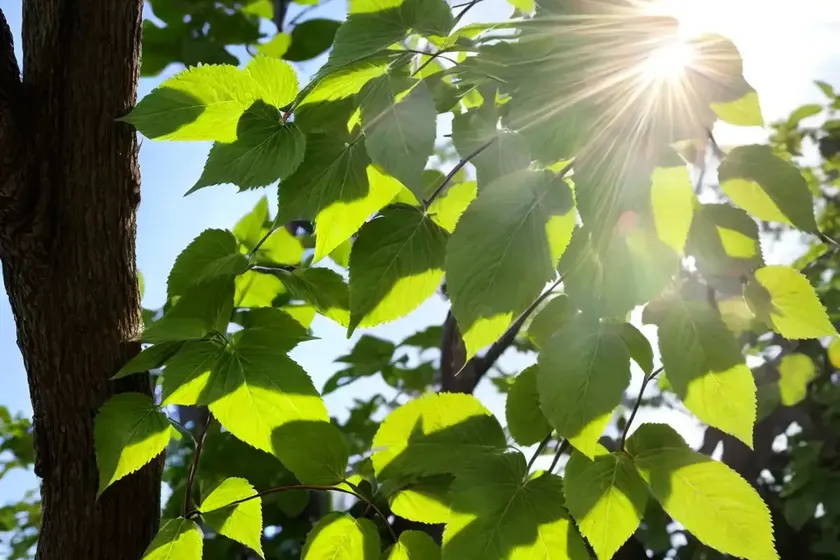
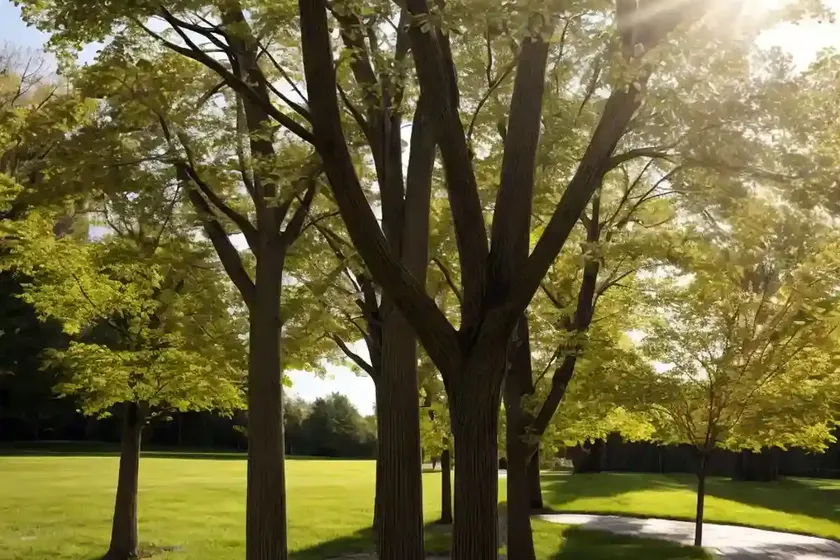
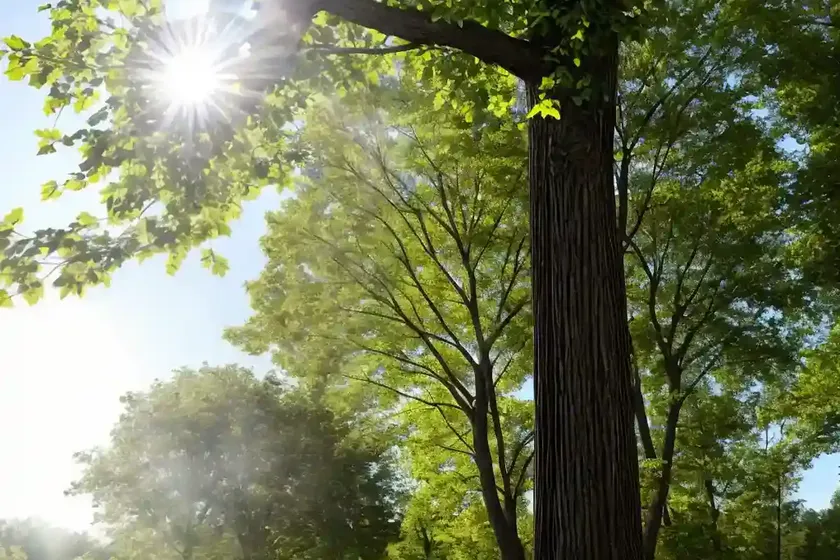
Tilia americana, commonly known as American Basswood, is a majestic and versatile tree that holds cultural, ecological, and practical significance. This plant species possesses a rich history, diverse uses, and significant value in the ecosystem. In this in-depth guide, we will explore the essential characteristics, cultural significance, habitat, uses, and conservation aspects of Tilia americana.
What is Tilia Americana (American Basswood)?
Tilia americana is a species of deciduous tree belonging to the genus Tilia and the family Malvaceae. It is native to North America and is distributed across the eastern United States and parts of southeastern Canada. The American Basswood is distinguished by its large, heart-shaped leaves, fragrant and nectar-producing flowers, and the characteristic soft wood that has been used for various purposes throughout history.
This iconic tree has been revered by Native American tribes and early European settlers for its versatile uses, including the medicinal properties of its flowers, the malleability of its wood, and the sweet nectar that attracts pollinators. The Tilia americana tree has also played a role in folklore, woodworking, and conservation efforts due to its ecological importance and value in landscaping and urban forestry.
Key Takeaways – Tilia Americana (American Basswood)
Before delving deeper into the diverse aspects of American Basswood, let’s take a quick look at the key takeaways related to this fascinating plant.
- Scientific Name: Tilia americana
- Common Name: American Basswood
- Family: Malvaceae
- Genus: Tilia
- Native Habitat: Eastern United States and parts of southeastern Canada
- Characteristic Features: Large heart-shaped leaves, fragrant flowers, soft and malleable wood
- Cultural Significance: Historic uses in Native American folklore and traditional woodworking
- Ecological Importance: Provides habitat, nectar, and wood resources for wildlife
Now that we have an overview of Tilia americana, let’s explore its various facets in more detail.
Culture of Tilia Americana (American Basswood)
Understanding the cultural background of American Basswood is essential in appreciating its significance in traditional practices, folklore, and historical uses. The tree’s cultural importance spans various aspects, including symbolism, medicinal uses, woodworking traditions, and its role in indigenous folklore.
Symbolism and Folklore
In Native American cultures, American Basswood holds symbolic significance and was often referred to as the “tree of peace.” It was believed to possess spiritual qualities and was utilized in ceremonies and the crafting of ceremonial items. The fragrant flowers of Tilia americana symbolized purity and were used in rituals and offerings.
In European folklore, the American Basswood was associated with luck and protection. Its wood was utilized in the carving of amulets and decorative items believed to bring good fortune and ward off evil spirits. This deep-rooted symbolism and folklore surrounding the tree have contributed to its enduring cultural significance.
Medicinal and Culinary Uses
The medicinal properties of Tilia americana have been recognized for centuries. The fragrant flowers, known as linden flowers or basswood blossoms, have been used in traditional medicine to prepare teas and tinctures that are believed to have calming and soothing effects. The tea made from basswood flowers is also esteemed for its pleasant flavor and aromatic qualities.
The leaves and inner bark of American Basswood were traditionally used for various medicinal purposes, including treating fevers, colds, and inflammation. These traditional uses highlight the therapeutic value of the tree in indigenous and early settler communities.
Woodworking Traditions
American Basswood is revered in the woodworking industry for its soft and lightweight wood, making it highly prized for carving and crafting. The fine and even grain of the wood, along with its ease of carving, has made it a favorite material for sculptors, woodcarvers, and artisans. The wood’s workability and the absence of strong grain patterns have contributed to its popularity in creating intricate carvings, furniture, and musical instruments throughout history.
Uses of Tilia Americana (American Basswood)
American Basswood is valued for its diverse range of uses, spanning from traditional medicine and culinary delights to woodworking and ecological benefits. Let’s delve into the various ways in which Tilia americana enhances our lives and the environment.
Medicinal and Culinary Uses
The fragrant flowers of Tilia americana are prized for their medicinal properties, particularly in herbal medicine. The flowers are rich in volatile oils and phytochemicals, contributing to their calming and relaxing effects. Linden flower tea, made by steeping the blossoms in hot water, is renowned for its gentle sedative properties and pleasant taste, making it a popular choice for promoting relaxation and overall well-being.
In addition to its medicinal uses, American Basswood flowers have culinary applications. The delicate flavor and aromatic qualities of the blossoms make them a sought-after ingredient in teas, herbal infusions, and culinary preparations. The flowers can be used to impart a subtle, floral note to beverages, desserts, and syrups, adding a touch of elegance to culinary creations.
Woodcraft and Artistry
The soft, workable wood of Tilia americana has been treasured by woodworkers, artisans, and sculptors for centuries. Its uniform texture, ease of carving, and ability to hold intricate details make it an ideal choice for creating decorative carvings, relief sculptures, and ornamental woodwork. The versatility of American Basswood wood also extends to the production of musical instruments, where its acoustic properties and natural resonance contribute to the exceptional sound quality of instruments such as guitars, pianos, and woodwind instruments.
Ecological and Wildlife Benefits
In its natural habitat, American Basswood provides a range of ecological benefits. The tree serves as a vital food source for various pollinators, including bees and butterflies, due to the nectar-rich flowers it produces. The abundant nectar production of the American Basswood supports the health and productivity of pollinator populations, contributing to the pollination of surrounding plant species and the overall biodiversity of the ecosystem.
Moreover, the dense foliage and broad canopy of Tilia americana offer shade and shelter for wildlife, making it a favored habitat tree for birds, squirrels, and other small mammals. The ecological role of American Basswood in supporting diverse wildlife communities underscores its importance in maintaining ecological balance and promoting biodiversity in natural landscapes.
Water Requirements for Tilia Americana (American Basswood)
Proper watering is essential for the health and vitality of American Basswood trees, especially during their establishment phase and periods of prolonged drought. Understanding the water requirements of Tilia americana is crucial for promoting optimal growth and ensuring the tree’s resilience to environmental stressors.
Watering Guidelines
-
Establishment Phase: Newly planted American Basswood trees require regular and consistent watering during the first few years to promote healthy root development and establishment. Adequate moisture is essential for enabling the tree to acclimate to its new surroundings and establish a strong root system. During the establishment phase, it is recommended to provide supplemental irrigation as needed, especially during dry spells or hot weather.
-
Mature Trees: Established Tilia americana trees demonstrate good tolerance to moderate drought conditions once their root systems are well-developed. However, during prolonged dry periods, it is beneficial to provide supplemental watering to prevent moisture stress and maintain the tree’s overall health and vigor. Deep, infrequent watering is preferable to frequent, shallow irrigation, as it encourages deep root growth and enhances the tree’s resilience to drought stress.
Signs of Water Stress
Monitoring the tree for signs of water stress is crucial in identifying the need for supplemental watering. Common indicators of moisture deficiency in American Basswood trees include:
-
Wilting or Drooping Leaves: The foliage of the tree may appear limp, wilted, or droopy, signaling a lack of moisture uptake and potential water stress.
-
Leaf Discoloration: The leaves may exhibit signs of discoloration, such as browning or yellowing, particularly along the leaf margins and tips, indicating moisture imbalance and stress.
-
Reduced Growth and Vigor: Insufficient water availability can lead to stunted growth, diminished leaf expansion, and reduced overall vigor in American Basswood trees.
Watering Techniques
When watering Tilia americana, it is essential to apply water evenly throughout the root zone to ensure thorough and uniform moisture distribution. Utilizing slow, deep watering methods, such as drip irrigation or soaker hoses, can promote efficient water penetration and deep root hydration. Watering in the early morning or late afternoon is beneficial, as it allows the tree to absorb moisture effectively without excessive evaporation under direct sun exposure.
Promoting proper drainage around the tree’s root zone is also critical in preventing waterlogging and root suffocation. Ensuring well-draining soil and appropriate mulching can contribute to maintaining optimal soil moisture levels and preventing water-related issues in American Basswood trees.
Sunlight Requirements for Tilia Americana (American Basswood)
Sunlight plays a fundamental role in the growth, development, and overall well-being of American Basswood trees. Understanding the sunlight requirements of Tilia americana is essential for determining suitable planting locations and maintaining optimal growing conditions for the tree.
Sun Exposure Preferences
American Basswood trees thrive in locations with partial to full sunlight, where they can receive ample light exposure throughout the day. While they demonstrate good tolerance to varying light intensities, providing a balance of direct sunlight and partial shade is advantageous for promoting healthy growth and foliage development. In regions with hot, intense sunlight, partial shade during the hottest part of the day can help protect the tree from excessive heat stress and sunburn.
Planting Considerations
When selecting a planting site for Tilia americana, it is advisable to choose a location that offers sufficient sunlight and adequate space for the tree to develop its canopy. A well-ventilated area with good air circulation can help minimize the risk of foliar diseases and promote overall tree health. Site preparation should include assessing the sun exposure patterns throughout the day and identifying potential sources of shade or obstruction that may impact the tree’s access to sunlight.
Sunlight Stress and Protection
Excessive exposure to intense sunlight can result in stress and heat-related issues in American Basswood trees, particularly during periods of high temperatures and drought. One common manifestation of sun stress is leaf scorch, where the foliage displays browning, wilting, or drying of leaf margins and surfaces. To protect the tree from sun stress and minimize the risk of leaf damage, providing supplemental watering, mulching, and temporary shading during extreme heat events can be beneficial.
Monitoring the tree for signs of sun stress and ensuring adequate moisture availability are important in mitigating the effects of excessive sunlight and promoting the tree’s resilience to environmental stressors.
Fertilizer Requirements for Tilia Americana (American Basswood)
Proper nutrition is vital for supporting the growth, vigor, and overall health of American Basswood trees. Understanding the fertilizer requirements of Tilia americana is essential in providing the tree with essential nutrients and promoting optimal development in various environmental conditions.
Nutrient Needs
American Basswood trees benefit from a balanced and comprehensive fertilizer regimen that provides essential macro and micronutrients necessary for growth and vitality. Nitrogen, phosphorus, potassium, and trace elements such as iron, manganese, and zinc are important components of a well-rounded fertilizer program for Tilia americana. These nutrients contribute to root development, foliage growth, flowering, and overall resilience to stressors.
Application Timing
Fertilization of American Basswood trees is typically carried out in early spring or late fall, coinciding with periods of active growth and optimal nutrient uptake. Slow-release or organic fertilizers are preferred for promoting gradual nutrient release and minimizing the risk of nutrient leaching or runoff. It is essential to avoid excessive fertilization, especially during the tree’s establishment phase, to prevent nutrient imbalances and potential harm to the tree’s root system.
Fertilizer Formulation
When selecting a suitable fertilizer formulation for Tilia americana, it is advisable to choose a balanced, slow-release fertilizer specifically designed for ornamental trees and shrubs. A fertilizer formulation with an N-P-K (nitrogen, phosphorus, potassium) ratio of 10-10-10 or 12-6-6 can provide the necessary nutrients without promoting excessive vegetative growth or compromising the tree’s overall health. Additionally, incorporating organic amendments, such as compost or well-rotted manure, can enhance soil fertility and contribute to a healthy nutrient balance in the tree’s root zone.
Application Techniques
Proper application of fertilizer around American Basswood trees involves distributing the fertilizer evenly within the tree’s drip line while avoiding direct contact with the trunk. An even application of fertilizer granules or a liquid fertilizer solution can promote efficient nutrient uptake and distribution throughout the tree’s root system. Following fertilizer application, thorough watering to facilitate nutrient penetration into the soil is essential for maximizing the tree’s access to essential nutrients.
Soil Preferences for Tilia Americana (American Basswood)
The soil composition and quality play a critical role in the growth, nutrition, and stability of American Basswood trees. Understanding the soil preferences of Tilia americana is essential for selecting suitable planting sites and implementing soil management practices that support the tree’s long-term health and vitality.
Soil Type
Tilia americana thrives in well-drained, loamy soils with a balanced composition of sand, silt, and clay. Soil with good structure and texture facilitates root penetration and moisture retention while allowing excess water to drain freely. While American Basswood trees demonstrate good adaptability to various soil types, they thrive in soils with a slightly acidic to neutral pH range, typically between 6.0 and 7.5.
Soil Moisture
Maintaining adequate soil moisture is crucial for promoting healthy growth and mitigating drought stress in American Basswood trees. Well-draining soil that retains moisture without becoming waterlogged is advantageous for supporting root development and ensuring optimal water availability for the tree. Soil moisture management practices, such as mulching and supplemental watering during dry periods, can help maintain consistent soil moisture levels and enhance the tree’s resilience to environmental stressors.
Soil Amendments
In instances where the soil quality or structure requires improvement, incorporating organic soil amendments can enhance soil fertility and structure, creating a conducive environment for American Basswood trees. Organic matter, such as compost, well-rotted manure, or leaf mold, can enhance soil structure, promote beneficial microbial activity, and contribute to vital nutrient cycling within the soil.
In cases where soil pH needs adjustment, the incorporation of lime or elemental sulfur can help alter the soil pH to the ideal range for Tilia americana. Conducting a soil test prior to planting can provide valuable insights into the existing soil conditions and guide appropriate soil amendment and management strategies to optimize the tree’s growing environment.
Pruning Practices for Tilia Americana (American Basswood)
Pruning plays a crucial role in maintaining the structural integrity, aesthetics, and overall health of American Basswood trees. Implementing proper pruning practices for Tilia americana is essential in promoting balanced growth, controlling vegetative development, and ensuring the tree’s long-term vitality.
Pruning Objectives
The primary objectives of pruning American Basswood trees include:
-
Structural Development: Pruning can help shape the tree’s canopy and encourage well-spaced, evenly distributed limbs, promoting a balanced and symmetrical growth pattern.
-
Deadwood Removal: Removing dead, diseased, or damaged branches enhances the tree’s overall health and reduces the risk of fungal infections, pest infestations, and potential safety hazards.
-
Thinning and Crown Management: Thinning the canopy and addressing crowded growth can improve air circulation, reduce excess foliage density, and minimize the risk of foliar diseases.
-
Size and Form Control: Pruning can help manage the size and form of American Basswood trees, particularly in urban or landscaped settings, where space constraints or aesthetic considerations may necessitate controlled growth.
Pruning Timing
The optimal timing for pruning American Basswood trees is typically during the dormant season in late winter to early spring, prior to the onset of new growth. Performing pruning activities during the dormant period minimizes the stress on the tree, avoids the risk of excessive sap flow, and promotes efficient wound healing and recovery.
Pruning for corrective or structural purposes, such as addressing damaged or diseased branches, can be carried out as needed throughout the year to prevent further damage and promote the tree’s recovery. However, extensive pruning or major structural adjustments are best reserved for the dormant season to minimize stress on the tree and facilitate optimal healing.
Pruning Techniques
When pruning Tilia americana, it is essential to utilize proper pruning techniques to minimize the risk of injury to the tree and promote effective wound closure. Employing sharp, sterilized pruning tools, such as bypass pruners or pruning saws, helps ensure clean cuts and reduces the risk of pathogen transmission.
When removing branches, it is advisable to make pruning cuts just beyond the branch collar at the point of attachment to the main stem. Avoiding leaving stubs and promoting natural compartmentalization of pruning wounds contributes to the tree’s ability to heal and seal off pruning sites efficiently.
Propagation Methods for Tilia Americana (American Basswood)
The propagation of Tilia americana, whether for conservation efforts or horticultural purposes, presents an opportunity to preserve the genetic diversity and cultural significance of this iconic tree. Expanding the population of American Basswood through propagation methods supports its ecological role and ensures its availability for future generations.
Seed Propagation
Propagating Tilia americana from seeds is a common and feasible method for establishing new trees and conserving genetic diversity. The seeds of American Basswood are enclosed within small, round nutlets that are released from the tree’s characteristic winged bracts. When collecting seeds for propagation, it is advisable to gather mature, viable nutlets from healthy, thriving trees to maximize the success of seedling establishment.
Seed stratification, a process that mimics natural cold and warm cycles, can enhance the germination of American Basswood seeds. Preparing the seeds by subjecting them to a period of cold stratification, followed by warm, moist conditions, can enhance their germination potential and promote uniform seedling emergence.
Vegetative Propagation
In addition to seed propagation, Tilia americana can be propagated through various vegetative methods, including stem cuttings, root cuttings, and grafting. Vegetative propagation techniques offer the advantage of preserving the genetic traits of specific cultivars or unique individuals, making them valuable for horticultural and conservation purposes.
Stem cuttings taken from young, actively growing shoots can be treated with rooting hormone and planted in a suitable propagation medium to encourage root development. Root cuttings taken from established American Basswood trees, particularly during the dormant season, can also serve as a viable method for generating new root systems and propagating the tree vegetatively.
Grafting, a technique that involves joining the scion of a desired American Basswood cultivar onto a compatible rootstock, can facilitate the propagation of selected varieties and promote the retention of specific genetic characteristics. Grafting is particularly valuable for maintaining the traits of superior cultivars or preserving the genetic diversity of Tilia americana in horticultural collections and conservation efforts.
Care and Management of Propagated Seedlings
Upon successful propagation of American Basswood seedlings, providing proper care and management is essential in ensuring their healthy establishment and subsequent growth. Consistent watering, appropriate fertilization, and protection from environmental stressors, such as extreme temperatures and pests, can support the seedlings’ development and strengthen their resilience in preparation for transplantation to their permanent planting locations.
Container Gardening with Tilia Americana (American Basswood)
The adaptability and ornamental appeal of American Basswood make it an attractive candidate for container gardening, allowing individuals to enjoy the beauty and benefits of Tilia americana in various


