Tiger Lily (Lilium Lancifolium)
The elegant tiger lily, scientifically known as Lilium lancifolium, is a captivating flowering plant revered for its striking appearance and cultural.
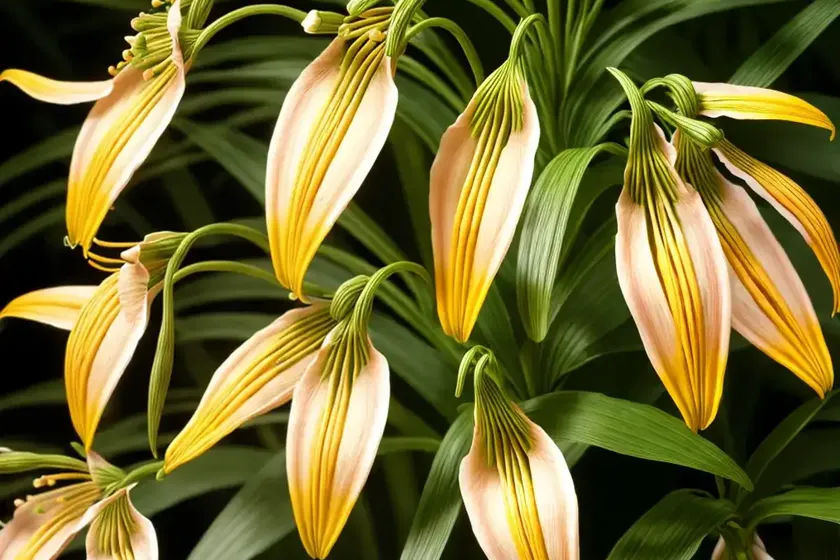
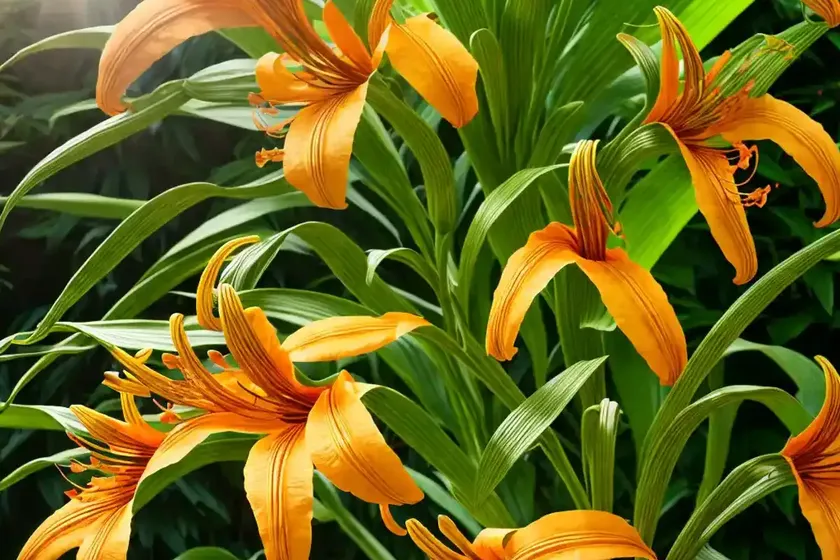
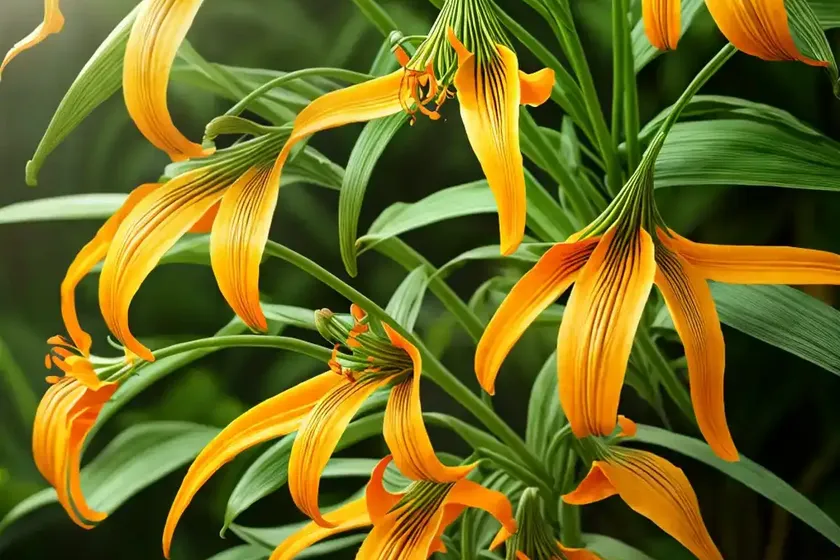
The elegant tiger lily, scientifically known as Lilium lancifolium, is a captivating flowering plant revered for its striking appearance and cultural significance. Throughout history, this plant has inspired art, literature, and cultural customs, and it continues to enchant botanists and gardening enthusiasts around the world today. In this comprehensive guide, we will explore the intricacies of tiger lilies, including their cultivation, uses, and a plethora of fascinating facts.
What is a Tiger Lily (Lilium lancifolium)?
The tiger lily, known by its botanical name Lilium lancifolium, is a species native to Asia and parts of Russia. A member of the Liliaceae family, the tiger lily is renowned for its vibrant, orange-colored flowers adorned with dark spots, which symbolize its tiger-like appearance, from which it derives its name.
The tiger lily is a perennial herb that produces tall, erect stems and lance-shaped leaves, adding to its regal and alluring aesthetic. In addition to its visual appeal, this plant holds cultural and symbolic significance in various traditions and practices.
Key Takeaways – Tiger Lily (Lilium lancifolium)
Before delving into the detailed aspects of tiger lily care and cultivation, let’s start by outlining the key takeaways about this magnificent plant:
- Scientific Name: Lilium lancifolium
- Common Name: Tiger lily
- Family: Liliaceae
- Native Habitat: Asia and parts of Russia
- Distinctive Features: Orange-colored flowers with dark spots, lance-shaped leaves
- Cultural Significance: Symbolism in art, literature, and folklore
Now, let’s explore each aspect of cultivating and caring for the tiger lily in more depth.
Cultivation and Care of Tiger Lilies
Cultivating tiger lilies can be a rewarding endeavor, provided the necessary care and attention are given to the plant. From water and sunlight requirements to soil preferences and pruning techniques, understanding the key aspects of tiger lily care is essential for ensuring the plant’s health and vitality.
Water
- Regular, Even Moisture: Tiger lilies thrive in soil that is consistently moist but not waterlogged. Regular watering, especially during dry spells, is crucial to support healthy growth and vibrant blooms.
- Well-Drained Soil: It is important to ensure that the soil offers good drainage to prevent waterlogging, as overly wet conditions can lead to root rot.
Sunlight
- Partial to Full Sun: Tiger lilies flourish in locations that receive partial to full sunlight. Select a planting site that receives at least 6 hours of sunlight per day to promote robust flower production.
Soil
- Rich, Fertile Soil: Tiger lilies prefer soil that is rich in organic matter and nutrients. A slightly acidic to neutral pH range (6.0-7.0) is ideal for promoting healthy growth and blooming.
Fertilizer
- Balanced Fertilization: Applying a balanced, all-purpose fertilizer in the spring can provide the necessary nutrients for vigorous growth and prolific flowering. Avoid excessive use of high-nitrogen fertilizers, as they can lead to lush foliage at the expense of flower production.
Pruning
- Deadheading Spent Flowers: Regular deadheading – the removal of spent blooms – can encourage the continuous production of new flowers and prevent the plant from expending energy on seed production.
Propagation
Tiger lilies can be propagated through various methods, including:
- Division: Divide established clumps of tiger lilies in the fall or early spring to create new plants. Ensure that each division has sufficient roots and shoots to support its growth.
- Bulbils: These small bulb-like structures often form in the leaf axils of tiger lilies and can be carefully removed and planted to propagate new plants.
Tiger Lilies in Containers
While tiger lilies are often grown in garden beds and borders, they can also thrive when cultivated in containers. Container gardening offers flexibility in terms of placement and allows individuals with limited garden space to enjoy the beauty of tiger lilies.
Container Size and Type
When growing tiger lilies in containers, consider the following:
- Depth: Select a container with sufficient depth to accommodate the long roots of tiger lilies and provide ample room for growth.
- Drainage Holes: Ensure that the container has adequate drainage holes to prevent waterlogging and root rot.
- Potting Mix: Use a well-draining potting mix rich in organic matter to provide the necessary nutrients and support healthy growth.
Popular Varieties for Containers
Several tiger lily varieties are well-suited for container cultivation, including:
- Lilium lancifolium: The classic tiger lily variety with vibrant orange blooms and dark spots.
- Lilium lancifolium ‘Splendens’: A variety known for its larger flowers and robust growth habits, making it an attractive choice for containers.
- Lilium lancifolium ‘Flore Pleno’: This double-flowered form of tiger lily offers a unique and captivating display in containers.
Common Diseases and Pests of Tiger Lilies
Like all plants, tiger lilies are susceptible to certain diseases and pests that can affect their health and vitality. Identifying and addressing these issues in a timely manner is essential for safeguarding the well-being of the plants.
Disease Diagnosis
Common diseases that may affect tiger lilies include:
- Botrytis Blight: This fungal disease can cause brown spots on the leaves and flowers, eventually leading to the collapse of the affected plant parts.
- Viral Diseases: Various viral infections can manifest as stunted growth, distorted leaves, and mottled or discolored foliage.
- Root Rot: Excessive moisture and poor drainage can lead to root rot, characterized by wilting, yellowing leaves, and a general decline in the plant’s health.
Common Pests
Notable pests that may target tiger lilies include:
- Aphids: These small, sap-sucking insects can cluster on the undersides of leaves and cause damage by stunting growth and distorting foliage.
- Lily Leaf Beetles: Recognized by their bright red color, lily leaf beetles can defoliate tiger lilies if left unchecked, leading to weakened plants.
Botanist’s Tips for Growing Tiger Lilies
To ensure the successful cultivation of tiger lilies and promote their health and vitality, consider the following expert tips:
- Mulching: Apply a layer of organic mulch around the base of tiger lilies to conserve soil moisture, suppress weeds, and provide insulation.
- Staking: Tall tiger lily varieties may benefit from staking to provide support and prevent the stems from bending or breaking, particularly in windy conditions.
- Overwintering: In regions with cold winters, provide a protective layer of mulch or straw over the tiger lily bulbs to insulate them from freezing temperatures.
Fun Facts About Tiger Lilies
Tiger lilies possess a rich history and have captivated individuals across cultures and time periods. Here are a few intriguing facts about these enchanting flowers:
- Cultural Symbolism: Tiger lilies have been associated with attributes such as wealth, pride, and prosperity in various cultures and traditions.
- Medicinal Uses: In traditional medicine, tiger lilies have been utilized for their potential therapeutic properties, including as a remedy for certain ailments.
- Wild Habitat: In their native habitat, tiger lilies can be found gracing forest edges, clearings, and other open areas, adding a touch of elegance to the natural landscape.
External Resources for Tiger Lily Enthusiasts
For additional information and in-depth insights into the world of tiger lilies, explore the following resources:
- Royal Horticultural Society: Tiger Lilies
- American Society for the Prevention of Cruelty to Animals (ASPCA): Pet Toxicity
- The Plant List: Lilium lancifolium
In conclusion, the captivating tiger lily, with its vibrant blooms and rich history, continues to inspire floral enthusiasts and captivate individuals across the world. Whether grown in gardens, containers, or symbolic arrangements, the tiger lily holds a special place in the realm of botanical beauty and cultural reverence. Understanding the nuances of tiger lily care and cultivation ensures that this majestic plant can continue to grace landscapes and bring joy to all who encounter its mesmerizing charm.
Whether for its striking appearance, cultural significance, or potential therapeutic uses, the tiger lily remains a timeless and cherished symbol of natural grace and elegance.
Now, armed with a deeper appreciation and understanding of the tiger lily, you are ready to embark on a journey of cultivating and celebrating the enchanting allure of this magnificent flower.
Happy gardening!


