Tiger Flower (Tigridia Pavonia)
Plants play a crucial role in our ecosystem, providing us with oxygen, food, and medicine. In addition to their ecological significance, they also add.
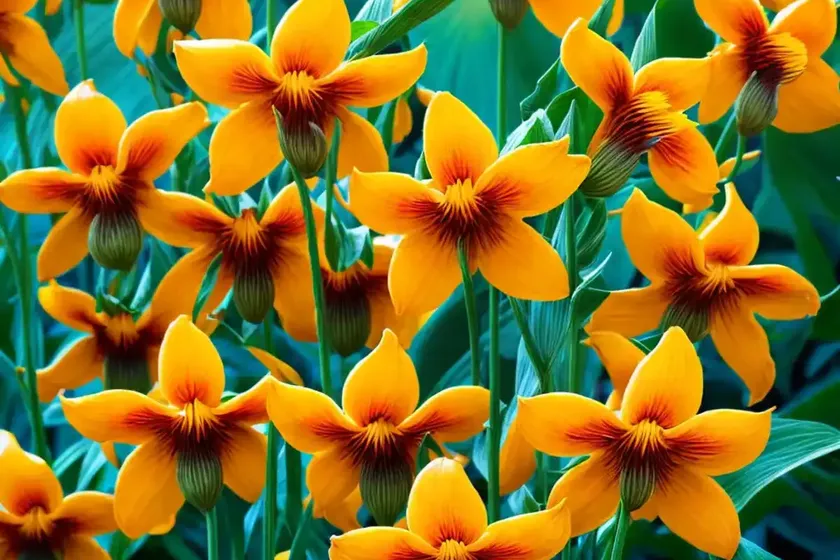
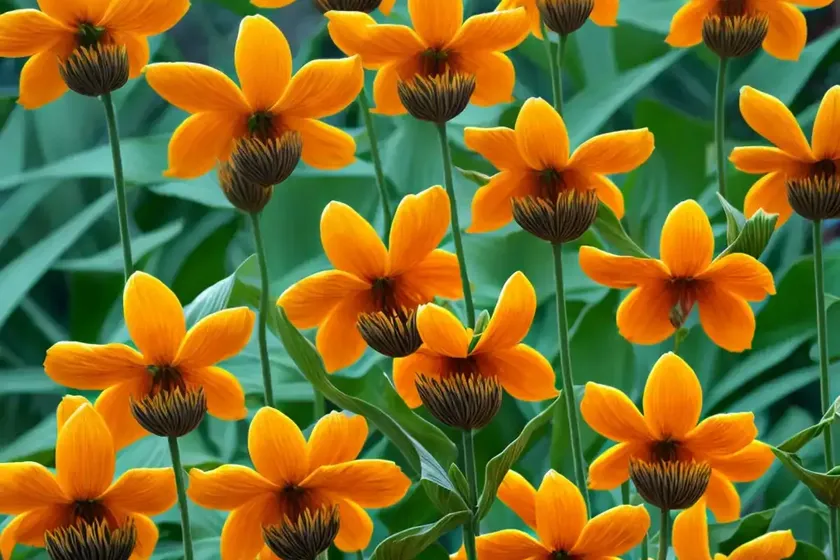
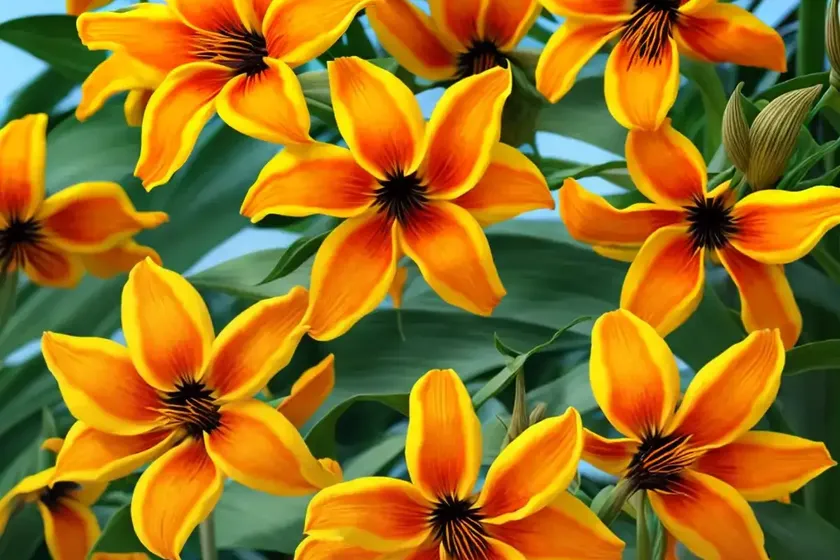
Plants play a crucial role in our ecosystem, providing us with oxygen, food, and medicine. In addition to their ecological significance, they also add beauty and vibrancy to our surroundings. One such captivating plant is the Tiger flower, scientifically known as Tigridia pavonia. Its striking appearance and relatively easy cultivation make it a desirable addition to gardens and landscapes. In this comprehensive guide, we will explore the various facets of the Tiger flower, including its culture, uses, care requirements, propagation, common diseases, and much more.
What is the Tiger Flower (Tigridia pavonia)?
Tigridia pavonia, commonly known as the Tiger flower or Mexican shell flower, is a member of the Iridaceae family. This vibrant flowering plant is native to Mexico and parts of Central America, where it thrives in the warm, tropical climate. The genus name “Tigridia” is derived from the Latin word “tigris,” meaning tiger, alluding to the distinctive tiger-like pattern on the petals of some species within this genus. The specific epithet “pavonia” is derived from the Latin word for peacock, which hints at the striking, colorful blooms of this species.
The Tiger flower is renowned for its showy, iris-like flowers that come in a range of captivating hues, including red, yellow, orange, and pink. Each flower typically lasts for just one day, but the plant produces multiple blooms, resulting in a continuous display of colorful blossoms throughout the blooming season. Aside from its aesthetic appeal, Tigridia pavonia has been used in traditional medicine and is widely cultivated for its ornamental value.
Key Takeaways – Tiger Flower (Tigridia pavonia)
Before delving into the detailed care and cultivation practices for Tiger flowers, let’s outline the key takeaways for quick reference:
- Common Name: Tiger flower, Mexican shell flower
- Scientific Name: Tigridia pavonia
- Family: Iridaceae
- Native Habitat: Mexico and parts of Central America
- Blooming Season: Summer to early fall
- Flower Colors: Red, yellow, orange, pink, and variations thereof
- Water Needs: Moderate
- Sunlight Requirements: Full sun to partial shade
- Soil Preferences: Well-draining, fertile soil
- Propagation: Seeds, bulbs, division
- Uses: Ornamental gardening, cut flowers, traditional medicine
Now that we have a brief overview of the Tiger flower, let’s explore each aspect of its care and cultivation in detail.
Culture
Cultivating Tiger flowers entails understanding their specific cultural requirements to ensure optimal growth and blooming. This encompasses aspects such as watering, sunlight exposure, soil conditions, and fertilization.
Water
Tigridia pavonia thrives in moderately moist soil and should be watered regularly, especially during the active growing season. Adequate moisture is essential for the development of healthy foliage and prolific flowering. However, it is crucial to avoid overwatering, which can lead to root rot and other issues.
Sunlight
In terms of sunlight requirements, Tiger flowers prefer full sun but can tolerate partial shade, especially in regions with intense afternoon sun. Ample sunlight is necessary for robust growth and continuous blooming. When grown in shadier locations, the plant may still produce flowers but might exhibit reduced flowering compared to those grown in full sun.
Fertilizer
Fertilizing Tiger flowers can contribute to enhanced growth and bloom production. A balanced, water-soluble fertilizer can be applied during the active growing season, following the manufacturer’s recommendations. Fertilization should be done sparingly to prevent overfeeding, which can lead to excessive foliage growth at the expense of flowering.
Soil
Providing the right soil conditions is fundamental for the health and vigor of Tiger flowers. Well-draining, fertile soil with a slightly acidic to neutral pH range is ideal for cultivating Tigridia pavonia. Amending the soil with organic matter, such as compost or well-rotted manure, can improve its texture and nutrient content, promoting better growth and blooming.
Uses
The Tiger flower offers a range of uses, from ornamental gardening to traditional medicinal applications. Understanding its diverse uses can further enrich our appreciation for this captivating plant.
Ornamental Gardening
One of the primary uses of Tigridia pavonia is in ornamental gardening. The plant’s dazzling, multi-colored blooms make it a prized addition to flower beds, borders, and container gardens. Whether grown en masse or as individual specimens, Tiger flowers lend a touch of exotic beauty to various landscapes and garden settings.
Cut Flowers
Tiger flowers are also cultivated for their potential as cut flowers. The vibrant, iris-like blooms are favored in floral arrangements, adding a burst of color and elegance to bouquets and centerpieces. When cut and displayed in vases or floral foam, the flowers can be enjoyed indoors, bringing a piece of the garden’s splendor into living spaces.
Traditional Medicine
In some cultures, certain parts of Tigridia pavonia have been used in traditional medicine for their purported medicinal properties. While the plant’s specific medicinal uses vary across regions, it is believed to possess therapeutic qualities, leading to its inclusion in herbal remedies for various ailments.
Tiger Flower Care
Now that we’ve explored the cultural and usage aspects of Tiger flowers, let’s delve into the precise care instructions that can help enthusiasts cultivate and maintain these captivating plants successfully.
Planting Tips
When it comes to planting Tiger flower bulbs, several tips can ensure successful establishment and prolific blooming:
- Timing: Plant bulbs in late spring for summer blooming or early fall for a display in the following year.
- Depth: Place the bulbs approximately 3 to 4 inches deep in the soil, spacing them approximately 6 inches apart.
- Location: Choose a planting site with well-draining soil and ample sunlight, as this will promote healthy growth and flowering.
Growing Guide
Understanding the growth requirements of Tigridia pavonia is essential for providing the right conditions for the plant to flourish. Here is a general guide to growing Tiger flowers:
- Watering: Provide regular, moderate watering, ensuring that the soil remains moist but not waterlogged.
- Sunlight: Position the plants in a location that receives at least 6-8 hours of sunlight per day, although partial shade can be tolerated, particularly in hot climates.
- Feeding: Apply a balanced, water-soluble fertilizer during the active growing season to support healthy growth and blooming.
- Maintenance: Remove spent flowers promptly to encourage the production of new blooms and maintain a tidy appearance.
Blooming Season
Tiger flowers typically bloom from late spring to early fall, with each flower lasting for a single day. However, the plant produces multiple flowers per stem, resulting in a prolonged and colorful display throughout the blooming season. Deadheading spent flowers can help promote continuous blooming and prevent the formation of seeds, redirecting the plant’s energy into producing more blooms.
Characteristics and Varieties
Tigridia pavonia is known for its striking, iris-like flowers that come in a range of captivating colors, including red, yellow, orange, and pink. Several varieties and cultivars may exhibit variations in flower size, color intensity, and patterning, offering horticultural enthusiasts a wide selection to choose from.
Propagation
Propagating Tiger flowers can be achieved through several methods, including seeds, bulbs, and division. Each propagation technique offers its own set of advantages and considerations, allowing growers to expand their Tiger flower collection through reliable and effective means.
Seeds
Growing Tiger flowers from seeds is a viable method of propagation, although it requires patience and attention to detail. Here’s a basic outline of the process:
- Collect mature seeds from the spent seed capsules of the plants.
- Sow the seeds in well-draining potting mix, lightly covering them with a thin layer of soil.
- Keep the soil consistently moist, and provide warmth and ample sunlight for germination to occur.
Bulbs
Bulb division is an efficient and popular method of propagating Tigridia pavonia, offering a reliable means of increasing plant numbers and establishing new planting areas. Here’s how to propagate Tiger flowers through bulb division:
- Lift mature bulbs from the soil after the blooming season has concluded.
- Separate the smaller offsets or bulblets from the main bulb, ensuring that each division has roots attached.
- Replant the divisions in suitable locations, providing adequate care to support their establishment and subsequent growth.
Division
Division of clumps or offsets is another viable means of propagating Tiger flowers. This technique is particularly suitable for mature plants that have produced multiple offsets or “pups” around the base of the main plant. The process involves carefully separating these offsets and transplanting them to new locations, where they can develop into independent plants.
Container Popularity
Tiger flowers are well-suited for container gardening, offering a versatile and portable option for cultivating these stunning blooms. The allure of growing Tigridia pavonia in containers lies in the flexibility it provides, allowing enthusiasts to showcase the plant’s delightful flowers in a variety of settings and spaces.
Common Uses in Containers
When grown in containers, Tiger flowers can be employed in various horticultural applications, including:
- Patios and Decks: Placing containers of Tiger flowers on patios and decks adds a pop of color and visual interest to outdoor living spaces.
- Balconies and Terraces: Compact varieties of Tigridia pavonia can be cultivated in containers on balconies and terraces, bringing a touch of nature to urban settings.
- Indoor Display: Given adequate light, Tiger flowers can be grown in containers indoors, adorning interior spaces with their vibrant blooms.
Container Selection and Care
When choosing containers for growing Tiger flowers, consider the following factors:
- Size: Select containers that provide ample room for the bulbs to grow and develop a healthy root system.
- Drainage: Ensure that containers have adequate drainage holes to prevent waterlogging, which can be detrimental to the plants.
- Potting Mix: Use a well-draining, nutrient-rich potting mix that promotes healthy growth and development.
- Watering: Monitor the moisture levels of the potting mix and water the plants as needed to maintain optimal soil moisture.
Common Diseases
As with any plant, Tigridia pavonia is susceptible to certain diseases and health issues that can impact its growth and blooming. Being aware of these common ailments and their associated symptoms can empower growers to take proactive measures to safeguard their Tiger flowers.
Disease Diagnosis
Several diseases, such as fungal infections and bacterial rots, can affect Tiger flowers. Common symptoms of disease in Tigridia pavonia may include:
- Leaf Spots: Irregular or concentric spots on the leaves, usually with a fungal origin.
- Bulb Rot: Softening, discoloration, or decay of the bulbs, often associated with excessive moisture and poor drainage.
- Botrytis Blight: Grayish mold on the stems, leaves, or flowers, particularly in humid conditions.
Preventive Measures
To minimize the risk of disease, consider implementing the following preventive measures:
- Good Air Circulation: Promote air movement around the plants to reduce humidity and discourage fungal growth.
- Proper Watering: Avoid overwatering and ensure that the soil drains effectively to prevent waterlogged conditions that can lead to root and bulb rots.
- Sanitation: Keep the planting area free of debris and dead plant material that can harbor pathogens and pests.
Disease Management
Should diseases manifest in Tiger flowers, prompt action may be necessary to mitigate their impact:
- Fungicidal Treatments: Utilize appropriate fungicidal products to manage fungal diseases, applying them according to the manufacturer’s instructions.
- Isolation: If diseased plants are identified, consider isolating them from healthy specimens to prevent the spread of the ailment.
- Cultural Practices: Adjust cultural practices, such as watering and fertilization, to promote overall plant health and resilience to diseases.
Common Pests
In addition to diseases, Tiger flowers can be susceptible to a range of pests that may compromise their growth and blooming potential. Identifying these pests and understanding their control measures is essential for preserving the health and beauty of Tigridia pavonia.
Pest Identification
Several pests can pose a threat to Tiger flowers, including:
- Aphids: Small, soft-bodied insects that cluster on the undersides of leaves, sucking sap and causing distortion or yellowing of the foliage.
- Thrips: Tiny, slender insects that feed on flower buds and blooms, leading to browning, discoloration, or distortion of the petals.
- Spider Mites: Minuscule arachnids that produce fine webbing on the leaves and feed on plant sap, causing stippling, yellowing, or browning of the foliage.
Pest Control
Managing pest infestations in Tiger flowers involves employing effective control strategies, which may include:
- Insecticidal Soaps: Use insecticidal soaps to target soft-bodied insects like aphids and thrips, applying the solution to affected plant parts.
- Horticultural Oils: Apply horticultural oils to suffocate and control spider mites and other pests, ensuring thorough coverage of the plant surfaces.
- Biological Controls: Introduce natural predators or beneficial insects, such as ladybugs or predatory mites, to help manage pest populations in an eco-friendly manner.
Botanist’s Tips
To aid in the successful cultivation of Tiger flowers, here are some insightful tips from botanists and horticultural experts:
- Ample Sunlight: Position Tiger flowers in locations that receive ample sunlight, as this is crucial for promoting robust flowering.
- Moderate Watering: Practice moderate and consistent watering to maintain optimal soil moisture levels without leading to waterlogging.
- Fertilization: Apply a balanced fertilizer sparingly during the growing season, ensuring that the plants receive essential nutrients for healthy growth.
- Disease Monitoring: Regularly inspect the plants for signs of diseases and pests, taking proactive measures to address any issues that may arise.
- Deadheading: Promptly remove spent flowers to encourage continuous blooming and prevent the formation of seeds, directing the plant’s energy into flower production.
Fun Facts
To further appreciate the enchanting beauty and allure of Tigridia pavonia, consider these captivating fun facts about Tiger flowers:
- The showy blooms of Tiger flowers only last for a single day, but the plant produces multiple flowers, resulting in an extended blooming period.
- The name “Tiger flower” is derived from the Latin word “tigris,” meaning tiger, alluding to the striking, tiger-like patterns on some species within the Tigridia genus.
- In addition to their ornamental value, certain parts of Tigridia pavonia have been used in traditional medicine for their purported therapeutic properties.
- The bulbs of Tiger flowers can be stored and overwintered in colder climates, allowing gardeners to enjoy their colorful blooms year after year.
Links to External Resources
For further information and exploration of Tiger flowers, the following links to external resources can provide valuable insights and inspiration:
- Royal Horticultural Society – Tigridia pavonia: Detailed information on the cultivation and characteristics of Tigridia pavonia, offered by the Royal Horticultural Society.
- American Iris Society: A valuable resource for iris enthusiasts, offering a wealth of information on various iris species, including Tigridia pavonia.
- University of Florida IFAS Extension – Bulbs for Florida: A comprehensive guide to growing bulbous plants, including insights that are applicable to the cultivation of Tigridia pavonia.
Tiger Flower (Tigridia pavonia) exemplifies the beauty and resilience of plants, captivating enthusiasts with its multi-colored, iris-like blooms and relatively straightforward cultivation requirements. By embracing the cultural, usage, care, and propagation aspects of this stunning plant, individuals can foster a deeper appreciation for its ecological and aesthetic significance, enriching their gardening endeavors and horticultural pursuits. Whether grown in traditional garden beds or showcased in containers, Tiger flowers stand as radiant symbols of natural splendor, inviting us to savor the kaleidoscope of colors and the ephemeral beauty they bestow upon the landscape.


