Plant Profile: Tiarella ‘Sugar and Spice’ (Foam Flower)
In the world of gardening, Tiarella ‘Sugar and Spice’ is prized for its delicate and intricate foliage, as well as its captivating flowers. This perennial plant, also known as Foam Flower, offers a beautiful and low-maintenance addition to gardens. In this comprehensive guide, we will explore everything there is to know about Tiarella ‘Sugar and Spice’ – from its characteristics and care to its uses and landscaping potential.
What is Tiarella ‘Sugar and Spice’ (Foam Flower)?
First and foremost, let’s get to know our star plant – Tiarella ‘Sugar and Spice’. This cultivar is a part of the Tiarella plant varieties, which are commonly referred to as Foam Flowers. Tiarella ‘Sugar and Spice’ is renowned for its stunning foliage, graceful flowers, and its ability to thrive in a variety of conditions. It is a hybrid perennial plant that belongs to the Saxifragaceae family.
Key Takeaways
Let’s start by summarizing the key takeaways for Tiarella ‘Sugar and Spice’:
- Botanical Name: Tiarella ‘Sugar and Spice’
- Common Name: Foam Flower
- Plant Type: Perennial
- Family: Saxifragaceae
- Characteristics: Delicate foliage, charming flowers
- Uses: Ground cover, woodland gardens, containers, borders
- Maintenance: Low maintenance, easy to grow
- Growth Habit: Spreading, clump-forming
Now that we have a basic understanding of Tiarella ‘Sugar and Spice’, let’s delve into the details.
Culture
For any plant to thrive in a garden setting, understanding its cultural requirements is crucial. The culture of Tiarella ‘Sugar and Spice’ encompasses its preferred growing conditions, maintenance needs, and its potential uses in different settings.
Uses
One of the key aspects of Tiarella ‘Sugar and Spice’ is its versatility in various garden settings. Here are some common uses for this captivating plant:
- Ground Cover: The low-growing and spreading nature of Tiarella ‘Sugar and Spice’ makes it an excellent choice for ground cover, particularly in shaded areas.
- Woodland Gardens: This plant thrives in the dappled shade and moist soil often found in woodland gardens, where it can complement other shade-loving plants.
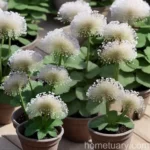
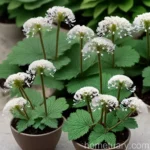
- Containers: The attractive foliage and delicate blooms make Tiarella ‘Sugar and Spice’ an ideal choice for container gardening, adding elegance to patios, decks, and other outdoor spaces.
- Borders: Its gently mounding growth habit and charming foliage make it a great addition to borders and edgings, adding visual interest and texture.
- Naturalistic Landscaping: In naturalistic or woodland-inspired landscapes, Tiarella ‘Sugar and Spice’ can offer a touch of the wild while maintaining an organized appearance.
- Rock Gardens: The compact growth habit of Tiarella ‘Sugar and Spice’ makes it suitable for rock gardens, where it can thrive in the well-drained soil and add a delicate beauty to the setting.
- Shade Gardens: Given its preference for shade, Tiarella ‘Sugar and Spice’ is a natural choice for shaded garden areas, contributing to the serene and tranquil atmosphere.
Water
Proper watering is essential for the health and vigor of Tiarella ‘Sugar and Spice’. Here are some key points to consider regarding its water needs:
- Moisture: While Tiarella ‘Sugar and Spice’ prefers consistently moist soil, it should not be waterlogged. Adequate drainage is crucial to prevent water-related issues.
- Established Plants: Once established, Tiarella ‘Sugar and Spice’ has good tolerance to dry spells. However, during prolonged drought, supplemental watering may be necessary to maintain its health.
- Mulching: Applying a layer of organic mulch around the base of the plant can help retain soil moisture, regulate soil temperature, and reduce water evaporation.
Sunlight
Tiarella ‘Sugar and Spice’ thrives in partial to full shade, making it an excellent choice for gardens with limited direct sunlight. Here are some key considerations related to its sunlight requirements:
- Shade Tolerance: This plant is exceptionally well-suited for shaded areas, where it can flourish and bring its unique beauty to the garden.
- Dappled Shade: Tiarella ‘Sugar and Spice’ does well in dappled shade, where it can benefit from filtered sunlight without the intensity of direct exposure.
- Protection from Midday Sun: In regions with intense midday sun, providing some protection from the harsh rays can help maintain the health and vitality of Tiarella ‘Sugar and Spice’.
Fertilizer
Appropriate fertilization can support the growth and floral display of Tiarella ‘Sugar and Spice’. Consider the following points when fertilizing this plant:
- Organic Matter: Incorporating organic matter, such as compost or well-rotted manure, into the soil during planting can provide essential nutrients and improve soil structure.
- Balanced Fertilizer: Using a balanced slow-release fertilizer in spring can encourage healthy growth and flowering. Apply according to the manufacturer’s instructions to prevent over-fertilization.
- Avoid Excessive Nitrogen: High-nitrogen fertilizers should be used sparingly, as they can promote lush foliage at the expense of flower production.
Soil
Understanding the soil requirements of Tiarella ‘Sugar and Spice’ is crucial for creating an optimal growing environment for this plant. Here are some key considerations related to its soil preferences:
- Moist, Well-Drained Soil: Tiarella ‘Sugar and Spice’ thrives in moist, well-drained soil with a rich organic content. Consistent soil moisture is important for its overall health.
- Acidic to Neutral pH: The ideal soil pH for Tiarella ‘Sugar and Spice’ ranges from slightly acidic to neutral. Ensuring the proper pH level can promote nutrient availability and root health.
Pruning
Pruning plays a vital role in maintaining the appearance and vigor of Tiarella ‘Sugar and Spice’. Here are some important points to keep in mind when pruning this plant:
- Spring Maintenance: In early spring, remove any dead or damaged leaves to promote fresh growth and improve the overall appearance of the plant.
- Flower Stems: After the blooming period, spent flower stems can be trimmed back to maintain a tidy appearance.
Propagation
If you wish to propagate Tiarella ‘Sugar and Spice’ to expand your garden or share with fellow gardening enthusiasts, there are several methods you can consider:
- Division: Dividing established clumps in early spring or fall can yield new plants with minimal effort. Ensure that each division has sufficient roots and shoots for successful establishment.
- Seed Propagation: While possible, propagating Tiarella ‘Sugar and Spice’ from seeds can be a lengthier process compared to division. Sow seeds in a seed-starting mix and ensure consistent moisture for successful germination.
Container Popularity
With its graceful foliage and charming blooms, Tiarella ‘Sugar and Spice’ has achieved popularity as a container plant. Here are some reasons why this plant is well-suited for container gardening:
- Compact Growth Habit: The compact nature of Tiarella ‘Sugar and Spice’ makes it an ideal candidate for containers, where it can thrive without overwhelming the space.
- Attractive Foliage: The intricate and eye-catching foliage of this plant enhances the visual appeal of containers, adding texture and interest.
- Versatile Uses: From patio displays to accentuating outdoor seating areas, the versatility of Tiarella ‘Sugar and Spice’ makes it a valuable addition to container gardens.
Common Diseases
While Tiarella ‘Sugar and Spice’ is generally resilient, it is susceptible to certain diseases that can impact its health and appearance. Vigilance and prompt action can help prevent and manage these potential issues. Here are common diseases that may affect Tiarella ‘Sugar and Spice’:
- Powdery Mildew: In conditions of high humidity and poor air circulation, powdery mildew can affect the foliage of Tiarella ‘Sugar and Spice’. Symptoms include white powdery patches on the leaves, which can diminish the plant’s aesthetic appeal.
- Leaf Spot: Fungal leaf spot diseases can cause dark, round lesions on the foliage of Tiarella ‘Sugar and Spice, affecting its overall vigor. Proper sanitation and diligent monitoring can help manage this issue.
Disease Diagnosis
When observing potential signs of disease on Tiarella ‘Sugar and Spice’, consider the following steps for accurate diagnosis and management:
- Visual Inspection: Regularly inspect the foliage and stems for any irregularities, such as discoloration, spots, or unusual growths.
- Consulting Experts: If you are uncertain about a particular issue affecting your plants, seeking advice from experienced gardeners or plant disease specialists can provide valuable insights for diagnosis and treatment.
Common Pests
In addition to potential diseases, Tiarella ‘Sugar and Spice’ may encounter pests that can compromise its health and appearance. Here are some common pests that gardeners should be mindful of:
- Aphids: These small, soft-bodied insects can congregate on the tender shoots and foliage of Tiarella ‘Sugar and Spice’, causing damage and distortion.
- Spider Mites: Spider mites can infest the foliage of this plant, leading to stippling and weakening of the leaves.
- Slugs and Snails: In moist and shaded environments, slugs and snails can feed on the foliage of Tiarella ‘Sugar and Spice’, potentially causing significant damage.
Botanist’s Tips
For successful cultivation and enjoyment of Tiarella ‘Sugar and Spice’, consider the following tips and insights from botanists and gardening experts:
- Choosing Companion Plants: Selecting companion plants that complement the delicate beauty of Tiarella ‘Sugar and Spice’ can enhance the overall visual impact of garden designs. Consider shade-loving companions with contrasting foliage textures and colors.
- Wildlife Benefits: The floral resources provided by Tiarella ‘Sugar and Spice’ can attract beneficial insects such as pollinators, contributing to a thriving and biodiverse garden ecosystem.
- Promoting Healthy Growth: Regularly monitoring the moisture levels, inspecting for diseases and pests, and providing appropriate care can promote the health and vigor of this plant, ensuring its longevity in the garden.
Fun Facts
To further appreciate the charm and allure of Tiarella ‘Sugar and Spice’, here are some fun facts about this remarkable plant:
- Native Range: The native range of Tiarella ‘Sugar and Spice’ includes parts of North America, where it thrives in woodland settings and shaded habitats.
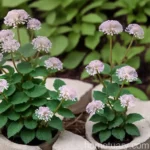
- Bloom Time: This plant typically produces its delicate flowers in late spring to early summer, adding a touch of elegance to the garden.
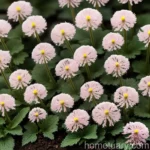
- Foliage Colors: The foliage of Tiarella ‘Sugar and Spice’ can exhibit a range of captivating colors, from various shades of green to attractive mottling and marbling patterns.
Links to External Resources
For further information and insights into Tiarella ‘Sugar and Spice’ and related topics, explore the following links to external resources:
- Tiarella Cultivars
- Growing Tiarella ‘Sugar and Spice’
- Foam Flower Gardening
- Tiarella ‘Sugar and Spice’ Disease Resistance
- Tiarella ‘Sugar and Spice’ Companion Plants
- Tiarella ‘Sugar and Spice’ Wildlife Benefits
- Tiarella ‘Sugar and Spice’ Naturalistic Landscaping
By integrating the information and insights provided in this comprehensive guide, gardeners and plant enthusiasts can cultivate and appreciate the captivating beauty of Tiarella ‘Sugar and Spice’ (Foam Flower) in diverse garden settings. From its charming foliage to its graceful flowers, this versatile perennial plant has much to offer, contributing to the enchanting tapestry of garden landscapes.
Disclaimer: The information provided in this guide is for educational purposes and does not serve as professional gardening or horticultural advice. Specific local conditions, climate variations, and individual plant requirements should always be considered when cultivating and caring for plants.