Thymus Serpyllum ‘Magic Carpet’ (Creeping Thyme)
Plants have long been revered for their beauty, therapeutic properties, and overall benefit to the environment. Among the diverse array of plants that.
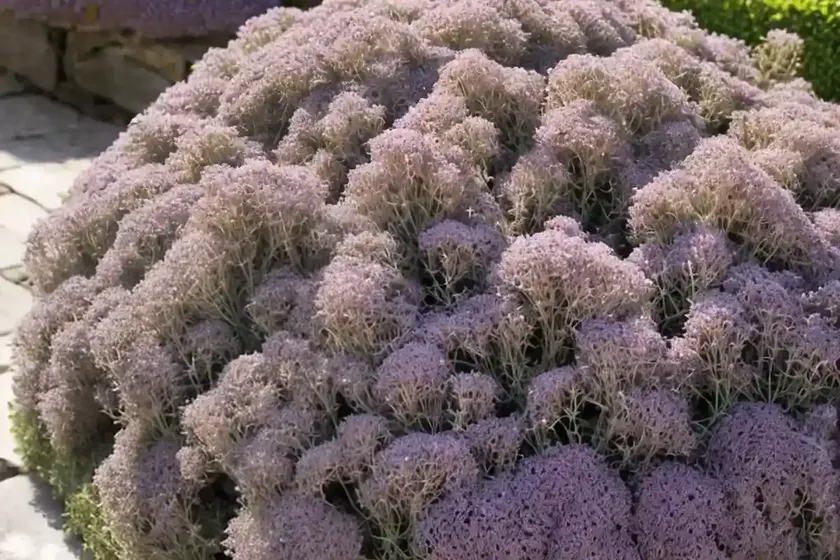
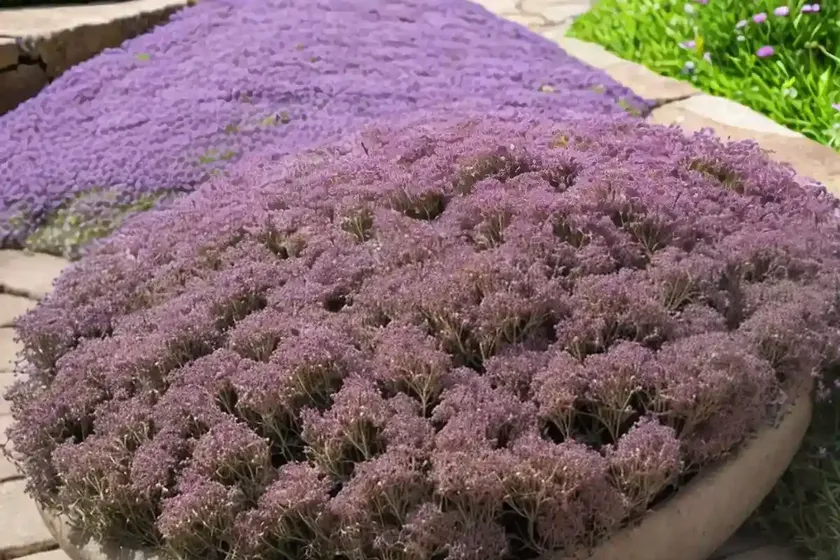
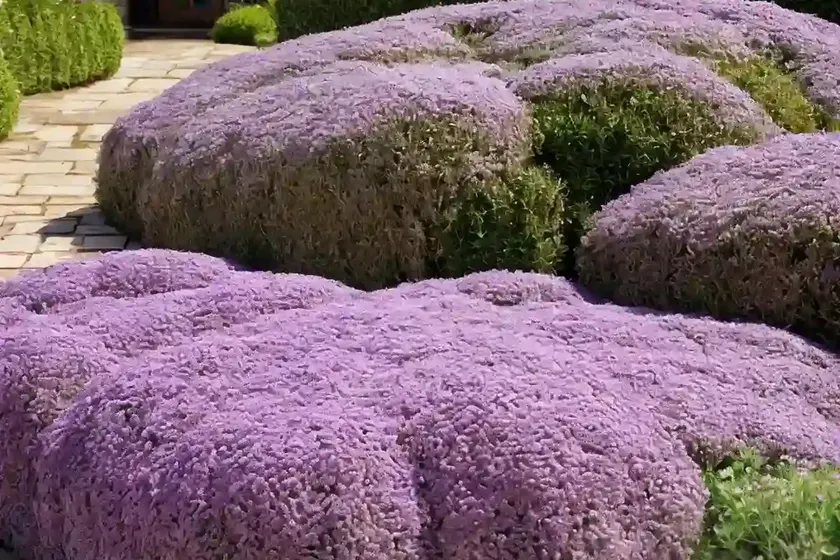
Plants have long been revered for their beauty, therapeutic properties, and overall benefit to the environment. Among the diverse array of plants that exist, Thymus serpyllum ‘Magic Carpet’ (Creeping Thyme) stands out as a beautiful and functional addition to any garden or landscape. In this comprehensive guide, we will explore the characteristics, care, and uses of this delightful plant.
What is Thymus serpyllum ‘Magic Carpet’?
Thymus serpyllum ‘Magic Carpet’, commonly known as Creeping Thyme, is a low-growing, spreading perennial plant that forms a dense mat of foliage. It belongs to the Lamiaceae (mint) family and is native to parts of Europe and North Africa. This cultivar is renowned for its fragrant foliage, vibrant flowers, and versatility in the garden. With its creeping habit and carpet-like growth, it is often utilized as a ground cover, between stepping stones, or in containers.
Key Takeaways – Thymus serpyllum ‘Magic Carpet’
Before delving into the specifics of Creeping Thyme care and uses, let’s take a quick look at the key takeaways related to this plant:
- Common Name: Creeping Thyme, Magic Carpet Thyme
- Scientific Name: Thymus serpyllum ‘Magic Carpet’
- Plant Type: Perennial
- Growing Habit: Creeping, mat-forming
- Foliage: Fragrant, small, green to golden
- Flowers: Pink to purple, tiny, clustered
- Uses: Ground cover, culinary, medicinal
- USDA Hardiness Zones: 4-9
- Sunlight: Full sun
- Soil: Well-draining, sandy loam
- Watering: Low to moderate
- Maintenance: Low
With these key takeaways in mind, let’s explore the various aspects of Culture, Uses, Water, Sunlight, Fertilizer, Soil, Pruning, Propagation, Container Popularity, Container Common Diseases, Disease Diagnosis, Common Pests, and Botanist’s Tips related to Creeping Thyme.
Culture
Understanding the cultural requirements of Thymus serpyllum ‘Magic Carpet’ is essential for successfully growing and maintaining this delightful plant.
Water
Creeping Thyme exhibits excellent drought tolerance, making it an ideal choice for water-wise landscapes. Once established, it requires minimal supplemental watering. In fact, overwatering can lead to root rot and other issues, so it’s important to let the soil dry out between waterings, particularly in well-draining soil.
Sunlight
One of the defining characteristics of Creeping Thyme is its preference for full sun. To thrive and produce an abundance of flowers, it should be planted in a location that receives at least 6-8 hours of direct sunlight per day. In hotter climates, some afternoon shade can be beneficial to protect it from scorching.
Fertilizer
Creeping Thyme is not heavy feeder, and excessive fertilization can lead to an abundance of foliage at the expense of flowers. It is best to avoid high-nitrogen fertilizers, as these can promote excessive growth. A light application of balanced fertilizer in spring can be beneficial, but it’s generally unnecessary in nutrient-rich soil.
Soil
The ideal soil for Creeping Thyme is well-draining and slightly alkaline, with a pH range of 6.5 to 8.0. Sandy loam or rocky soil with good drainage is preferred, as it mimics the plant’s natural habitat and prevents waterlogged conditions.
Uses
Ground Cover
The low-growing, spreading nature of Creeping Thyme makes it an exceptional ground cover. It forms a dense mat of foliage, which not only suppresses the growth of weeds but also provides a visually appealing carpet of greenery. When in bloom, the profusion of tiny flowers creates a striking display, often attracting pollinators like bees and butterflies.
Culinary and Medicinal
Beyond its ornamental value, Creeping Thyme is also valued for its culinary and medicinal uses. Its aromatic foliage, with hints of lemon and mint, is often used to flavor culinary dishes, particularly those featuring poultry, vegetables, and fish. Medicinally, it is utilized in herbal remedies for its potential antimicrobial and anti-inflammatory properties.
Fragrance
The fragrant foliage of Creeping Thyme releases a pleasant aroma when lightly brushed or walked upon, adding a sensory dimension to its role in the garden. As a result, it is frequently planted along pathways or near seating areas to enhance the olfactory experience.
Pruning
Maintenance Pruning
One of the appealing aspects of Creeping Thyme is its low-maintenance nature. In late spring or early summer, light shearing after the initial flush of blooms can help maintain a tidy appearance and promote a bushier habit. However, avoid cutting into old wood, as this can impede the plant’s ability to rejuvenate.
Propagation
Creeping Thyme can be propagated through various methods, including division, cuttings, and seed sowing.
Division
Dividing established clumps of Creeping Thyme is a straightforward way to propagate the plant. This is typically done in early spring, before new growth emerges. Simply dig up the clump and carefully separate it into smaller sections, each containing roots and shoots, then replant the divisions in suitable locations.
Cuttings
Taking stem cuttings from healthy, actively growing plants is another effective propagation method. Choose non-flowering shoots and trim them to a few inches in length, then remove the lower leaves and insert the cut ends into a well-draining propagation medium. With adequate warmth and moisture, the cuttings should root within a matter of weeks.
Seed Sowing
Though it may take longer to establish compared to division or cuttings, Creeping Thyme can also be grown from seed. Sow the seeds in a prepared seedbed or containers, and ensure that the soil remains consistently moist until germination occurs.
Container Popularity
The compact nature of Creeping Thyme makes it well-suited for container cultivation. Whether used as a singular specimen in a decorative pot or incorporated into a mixed container garden, its trailing habit and resilience make it a valuable addition to outdoor and indoor spaces.
Common Diseases
While Creeping Thyme is generally resistant to pests and diseases, there are a few issues that can arise under certain conditions.
Powdery Mildew
Excessive moisture, poor air circulation, and high humidity can contribute to the development of powdery mildew on Creeping Thyme. To mitigate this fungal disease, it’s important to ensure proper spacing between plants, promote good air flow, and avoid overhead watering.
Root Rot
Overly wet soil and poor drainage can lead to root rot in Creeping Thyme. This can be exacerbated by heavy clay soil or containers without adequate drainage holes. Preventing waterlogged conditions and ensuring well-draining soil are crucial for preventing this issue.
Disease Diagnosis
When diagnosing potential diseases affecting Creeping Thyme, it is important to closely inspect the plant for symptoms and consider environmental factors that may contribute to the problem. Consulting a local extension office or plant clinic can provide valuable guidance in accurately identifying and addressing any diseases encountered.
Common Pests
Spider Mites
In hot, dry conditions, spider mites can pose a threat to Creeping Thyme. These tiny arachnids may cause stippling or discoloration on the foliage and can be particularly troublesome in enclosed environments. Regularly monitoring for signs of spider mite activity and providing adequate humidity can help deter infestations.
Aphids
Aphids are another potential pest that may affect Creeping Thyme. These small, sap-sucking insects can distort new growth and excrete honeydew, creating a sticky mess on the plant. Natural predators like ladybugs and lacewings can assist in controlling aphid populations, while a forceful spray of water can dislodge them from the plant.
Botanist’s Tips
To make the most of cultivating Thymus serpyllum ‘Magic Carpet’, consider the following tips from botanists and experienced gardeners:
- Rock Gardens and Dry Walls: Integrate Creeping Thyme into rock gardens, alpine beds, and dry-stone walls for a naturalistic and visually appealing effect.
- Pollinator Gardens: Incorporate Creeping Thyme into pollinator-friendly gardens to attract bees, butterflies, and other beneficial insects.
- Edging and Borders: Use Creeping Thyme as an edging plant along garden borders, pathways, and flower beds to add a touch of color and fragrance.
- Companion Planting: Pair Creeping Thyme with other sun-loving, drought-tolerant plants for a harmonious and water-wise garden design.
Fun Facts
- Creeping Thyme is classified as an evergreen perennial, meaning it retains its foliage year-round in milder climates.
- In addition to its ornamental and culinary uses, Creeping Thyme is sometimes incorporated into potpourris and scented sachets for its aromatic qualities.
- The genus name, Thymus, is believed to have origins in the Greek word “thymon,” which was associated with courage and strength. This reflects the historical significance of thyme in various cultures as a symbol of bravery and vitality.
Links to External Resources
For further exploration of Creeping Thyme and related topics, the following external resources are recommended:
- Royal Horticultural Society (RHS) – Thymus serpyllum ‘Magic Carpet’
- Missouri Botanical Garden – Creeping Thyme (Thymus serpyllum)
- University of Wisconsin-Madison Extension – Growing Thyme in the Home Garden
- The Herb Society of America – Creeping Thyme: The Versatile Ground Cover
- North Carolina State University Extension – Thymus spp. – Thyme
In conclusion, Thymus serpyllum ‘Magic Carpet’ (Creeping Thyme) offers a wealth of benefits for gardeners and landscapes, ranging from its ornamental beauty and low-maintenance nature to its culinary and medicinal uses. By understanding its cultural requirements, propagating methods, and potential challenges, enthusiasts can cultivate this versatile plant successfully. Whether used as a ground cover, container specimen, or aromatic addition to the garden, Creeping Thyme brings charm and functionality to outdoor spaces.


