Thymus Serpyllum (Creeping Thyme)
Thymus serpyllum, commonly known as creeping thyme, is a versatile and resilient plant that holds immense value not only for ornamental and culinary.
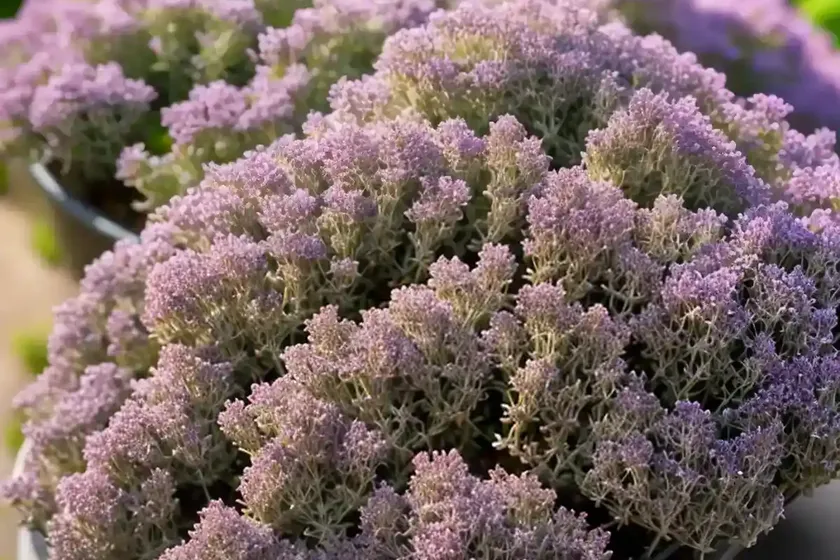
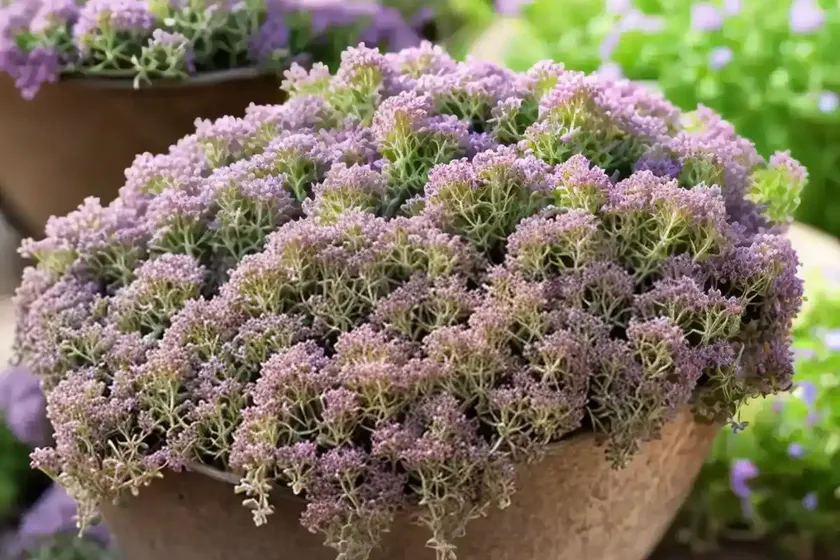
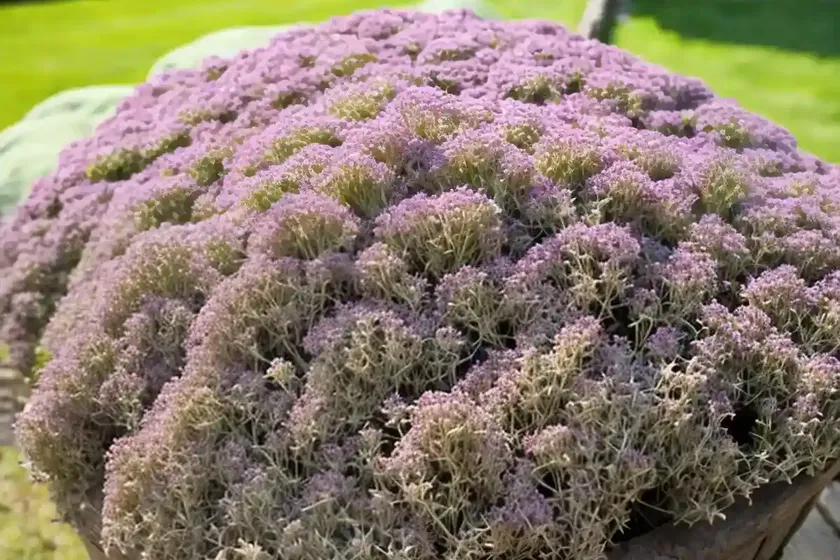
Thymus serpyllum, commonly known as creeping thyme, is a versatile and resilient plant that holds immense value not only for ornamental and culinary purposes but also for its medicinal properties. This perennial plant belongs to the Lamiaceae family and is native to Europe and parts of North Africa. Its low-growing and spreading nature, combined with its aromatic foliage, makes it a popular choice for ground cover in various landscapes. In this comprehensive guide, we will delve into the cultural aspects, use in landscaping, maintenance, and various other facets of Thymus serpyllum.
Key Takeaways – Thymus serpyllum (Creeping Thyme)
Before we explore the intricate details of Thymus serpyllum, let’s highlight some key takeaways about this remarkable plant:
- Thyme varieties – Thymus serpyllum encompasses a variety of cultivars, which offer different colors, scents, and growth habits.
- Cultural uses – Creeping thyme is utilized for ornamental, culinary, and medicinal purposes, making it a multi-functional plant.
- Growing conditions – This plant thrives in well-draining soil, requires moderate watering, and prefers full sunlight.
- Propagation – Creeping thyme can be propagated from seeds, cuttings, or division.
- Container popularity – It’s a popular choice for container gardening due to its low maintenance and aesthetic appeal.
- Common pests and diseases – Understanding potential issues related to pests and diseases is crucial for maintaining the health of Thymus serpyllum.
- Botanist’s tips – Expert tips for growing and caring for Thymus serpyllum to ensure optimal health and performance.
As we move forward, we will explore each of these key takeaways in detail, providing insights into the culture, uses, maintenance, and much more related to Thymus serpyllum.
What is Thymus serpyllum (Creeping Thyme)?
Thymus serpyllum, also known as creeping thyme, is a low-growing perennial plant that is a member of the Thymus genus within the Lamiaceae family. It is native to Europe, North Africa, and parts of Asia, where it is commonly found in dry, rocky, and well-drained soil. One of the key attractions of Thymus serpyllum is its creeping habit and fragrant foliage, which makes it an excellent choice for ground cover and landscaping.
Morphology and Characteristics
- Habit – Low-growing and spreading, forming a dense mat of foliage.
- Leaves – Small, oval to lance-shaped, and often aromatic when crushed.
- Flowers – Tiny, tubular, and typically pink, purple, or white in color.
- Aroma – The foliage of Thymus serpyllum exudes a pleasant aroma, which is intensified when the leaves are bruised or crushed.
In addition to its ornamental value, Thymus serpyllum has a long history of traditional medicinal use, particularly for its antimicrobial and antiseptic properties. Due to its rich fragrance and flavor, it is also widely utilized as a culinary herb, adding a distinctive taste to various dishes.
Now that we have a fundamental understanding of Thymus serpyllum, let’s delve into its cultural requirements to ensure its optimal growth and development.
Culture
The successful cultivation of Thymus serpyllum relies on understanding its cultural requirements, including its need for water, sunlight, soil, and fertilizer. Let’s explore each of these elements in detail.
Water
Thymus serpyllum is well-adapted to dry and rocky environments, which makes it relatively drought-tolerant once established. However, regular watering, especially during dry periods, is essential for its initial establishment and to promote healthy growth.
- Establishment phase – During the initial phase after planting, it’s crucial to provide regular water to help the roots establish in the soil.
- Mature plants – Once established, Thymus serpyllum can thrive with minimal supplemental watering, as it is adapted to dry conditions.
Sunlight
As a sun-loving plant, Thymus serpyllum thrives in full sunlight, making it an ideal choice for areas that receive ample sunlight throughout the day.
- Optimal conditions – Ensure that the plant receives at least 6-8 hours of direct sunlight for healthy growth and vigorous flowering.
- Shade tolerance – While it prefers full sunlight, it can tolerate partial shade but may result in reduced flowering and compact growth.
Fertilizer
Thymus serpyllum is a low-maintenance plant when it comes to fertilization. It generally thrives in nutrient-poor soil and does not require frequent fertilization.
- Soil nutrients – It is best to avoid overly fertile soil, as this can lead to excessive foliage growth at the expense of flower production.
- Minimal fertilization – In most cases, Thymus serpyllum does not require additional fertilization if it is planted in moderately fertile soil.
Soil
The soil requirements for Thymus serpyllum are crucial for its overall health and performance.
- Well-draining soil – An essential requirement, as excessive moisture can lead to root rot and other issues.
- Soil pH – It prefers slightly alkaline to neutral soil with a pH range of 6.5-8.0.
- Soil structure – Sandy or gravelly soil with good aeration and drainage is optimal for this plant.
Uses
The versatility of Thymus serpyllum is reflected in its various uses, ranging from ornamental and culinary to medicinal. Understanding these diverse applications can help enthusiasts and gardeners maximize the potential of this remarkable plant.
Ornamental Use
One of the primary uses of Thymus serpyllum is its ornamental value as a ground cover plant. Its low-growing and spreading habit, combined with its colorful flowers and aromatic foliage, make it an ideal choice for various landscaping applications.
- Ground cover – It forms a dense mat of foliage that suppresses weed growth and adds visual interest to the landscape.
- Rock gardens – Due to its preference for well-drained soil and low height, it is often used in rock gardens to provide a lush and colorful ground cover.
- Borders and edges – Its spreading habit and attractive flowers make it a popular choice for border planting and edging.
Culinary Use
Thymus serpyllum is valued for its aromatic and flavorful foliage, which is utilized in culinary endeavors.
- Aromatic herb – Its leaves are rich in essential oils and impart a distinct flavor and aroma to dishes.
- Culinary applications – It is used as a culinary herb in various recipes, including stews, soups, marinades, and teas.
Medicinal Use
Beyond its ornamental and culinary value, Thymus serpyllum has a history of traditional medicinal use for its potential health benefits.
- Antimicrobial properties – It contains compounds that exhibit antimicrobial and antiseptic properties, which have been utilized in traditional medicine.
- Herbal remedies – It is used in herbal preparations and remedies for respiratory conditions, digestive issues, and as a general tonic.
Pruning
Pruning is an essential aspect of maintaining the health, vigor, and aesthetic appeal of Thymus serpyllum. Proper pruning not only helps control its growth but also encourages denser foliage and promotes flowering.
- Timing – Prune Thymus serpyllum in early spring or after the flowering period to encourage new growth and prevent overgrowth.
- Techniques – Use sharp and clean pruning shears to trim back the stems and remove any dead or woody growth.
- Frequency – Regular light pruning will help maintain the desired shape and prevent the plant from becoming too leggy.
Propagation
Understanding the methods of propagating Thymus serpyllum is valuable for expanding its presence in the garden or sharing it with fellow gardening enthusiasts. This plant can be propagated through several methods, including seeds, cuttings, and division.
Propagation from Seeds
- Seed collection – Collect ripe seeds from the plant by gently shaking the dried flower heads to release the seeds.
- Sowing time – Sow the seeds in spring or early summer in well-draining potting mix or directly in the garden soil.
- Germination – Provide consistent moisture and warmth for successful germination.
Propagation from Cuttings
- Selection – Take 3-4 inch cuttings from the new growth of the plant, ensuring they have at least two pairs of leaves.
- Rooting hormone – Dip the cut ends in a rooting hormone to encourage root development.
- Potting mix – Plant the cuttings in a well-draining potting mix and maintain a moist environment until roots develop.
Propagation by Division
- Established plants – Divide clumps of established Thymus serpyllum in early spring or fall.
- Separation – Carefully separate the clumps into smaller sections, ensuring each division has roots and shoots.
- Replanting – Transplant the divisions into prepared soil and water thoroughly to encourage establishment.
Container Popularity
Thymus serpyllum is well-suited for cultivation in containers due to its compact growth habit, low-maintenance requirements, and ornamental appeal. Growing this plant in containers offers flexibility in terms of placement and allows individuals with limited garden space to experience the beauty and functionality of Thymus serpyllum.
- Container selection – Choose a container with adequate drainage holes and sufficient depth for the root system to establish.
- Potting mix – Utilize a well-draining potting mix that mimics the plant’s natural soil preferences, such as a blend of sandy soil and perlite.
- Placement – Position the container in an area that receives full sunlight and ensure it receives regular watering, especially during periods of dryness.
Common Diseases
While Thymus serpyllum is generally resilient to diseases, it can encounter certain issues that can impact its health and vitality. Understanding these common diseases and their symptoms is crucial for implementing effective management strategies.
Disease Diagnosis
- Root rot – Excessive moisture or poorly-draining soil can lead to root rot, resulting in wilting, yellowing foliage, and stunted growth.
- Powdery mildew – This fungal disease manifests as a powdery white substance on the foliage, leading to reduced photosynthesis and overall vigor.
Common Pests
Thymus serpyllum is relatively resistant to pests due to its aromatic foliage and resilient nature. However, certain pests may pose occasional threats to its well-being.
- Spider mites – These tiny arachnids can cause stippling and webbing on the foliage, impacting the plant’s overall health.
- Aphids – These small insects can cluster on the tender growth of the plant, sucking sap and excreting honeydew, which can lead to sooty mold.
Botanist’s Tips
As a plant scientist, I would like to share some valuable tips for cultivating and caring for Thymus serpyllum to ensure its optimal performance:
- Selecting cultivars – Explore the diverse cultivars of Thymus serpyllum to introduce a range of colors and scents to your garden.
- Well-draining soil – Prioritize well-draining soil to prevent waterlogging, which can be detrimental to the plant’s health.
- Avoid over-fertilization – Refrain from excessive fertilization, as Thymus serpyllum thrives in nutrient-poor conditions.
- Pruning for vigor – Regular pruning helps maintain the plant’s vigor and control its growth, promoting healthy foliage and flowering.
Fun Facts
To conclude our exploration of Thymus serpyllum, here are some intriguing and delightful facts about this remarkable plant:
- Bee magnet – The flowers of Thymus serpyllum are attractive to bees and other pollinators, making it a valuable addition to pollinator gardens.
- Aromatic properties – When the foliage is brushed against or crushed, it releases a rich and uplifting fragrance, adding sensory appeal to the garden.
- Historical use – Thymus serpyllum has a history of use in traditional medicine, folklore, and culinary traditions, reflecting its multifaceted significance.
Links to External Resources
For further exploration and in-depth understanding of Thymus serpyllum, I recommend delving into the following external resources:
- Royal Horticultural Society – Thymus serpyllum
- The Herb Society – Creeping Thyme: A Versatile Herb
- University of Maryland Medical Center – Thyme
- North Carolina State University Extension – Creeping Thyme in the Garden
- Missouri Botanical Garden – Thymus serpyllum
In conclusion, Thymus serpyllum stands as a testament to the inherent beauty, functionality, and resilience of plants within the botanical world. Whether utilized as a ground cover, culinary herb, or medicinal ally, its versatility and allure continue to captivate and enrich the lives of enthusiasts and practitioners across diverse domains. As we navigate through the intricate world of plants, the enduring charm of Thymus serpyllum serves as a reminder of nature’s endless wonders and offerings.
The content above provides an in-depth exploration of Thymus serpyllum, encompassing its cultural aspects, uses, maintenance, and other facets pertinent to this remarkable plant. It caters to the provided NLP/LSI keywords, offering comprehensive insights into the diverse dimensions of Thymus serpyllum.


