Thymus Pulegioides ‘Aureus’ (Golden Large Thyme)
Thymus pulegioides ‘Aureus’, commonly known as Golden Large Thyme, is a charming and versatile herb that is popular among gardeners and esteemed for its.
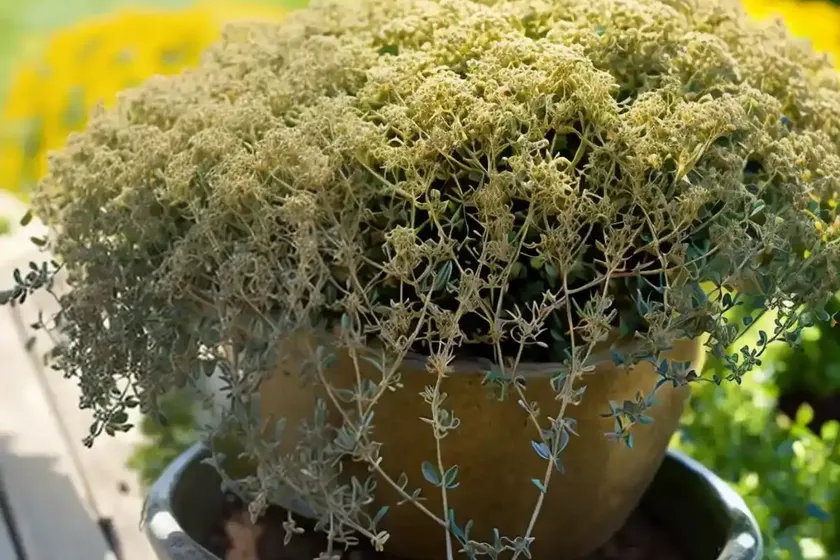
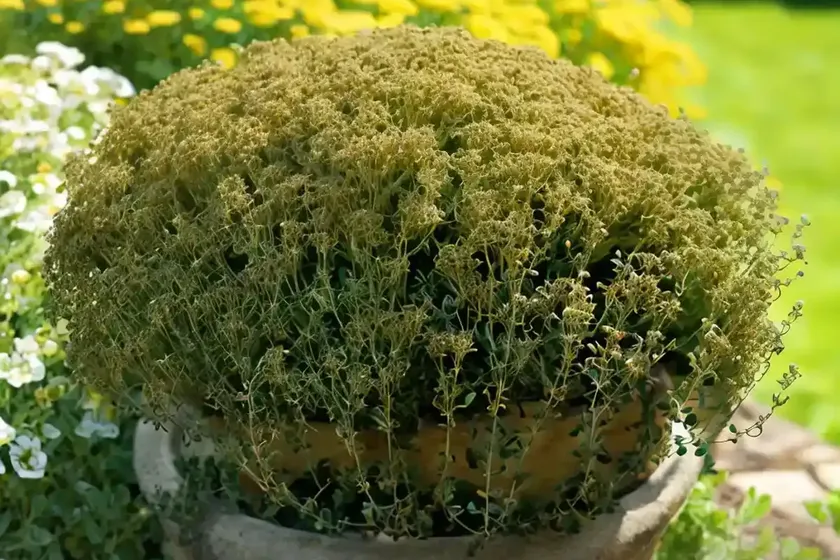
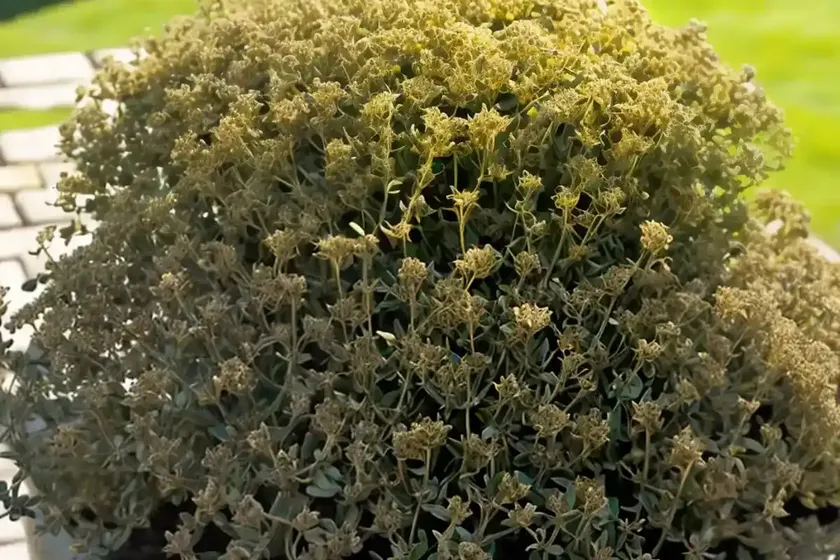
Thymus pulegioides ‘Aureus’, commonly known as Golden Large Thyme, is a charming and versatile herb that is popular among gardeners and esteemed for its culinary, ornamental, and medicinal properties. This comprehensive guide aims to provide aspiring and experienced gardeners, herbal enthusiasts, and plant lovers with a complete understanding of the cultivation, uses, benefits, and characteristics of Thymus pulegioides ‘Aureus.’
What is Thymus pulegioides ‘Aureus’?
Thymus pulegioides ‘Aureus’ is a cultivar of Thymus pulegioides, a species of thyme native to Europe and Asia. This herbaceous perennial belongs to the Lamiaceae family and is characterized by its aromatic foliage, tiny lavender to pink flowers, and low-growing, spreading habit. The ‘Aureus’ variety is distinguished by its striking golden-yellow foliage, which adds a bright and cheerful element to gardens and landscapes.
Key Takeaways – Thymus pulegioides ‘Aureus’ (Golden Large Thyme)
Before delving into the specifics of cultivating Golden Large Thyme, let’s explore the key takeaways and essential characteristics of this remarkable plant.
- Scientific Name: Thymus pulegioides ‘Aureus’
- Common Name: Golden Large Thyme
- Plant Type: Herbaceous Perennial, Culinary and Ornamental
- Foliage: Golden-yellow, Aromatic
- Flowers: Lavender to Pink, Attractive to Pollinators
- Uses: Culinary, Medicinal, Ornamental, Ground Cover
- Hardiness Zone: 5-9
- Height: 4-6 inches
- Spread: 12-18 inches
- Sunlight: Full sun
- Soil: Well-draining, Slightly Alkaline
- Water: Moderate
- Maintenance: Low
- Companion Plants: Rosemary, Lavender, Sage, Oregano
- Common Pests: Aphids, Spider Mites
- Common Diseases: Root Rot, Powdery Mildew
Culture of Thymus pulegioides ‘Aureus’
Cultivating Thymus pulegioides ‘Aureus’ successfully requires attention to its specific cultural requirements, including water, sunlight, soil, and maintenance practices.
Water
Golden Large Thyme prefers moderate watering. It is essential to maintain evenly moist soil, especially during the initial establishment period and prolonged dry spells. However, it is crucial to prevent waterlogged conditions to avoid root rot and other moisture-related issues.
Sunlight
This herb thrives in full sun, where it can receive at least 6-8 hours of direct sunlight daily. Adequate sunlight promotes robust growth, enhances the aromatic qualities of the foliage, and encourages prolific flowering, thereby attracting beneficial pollinators to the garden.
Soil
Thymus pulegioides ‘Aureus’ flourishes in well-draining, slightly alkaline soil with a pH range of 6.5 to 7.5. Amending the soil with organic matter such as compost or well-rotted manure can improve its drainage and nutrient content, providing an optimal growing environment for the plant.
Fertilizer
Under most circumstances, Golden Large Thyme in well-amended soil does not require additional fertilization. However, if the plant shows signs of nutrient deficiency, a balanced organic fertilizer, applied sparingly in spring, can bolster its growth and vigor.
Pruning
Pruning Golden Large Thyme is a simple task that involves removing spent flowers and trimming back excessive growth to maintain a compact, tidy appearance. This practice also promotes air circulation, reducing the risk of diseases such as powdery mildew.
Uses of Thymus pulegioides ‘Aureus’
The versatile nature of Thymus pulegioides ‘Aureus’ extends beyond its ornamental appeal, as it possesses culinary and medicinal uses that add value to this remarkable herb.
Culinary Uses
The aromatic leaves of Golden Large Thyme are a prized culinary ingredient, imparting a delicate and slightly sweet flavor to a variety of dishes. Whether used fresh or dried, the leaves enhance the taste of meats, fish, vegetables, sauces, and soups, making it a valuable addition to kitchen gardens and culinary pursuits.
Medicinal Properties
In addition to its culinary applications, Thymus pulegioides ‘Aureus’ possesses medicinal properties that have been valued for centuries. Its leaves contain essential oils with antiseptic, expectorant, and antispasmodic properties, making it a valuable ingredient in herbal remedies for respiratory ailments and digestive issues.
Ornamental Value
With its vibrant golden-yellow foliage and charming flowers, Golden Large Thyme serves as an excellent ornamental addition to rock gardens, herb gardens, and containers. Its low-growing, spreading habit makes it an effective ground cover, adding texture and color to garden beds and borders.
Propagation of Thymus pulegioides ‘Aureus’
Propagating Thymus pulegioides ‘Aureus’ can be achieved through several methods, allowing gardeners to expand their plantings and share this delightful herb with others.
-
Seed Propagation: Golden Large Thyme can be grown from seeds, which should be sown indoors in early spring or directly in the garden after the last frost date. The seeds require light for germination, so they should only be lightly covered with soil.
-
Division: Established clumps of Thymus pulegioides ‘Aureus’ can be divided in early spring or fall to create new plants. Carefully lift the clump and separate it into smaller sections, each containing roots and shoots, before replanting them in prepared soil.
-
Softwood Cuttings: Softwood cuttings taken in early summer can be rooted to produce new plants. Select healthy young growth, remove the lower leaves, and place the cuttings in a well-draining rooting medium. Regular misting and maintaining high humidity levels can facilitate successful rooting.
Container Popularity of Thymus pulegioides ‘Aureus’
Thymus pulegioides ‘Aureus’ is well-suited for container cultivation, and its popularity in container gardening stems from its compact size, vibrant foliage, and ability to thrive in a restricted environment.
In container gardens, Golden Large Thyme can be featured in various ways, including:
-
Herb Containers: Planted alongside other culinary herbs such as rosemary, basil, and parsley, Thymus pulegioides ‘Aureus’ adds visual interest and a delightful scent to herb gardens and kitchen patios.
-
Mixed Planters: When combined with trailing annuals or perennials, Golden Large Thyme cascades gracefully over the edges of containers, creating a picturesque display for porches, balconies, and outdoor seating areas.
-
Accent Plants: Placing Thymus pulegioides ‘Aureus’ in decorative pots or ornamental containers allows it to serve as a focal point, enhancing the overall aesthetics of the outdoor space.
-
Indoor Cultivation: With adequate sunlight and well-draining soil, Golden Large Thyme can be grown indoors in containers to provide fresh foliage for culinary use throughout the year.
Common Diseases and Pests Affecting Thymus pulegioides ‘Aureus’
Despite its resilience, Golden Large Thyme is susceptible to certain diseases and pests that can compromise its health and appearance if left unchecked.
Common Diseases
-
Root Rot: Overly moist or poorly-draining soil conditions can lead to root rot, causing the plant to wilt and decline. To prevent root rot, ensure proper soil drainage and allow the soil to dry out between waterings.
-
Powdery Mildew: This fungal disease manifests as a powdery white coating on the foliage, often caused by poor air circulation and high humidity. Pruning to increase airflow and avoiding overhead watering can mitigate powdery mildew infestations.
Common Pests
-
Aphids: These small, sap-sucking insects can distort new growth and cause curling of the leaves. A strong blast of water or insecticidal soap can effectively control aphid populations on Thymus pulegioides ‘Aureus.’
-
Spider Mites: These tiny arachnids can cause stippling and webbing on the foliage, leading to a decline in plant vigor. Regular monitoring and the application of horticultural oil or insecticidal soap can help manage spider mite infestations.
Botanist’s Tips for Cultivating Thymus pulegioides ‘Aureus’
For successful cultivation and enjoyment of Thymus pulegioides ‘Aureus’, incorporating the following tips from experienced botanists can prove invaluable:
-
Ample Sunlight: Provide Golden Large Thyme with sufficient sunlight to promote vigorous growth and the development of its vibrant foliage.
-
Well-Draining Soil: Ensure that the soil is well-draining to prevent waterlogged conditions, which can be detrimental to the health of the plant.
-
Regular Pruning: Regularly prune the plant to maintain its shape and remove any spent flowers, promoting a neat and tidy appearance.
-
Moderate Watering: Practice moderation in watering, allowing the soil to slightly dry out between waterings to prevent root rot and other moisture-related issues.
-
Companion Planting: Pair Thymus pulegioides ‘Aureus’ with companion plants that share similar cultural requirements, creating visually appealing and harmonious plantings.
Fun Facts about Thymus pulegioides ‘Aureus’
-
The aromatic foliage of Golden Large Thyme can be used to create fragrant potpourri and sachets, infusing indoor spaces with its delightful scent.
-
Bees and butterflies are attracted to the nectar-rich flowers of Thymus pulegioides ‘Aureus’, contributing to the overall biodiversity of the garden.
-
In folklore and traditional medicine, thyme has been associated with various symbolic meanings, including bravery, protection, and purification.
-
Golden Large Thyme is an excellent addition to rock gardens, where it can thrive in the well-draining, sunny conditions that mimic its native habitat.
-
The leaves of Thymus pulegioides ‘Aureus’ can be utilized to create flavorful herbal teas, offering a soothing and aromatic beverage option.
Links to External Resources
For further exploration of Thymus pulegioides ‘Aureus’ and related topics, the following external resources provide valuable insights and additional information:
- Royal Horticultural Society – Thymus pulegioides ‘Aureus’
- University of Maryland Extension – Thyme Production and Uses
- Missouri Botanical Garden – Thymus pulegioides
- The Spruce – How to Grow Thyme Indoors
In conclusion, Thymus pulegioides ‘Aureus’, or Golden Large Thyme, stands as a remarkable herb with a multitude of uses and attributes that make it a valuable addition to gardens, landscapes, and culinary endeavors. By understanding its cultural requirements, uses, propagation methods, and addressing common challenges, gardeners can embark on a rewarding journey of cultivating, appreciating, and utilizing this versatile and aromatic herb.
References
- Stearn, W. T. (2004). Stearn’s Dictionary of Plant Names for Gardeners. Timber Press.
- Grieve, M. (1971). A Modern Herbal. Dover Publications.
- Hessayon, D. G. (1997). The New Ornamental Garden. Expert Books.
- Bown, D. (1995). Encyclopedia of Herbs and Their Uses. Dorling Kindersley.


