Thymus Pseudolanuginosus (Woolly Thyme)
Plants are an essential part of our environment, offering numerous benefits and adding to the beauty of nature. Among the diverse range of plant species.
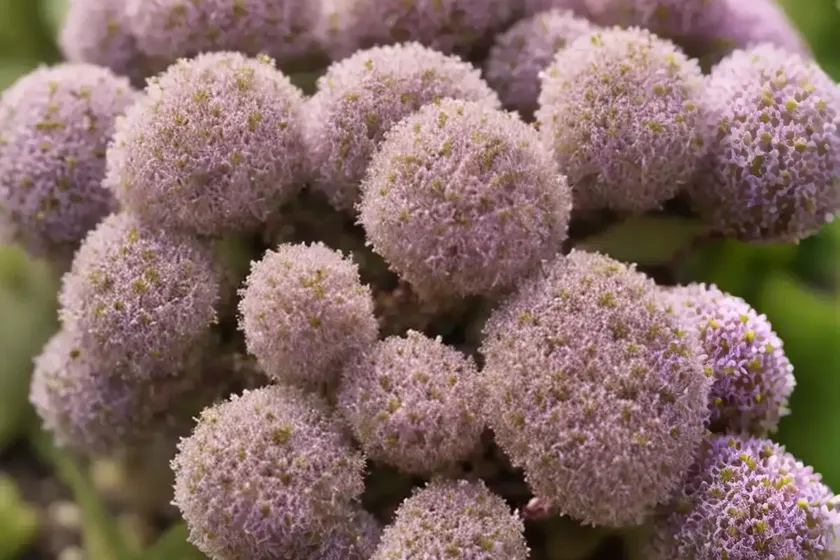
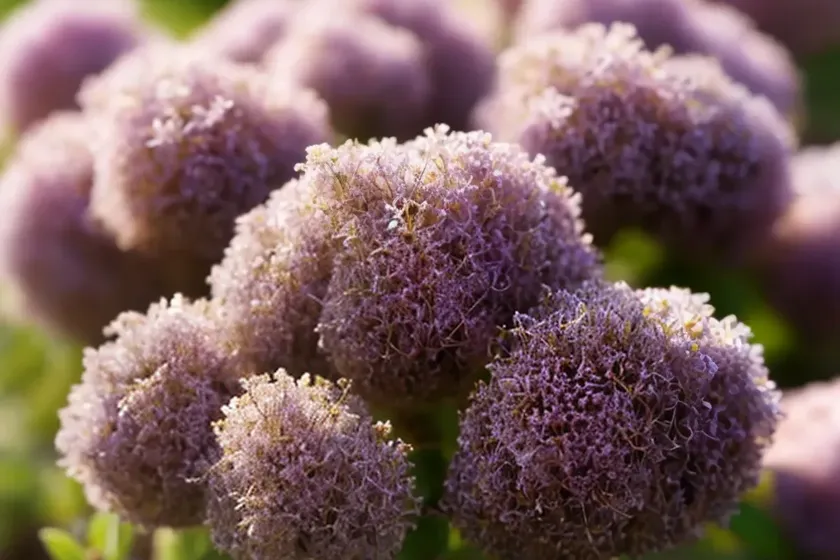

Plants are an essential part of our environment, offering numerous benefits and adding to the beauty of nature. Among the diverse range of plant species, Thymus pseudolanuginosus, commonly known as Woolly Thyme, stands out for its unique characteristics and versatile uses. In this comprehensive guide, we will delve into the world of Thymus pseudolanuginosus, exploring its traits, cultivation, and the myriad ways it enhances our surroundings.
What is Thymus pseudolanuginosus (Woolly Thyme)?
Thymus pseudolanuginosus, a member of the Lamiaceae family, is a low-growing perennial herb native to Europe, specifically found in mountainous regions. This species is lauded for its dense, woolly, silver-green foliage and its ability to spread and form a lush carpet. As an evergreen plant, it retains its attractive appearance throughout the year, making it a popular choice for various landscaping applications.
Key Takeaways – Thymus pseudolanuginosus (Woolly Thyme)
Before delving into the specifics of cultivating and caring for Thymus pseudolanuginosus, let’s highlight some key takeaways about this remarkable plant.
- Scientific Name: Thymus pseudolanuginosus
- Common Name: Woolly Thyme
- Family: Lamiaceae
- Foliage: Silver-green, woolly appearance
- Growth Form: Low-growing, ground-hugging habit
- Native Habitat: European mountainous regions
- Uses: Ground cover, landscaping, medicinal and culinary applications
- Distinctive Feature: Evergreen perennial with fragrant foliage
Now that we have a basic understanding of Thymus pseudolanuginosus, let’s explore the various aspects of cultivating and caring for this fascinating plant.
Culture
Understanding the cultural requirements of Thymus pseudolanuginosus is crucial for successfully growing and maintaining this species. From sunlight exposure to water and soil preferences, each aspect plays a pivotal role in ensuring the plant’s vigor and vitality.
Water
Woolly Thyme exhibits a preference for well-drained soil, allowing excess moisture to readily drain away to prevent waterlogging. While the plant is moderately drought-tolerant once established, regular watering is essential during the initial stages of establishment. However, it’s important to avoid overwatering, as soggy conditions can lead to root rot and other issues.
Sunlight
Adequate sunlight is vital for the healthy growth of Thymus pseudolanuginosus. This plant thrives in full sun to partial shade, with a preference for at least 6-8 hours of direct sunlight daily. Insufficient sunlight may result in leggy growth and reduced foliage density, impacting the overall appearance of the plant.
Fertilizer
Although Woolly Thyme generally thrives in nutrient-poor soils, a light application of balanced fertilizer in early spring can promote healthy growth. However, excessive fertilization should be avoided, as it can lead to overly lush foliage at the expense of the plant’s natural form.
Soil
The soil requirements of Thymus pseudolanuginosus align with its preference for well-drained conditions. A lean, alkaline soil with good permeability is ideal for this plant. Sandy or gravelly soils that mimic its native habitat are recommended, as they facilitate efficient drainage and discourage the development of waterlogged conditions.
Pruning
Pruning Woolly Thyme is essential to maintain its compact growth habit and encourage dense foliage. Light trimming after the flowering period can help tidy the plant and prevent it from becoming overly woody. While Thymus pseudolanuginosus generally has a low-growing and ground-hugging habit, occasional pruning can help control its spread and maintain its attractive appearance.
Propagation
Propagation of Thymus pseudolanuginosus can be achieved through various methods, including division, cuttings, and seed sowing.
-
Division: Dividing mature clumps of Woolly Thyme in early spring can yield new plants and rejuvenate the existing ones. Care should be taken to ensure that each division has healthy roots and shoots to support its growth.
-
Cuttings: Stem cuttings taken from the actively growing tips of the plant can be rooted in a well-draining medium to produce new plants. This method is particularly effective in late spring or early summer when the plant is in its growth phase.
-
Seed Sowing: While Woolly Thyme can be propagated from seed, this method requires patience, as the germination process can be slow. Sowing seeds in well-draining soil and maintaining consistent moisture levels can facilitate the successful establishment of new plants.
Container Popularity
Thymus pseudolanuginosus is well-suited for container cultivation, offering a charming addition to patio gardens, balconies, and other confined spaces. Its low-growing nature and tolerance for container conditions make it an attractive choice for those with limited outdoor space.
Common Diseases
While Woolly Thyme is relatively resistant to diseases, it may occasionally encounter issues such as root rot and fungal infections under excessively moist conditions. Ensuring proper drainage and avoiding overwatering are effective preventive measures against these issues.
Disease Diagnosis
Diagnosing diseases in Thymus pseudolanuginosus involves careful observation of the plant’s overall health and vigor. Symptoms such as yellowing or wilting of foliage, unusual spotting, or signs of decay in the root system may indicate potential disease issues.
Common Pests
One of the notable qualities of Thymus pseudolanuginosus is its resistance to most common pests. While it may encounter occasional infestations of spider mites or aphids, these tend to be minimal and can often be managed through cultural practices such as improved air circulation and regular monitoring.
Botanist’s Tips
As a plant enthusiast, I have gathered some invaluable tips for cultivating and caring for Thymus pseudolanuginosus. Here are a few insights to enhance your experience with Woolly Thyme:
-
Cultural Mimicry: Emulate the plant’s native habitat by providing well-drained, alkaline soil and ample sunlight to promote its optimal growth.
-
Moderate Foot Traffic: While Woolly Thyme is resistant to light foot traffic, it’s advisable to minimize direct stepping on the plant to maintain its lush appearance.
-
Overwintering: In regions with harsh winters, providing a layer of mulch around the base of the plant can help protect it from extreme temperatures and potential frost damage.
Fun Facts
Discover the intriguing and captivating aspects of Thymus pseudolanuginosus with these fun facts:
- The fragrant foliage of Woolly Thyme makes it a delightful addition to sensory gardens, where its aromatic qualities can be appreciated.
- Woolly Thyme’s ability to attract bees and other pollinators adds to its ecological significance, contributing to the biodiversity of the surrounding area.
- The low-maintenance nature of Thymus pseudolanuginosus makes it an excellent choice for novice gardeners or those seeking an easy-care plant for their landscapes.
Now that we have explored the fundamental aspects of Thymus pseudolanuginosus, let’s delve into the various uses of this versatile plant and its impact on diverse settings.
Links to External Resources
Here are some external resources for further information on Thymus pseudolanuginosus:
- Royal Horticultural Society: Thymus pseudolanuginosus
- University of California, Davis: IPM Pest Management Guidelines for Thyme
- Missouri Botanical Garden: Thymus pseudolanuginosus
- North Carolina State University Extension: Growing Thyme in the Home Garden
These resources offer valuable insights into the cultivation, care, and diverse uses of Thymus pseudolanuginosus, providing a comprehensive knowledge base for enthusiasts and horticulturalists alike.
In the next section, we will explore the various uses of Woolly Thyme, from landscaping applications to its medicinal and culinary significance.


