Thymus Citriodorus ‘Doone Valley’ (Lemon Thyme)
Lemon thyme, scientifically known as Thymus citriodorus ‘Doone Valley’, is a delightful herb that not only adds a burst of flavor to culinary dishes but.
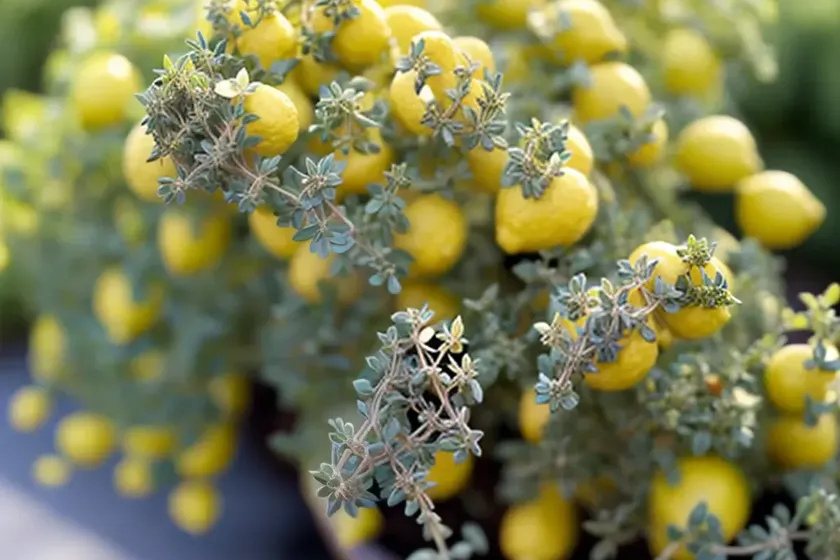
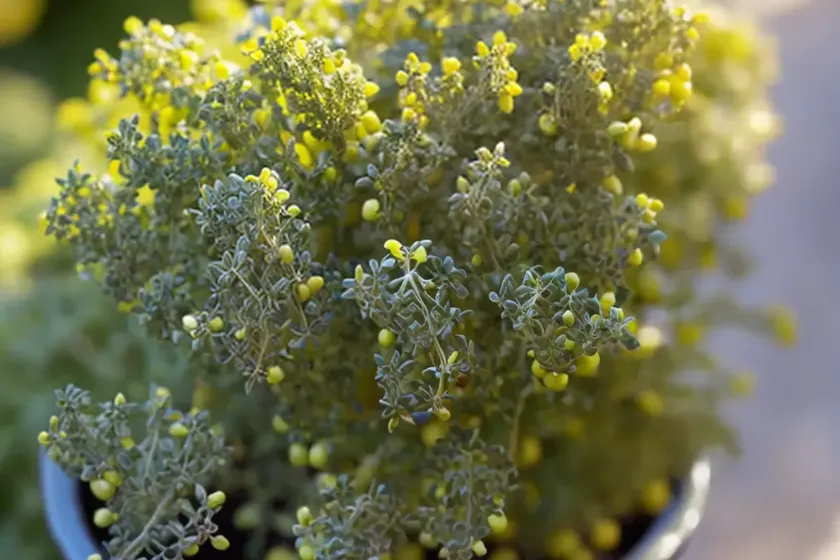
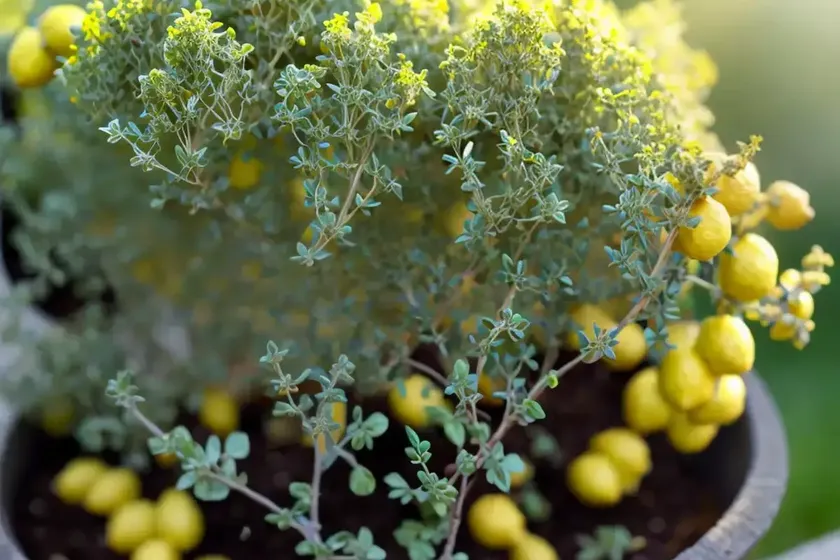
Lemon thyme, scientifically known as Thymus citriodorus ‘Doone Valley’, is a delightful herb that not only adds a burst of flavor to culinary dishes but also brings refreshing fragrance to gardens. This perennial herb belongs to the mint family, Lamiaceae, and is celebrated for its versatility and ease of care.
In this comprehensive guide, we will delve into the enchanting world of Lemon Thyme – exploring its cultural requirements, uses, propagation techniques, common diseases and pests, and fun facts. Whether you are a seasoned gardener, a culinary enthusiast, or a nature lover, this article promises a deep dive into the intricacies of cultivating and enjoying the Lemon Thyme plant.
Key Takeaways – Thymus citriodorus ‘Doone Valley’ (Lemon Thyme)
Before we embark on this enlightening journey, let’s gain some quick insights into Lemon Thyme:
- Scientific Name: Thymus citriodorus ‘Doone Valley’
- Common Name: Lemon Thyme
- Family: Lamiaceae
- Native: Southern Europe
- Uses: Culinary, Medicinal, Ornamental
- Fragrance: Citrusy, Lemon-like
- Growth Habit: Perennial, Low-growing
- Foliage: Variegated green and gold
- Flowering: Small pink to lilac flowers in summer
Now that we have a glimpse of the Lemon Thyme, let’s delve deeper into its captivating world.
What is Thymus citriodorus ‘Doone Valley’ (Lemon Thyme)?
Thymus citriodorus, commonly known as Lemon Thyme, is a delightful herbaceous plant renowned for its striking lemon-scented foliage. ‘Doone Valley’ is a cultivar of Lemon Thyme, prized for its low-growing and spreading nature, making it an excellent choice for ground cover or container planting.
The aromatic leaves of Lemon Thyme not only add a zesty flavor to culinary creations but also boast ornamental value, making it a versatile addition to gardens, kitchen windowsills, and ornamental landscapes.
Characteristics of Thymus citriodorus ‘Doone Valley’
- Foliage: Variegated gold and green leaves with a lemony fragrance
- Growth Habit: Low-growing, creeping
- Flowering: Tiny, pink to lilac flowers in summer
- Uses: Culinary, Medicinal, Ornamental
- Hardiness: Hardy perennial in USDA zones 5-9
- Height: Typically 2-4 inches tall
- Spread: Spreads up to 12-18 inches wide
- Light: Full sun to partial shade
- Soil: Well-draining, moderately fertile
- Water: Moderate, prefers drier conditions
- Fertilization: Light feeding in spring
- Maintenance: Low maintenance, occasional pruning
Now that we understand the basic characteristics of Lemon Thyme, let’s explore the specifics of its culture, uses, and maintenance.
Culture of Thymus citriodorus ‘Doone Valley’ (Lemon Thyme)
Water
Lemon Thyme, being a Mediterranean plant, displays a preference for drier conditions. It is essential to avoid overwatering the plant, as excessive moisture can lead to root rot and other detrimental conditions. A well-draining soil mix coupled with a cautious watering regimen aids in maintaining optimal moisture levels for Lemon Thyme. In hot and dry climates, regular watering to keep the soil lightly moist is recommended, while in cooler or more humid conditions, a more sparing approach to watering is suitable.
Sunlight
Lemon Thyme thrives in bright, full sunlight. Providing a minimum of 6-8 hours of sunlight daily ensures robust growth and enhances the development of its signature lemon-scented foliage. In regions with scorching afternoon sun, providing some afternoon shade can be beneficial, especially during the peak of summer.
Fertilizer
Being a relatively low-maintenance plant, Lemon Thyme appreciates light feeding in the early spring with a balanced, slow-release fertilizer. However, it is crucial not to over-fertilize, as this may lead to excessive foliage growth at the expense of essential oils and flavor concentration in the leaves.
Soil
The ideal soil for Lemon Thyme is well-draining, moderately fertile, and slightly alkaline with a pH range of 6.0 to 8.0. A mix of sandy loam and gritty materials aids in maintaining proper drainage, preventing waterlogging, and mimics its native Mediterranean habitat. Amending the soil with organic matter such as compost or aged manure enhances its overall structure and fertility, promoting healthy growth.
Pruning
Pruning Lemon Thyme is a simple task that not only promotes bushier growth but also encourages the plant’s aromatic foliage to remain vibrant and robust. Regular light trimming, especially after flowering, helps maintain the plant’s compact form and ensures an abundant production of flavorful leaves. Pruning also serves to remove any dead or leggy growth, keeping the plant looking neat and healthy.
Propagation
Lemon Thyme can be propagated through various methods, including division, cuttings, and from seed. Each technique offers unique advantages and is relatively straightforward, making Lemon Thyme an accessible plant to propagate for both beginner and experienced gardeners.
Division
Dividing mature Lemon Thyme plants every few years not only rejuvenates the plant but also offers an opportunity to propagate new plants. Dividing the plant in the spring or early fall ensures that the divisions have ample time to establish before the onset of extreme temperatures.
Cuttings
Taking softwood or semi-hardwood cuttings from healthy Lemon Thyme plants is an effective means of propagating new plants. These cuttings can be rooted in a well-draining growing medium, such as a mix of sand and perlite, under high humidity and indirect light. Within a few weeks, the cuttings develop roots and can be transplanted into individual containers or garden beds.
From Seed
While Lemon Thyme can be grown from seed, it’s worth noting that some varietals, including ‘Doone Valley’, may not come true from seed. However, for those seeking to experiment with growing Lemon Thyme from seed, sowing seeds indoors in early spring and transplanting the seedlings outdoors after the last frost date can be a rewarding endeavor.
Container
Lemon Thyme is exceptionally well-suited for container cultivation, owing to its compact growth habit and adaptability to confined spaces. Selecting a well-draining potting mix and a container with drainage holes is crucial for success. Furthermore, growing Lemon Thyme in containers allows for greater flexibility in manipulating growing conditions, making it an excellent choice for those with limited garden space or those seeking to bring this delightful herb closer to their culinary endeavors.
Now that we have a comprehensive understanding of the culture and propagation of Lemon Thyme, let’s explore its multitude of uses, ranging from culinary applications to its ornamental appeal.
Uses of Thymus citriodorus ‘Doone Valley’ (Lemon Thyme)
Culinary Uses
Lemon Thyme is celebrated for its exceptional culinary value, imparting a delightful lemony flavor to a variety of dishes. From marinades and sauces to salads and teas, the aromatic foliage of Lemon Thyme brings a zestful and refreshing dimension to culinary creations, elevating the overall sensory experience. The versatile nature of Lemon Thyme makes it a valuable addition to any herb garden or kitchen, enriching the flavor profile of countless dishes.
Lemon Thyme Infused Olive Oil
- Ingredients:
- Fresh Lemon Thyme sprigs
-
High-quality extra virgin olive oil
-
Instructions:
- Thoroughly wash and dry the Lemon Thyme sprigs.
- Place the Lemon Thyme sprigs in a clean, dry glass jar.
- Pour the olive oil over the Lemon Thyme, ensuring all sprigs are completely submerged.
- Seal the jar tightly and store it in a cool, dark place for approximately 1-2 weeks, allowing the flavors to meld.
- Strain the oil to remove the Lemon Thyme sprigs and store the infused oil in a sealed container.
This aromatic infused oil can be used as a flavorful base for salad dressings, marinades, and drizzling over roasted vegetables or grilled meats, offering a delightful hint of lemon in every dish.
Medicinal Uses
Beyond its culinary applications, Lemon Thyme possesses various medicinal properties that have been valued for centuries. Rich in essential oils and bioactive compounds, Lemon Thyme exhibits antibacterial, antifungal, and antioxidant properties, making it a valuable herb for holistic wellness and natural remedies.
Lemon Thyme Tea
- Ingredients:
- Fresh or dried Lemon Thyme leaves
- Hot water
-
Optional: Honey, lemon
-
Instructions:
- Place a teaspoon of fresh or dried Lemon Thyme leaves in a teacup.
- Pour hot water over the leaves and let steep for 5-10 minutes.
- Optionally, add honey and a squeeze of lemon to enhance the flavor and medicinal benefits.
This refreshing and fragrant tea can be enjoyed both for its delightful flavor and potential health-promoting properties, serving as a soothing beverage for relaxation and wellness.
Ornamental Uses
In addition to its culinary and medicinal applications, Lemon Thyme serves as an enchanting ornamental plant, lending its vibrant foliage and delicate flowers to diverse garden settings. Whether utilized as a fragrant ground cover, an edging plant, or a container specimen, the charming variegated leaves and occasional delicate flowers of Lemon Thyme contribute to a visually appealing landscape, inviting both humans and pollinators to relish its beauty.
Common Diseases of Thymus citriodorus ‘Doone Valley’ (Lemon Thyme)
Lemon Thyme, despite its resilience and hardiness, may be susceptible to certain diseases and disorders, particularly under unfavorable growing conditions. Recognizing the symptoms and employing proactive measures can aid in maintaining the health and vigor of Lemon Thyme plants.
Rhizoctonia Root Rot
Rhizoctonia root rot, caused by the soil-borne fungus Rhizoctonia solani, can affect Lemon Thyme, especially in overly moist or poorly drained soils. Symptoms include wilting, stunted growth, and the development of dark, sunken lesions on the plant’s roots. Employing proper cultural practices, including well-draining soil and cautious watering, can mitigate the risk of Rhizoctonia root rot.
Powdery Mildew
Powdery mildew, caused by various fungal pathogens, can manifest as a powdery white growth on the foliage of Lemon Thyme. While typically not fatal, powdery mildew can detract from the plant’s appearance and, in severe cases, hinder its growth. Increasing air circulation around the plant, removing affected foliage, and employing fungicidal treatments, if necessary, can help control powdery mildew.
Disease Diagnosis
Accurately diagnosing and identifying diseases affecting Lemon Thyme is crucial for implementing appropriate management strategies. Common symptoms, such as wilting, discoloration, and irregular growth, warrant prompt investigation, potentially involving experts in plant pathology.
Leveraging the expertise of local agricultural extension services, professional plant pathologists, and online resources can aid in accurately diagnosing diseases affecting Lemon Thyme, thereby enabling targeted and effective interventions.
Common Pests Affecting Thymus citriodorus ‘Doone Valley’ (Lemon Thyme)
Lemon Thyme, like many plants, may encounter various pests that can compromise its health and aesthetics. Identifying and addressing pest infestations in a timely manner is essential for safeguarding the vitality of Lemon Thyme.
Aphids
Aphids, tiny sap-sucking insects, can potentially infest Lemon Thyme, causing stunted growth, distorted foliage, and the excretion of honeydew, often leading to the development of sooty mold. Regularly inspecting the plant for aphids and employing natural predators, such as ladybugs, or using insecticidal soap can help mitigate aphid populations.
Spider Mites
Spider mites are minuscule arachnids that feed on the sap of plants, leading to stippled or discolored foliage and the formation of fine webbing on the undersides of leaves. Rinsing the foliage with a strong jet of water, mitigating dust accumulation, and employing predatory mites or insecticidal treatments can aid in managing spider mite infestations.
Thrips
Thrips are slender, winged insects that can cause silvery or bronze stippling on Lemon Thyme foliage. Regularly monitoring plants for signs of thrips and employing beneficial insects or targeted insecticidal treatments can help control thrips populations and minimize their impact on the plant.
Botanist’s Tips for Lemon Thyme Care
Tip 1: Consider Companion Planting
Pairing Lemon Thyme with companion plants such as lavender, rosemary, and sage not only enhances the aesthetic appeal of the garden but also provides mutual benefits, including pest repellent properties and maximizing space utilization.
Tip 2: Harvest Strategically
When harvesting Lemon Thyme for culinary or medicinal purposes, avoid removing more than one-third of the plant’s foliage at once, as this can stress the plant and compromise its overall health. Instead, adopt a strategic harvesting approach, allowing the plant to continually regenerate new growth for sustained culinary enjoyment.
Tip 3: Implement Integrated Pest Management (IPM)
Integrating cultural, mechanical, and biological control measures forms a holistic approach to pest management, reducing reliance on synthetic pesticides and fostering a balanced, healthy ecosystem within the garden.
With Lemon Thyme’s culture, uses, propagation techniques, and potential challenges explored, it’s time to uncover some captivating fun facts and intriguing insights about this remarkable herb.
Fun Facts about Thymus citriodorus ‘Doone Valley’ (Lemon Thyme)
-
Historical Significance: Lemon Thyme has a rich historical legacy, with ancient civilizations, including the Greeks and Romans, utilizing this herb for its culinary and medicinal properties, often associating it with courage and strength.
-
Aromatic Splendor: In addition to its fragrant foliage, Lemon Thyme boasts delicate, attractive flowers that not only contribute to its ornamental allure but also provide nectar and pollen for pollinating insects.
-
Symbolic Significance: Lemon Thyme has been associated with various symbolic meanings, symbolizing appreciation, courage, and admiration in different cultural contexts, adding a layer of significance to its broad utility.
-
Cultural Delight: The delightful aroma and flavor of Lemon Thyme have transcended culinary and medicinal domains, being incorporated in perfumes, potpourris, and aromatic sachets, serving as a testament to its enduring appeal.
As we unravel the fascinating aspects of Lemon Thyme, let’s explore some valuable external resources offering a wealth of information and insights about this enchanting herb.
Links to External Resources
- University of Illinois Extension – Growing Herbs
-
This comprehensive resource provides an in-depth guide to growing various herbs, including insights on soil preparation, watering, and harvesting, offering valuable information for herb enthusiasts.
-
Royal Horticultural Society – Thyme: Planting, Growing, and Harvesting
-
The Royal Horticultural Society offers practical guidance on planting, cultivating, and harvesting thyme, encompassing key cultural aspects crucial for successful herb cultivation.
-
For individuals keen on indoor herb gardening, this resource provides indispensable tips and techniques for growing herbs indoors, including Lemon Thyme, fostering a thriving herb garden within indoor spaces.
- Delve into an extensive collection of herb profiles offered by the National Gardening Association, offering valuable insights into the cultivation, uses, and care of various herbs, including Lemon Thyme.
In conclusion, Thymus citriodorus ‘Doone Valley’ (Lemon Thyme) stands as a testament to the wondrous intersection of culinary delights, aromatic allure, ornamental charm, and medicinal properties. Whether adorning gardens with its lemon-scented foliage, infusing culinary creations with zestful flavor, or serving as a wellness-promoting herb, this versatile plant enriches our lives in multifaceted ways.
By embracing the cultural practices, uses, and maintenance strategies outlined in this guide, gardeners, herbalists, and culinary enthusiasts can forge a profound connection with Lemon Thyme, unraveling its mysteries, and delighting in its bountiful offerings. As we embark on this journey of exploration and appreciation, may the vibrant essence of Lemon Thyme infuse our lives with fragrant joy and boundless inspiration.
In this comprehensive guide, we have ventured into the enchanting world of Lemon Thyme, uncovering its cultural requirements, uses, propagation techniques, common diseases and pests, and captivating fun facts. Whether you are a seasoned gardener, a culinary enthusiast, or a nature lover, this article promises a deep dive into the intricacies of cultivating and enjoying the Lemon Thyme plant.


