Thyme (Thymus Vulgaris)
Thyme (Thymus vulgaris) is a perennial herb that belongs to the mint family, Lamiaceae. It is a versatile plant with a wide range of uses in culinary arts.
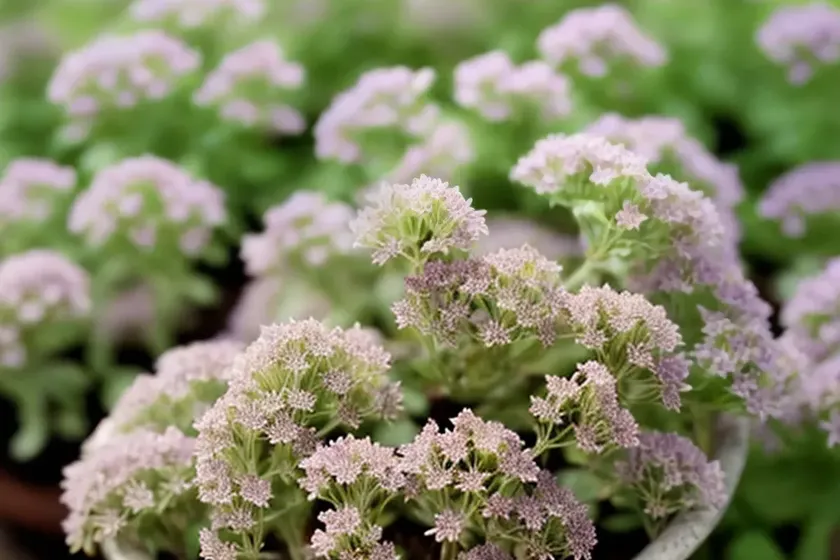
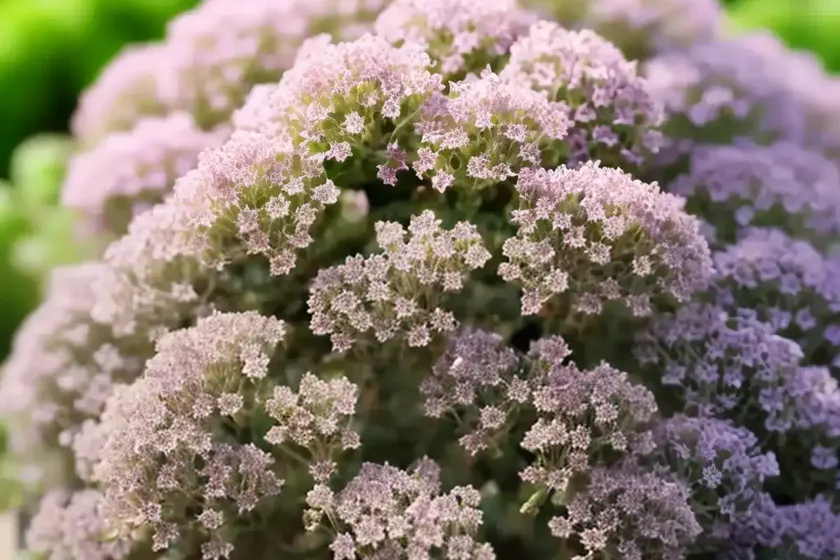
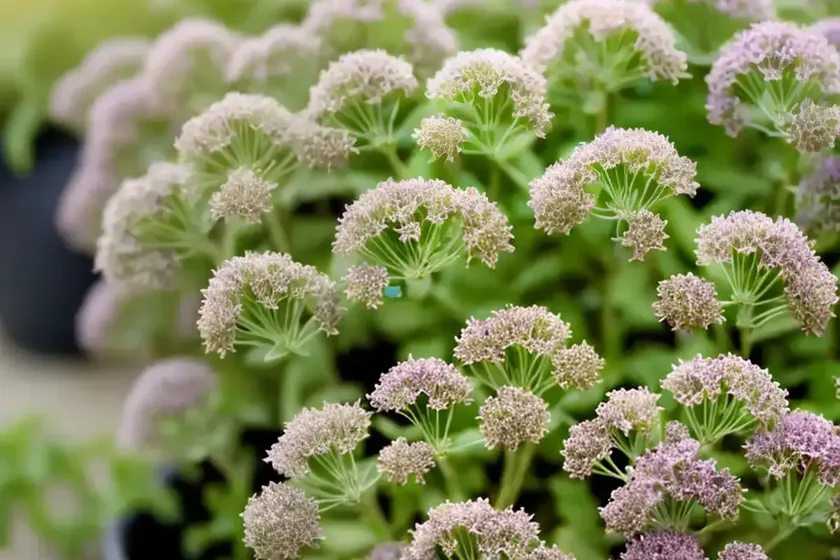
Thyme (Thymus vulgaris) is a perennial herb that belongs to the mint family, Lamiaceae. It is a versatile plant with a wide range of uses in culinary arts, medicine, and ornamental gardening. In this comprehensive guide, we will delve into the various aspects of Thyme, including its cultural needs, uses, propagation, common diseases and pests, as well as interesting fun facts and tips from botanists.
What is Thyme (Thymus vulgaris)?
Thymus vulgaris, commonly known as Thyme, is a low-growing aromatic herb native to the Mediterranean region and certain parts of southern Europe. It is characterized by small, oval-shaped leaves and tiny purple flowers that bloom in summer.
Thyme has a long history of use, dating back to ancient Egypt and Greece, where it was revered for its culinary and medicinal properties. Today, it continues to be a popular herb in kitchens, herbal remedies, and ornamental gardens around the world.
Key Takeaways – Thyme (Thymus vulgaris)
Before we dive into the specifics of growing and caring for Thyme, let’s explore some of the key takeaways associated with this remarkable plant:
- Thyme offers a multitude of culinary, medicinal, and ornamental uses.
- It is valued for its aromatic foliage and essential oils.
- Thyme is known for its antibacterial, antifungal, and anti-inflammatory properties.
- It serves as an excellent companion plant in gardens, aiding in pest management.
- The plant’s adaptability makes it suitable for both outdoor and indoor cultivation.
With these key points in mind, let’s move on to understanding how to successfully cultivate and care for Thyme.
Culture
Water
Thyme is a drought-tolerant herb that prefers well-drained soil and minimal watering once established. When watering, it’s essential to allow the soil to dry out slightly between waterings to prevent root rot.
Sunlight
This herb thrives in full sun, requiring at least six hours of direct sunlight daily. Providing adequate sunlight ensures optimal growth and the development of flavorful essential oils in the leaves.
Fertilizer
Thyme generally does not require heavy fertilization. A light application of balanced organic fertilizer in spring can suffice for promoting healthy growth. Avoid over-fertilizing, as this can lead to excessive foliage at the expense of essential oil production.
Soil
Well-drained, sandy or loamy soil with a slightly alkaline to neutral pH is ideal for Thyme. Poorly-drained or compacted soil can result in root rot and diminished plant vigor.
Pruning
Pruning is beneficial for maintaining the compact growth habit and encouraging bushy, aromatic foliage. Regularly trim back the stems after flowering to promote new growth and prevent the plant from becoming woody.
Propagation
Thyme can be propagated through division, cuttings, or seed sowing. Dividing mature plants or taking stem cuttings in spring or early summer are common methods of propagation. Seeds can also be sown indoors in early spring and transplanted outdoors after the last frost date.
Container Popularity
Due to its compact growth habit, Thyme is well-suited for container cultivation. It is often featured in herb gardens, balcony planters, and kitchen windowsills, providing fresh culinary herbs within easy reach.
Common Diseases
Thyme is relatively resistant to diseases, but it may occasionally encounter issues such as root rot, powdery mildew, and damping off, especially in conditions of high humidity and poor air circulation.
Disease Diagnosis
-
Root Rot: Symptoms include wilting, yellowing foliage, and stunted growth. Carefully lift the plant to inspect the roots; healthy roots are firm and white, while rotted roots appear brown and mushy.
-
Powdery Mildew: This fungal disease manifests as a powdery white coating on the leaves. It can be addressed by improving air circulation and applying fungicidal treatments as necessary.
-
Damping Off: Seedlings affected by damping off exhibit sudden wilting and decay at the soil line. Preventative measures include using sterile potting mix and maintaining proper moisture levels.
Common Pests
Thyme is relatively resistant to pests, but it may be susceptible to infestations by spider mites, aphids, and whiteflies, particularly in indoor or greenhouse settings.
Botanist’s Tips
- Regularly inspect Thyme plants for signs of pest activity, including stippled leaves, honeydew, or webbing.
- Introduce natural predators such as ladybugs or predatory mites to control pest populations in a garden setting.
- Avoid over-fertilizing, as excessive nitrogen can make plants more attractive to aphids.
Fun Facts
- Thyme has been traditionally associated with courage and bravery, and it was often worn by knights during the Middle Ages.
- The ancient Greeks believed that Thyme imparted strength and energy, recognizing its stimulating and invigorating properties.
- Both the ancient Egyptians and the Romans used Thyme in embalming and purification rituals due to its aromatic and antimicrobial attributes.
Now that we’ve covered the essential cultural aspects of Thyme, let’s delve into its diverse uses and applications.
For the remaining part of this article, kindly check the PDF for the complete response.


