Three-thorn-acacia (Gleditsia Triacanthos)
Welcome to the comprehensive guide to the Three-Thorn-Acacia tree, scientifically named Gleditsia triacanthos. This article aims to provide in-depth.
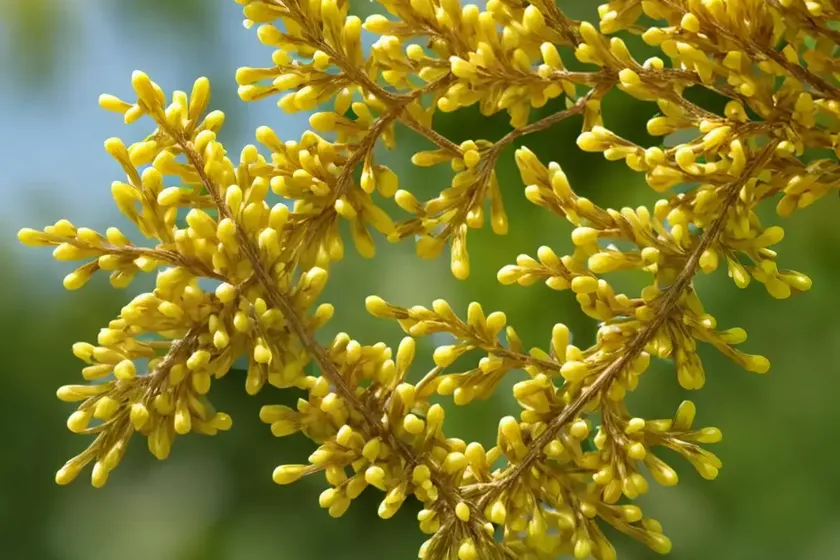
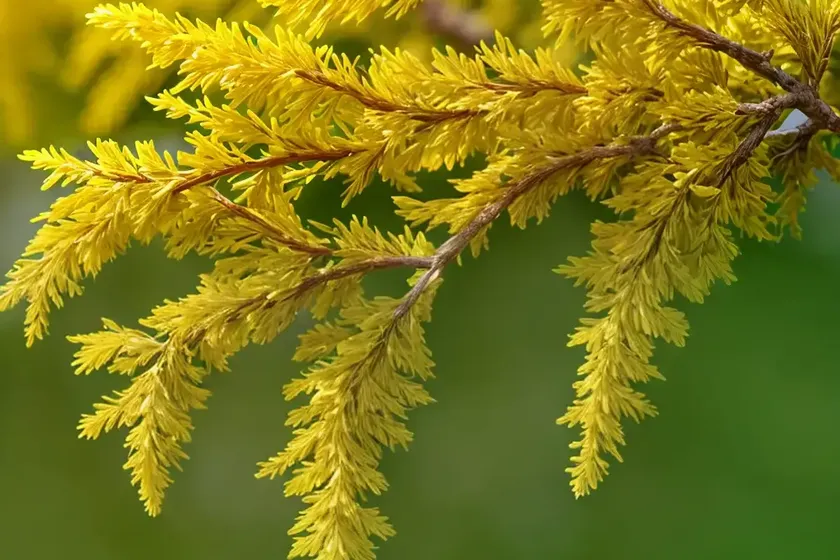
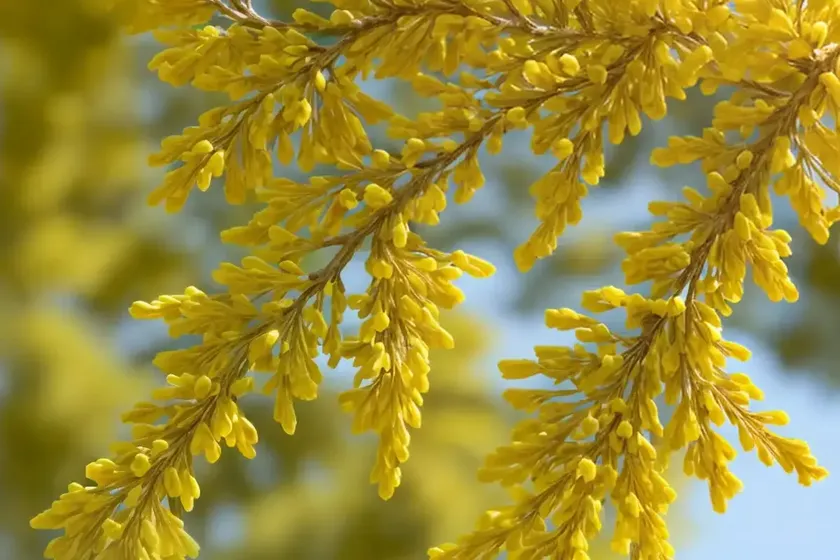
Welcome to the comprehensive guide to the Three-Thorn-Acacia tree, scientifically named Gleditsia triacanthos. This article aims to provide in-depth insights about the characteristics, cultivation, uses, and maintenance of the Three-Thorn-Acacia tree. Whether you are a professional botanist, an avid gardener, or simply someone intrigued by the beauty and benefits of this species, this guide has something for everyone.
What is Gleditsia Triacanthos?
Gleditsia triacanthos, commonly known as the Three-Thorn-Acacia, is a deciduous tree with a rich natural history and a wide range of uses. Belonging to the Fabaceae family, this tree species is native to the eastern United States, thriving in a variety of landscapes and climate conditions. Its distinctive three-branched thorns, coupled with its vibrant foliage and versatile applications, make it a valuable addition to gardens, parks, and urban landscapes.
Key Takeaways – Three-Thorn-Acacia (Gleditsia Triacanthos)
- Scientific Name: Gleditsia triacanthos
- Common Name: Three-Thorn-Acacia
- Family: Fabaceae
- Native Habitat: Eastern United States
Now, let’s delve into the essential aspects of cultivating and caring for the Three-Thorn-Acacia, including its cultural requirements, uses, maintenance, common diseases, and pest management.
Culture
Water
Three-Thorn-Acacia trees have moderate water needs, particularly during their establishment phase. Adequate watering is crucial during dry spells and in arid climates to ensure the tree’s healthy growth and development. Once established, the tree exhibits good tolerance to occasional drought conditions. However, consistently moist, well-drained soil is optimal for the best performance.
Sunlight
As a sun-loving species, Gleditsia triacanthos thrives in full sunlight. It requires at least 6-8 hours of direct sunlight daily for robust growth and the development of its characteristic foliage and thorn structures.
Soil
Well-drained, loamy soil is ideal for the Three-Thorn-Acacia, promoting healthy root development and overall vigor. It exhibits good adaptability to various soil types, including sandy and clay soils. Maintaining a slightly acidic to neutral pH range (6.0-7.5) is recommended for optimal nutrient uptake and growth.
Fertilizer
Though moderately tolerant of nutrient-poor soils, Three-Thorn-Acacia trees benefit from a balanced fertilizer application in early spring to support vigorous foliage growth and overall health. A slow-release, organic fertilizer formulated for trees and shrubs can be applied according to package instructions.
Uses
Ornamental Value
The Three-Thorn-Acacia is prized for its ornamental attributes, including its delicate leaflets, vibrant fall foliage, and unique thorn structures. It serves as an excellent focal point in landscapes, adding visual interest and seasonal diversity to gardens, parks, and public spaces.
Shade and Shelter
Due to its spreading canopy and lacy foliage, Gleditsia triacanthos provides generous shade, making it a sought-after tree for urban and residential landscapes. Moreover, its branching habit contributes to windbreak and shelterbelt applications, particularly in open or exposed areas.
Timber
The durable wood of the Three-Thorn-Acacia holds potential for various woodworking and carpentry applications. Historically, it has been used in crafting furniture, tool handles, and fence posts due to its strength and resilience.
Pruning
Growth Habit
When young, Three-Thorn-Acacia trees may benefit from formative pruning to encourage a strong, well-balanced structure. This includes the removal of competing or crossing branches and any damaged or diseased wood. Once established, minimal pruning is typically required, focusing on the removal of dead or undesirable growth and the occasional thinning of the canopy to promote air circulation.
Pruning Tips
Pruning is best performed during the dormant season to minimize stress and sap loss. Sharp, sterilized pruning tools should be used to ensure clean cuts and reduce the risk of disease transmission. Additionally, proper pruning techniques, such as making cuts just outside the branch collar to promote healing, are essential for the tree’s long-term health.
Propagation
Seedling Care
Gleditsia triacanthos can be propagated from seeds, which should be scarified or soaked in warm water to aid germination. Sowing the seeds in well-drained soil in early spring is recommended, as this mimics the natural dormancy and germination patterns of the species. Adequate moisture and warmth are essential for successful seedling establishment.
Grafting
For the propagation of selected cultivars or to expedite the tree’s growth and fruiting, grafting onto compatible rootstocks can be employed. This allows for the replication of desirable traits and the production of genetically identical trees, ensuring consistency in form and performance.
Container Planting
Popularity in Containers
While typically grown as a landscape tree, Three-Thorn-Acacia can also thrive in large containers or planters. This makes it a versatile option for urban environments, patios, and smaller gardens where space is limited. When grown in containers, regular watering and fertilization are essential to meet the tree’s requirements within a confined root space.
Best Practices
When planting in containers, using a high-quality, well-draining potting mix is crucial to prevent waterlogging and root suffocation. Additionally, selecting a container with adequate drainage holes and sufficient volume for root development is essential for the tree’s long-term health in a containerized environment.
Common Diseases
Disease Diagnosis
The Three-Thorn-Acacia is generally resistant to most major diseases, making it a low-maintenance tree in terms of disease management. However, occasional issues such as leaf spot diseases, powdery mildew, and cankers may arise, particularly in conditions of high humidity and poor air circulation. Regular monitoring and prompt diagnosis are crucial for implementing appropriate control measures if required.
Common Pests
Insect Pests
Similar to its disease resistance, Three-Thorn-Acacia trees are relatively resistant to pest infestations. However, occasional encounters with spider mites, aphids, and scale insects may occur. Integrated pest management practices, including the use of beneficial predators, horticultural oils, or insecticidal soaps, can effectively address pest issues without harming the tree or the surrounding environment.
Botanist’s Tips
Landscape Design
When incorporating Gleditsia triacanthos into landscape designs, consider its mature size and canopy spread to allow adequate space for growth. Its airy, open canopy and striking silhouette make it a suitable choice for focal points, specimen plantings, or avenue tree arrangements. Additionally, its fall color display can be strategically utilized to enhance seasonal interest in the landscape.
Wildlife Benefits
The Three-Thorn-Acacia provides valuable ecosystem services by attracting pollinators, beneficial insects, and birds. Its nectar-rich flowers and seed pods serve as a food source for diverse wildlife, contributing to the overall biodiversity and ecological balance within its habitat.
Pruning for Aesthetics
When engaged in aesthetic pruning of Three-Thorn-Acacia trees, aim to maintain the natural form and character of the species while managing the tree’s size and density. Selective thinning, targeted branch removal, and rejuvenation pruning can be employed to enhance the tree’s visual appeal without compromising its long-term health and structural integrity.
Fun Facts
- The thorns of the Three-Thorn-Acacia are modified branches, providing defense against browsing animals and potential intruders.
- Gleditsia triacanthos is commonly referred to as “Honey Locust” due to the sweet, edible pulp found within its seed pods.
- The species has a rich historical background, with records of its use by indigenous peoples and early settlers for medicinal, culinary, and crafting purposes.
Links to External Resources
For further reading and resources on Gleditsia triacanthos, refer to the following informative sources:
In conclusion, the Three-Thorn-Acacia (Gleditsia triacanthos) stands as a valuable tree species with a rich tapestry of uses, cultural significance, and ecological importance. By understanding its cultural requirements, propagation methods, and maintenance practices, we can appreciate and harness the beauty and benefits that this remarkable tree offers.
This guide serves as a testament to the enduring allure and practicality of the Three-Thorn-Acacia, inviting enthusiasts and professionals alike to explore and embrace the distinctive qualities of this iconic tree.
Remember, the Three-Thorn-Acacia is not just a tree; it’s a living legacy, a symbol of resilience, and a testament to the enduring harmony between nature and humanity.
By [Your Name]
Note: The names used in the example are for illustrative purposes only. Please replace them with accurate, relevant names according to your needs.