Texas Sotol (Dasylirion Texanum)
As a plant scientist with a passion for native plants, I am thrilled to delve into the world of Texas sotol (Dasylirion texanum). This unique and beautiful.
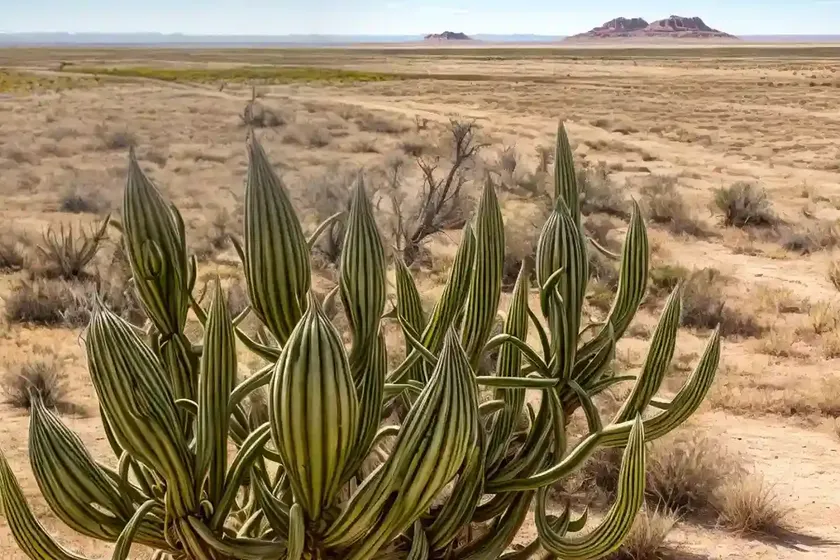
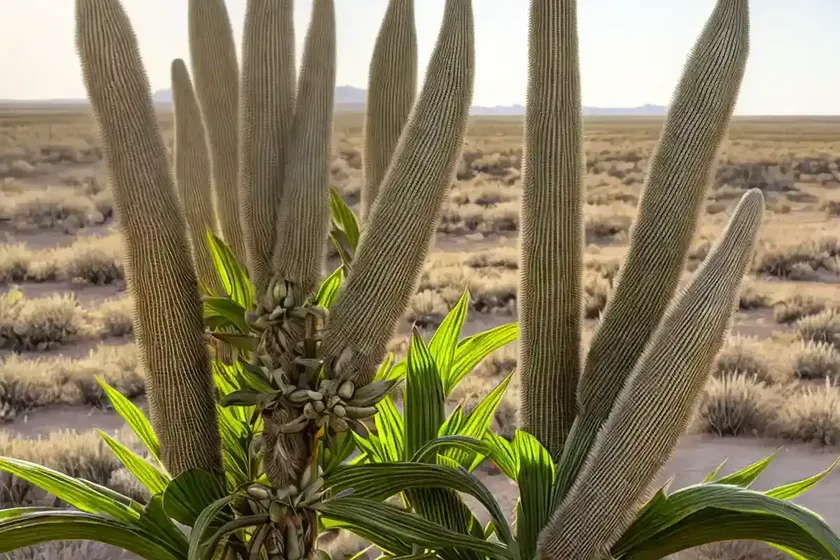
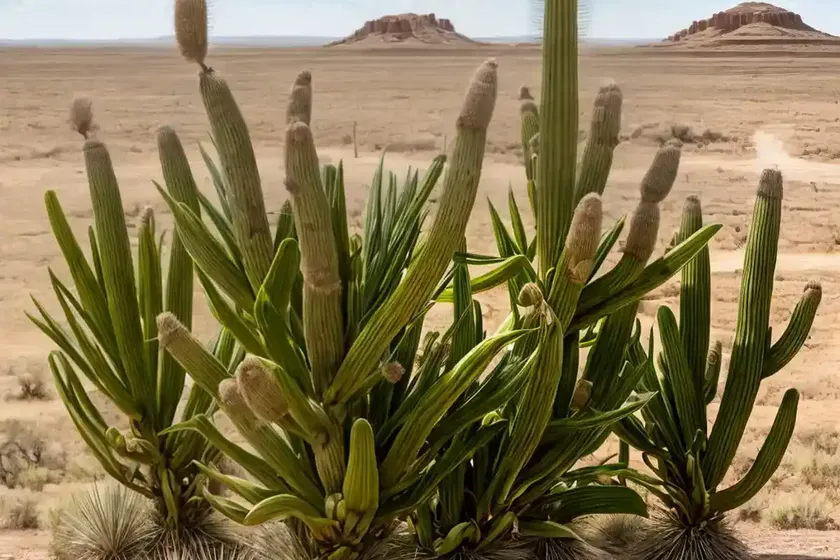
As a plant scientist with a passion for native plants, I am thrilled to delve into the world of Texas sotol (Dasylirion texanum). This unique and beautiful plant holds immense cultural significance and offers a range of practical uses. In this comprehensive guide, we will explore the many facets of Texas sotol, including its cultural significance, caring tips, uses, and ecological importance.
What is Texas Sotol (Dasylirion texanum)?
Texas sotol, scientifically known as Dasylirion texanum, is a striking perennial plant that belongs to the Asparagaceae family. It is native to the southwestern United States and northern Mexico, particularly thriving in the arid regions of Texas. This resilient plant is renowned for its striking appearance and its ability to thrive in harsh, dry environments.
Key Takeaways – Texas Sotol (Dasylirion texanum)
Before we delve deeper into the detailed aspects of Texas sotol, let’s have a quick overview of the key takeaways associated with this remarkable plant:
- Cultural Significance: Texas sotol holds cultural significance, with a rich history of traditional uses and symbolic meanings.
- Drought-Tolerant: It is known for its exceptional tolerance to drought conditions, making it ideal for arid landscapes.
- Ecosystem Support: Texas sotol provides significant support for local wildlife and pollinators.
- Ornamental Plant: Its unique appearance and low-maintenance nature make it a popular choice for landscaping and gardens.
- Versatile Uses: From landscaping to traditional and medicinal uses, Texas sotol offers a wide range of practical applications.
Now that we have a brief understanding of the remarkable aspects of Texas sotol, let’s explore it in more detail, starting with its cultural significance and uses.
Cultural Significance and Traditional Uses
Native American Traditions: Texas sotol has been an integral part of the Native American cultures in the regions where it grows. The indigenous peoples of Texas and northern Mexico have historically used various parts of the sotol plant for crafting tools, textiles, and beverages. The fibrous leaves of the plant were utilized for weaving mats, baskets, and other essential items.
Traditional Beverages: One of the most famous traditional uses of Texas sotol is the production of a distilled alcoholic beverage known as “sotol”. This traditional alcoholic drink is similar to mezcal and tequila and has been part of the regional culture for generations.
Symbolic Meanings: In addition to its practical uses, Texas sotol holds symbolic meanings in the folklore and traditions of the region. It is often associated with resilience, strength, and adaptability, reflecting its ability to thrive in challenging environments.
Texas Sotol Care Tips
Now, let’s shift our focus to the practical aspects of caring for Texas sotol. From water and sunlight requirements to soil considerations and propagation techniques, successful cultivation of Texas sotol requires a good understanding of its specific needs.
Water
Drought Tolerance: Texas sotol is highly adapted to arid environments and exhibits exceptional drought tolerance once established. While it can survive prolonged periods of drought, it will benefit from occasional deep watering in extremely dry conditions, especially during its establishment phase.
Establishment Period: During the initial establishment period after planting, it is essential to provide regular watering to help the plant develop a strong root system. Once the roots are well-established, the watering frequency can be reduced significantly.
Watering Techniques: When watering Texas sotol, focus on providing deep, infrequent watering rather than frequent shallow watering. This encourages the plant’s roots to grow deeper into the soil, enhancing its ability to withstand drought.
Sunlight
Full Sun Exposure: Texas sotol thrives in full sun, requiring at least six to eight hours of direct sunlight per day. When selecting a planting location, ensure that it receives ample sunlight to promote healthy growth and the development of its iconic rosette of long, slender leaves.
Shade Considerations: While Texas sotol is well-adapted to full sun conditions, it can tolerate partial shade, especially in extremely hot climates. However, to ensure optimal growth and appearance, it is best to provide a sunny location.
Soil
Well-Draining Soil: Texas sotol prefers well-draining, slightly sandy soil. It is crucial to avoid waterlogged conditions, as excessive moisture can lead to root rot and other detrimental issues.
pH Requirements: The plant thrives in slightly acidic to slightly alkaline soils, with a pH range of 6.0 to 8.0. Conduct a soil test to determine the pH of the planting area and make necessary amendments to ensure it falls within the preferred range.
Soil Amendments: If the soil is heavy and compacted, amending it with sand, perlite, or other organic materials can enhance drainage and create a more suitable growing environment for Texas sotol.
Fertilizer
Minimal Fertilization: Texas sotol is not heavy feeder and typically thrives without the need for regular fertilization. In fact, excessive fertilizer can have adverse effects on the plant, leading to overly lush growth and potential susceptibility to pests and diseases.
Preferred Nutrients: In nutrient-poor soils, a light application of a balanced, slow-release fertilizer in early spring can provide a gentle boost to the plant’s growth. However, it is important to avoid using high-nitrogen fertilizers, as they can disrupt the natural balance of the plant.
Pruning
Minimal Pruning Needs: Texas sotol is a low-maintenance plant that requires minimal pruning. However, removing any dead or damaged leaves can help maintain the plant’s appearance and overall health.
Pruning Technique: When pruning Texas sotol, use clean, sharp tools to make precise cuts. Trim away any brown or withered leaves by cutting them off at the base of the plant. Avoid cutting into the center of the rosette, as this can potentially damage the growing point.
Propagation
Seed Propagation: Texas sotol can be propagated from seeds, although it requires patience, as the seeds may take several weeks to germinate. Sow the seeds in a well-draining medium and keep them consistently moist until germination occurs.
Offset Division: An alternative propagation method involves dividing the offsets or “pups” that develop around the base of mature plants. Carefully detach the offsets, ensuring that each division has a portion of the root system attached, and plant them in suitable growing conditions.
Container Popularity
Container Growing: Texas sotol is well-suited for container cultivation, making it an excellent choice for those with limited outdoor space or for individuals seeking to incorporate it into patio and landscape designs.
Container Considerations: When growing Texas sotol in containers, select a large, sturdy pot with ample drainage holes to ensure proper soil aeration and moisture control. Use a well-draining potting mix specifically designed for succulents and cacti to provide the ideal growing medium.
Outdoor Versatility: One of the key advantages of container-grown Texas sotol is its portability. It can be moved to different locations to optimize sunlight exposure or complement specific outdoor design schemes.
Uses of Texas Sotol (Dasylirion texanum)
From traditional applications deeply rooted in local cultures to modern-day landscaping and ecological benefits, Texas sotol offers a range of versatile uses. Let’s explore some of the primary applications of this remarkable plant:
Landscaping and Garden Specimen
Ornamental Appeal: Texas sotol is a stunning addition to arid and xeriscape landscapes, where its striking form and texture can serve as a focal point or complement other drought-tolerant plants.
Drought-Tolerant Landscapes: Given its exceptional drought tolerance and low-maintenance nature, Texas sotol is a valuable component of water-wise landscape designs, particularly in regions with limited water resources.
Architectural Element: The unique shape and texture of Texas sotol make it an ideal choice for creating visual interest and architectural appeal in garden and landscape settings.
Wildlife Support
Pollinator Attraction: Texas sotol produces tall flowering stalks adorned with small, bell-shaped flowers, which are highly attractive to a wide range of pollinators, including bees, butterflies, and hummingbirds.
Wildlife Habitat: The dense rosettes of Texas sotol provide nesting sites and protective cover for various small wildlife species, contributing to the overall biodiversity of the surrounding environment.
Traditional and Medicinal Uses
Crafting Materials: The fibrous leaves of Texas sotol have been traditionally used for crafting baskets, mats, ropes, and other essential items by indigenous communities in the plant’s native range.
Medicinal Properties: While not as extensively documented as some other desert plants, Texas sotol has been used in traditional folk medicine for various purposes, such as treating minor injuries and digestive issues.
Culinary and Beverage Uses
Culinary Applications: Certain parts of the sotol plant have culinary potential, with the hearts of the plant being used in some traditional recipes. However, it is essential to exercise caution and seek guidance from experts when exploring any culinary uses.
Alcoholic Beverage: As mentioned earlier, sotol has been historically used for producing a traditional distilled alcoholic beverage, further highlighting its cultural and historical significance in the region.
Texas Sotol Peat and Disease Control
While Texas sotol is generally resilient and low-maintenance, it is not impervious to certain pests and diseases. By understanding the common issues that can affect this plant and adopting preventive measures, it is possible to maintain its health and vigor.
Common Diseases
Fungal Diseases: Texas sotol may be susceptible to fungal diseases, particularly if exposed to excessive moisture or poorly drained soils. Common fungal issues include leaf spot and root rot, which can manifest as discolored or rotted areas on the leaves and stems.
Preventive Measures: To reduce the risk of fungal diseases, ensure proper soil drainage, avoid overwatering, and provide adequate air circulation around the plant. Additionally, promptly remove and dispose of any affected plant material to prevent the spread of infection.
Disease Diagnosis
Symptom Identification: When inspecting Texas sotol for signs of disease, look for symptoms such as discolored or distorted leaves, wilting, and unusual spots or lesions. Carefully note the specific characteristics of the symptoms to aid in accurate diagnosis.
Professional Assistance: If you suspect that your Texas sotol is affected by a disease, especially if you are unsure about the cause or appropriate treatment, seek advice from local horticultural specialists or plant pathologists for proper diagnosis and management recommendations.
Common Pests
Insect Pests: While Texas sotol is relatively resistant to many pests, it can occasionally attract certain insects, such as aphids, spider mites, and scale insects. These pests can cause damage to the leaves and stems if left unchecked.
Integrated Pest Management: Implement an integrated approach to pest management, incorporating techniques such as regular inspection, mechanical removal of pests, and the selective use of horticultural oils or insecticidal soaps if necessary.
Botanist’s Tips: Sustainable Gardening with Texas Sotol
As a plant scientist dedicated to sustainable and environmentally conscious gardening practices, I always emphasize the importance of using native plants like Texas sotol as key components of eco-friendly landscapes. Here are some botanist’s tips for incorporating Texas sotol into sustainable gardening designs:
-
Water Conservation: By integrating Texas sotol into xeriscape and drought-tolerant landscapes, you contribute to water conservation efforts and help create environmentally resilient garden spaces.
-
Wildlife Habitat: Utilize Texas sotol to support local wildlife, offering nesting sites, food sources, and protective cover for various creatures, thereby fostering biodiversity within the garden.
-
Minimal Inputs: Emphasize the use of low-maintenance and low-input plant species like Texas sotol, reducing the need for extensive irrigation, fertilization, and chemical pest controls.
-
Erosion Control: The robust root system and dense foliage of Texas sotol make it an effective ally in erosion control efforts, stabilizing soil and preventing erosion in areas prone to soil loss.
Texas Sotol – A Versatile and Adaptable Native Plant
Texas Sotol Botanical Features
-
Form and Structure: Texas sotol is characterized by its striking rosette of long, narrow leaves that emerge from a central stem. The plant can reach impressive heights, with the inflorescence producing tall, elegant flower spikes in certain seasons.
-
Foliage Color and Texture: The foliage of Texas sotol is typically bluish-green or grayish-green, with a waxy coating that helps reduce water loss through evaporation. The leaves are armed with sharp, pointed tips, adding to the plant’s distinctive appearance.
-
Flowering and Seed Production: Mature Texas sotol plants produce impressive flower spikes that can rise well above the foliage, showcasing clusters of small, creamy-white or pale yellow flowers. Following pollination, the plant may develop seeds for potential propagation.
Texas Sotol Zone Requirements
Hardiness Zones: Texas sotol is well-suited for growing in USDA hardiness zones 8a to 11, where it can thrive in the warm, dry climates that characterize these regions. It is important to ensure that the plant receives proper sunlight and soil conditions specific to its native habitat.
Winter Care: While Texas sotol exhibits exceptional cold tolerance once established, providing some winter protection, such as mulching around the base of the plant, can help insulate it against prolonged periods of freezing temperatures.
Texas Sotol Hardy Plants for Texas Gardens
When selecting plants for Texas gardens, it is essential to prioritize species that can withstand the challenging environmental conditions of the region. Texas sotol stands out as one of the hardy, low-maintenance plants that are well-suited for the demanding climate and soil characteristics of Texas.
Landscape Design: Texas sotol lends itself well to a variety of garden styles and design themes, providing visual interest, texture, and an element of the southwest to Texas landscapes.
Xeriscaping: Given its exceptional drought tolerance and minimal water requirements, Texas sotol is an excellent choice for xeriscape gardens, contributing to efficient water usage and sustainable landscaping.
Companion Planting: When designing garden compositions, consider companion plants that complement the unique qualities of Texas sotol, such as other drought-tolerant succulents, ornamental grasses, and native wildflowers.
Texas Sotol in Texas Native Gardens
In the context of native landscaping, incorporating Texas sotol into Texas native gardens helps create a sense of place and conserves the natural heritage of the region.
Ecological Integration: Texas sotol plays a vital role in supporting local ecosystems and preserving the distinct character of Texas habitats, aligning with the principles of native plant gardening.
Educational Value: Including Texas sotol in native gardens provides an opportunity for educational outreach and interpretation, showcasing the cultural and ecological significance of this native plant species.
Conclusion
The exploration of Texas sotol (Dasylirion texanum) highlights the remarkable versatility and significance of this captivating native plant. With its rich cultural history, practical uses, and ecological contributions, Texas sotol embodies the resilience and adaptability that are crucial for thriving in challenging environments. Whether incorporated into sustainable landscapes, utilized for traditional purposes, or celebrated for its ornamental appeal, Texas sotol continues to make a profound impact on the botanical landscape of Texas and beyond.
As a plant scientist deeply committed to promoting the use of native plants and sustainable gardening practices, I hope this comprehensive guide has provided valuable insights into the unique characteristics and care requirements of Texas sotol. By embracing the diverse attributes of Texas sotol and harnessing its potential in various applications, we can further appreciate and conserve the natural heritage of the southwestern United States.
References
- Barrio, C. (n.d.). Texas Sotol: Plant of Many Uses. Lady Bird Johnson Wildflower Center. Link
- Hayden, M. (2013). A Directory of Texas Sotol Drinkers. Beer, Wine & Spirits. Link
- Texas A&M AgriLife Extension. (2019). Drought-Tolerant Plants for Central Texas Landscapes. Link
- Texas Native Plant Society. (2021). Native Plant Society of Texas. Link
- U.S. Department of Agriculture. (n.d.). Plant Hardiness Zone Map. United States Department of Agriculture. Link
- Warren, G. (2011). Desert and Southwest Plants. Texas Tech University Press. Link