Tennessee Coneflower (Echinacea tennesseensis): A Plant of Unique Beauty and Significance
Introduction
Plants hold an integral place in our ecosystems, providing food, shelter, and medicine for both humans and wildlife. Among the diverse array of plant species that grace our planet, the Tennessee coneflower (Echinacea tennesseensis) stands out as a species of particular significance. This resilient and beautiful plant is not only a charming addition to any garden but also holds cultural, ecological, and medicinal importance. In this comprehensive guide, we will explore all aspects of the Tennessee coneflower, ranging from its unique characteristics to its cultural and ecological significance, as well as practical tips for cultivation and maintenance.
What is Tennessee Coneflower (Echinacea tennesseensis)?
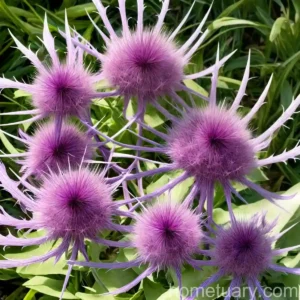
The Tennessee coneflower, scientifically known as Echinacea tennesseensis, is a flowering perennial plant belonging to the Asteraceae family. Endemic to the cedar glades of central Tennessee, this plant species is characterized by its striking daisy-like flowers, which boast vibrant shades of rose-pink. The Tennessee coneflower is known for its robust nature and ability to thrive in challenging environmental conditions, making it a valuable component of the region’s ecological landscape.
Key Takeaways – Tennessee Coneflower (Echinacea tennesseensis)
To fully grasp the significance and cultivation of the Tennessee coneflower, it is essential to delve into its various characteristics, cultural uses, and ecological importance. Let’s explore the key takeaways associated with this remarkable plant:
-
Tennessee Coneflower Characteristics: Delicate, rose-pink daisy-like flowers, characteristic of the Echinacea genus. Notable for its resilience and ability to thrive in harsh environmental conditions.
-
Echinacea tennesseensis Benefits: Offers medicinal properties, wildlife support, and ecological resilience within its native habitat.
-
Tennessee Coneflower Gardening: Provides an attractive and ecologically beneficial option for gardeners seeking to enhance their landscapes with native flora.
-
Echinacea tennesseensis Care: Requires minimal maintenance and offers a sustainable gardening option for various landscapes.
-
Tennessee Coneflower Species: A unique and regionally specific species, contributing to the biodiversity and ecosystem stability of Tennessee’s cedar glades.
Culture
Before delving into the specific aspects of cultivating and maintaining the Tennessee coneflower, it is important to understand the cultural and historical significance of this plant. The Tennessee coneflower has long been revered for its beauty, medicinal properties, and ecological contributions. Understanding its role in human culture, traditional practices, and folklore adds depth to the appreciation of this extraordinary plant.
Uses
The cultural uses of the Tennessee coneflower are multifaceted, with contributions spanning traditional medicine, ecological support, and landscape aesthetics.
-
Medicinal Uses: Echinacea species, including E. tennesseensis, are revered for their medicinal properties. The Cherokee and other Native American tribes traditionally used echinacea as a remedy for various ailments, such as toothaches, sore throats, and snakebites. The plant is also valued for its potential immune-boosting properties, as evidenced by its inclusion in modern herbal medicine.
-
Ecological Importance: Within its native ecosystem, the Tennessee coneflower plays a vital role in supporting local wildlife, including pollinators such as butterflies, bees, and hummingbirds. By providing nectar and habitat, the plant contributes to the overall health and biodiversity of the region.
-
Landscape Aesthetics: Beyond its ecological significance, the Tennessee coneflower offers an attractive option for landscaping, adding a burst of color and natural beauty to gardens and naturalistic landscapes.
Tennessee Coneflower Care
Effective cultivation of the Tennessee coneflower requires careful attention to water, sunlight, soil, and maintenance practices. By understanding and meeting the specific needs of this plant, gardeners can ensure its healthy growth and sustained beauty.
Water
The Tennessee coneflower thrives in well-drained soil and is relatively drought-tolerant once established. When establishing new plants, regular watering is essential to promote root development and overall plant health. However, caution should be exercised to avoid overwatering, as excessive moisture can lead to root rot and other issues. Once established, the plant typically requires minimal supplemental watering, making it suitable for xeriscaping and sustainable gardening practices.
Sunlight
As a native of Tennessee’s cedar glades, the Tennessee coneflower is adapted to thrive in full sun to partial shade. When selecting a location for planting, it is important to choose a spot that receives ample sunlight, as this will promote robust flowering and overall plant health. In regions with hot summers, providing some afternoon shade can be beneficial to prevent the plant from becoming stressed by excessive heat.
Fertilizer
The Tennessee coneflower generally does not require heavy fertilization. In fact, excessive fertilization can lead to excessive foliage growth at the expense of flower production. A light application of a balanced, slow-release fertilizer in early spring can support healthy growth and flowering. Additionally, incorporating organic matter into the soil during planting can provide essential nutrients for the plant.
Soil
The ideal soil for Tennessee coneflowers is well-drained and slightly alkaline, mimicking the conditions found in their native cedar glade habitat. Sandy or rocky soils with good drainage are particularly well-suited for this plant. To improve soil structure and drainage, incorporating organic matter such as compost or peat moss can be beneficial, especially in clay-heavy soils.
Pruning
Pruning requirements for the Tennessee coneflower are minimal. Deadheading spent flowers can encourage prolonged blooming and prevent self-seeding, but is not strictly necessary. In late winter or early spring, it is advisable to trim back the previous year’s growth to allow for fresh, new growth to emerge.
Propagation
The propagation of Tennessee coneflowers can be achieved through several methods, including seed germination and division. Understanding the different propagation techniques and their associated benefits can empower gardeners to expand their plantings and share the beauty of this species with others.
Seed Germination
Tennessee coneflowers produce seeds that can be collected and sown to propagate new plants. To promote successful germination, it is advisable to sow the seeds in a well-draining seed-starting mix and maintain consistent moisture until the seedlings emerge. Given their native habitat, Tennessee coneflowers exhibit strong adaptability and resilience, making seed germination a relatively straightforward process.
Division
Dividing mature Tennessee coneflower plants is another effective method of propagation. This technique involves carefully dividing the plant’s rhizomes into sections, each containing viable root systems and growing points. Division is best carried out during the plant’s dormant period, typically in early spring before new growth emerges. The resulting divisions can be replanted to establish new plants, thus expanding the garden’s population of Tennessee coneflowers.
Container Popularity
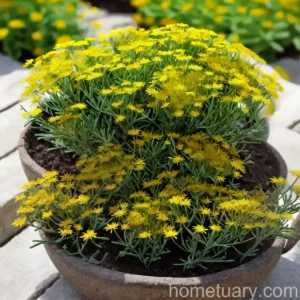
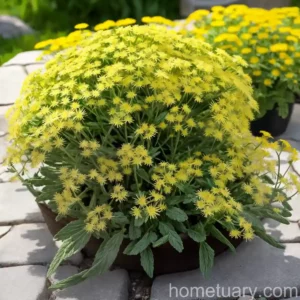
In addition to thriving in traditional garden settings, the Tennessee coneflower is also well-suited for container cultivation. Its adaptability and relatively low maintenance requirements make it an excellent choice for container gardening, providing opportunities for those with limited space or those seeking to enhance patios, balconies, or other outdoor living areas with its vibrant blooms.
Container
Selecting an appropriate container is essential for successful Tennessee coneflower cultivation. Choose a container with ample drainage holes to prevent waterlogging, as excess moisture can be detrimental to the plant. Additionally, a larger container size provides more room for root development, which can contribute to overall plant health and longevity.
Common Diseases
While the Tennessee coneflower is generally resistant to many common garden diseases, there are certain issues that gardeners should be vigilant for, particularly in conditions of poor air circulation or overly moist soil.
Disease Diagnosis
Keep an eye out for signs of fungal diseases, such as powdery mildew, on the plant’s foliage. These issues can arise when the plant is subjected to prolonged periods of high humidity or if the foliage remains wet for extended periods. Promptly addressing such issues by improving air circulation and, if necessary, applying appropriate fungicidal treatments can help mitigate disease impacts.
Common Pests
In addition to diseases, Tennessee coneflowers can be susceptible to certain pests that may seek to feed on the plant’s foliage, stems, or flowers. Familiarizing oneself with the common pests and adopting integrated pest management strategies can help maintain plant health and minimize pest-related damage.
Botanist’s Tips
Botanists studying the Tennessee coneflower can provide valuable insights into the plant’s ecological importance, genetic diversity, and conservation needs. By conducting rigorous research and applying their expertise, these experts play a crucial role in understanding and preserving this unique plant species.
Fun Facts
As we delve deeper into the world of Tennessee coneflowers, it’s intriguing to uncover some fun and lesser-known facts about these remarkable plants. From their ecological associations to their cultural significance, these fun facts shed light on the diverse aspects of the Tennessee coneflower.
Links to External Resources
For further exploration of Tennessee coneflowers, including in-depth information on their cultivation, ecology, and cultural significance, the following external resources are valuable references:
- Tennessee coneflower
- Echinacea tennesseensis
- Tennessee coneflower – USDA Plants Database
- Cultural and medicinal significance of Echinacea
In conclusion, the Tennessee coneflower (Echinacea tennesseensis) stands as a culturally, ecologically, and aesthetically significant plant species. Its striking beauty, medicinal properties, and ecological contributions make it a valuable addition to gardens, naturalistic landscapes, and conservation efforts. By understanding and appreciating the unique characteristics and significance of the Tennessee coneflower, gardeners and plant enthusiasts can actively contribute to its conservation, while enjoying its captivating beauty and ecological benefits in their own landscapes.