The Purple Coneflower (Echinacea purpurea ‘Amado’): A Complete Guide
Introduction
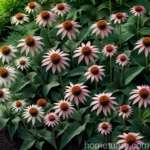
The purple coneflower (Echinacea purpurea ‘Amado’) is a stunning perennial plant, prized for its attractive flowers and numerous medicinal properties. It is a member of the Asteraceae family and is native to central and southeastern United States. The ‘Amado’ variety is a beautiful cultivar known for its vibrant, purple-pink flowers and compact growth habit. In this comprehensive guide, we will explore everything you need to know about this remarkable plant, from its cultivation and care to its cultural significance and medicinal uses.
The purple coneflower is a versatile plant that has gained immense popularity not only as an ornamental garden specimen but also for its extensive medicinal properties. Its ability to attract pollinators and its long flowering period make it a favorite among gardeners, while its historical uses in traditional medicine have contributed to its enduring appeal.
Let’s delve deeper into the world of the purple coneflower and discover the many facets that make it a cherished addition to gardens and landscapes.
What is the Purple Coneflower (Echinacea purpurea ‘Amado’)?
The purple coneflower, scientifically known as Echinacea purpurea ‘Amado’, is a herbaceous perennial plant that is synonymous with summer gardens. It is characterized by its daisy-like flowers with prominent, cone-shaped centers, which lend it its common name. The ‘Amado’ cultivar, in particular, is recognized for its intense, purple-pink blooms and compact growth, making it an ideal choice for smaller gardens or container plantings.
Key Takeaways – Purple Coneflower (Echinacea purpurea ‘Amado’)
Here are the key takeaways about the purple coneflower, including its cultural significance, uses, and care requirements:
- Culture – The purple coneflower is deeply ingrained in horticultural and medicinal traditions, revered for its ornamental value and therapeutic properties.
- Uses – It serves as an attractive garden specimen and is highly valued for its medicinal benefits, being used in various herbal remedies and supplements.
- Water – Well-drained soil is crucial for the plant, especially to prevent root rot.
- Sunlight – Thrives in full sun but can tolerate partial shade, although flowering may be reduced.
- Fertilizer – Minimal fertilization is necessary, with a focus on organic, balanced formulations.
- Soil – Prefers moderately fertile, loamy soils with good drainage.
- Pruning – Deadheading spent blooms can encourage prolonged flowering, while cutting back in late fall helps maintain plant vigor.
- Propagation – Easily propagated from seeds or division of mature plants.
- Container Popularity – Well-suited for container cultivation, adding bursts of color to patios and balconies.
- Common Diseases – Susceptible to certain fungal diseases, including powdery mildew and aster yellows.
- Disease Diagnosis – Regular inspection of foliage and preventive measures can help in early disease detection.
- Common Pests – Attracts beneficial insects and pollinators, while also being susceptible to aphids and Japanese beetles.
- Botanist’s Tips – Select disease-resistant cultivars and provide proper air circulation to prevent fungal infections.
- Fun Facts – The purple coneflower has a rich cultural history and was traditionally used by Native American tribes for various ailments.
- Links to External Resources – For additional information and resources, refer to the links provided throughout this guide.
Now, let’s explore each of these aspects in detail to gain a comprehensive understanding of the purple coneflower.
Cultivation of Purple Coneflower (Echinacea purpurea ‘Amado’)
Cultivating the purple coneflower is a rewarding endeavor, as it not only adds vibrant color to the garden but also contributes to supporting pollinators and beneficial insects. Understanding its requirements for water, sunlight, soil, and maintenance is key to ensuring its optimal growth and longevity.
Water
Proper watering is essential for the health and vigor of the purple coneflower. While it is moderately drought-tolerant once established, consistent moisture is crucial, especially during its early growth stages and periods of prolonged dryness. However, overwatering and waterlogged conditions should be avoided, as they can lead to root rot and other moisture-related issues.
Here are some key considerations for watering the purple coneflower:
- Young Plants: Newly planted purple coneflowers should be watered regularly to help them establish strong root systems. Ensure that the soil is consistently moist but not waterlogged.
- Mature Plants: Once established, the purple coneflower requires less frequent watering. Allow the soil to dry partially between waterings, especially in well-draining soil.
Sunlight
The purple coneflower thrives in full sun, exhibiting robust growth and abundant flowering when provided with ample sunlight. It typically requires at least 6-8 hours of direct sunlight per day to perform at its best. While it can tolerate partial shade, it may result in reduced flowering and a more open growth habit.
Consider the following when addressing sunlight requirements for the purple coneflower:
- Optimal Conditions: Plant the purple coneflower in a location that receives full sun throughout the day, such as south or west-facing areas of the garden.
- Partial Shade: In hotter climates, providing some afternoon shade can help protect the plant from excessive heat stress.
Fertilizer
The purple coneflower is not a heavy feeder and generally thrives in moderately fertile soils without the need for excessive fertilization. To support its growth and flowering, it is best to apply a balanced, organic fertilizer in moderation. This can be in the form of well-composted organic matter or a slow-release granular fertilizer.
Consider the following guidelines for fertilizing the purple coneflower:
- Spring Application: Apply a light layer of compost or balanced granular fertilizer around the base of the plant in early spring to provide nutrients for the growing season.
- Avoid Overfertilization: Refrain from overfeeding the plant, as excessive nitrogen can lead to lush foliage at the expense of flower production.
- Organic Options: Organic fertilizers such as compost, aged manure, or a balanced organic fertilizer blend are preferred for promoting the overall health of the plant.
Soil
The purple coneflower thrives in well-drained, moderately fertile soils. It is adaptable to various soil types, including loamy, sandy, or rocky soils, as long as they offer good drainage. In heavy or poorly drained soils, it is essential to amend with organic matter and create raised beds to prevent waterlogging.
Consider the following soil requirements for the purple coneflower:
- Drainage: Ensure that the planting site has adequate drainage to prevent water accumulation around the roots.
- Soil Amendments: Incorporate organic matter such as compost or well-rotted manure into the soil at planting time to improve its structure and fertility.
- Raised Beds: In areas with heavy clay or compacted soil, consider creating raised beds to improve drainage and aeration.
Pruning and Maintenance of Purple Coneflower (Echinacea purpurea ‘Amado’)
Maintaining the health and appearance of the purple coneflower involves regular pruning, deadheading, and occasional division to rejuvenate overcrowded clumps. By incorporating these maintenance practices, gardeners can ensure the plant’s longevity and continuous flowering.
Pruning
Pruning the purple coneflower involves removing spent blooms to encourage additional flowering and prevent self-seeding. Additionally, cutting back the plant in late fall helps in tidying the garden and preparing the plant for the dormant season.
Consider the following guidelines for pruning the purple coneflower:
- Deadheading: Remove faded flowers promptly to prevent seed formation and to prolong the flowering period. This encourages the plant to divert its energy into producing new blooms.
- Fall Pruning: In late fall or early winter, cut back the stems of the purple coneflower to a height of a few inches above the soil level. This helps in maintaining plant vigor and prevents overwintering pests and diseases.
Propagation
Propagating the purple coneflower can be achieved through several methods, including division of mature clumps, sowing seeds, or taking root cuttings. Each technique has its unique benefits and is relatively straightforward, making it accessible to both novice and experienced gardeners.
Consider the following propagation methods for the purple coneflower:
- Division: Divide mature clumps of the purple coneflower in early spring or early fall to rejuvenate crowded plantings and establish new specimens.
- Seeds: Collect ripe seeds from the flower heads and sow them directly in the garden or in containers for germination. Seeds can also be started indoors during early spring.
- Root Cuttings: Take root cuttings in late fall or early winter, ensuring that each cutting has several healthy root sections. Plant the cuttings in a well-draining medium to encourage root development.
Container Popularity
The purple coneflower is well-suited for container gardening, allowing it to grace patios, balconies, and small outdoor spaces with its vibrant blooms. When grown in containers, it not only adds visual interest but also attracts pollinators, making it a valuable asset to any urban or suburban garden.
Consider the following tips for growing the purple coneflower in containers:
- Container Selection: Choose a spacious container with adequate drainage holes to accommodate the plant’s root system and provide proper aeration.
- Well-Draining Soil: Use a high-quality, well-draining potting mix to ensure optimal root health and prevent waterlogging.
- Watering: Containers may require more frequent watering, especially during hot, dry periods. Monitor the soil moisture regularly to prevent drought stress.
- Seasonal Care: Provide winter protection for container-grown plants in colder climates, either by moving them to a sheltered location or insulating the containers.
Popularity and Uses of Purple Coneflower (Echinacea purpurea ‘Amado’)
The purple coneflower holds a prominent position in horticulture, admired for both its decorative appeal and its numerous applications in traditional and modern medicine. Its rise to popularity as a garden favorite and its historical significance in herbal lore have contributed to its enduring status as a cherished plant.
Popularity in Gardens
The purple coneflower enjoys widespread popularity among gardeners and landscapers for several compelling reasons, including:
- Long-Lasting Blooms: The plant’s extended flowering period, which spans from midsummer to early fall, ensures a continuous display of colorful blooms in garden settings.
- Pollinator Attraction: Its nectar-rich flowers attract a myriad of pollinators, including butterflies, bees, and other beneficial insects, contributing to a thriving ecosystem.
- Low Maintenance: Being relatively low-maintenance, the purple coneflower is an attractive choice for gardeners seeking resilient, easy-to-grow plants.
- Versatility: Its adaptability to various growing conditions and its suitability for both garden beds and containers make it a versatile addition to any landscape.
Uses in Traditional and Modern Medicine
The purple coneflower has been widely utilized in herbal medicine for centuries, particularly by indigenous cultures in North America. Its roots, flowers, and aerial parts are known for their potent medicinal properties and are commonly used in herbal remedies and dietary supplements.
Consider the following uses and applications of the purple coneflower in the realm of herbal medicine:
- Immune Support: Echinacea purpurea is recognized for its immune-stimulating effects, often used to support the body’s natural defenses during periods of illness or stress.
- Anti-Inflammatory Effects: Its anti-inflammatory properties make it an essential component in natural treatments for various inflammatory conditions.
- Respiratory Health: Echinacea purpurea is used to promote respiratory health, offering relief from symptoms of colds, flu, and other respiratory infections.
- Skin Health: The plant’s extracts are incorporated into skincare products, owing to their skin-soothing and rejuvenating potential.
- Antiviral Effects: Echinacea purpurea has demonstrated antiviral activity, further solidifying its place in natural antiviral formulations.
Common Diseases and Pests of Purple Coneflower (Echinacea purpurea ‘Amado’)
While the purple coneflower is generally resilient, it is susceptible to certain diseases and pest infestations that can impact its health and appearance if left unmanaged. Recognizing the symptoms of common ailments and understanding pest dynamics is crucial for maintaining the plant’s vitality.
Common Diseases
Several fungal diseases can affect the purple coneflower, especially when growing conditions are unfavorable or during periods of prolonged wetness. Powdery mildew, a common fungal infection, can cause unsightly white powdery patches on the leaves and compromise the plant’s overall vigor. Additionally, aster yellows, a phytoplasma disease transmitted by leafhoppers, can manifest in distorted growth and discolored foliage.
Consider the following tips for addressing and managing common diseases of the purple coneflower:
- Cultural Practices: Implement proper cultural practices, including adequate spacing, good air circulation, and proper watering, to reduce the risk of fungal infections.
- Preventive Measures: Utilize preventive measures such as applying fungicidal sprays, choosing disease-resistant cultivars, and removing and disposing of infected plant material.
- Early Detection: Regularly inspect the foliage for signs of fungal diseases and act promptly if symptoms are observed, preventing their spread to unaffected plants.
Common Pests
While the purple coneflower attracts beneficial insects and pollinators, it is also prone to infestations by certain pests. Aphids, for instance, can congregate on the plant, sucking sap from its tender growth and causing distortion and discoloration of the leaves and stems. Japanese beetles may also feed on the foliage, resulting in unsightly damage and defoliation if present in significant numbers.
Consider the following strategies for managing common pests of the purple coneflower:
- Beneficial Insect Encouragement: Encourage natural predators of aphids and other pests, such as ladybugs, lacewings, and parasitic wasps, to help control their populations.
- Non-Chemical Controls: Utilize non-chemical controls, such as handpicking or spraying with a strong jet of water, to dislodge and remove aphids and Japanese beetles.
- Minimal Intervention: Exercise caution when implementing pest control measures, ensuring that they do not harm beneficial insects and overall ecosystem balance.
Botanist’s Tips for Growing Purple Coneflower (Echinacea purpurea ‘Amado’)
As a plant scientist, I am pleased to offer the following expert tips to help enhance the success and vitality of the purple coneflower in various garden settings. These insights are designed to optimize the plant’s growth, resilience, and overall beauty.
Disease-Resistant Cultivars
Selecting disease-resistant cultivars of the purple coneflower can significantly minimize the risk of fungal infections and other diseases. Many modern varieties have been bred for improved disease resistance, ensuring that they remain healthy and vibrant throughout the growing season.
Consider the following disease-resistant cultivars of Echinacea purpurea:
- Echinacea purpurea ‘PowWow Wild Berry’: This variety is known for its compact growth habit and deep rose-pink flowers. It exhibits exceptional resistance to powdery mildew and other foliar diseases.
- Echinacea purpurea ‘Magnus’: With its large, bright pink blooms, ‘Magnus’ is renowned for its resilient nature, showing high tolerance to common fungal infections.
Proper Air Circulation
Ensuring adequate air circulation around the purple coneflower is crucial for reducing the risk of fungal diseases, particularly powdery mildew. By providing ample space between plants and avoiding overcrowding, gardeners can create an environment that promotes natural ventilation and minimizes the incidence of foliar ailments.
Consider the following strategies for promoting proper air circulation around the purple coneflower:
- Optimal Spacing: Plant individual specimens or clusters of purple coneflowers with sufficient spacing between them, allowing for air movement and preventing moisture retention.
- Thinning Overgrown Areas: In established plantings, periodically thin out congested growth to open up the canopy and promote better airflow.
Fun Facts about Purple Coneflower (Echinacea purpurea ‘Amado’)
Uncover the intriguing facets of the purple coneflower with these captivating fun facts, shedding light on its cultural significance and horticultural marvels:
- Native American Traditions: The purple coneflower holds a revered place in Native American culture, where it was traditionally used for its medicinal properties and as a symbol of strength and fortitude.
- Butterfly Magnet: Its nectar-rich blooms make it a magnet for butterflies, drawing these delicate, winged beauties to the garden and contributing to the overall biodiversity.
- Herbal Remedies: Echinacea purpurea has been long cherished for its role in herbal medicine, serving as a primary ingredient in numerous natural remedies and dietary supplements.
- Perennial Beauty: As a perennial plant, the purple coneflower returns year after year, delivering an enduring spectacle of color and life to gardens and natural landscapes.
Conclusion
The purple coneflower (Echinacea purpurea ‘Amado’) stands as a botanical jewel, captivating us with its resplendent blooms, healing attributes, and ecological contributions. Through this comprehensive guide, we have ventured into the essence of this captivating plant, exploring its cultivation, uses, maintenance, and fascinating attributes.
As a plant scientist, I am continually enthralled by the remarkable qualities of the purple coneflower. Its ability to inspire and beautify, while also offering a multitude of health benefits, makes it an indispensable addition to gardens, landscapes, and natural medicine practices.
May the purple coneflower continue to grace our world with its vibrant petals, nourishing nectar, and enduring legacy, enriching our lives and the ecosystems we cherish.
A world of wonder awaits within the realm of the purple coneflower – a living testament to the beauty and resilience of nature.
Keywords: Purple coneflower uses, Echinacea purpurea varieties, Medicinal benefits of Echinacea purpurea, Growing purple coneflower, Echinacea purpurea cultivation tips, Purple coneflower care, Echinacea purpurea for attracting pollinators, Best companion plants for purple coneflower, Purple coneflower symbolism, Echinacea purpurea species information, Purple coneflower habitat, Echinacea purpurea garden design ideas, Purple coneflower for natural medicine, Echinacea purpurea as a herbal remedy, Growing Echinacea purpurea from seeds, Purple coneflower diseases and pests, Echinacea purpurea for immune system support, Purple coneflower folklore and myths, Echinacea purpurea flowering period, Purple coneflower for wildlife gardens, Echinacea purpurea in traditional medicine, Purple coneflower varieties for landscaping, Echinacea purpurea root benefits, Purple coneflower in Native American culture, Echinacea purpurea in herbal teas, Purple coneflower as a cut flower, Echinacea purpurea and garden aesthetics, Purple coneflower and its health properties, Echinacea purpurea and its antiviral effects, Purple coneflower in traditional healing practices, Echinacea purpurea for respiratory health, Purple coneflower and bee conservation, Echinacea purpurea folklore and superstitions, Purple coneflower as an ornamental