Teddy Bear Magnolia (Magnolia Grandiflora ‘southern Charm’)
Plants have always been an integral part of human existence, providing us with oxygen, food, medicine, and beauty. With an estimated 391,000 species of.
Introduction
Plants have always been an integral part of human existence, providing us with oxygen, food, medicine, and beauty. With an estimated 391,000 species of plants on earth, they come in diverse shapes, colors, and sizes and play a crucial role in maintaining ecological balance. One such mesmerizing plant is the Teddy Bear Magnolia (Magnolia Grandiflora ‘Southern Charm’), known for its stunning blooms, glossy leaves, and captivating fragrance. This blog post will delve into the intricacies of this magnificent plant, covering its culture, uses, maintenance, and much more.
What is Teddy Bear Magnolia?
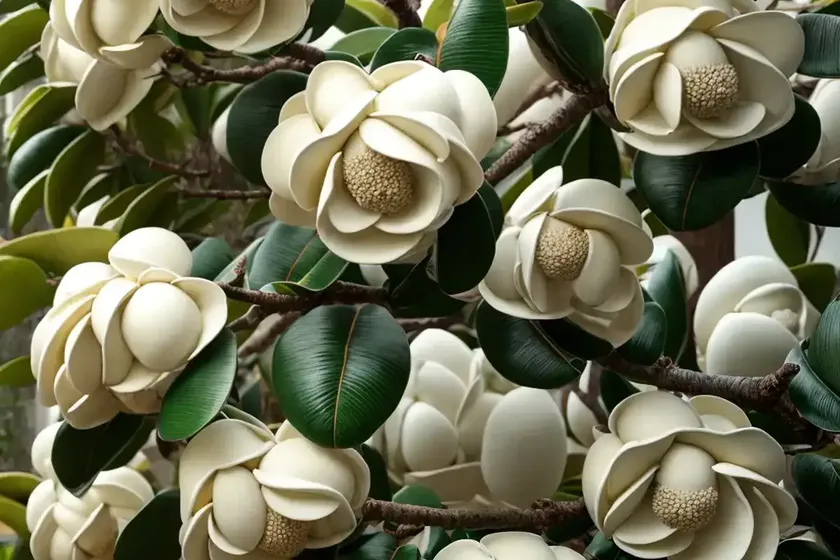
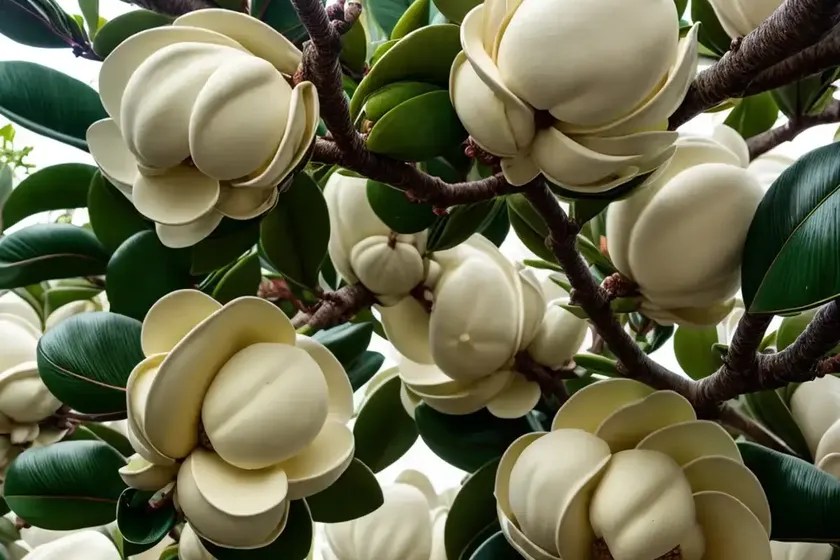
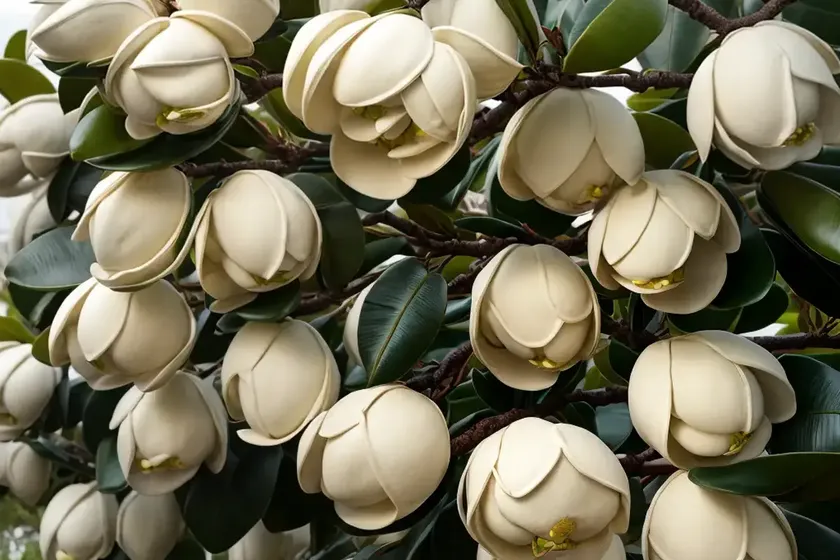
The Teddy Bear Magnolia, scientifically known as Magnolia Grandiflora ‘Southern Charm’, is a stunning evergreen tree known for its stately presence and large, striking flowers. This magnolia variety is a compact form of the Southern magnolia, with smaller and narrower leaves, making it suitable for smaller landscapes. The name ‘Teddy Bear’ suggests the plant’s gentle and attractive nature, much like a cuddly toy, while the ‘Southern Charm’ emphasizes its regional origin and captivating beauty. This cultivar is the result of hybridization and careful selection, resulting in a plant that offers an array of ornamental and practical benefits.
Key Takeaways – Teddy Bear Magnolia (Magnolia Grandiflora ‘Southern Charm’)
Culture
- USDA Hardiness Zones: 7-10
- Mature Height: 20-25 feet
- Mature Spread: 10-15 feet
- Growth Rate: Moderate
Uses
- Landscape Trees: Ideal for creating focal points in the landscape
- Privacy Hedges: Dense foliage offers privacy screening
- Aromatic Flowers: Fragrant blooms for sensory gardens
- Evergreen Foliage: Retains glossy, dark green leaves year-round
Water
- Regular Watering: Maintaining consistent soil moisture is essential, especially during the establishment phase.
- Avoid Waterlogging: Ensure proper drainage to prevent waterlogged soil, which can lead to root rot.
Sunlight
- Full Sun to Partial Shade: Thrives in full sun but can tolerate some shade, especially in hot climates.
- Protect from Harsh Afternoon Sun: Provide shelter from intense afternoon sunlight, particularly in warmer regions.
Fertilizer
- Slow-Release Fertilizer: Apply a balanced, slow-release fertilizer in spring to support healthy growth and blooming.
- Avoid Overfeeding: Moderation is key to prevent fertilizer burn and excessive foliage at the expense of flowering.
Soil
- Well-Draining Soil: Enriched, slightly acidic soil with good drainage is preferred.
- Mulching: Mulch around the base to retain moisture and regulate soil temperature.
Pruning
- Minimal Pruning: Requires minimal pruning to maintain shape and remove dead or damaged branches.
- Prune After Flowering: If pruning is necessary, do so immediately after the spring flowering period.
Propagation
- Softwood Cuttings: Propagate from softwood cuttings in early summer for best results.
- Warm, Humid Environment: Provide warmth and humidity to encourage successful root development.
Container Popularity
- Adaptability to Containers: Well-suited for large containers or tubs, providing the opportunity to enjoy its beauty in various settings.
- Thrives in Controlled Environments: Ideal for patio or rooftop gardens, offering a touch of elegance and fragrance.
Common Diseases
- Anthracnose: Fungal disease causing leaf spots and stem cankers during wet periods.
- Leaf Spot: Characterized by circular, brown spots on the leaves, often caused by various fungi.
Disease Diagnosis
- Visual Examination: Look for characteristic symptoms and signs of common magnolia diseases.
- Consultation: Seek guidance from local horticultural experts or extension services for accurate diagnosis and management recommendations.
Common Pests
- Scale Insects: Sap-feeding pests that can weaken the plant and excrete honeydew, leading to sooty mold growth.
- Whiteflies: Small, sap-sucking insects that can infest the undersides of leaves, causing wilting and stunted growth.
Botanist’s Tips
- Be Mindful of Watering: Keep the soil consistently moist, especially during the establishment phase.
- Monitor for Pests: Regularly inspect the foliage for signs of pest infestations, particularly during warmer months.
- Pruning with Caution: Minimize pruning to maintain the plant’s natural form and encourage flowering.
- Fertilize Sparingly: Apply fertilizer in moderation to prevent excessive foliage growth with reduced blooming.
Fun Facts
- The Teddy Bear Magnolia is native to the southeastern United States, where it thrives in the warm, humid climate.
- Its large, creamy white flowers emit a lemony fragrance, attracting pollinators and human admirers alike.
- This cultivar is a perfect blend of aesthetics and practicality, offering ornamental beauty and privacy screening capabilities.
Links to External Resources
- Magnolia Grandiflora ‘Southern Charm’ – Clemson Cooperative Extension
- Growing and Caring for Magnolia Trees – The Spruce
- Magnolia Grandiflora Cultivars – University of Florida Extension
In conclusion, the Teddy Bear Magnolia (Magnolia Grandiflora ‘Southern Charm’) is a captivating and versatile plant that adds elegance, fragrance, and visual interest to any landscape. With proper care, it can thrive and grace its environment with its charming presence. Whether used as a focal point in a garden or as a fragrant screen for added privacy, this magnificent cultivar certainly lives up to its enchanting name.


