Taxodium Ascendens (Pond Cypress)
Taxodium ascendens, commonly known as Pond Cypress, is an impressive deciduous conifer that belongs to the Cupressaceae family. This unique plant is native.

Introduction
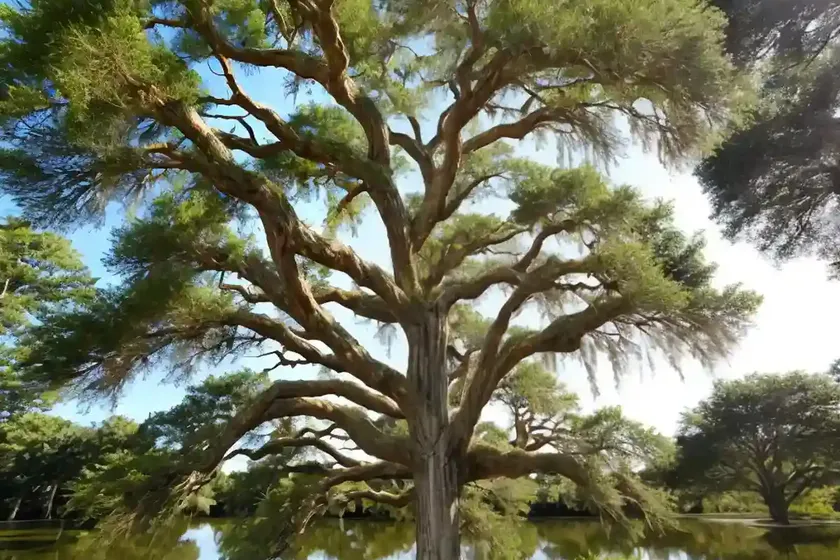
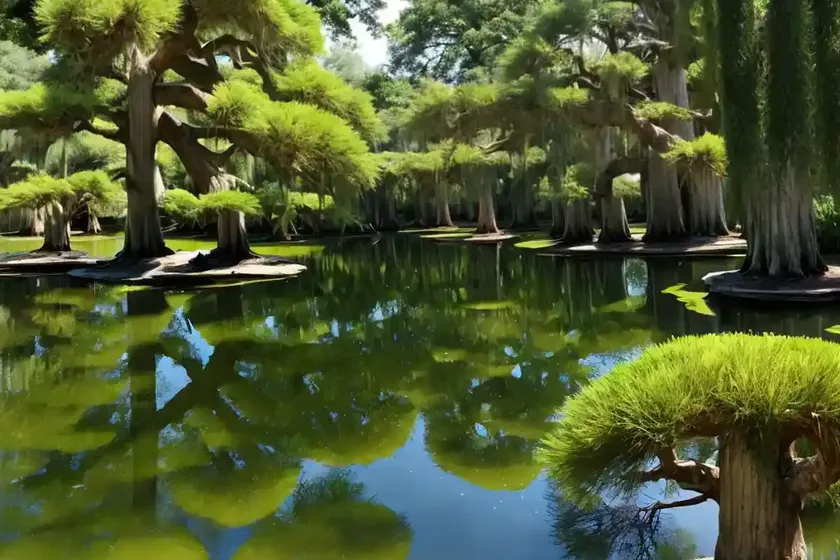
Taxodium ascendens, commonly known as Pond Cypress, is an impressive deciduous conifer that belongs to the Cupressaceae family. This unique plant is native to the southeastern United States, particularly in the states of Mississippi, Alabama, Georgia, and Florida. It is primarily found in wetland habitats, such as swamps, floodplains, and along the edges of ponds, hence its common name, Pond Cypress. This guide aims to provide a comprehensive overview of Taxodium ascendens, including its characteristics, care requirements, uses, and its ecological significance.
Taxonomy and Botanical Description
Before delving into the key aspects of Pond Cypress, it is essential to understand its taxonomy and botanical features. Taxodium ascendens belongs to the genus Taxodium, which encompasses other notable species such as Taxodium distichum (Bald Cypress). Taxodium ascendens is closely related to Taxodium distichum but is distinct in its morphology and habitat preference.
- Kingdom: Plantae
- Order: Cupressales
- Family: Cupressaceae
- Genus: Taxodium
- Species: Taxodium ascendens
Botanical Description
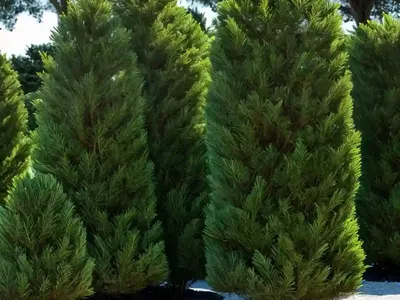
- Foliage: The foliage of Taxodium ascendens is feathery and light green, consisting of needle-like leaves that turn russet or brown in the fall before shedding.
- Trunk: This species often features a straight, tapering trunk that can display a striking reddish-brown bark color.
- Height: Pond Cypress is capable of reaching heights of 50 to 70 feet, with a pyramidal or columnar growth habit.
- Root System: Its root system is fibrous and well-adapted to waterlogged environments.
Key Takeaways – Taxodium ascendens (Pond Cypress)
The following section will address the key considerations for successfully cultivating and maintaining Pond Cypress in different settings, such as landscapes, water gardens, and natural habitats.
Culture
Cultivating Taxodium ascendens requires careful attention to specific cultural practices to ensure its optimal growth and development. An understanding of its cultural requirements is crucial for anyone intending to incorporate Pond Cypress into their landscaping or garden projects.
Water
- Pond Cypress thrives in consistently moist to wet soil conditions, making it an ideal choice for planting in marshy areas or near bodies of water such as ponds and streams.
- It is crucial for the soil to be well-draining to prevent waterlogging, which can lead to root rot and other issues.
Sunlight
- In terms of sunlight, Pond Cypress generally prefers full sun, although it can tolerate partial shade.
- Full sun exposure ensures vigorous growth and enhances the development of its characteristic pyramidal form.
Soil
- The ideal soil for Taxodium ascendens is loamy and acidic, with a pH range of 4.5 to 6.5.
- The soil should be rich in organic matter and capable of retaining moisture without becoming waterlogged.
Uses
Taxodium ascendens possesses numerous potential uses within horticulture, landscaping, and ecological restoration due to its remarkable attributes and adaptability to various environments. Understanding its potential applications is essential for harnessing the full benefits of this unique species.
Landscaping
- Pond Cypress is often utilized in landscape design to create visually striking focal points in water gardens, wetland habitats, and residential landscapes.
- Its elegant form, adaptable nature, and stunning foliage make it an invaluable addition to both formal and naturalistic settings.
Ecological Restoration
- In its native range and beyond, Taxodium ascendens plays a crucial role in wetland restoration projects.
- Its ability to thrive in waterlogged conditions and enhance biodiversity makes it an essential species for ecological revitalization efforts.
Ornamental Value
- This species is highly esteemed for its ornamental qualities, particularly its graceful, fine-textured foliage and vibrant fall coloration, which adds visual interest to diverse landscapes.
Fertilizer
When it comes to fertilizing Taxodium ascendens, it is important to approach this aspect judiciously. Fertilization can be beneficial for promoting healthy growth, but excessive or inappropriate applications can lead to detrimental effects on the plant’s well-being.
- Fertilization Guidelines:
- Fertilize young Pond Cypress trees with a balanced, slow-release fertilizer in early spring to support establishment and initial growth.
- For mature trees, a light application of acidifying fertilizer in early spring can help maintain vigor and enhance foliage color.
Pruning
Pruning is an integral part of maintaining healthy and aesthetically pleasing Pond Cypress trees. Proper pruning practices, if carried out at the right time and in the right manner, can contribute to the long-term health and structural integrity of the tree.
- Pruning Tips:
- Conduct routine inspections to identify and remove any dead, damaged, or diseased branches to promote overall tree health.
- Avoid heavy pruning during the growing season, and instead, perform major pruning or shaping during the dormant season to minimize stress on the tree.
Propagation
The propagation of Taxodium ascendens enables the production of new trees for both commercial purposes and personal projects. Understanding the various methods of propagation is essential for those interested in expanding the presence of this species in different environments.
Seed Propagation
- Pond Cypress can be propagated from seeds collected from mature cones.
- It is important to note that seeds require specific stratification conditions to break dormancy and germinate successfully.
Stem Cuttings
- Propagation through stem cuttings is also feasible, especially for individuals who wish to propagate specific cultivars with desirable traits.
- Selecting healthy, semi-hardwood cuttings and providing the appropriate environmental conditions can yield successful results.
Container Popularity
Due to its adaptability and aesthetic appeal, Pond Cypress is a sought-after choice for container cultivation, especially in the context of water gardens, patios, and urban landscapes.
Container Care Guidelines
- Select a spacious container with adequate drainage holes to maintain optimal soil moisture levels.
- Use a well-draining potting mix rich in organic matter to support healthy root development and overall growth.
Common Diseases
As with any plant species, Pond Cypress is susceptible to certain diseases and health issues. Recognizing and understanding these potential ailments is crucial for effective disease management and prevention.
Disease Identification and Prevention
- Needle Blight: Characterized by the browning and eventual shedding of foliage. Preventative measures include maintaining good air circulation and promptly removing affected branches.
- Root Rot: Caused by waterlogged soil conditions. To prevent root rot, ensure proper drainage and avoid overwatering.
Common Pests
Pond Cypress may also face challenges from various pests that can compromise its health and vitality. Staying vigilant and employing appropriate pest control measures are essential for preserving the well-being of these trees.
Pest Management Strategies
- Bagworms: These caterpillars can defoliate Pond Cypress trees if left unchecked. Manual removal of the bags and the application of insecticidal treatments can effectively manage infestations.
- Spider Mites: Regularly inspect the foliage for signs of spider mite infestation, and if detected, consider using horticultural oils or insecticidal soaps for control.
Botanist’s Tips
From a botanical perspective, Taxodium ascendens presents several noteworthy features and considerations that are vital for anyone studying, cultivating, or appreciating this distinctive species.
Interesting Attributes
- Fall Foliage: The striking russet and brown autumnal foliage of Pond Cypress adds a captivating seasonal element to landscapes.
- Adaptability: Its adaptability to wetland environments and ability to thrive in waterlogged conditions underscore its ecological importance.
Fun Facts
- Pond Cypress is a long-lived species, with some individuals reportedly living for several centuries.
- The wood of Taxodium ascendens is highly durable and valuable, historically used in construction and boat-building due to its resistance to decay.
Links to External Resources
For further exploration of Pond Cypress and related topics, the following external resources offer valuable information and insights:
- The Gymnosperm Database – Taxodium ascendens
- University of Florida IFAS Extension – Pond Cypress
- Lady Bird Johnson Wildflower Center – Taxodium ascendens
In conclusion, Taxodium ascendens (Pond Cypress) stands as a captivating and versatile species that merits attention for its ecological, horticultural, and aesthetic significance. By understanding and implementing the appropriate care practices, appreciation for this species can be further amplified, and its valuable contributions to diverse landscapes and ecosystems can be maximized.