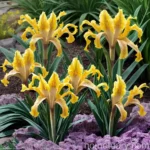
Tall Bearded Reblooming Iris (Iris ‘Clarence’): A Complete Guide
The tall bearded reblooming iris, also known as Iris ‘Clarence’, is a stunning flowering plant that captivates the hearts of many gardening enthusiasts. Its vibrant colors, delicate structure, and remarkable ability to bloom multiple times a year make it a highly sought-after addition to gardens and landscapes. In this comprehensive guide, we will explore the intriguing world of tall bearded reblooming irises, focusing specifically on the captivating Iris ‘Clarence’ variety. From its origins to its care requirements and propagation techniques, we will delve into every aspect of this exceptional plant.
What is the Tall Bearded Reblooming Iris (Iris ‘Clarence’)?
The tall bearded iris, scientifically known as Iris germanica, is a perennial flowering plant that belongs to the Iridaceae family. It is esteemed for its tall, elegant flower spikes adorned with intricately patterned blooms. The term “tall bearded” refers to the characteristic beard-like fuzz found on the lower petals of the flowers. One of the most remarkable features of the tall bearded iris, including the ‘Clarence’ variety, is its ability to rebloom, offering a prolonged and enchanting display of color in the garden.
Key Takeaways – Tall Bearded Reblooming Iris (Iris ‘Clarence’)
Before delving into the specifics of Iris ‘Clarence’, let’s outline the key takeaways that will be addressed in this comprehensive guide:
- Iris ‘Clarence’ Characteristics
- Cultural Requirements
- Water
- Sunlight
- Fertilizer
- Soil
- Pruning
- Propagation
- Container
- Uses
- Popularity and Common Varieties
- Common Diseases and Pest Management
- Botanist’s Tips
- Fun Facts
- External Resources
Now, let’s embark on a journey to explore the captivating world of the tall bearded reblooming iris, with a special focus on the enchanting Iris ‘Clarence’.
Iris ‘Clarence’ Characteristics
Iris ‘Clarence’ is a hybrid tall bearded iris variety cherished for its exceptional attributes and exquisite appearance. Let’s delve into its key characteristics:
-
Bloom Time: Iris ‘Clarence’ typically blooms in late spring to early summer, offering a dazzling display of color during this period. However, what sets it apart is its remarkable ability to rebloom, providing an additional flourish of flowers later in the season, often in late summer or early fall.
-
Color: The flowers of Iris ‘Clarence’ are renowned for their striking coloration. They typically feature a radiant blend of lavender and white, creating a captivating and delicate spectacle in any garden or landscape.
-
Hybrid History: Iris ‘Clarence’ is a product of meticulous hybridization, blending the finest traits of various iris species. Its breeding history contributes to its unique coloration, form, and reblooming capabilities.
-
Fragrance: While not all iris varieties are known for their fragrance, Iris ‘Clarence’ is revered for its subtle yet delightful scent, adding a sensory dimension to its allure.
-
Growth Habit: The plant exhibits a robust and upright growth habit, with tall, sturdy stems that support the exquisite blooms. Its vigorous growth and elegant stature make it a standout feature in any garden setting.
-
Petal Structure: The petals of Iris ‘Clarence’ are intricately designed, with a velvety texture and distinct veining that enhances its visual appeal. This unique petal structure adds to the plant’s overall charm and charisma.
Now that we have familiarized ourselves with the captivating characteristics of Iris ‘Clarence’, let’s move on to the cultural requirements for successfully cultivating and nurturing this remarkable plant.
Cultural Requirements
Water
Proper watering is crucial for the health and vitality of Iris ‘Clarence’. Understanding its water requirements and implementing appropriate irrigation practices is essential for promoting robust growth and prolific blooming. Here are key considerations for watering Iris ‘Clarence’:
-
Regular Moisture: Irises thrive when provided with consistent moisture, especially during the active growing season and flowering periods. Adequate watering helps prevent the soil from drying out excessively, promoting healthy root development and floral abundance.
-
Avoid Waterlogging: While sufficient moisture is essential, it is equally important to prevent waterlogging, which can lead to root rot and other moisture-related issues. Ensure that the soil has proper drainage to prevent water accumulation around the roots.
-
Irrigation Quality: When watering Iris ‘Clarence’, utilize high-quality water that is free from contaminants and excessive salts. Irrigating with clean water supports the plant’s overall well-being, reducing the risk of stress and susceptibility to diseases.
Sunlight
Like many flowering plants, the tall bearded reblooming iris, including Iris ‘Clarence’, has specific sunlight requirements to thrive and showcase its floral splendor. Understanding its needs for sunlight exposure is essential for achieving optimal growth and blooming. Here’s what you need to know about providing the right amount of sunlight for Iris ‘Clarence’:
-
Full Sun: Iris ‘Clarence’ flourishes in bright, sunny locations that receive ample direct sunlight. Providing at least 6 to 8 hours of sunlight daily ensures robust growth and abundant flowering. Choose a planting site that offers maximum sunlight exposure, especially during the active growing season.
-
Shelter from Harsh Afternoon Sun: While Iris ‘Clarence’ benefits from full sun, it is important to shield it from intense, direct afternoon sunlight, especially in regions with scorching summers. Planting it in a location where it receives morning sun and partial shade in the afternoon can prevent sun damage and dehydration.
-
Sun-Enhanced Bloom Quality: Adequate sunlight exposure contributes to the vibrancy and longevity of the blooms, enhancing the intensity of Iris ‘Clarence’s captivating coloration and overall visual appeal.
Fertilizer
Proper fertilization is essential for promoting robust growth, vibrant blooms, and overall plant health in Iris ‘Clarence’. Understanding its fertilizer requirements and implementing an appropriate feeding regimen is crucial for cultivating flourishing specimens. Consider the following guidelines for fertilizing Iris ‘Clarence’:
-
Balanced Fertilizer: Use a balanced, slow-release fertilizer formulated for flowering perennials or specifically for irises. These fertilizers provide essential nutrients, promoting vigorous growth and prolific blooming.
-
Application Timing: Apply fertilizer to Iris ‘Clarence’ in early spring, just before the active growing season commences. Additionally, a light application of fertilizer after the first bloom cycle can support the development of new flowering stems for the subsequent bloom period.
-
Avoid Excessive Nitrogen: While irises benefit from fertilizer, it is important to avoid excessive nitrogen, which can promote lush foliage at the expense of floral production. Select a fertilizer with a balanced N-P-K ratio to provide comprehensive nutrition without encouraging excessive vegetative growth.
-
Organic Options: Consider incorporating organic fertilizers, such as compost or well-aged manure, into the soil around Iris ‘Clarence’. Organic amendments enrich the soil, enhancing its fertility and supporting the long-term health of the plant.
Soil
The soil composition plays a pivotal role in the growth, blooming, and overall vitality of Iris ‘Clarence’. Understanding its soil preferences and ensuring a suitable growing medium is essential for cultivating thriving specimens. Here are key considerations for the soil requirements of Iris ‘Clarence’:
-
Well-Draining Soil: Irises, including Iris ‘Clarence’, thrive in well-draining soil that prevents water accumulation around the roots. Incorporate organic matter, such as compost or peat moss, into the soil to improve its drainage and texture.
-
pH Level: Irises prefer slightly acidic to neutral soil with a pH range of 6.8 to 7.0. Conduct a soil test to determine the pH of the planting site and make necessary amendments to achieve the ideal pH for Iris ‘Clarence’.
-
Loose, Fertile Soil: The ideal soil for Iris ‘Clarence’ is loose, fertile, and rich in organic matter. Amending the soil with compost or well-rotted manure enhances its nutrient content and structure, providing an optimal environment for root development and overall plant vigor.
Pruning
Pruning plays a crucial role in maintaining the health, vigor, and aesthetic appeal of Iris ‘Clarence’. Implementing proper pruning techniques is essential for managing spent blooms, controlling shape and size, and promoting the plant’s overall well-being. Consider the following guidelines for pruning Iris ‘Clarence’:
-
Deadheading: Regular deadheading, which involves removing spent flowers, is essential for promoting continuous blooming and preventing seed formation. Deadheading directs the plant’s energy towards new growth and future flower production, enhancing the overall floral display.
-
Trimming Foliage: After the blooming period, lightly trim back the foliage of Iris ‘Clarence’ to tidy up the plant and maintain its appearance. Remove any withered or yellowing leaves to promote fresh growth and prevent disease development.
-
Division: Periodic division of iris rhizomes is beneficial for rejuvenating the plant, preventing overcrowding, and promoting vigorous growth and blooming. Divide Iris ‘Clarence’ every few years to maintain its vitality and floral abundance.
Propagation
Container
Propagating Iris ‘Clarence’ in containers can be an engaging and rewarding endeavor, allowing gardeners to expand their iris collection and enjoy the unique beauty of this exceptional variety. Let’s explore the steps for successfully propagating Iris ‘Clarence’ in containers:
-
Selecting Containers: Choose well-draining containers with adequate depth to accommodate the iris rhizomes and promote healthy root development. Ensure that the containers have drainage holes to prevent waterlogging.
-
Planting Medium: Fill the containers with a well-draining planting mix formulated for perennials or create a blend of potting soil, perlite, and coarse sand to provide optimal growing conditions for Iris ‘Clarence’.
-
Rhizome Placement: Position the iris rhizomes in the containers, ensuring that the top of the rhizome is at soil level. Avoid burying the rhizomes too deeply, as this can impede their growth and flowering potential.
-
Watering and Care: Provide adequate moisture to the planted rhizomes, keeping the soil consistently moist but not waterlogged. Place the containers in a sunny location and monitor their growth and development.
-
Reblooming in Containers: With proper care and attention to sunlight, water, and fertilization, Iris ‘Clarence’ can thrive and rebloom successfully in containers, showcasing its captivating blooms in a portable garden setting.
Now that we have explored the cultural requirements and propagation techniques for Iris ‘Clarence’, let’s turn our attention to its diverse uses and the popularity it enjoys among gardening enthusiasts.
Uses
The versatile nature of Iris ‘Clarence’ makes it an exceptional addition to various garden settings, contributing to the aesthetic appeal and overall charm of outdoor spaces. Let’s explore the diverse uses of this captivating tall bearded reblooming iris:
-
Garden Borders: Iris ‘Clarence’ serves as a striking perennial border plant, adding vertical interest and vivid coloration to garden beds and borders. Its tall flower spikes create an eye-catching display, especially when planted in groups or clusters.
-
Cottage Gardens: The enchanting charm and graceful presence of Iris ‘Clarence’ make it well-suited for cottage gardens and informal landscapes. Its delicate blooms harmonize with a diverse array of companion plants, contributing to a picturesque and inviting garden setting.
-
Container Planting: Iris ‘Clarence’ thrives in containers, creating portable displays of beauty on patios, balconies, and other outdoor areas. Planted in appropriately sized containers with well-draining soil, it adds elegance and floral allure to container gardens.
-
Cut Flower Arrangements: The captivating blooms of Iris ‘Clarence’ are highly prized for their use in cut flower arrangements. The exquisite flowers make stunning additions to floral compositions, bringing their unique charm and captivating coloration indoors.
-
Landscape Focal Points: Planted as standalone specimens or focal points within a landscape, Iris ‘Clarence’ commands attention with its striking floral display and elegant growth habit. It serves as a captivating centerpiece in garden designs, drawing the eye and instilling a sense of natural splendor.
Now that we have explored the diverse uses and applications of Iris ‘Clarence’, it’s essential to understand the populace and common varieties that have captured the attention of gardening enthusiasts worldwide.
Popularity and Common Varieties
Tall bearded reblooming irises have gained widespread popularity among gardening enthusiasts and landscape designers, drawing attention for their exceptional attributes and remarkable floral displays. Within this esteemed group, certain varieties have risen to prominence, garnering admiration for their distinctive characteristics and captivating beauty. Here are some common varieties related to Iris ‘Clarence’:
-
‘Clarence’: Iris ‘Clarence’ stands out as a highly prized tall bearded iris renowned for its captivating lavender and white blooms, robust growth habit, and remarkable reblooming capabilities. Its popularity stems from its unique attributes and exceptional floral display.
-
‘Immortality’: Renowned for its pure white blooms and alluring fragrance, ‘Immortality’ is a popular reblooming iris variety that captivates with its timeless beauty and captivating presence in the garden.
-
‘Raspberry Blush’: Embraced for its striking raspberry-pink blooms and elegantly ruffled petals, ‘Raspberry Blush’ stands as a sought-after tall bearded iris variety, adding vibrant color and captivating allure to garden landscapes.
-
‘Harvest of Memories’: This celebrated variety captivates with its warm golden-yellow blooms and vigorous growth, contributing a radiant and cheerful presence to garden beds and borders.
-
‘Final Episode’: Known for its dramatic deep purple and blue blooms, ‘Final Episode’ captures attention with its rich coloration and commanding floral display, making it a noteworthy tall bearded iris variety.
It’s evident that Iris ‘Clarence’ holds a special place among the distinguished tall bearded reblooming iris varieties, captivating the hearts of gardening enthusiasts with its exquisite flowers and remarkable reblooming capabilities.
Common Diseases and Pest Management
Effectively managing diseases and pests is essential for maintaining the health and vitality of Iris ‘Clarence’ and ensuring its continuous floral abundance. By recognizing common issues and implementing proactive measures, gardeners can safeguard the plant’s well-being and promote optimal growth. Let’s explore the common diseases and pests that can affect Iris ‘Clarence’ and the strategies for their management:
Disease Diagnosis
-
Leaf Spot: Leaf spot, caused by fungal pathogens, can manifest as dark, irregular spots on the foliage of Iris ‘Clarence’. Ensure proper air circulation, remove infected plant debris, and consider fungicidal treatments to manage and prevent leaf spot.
-
Soft Rot: Soft rot, characterized by mushy, decaying tissue, can affect iris rhizomes, especially in waterlogged or poorly drained soil. Improve soil drainage, avoid overwatering, and remove affected rhizomes to prevent the spread of the disease.
-
Bacterial Leaf Blight: Bacterial leaf blight, evidenced by water-soaked lesions on the foliage, can impact the health of Iris ‘Clarence’. Implement proper sanitation, avoid overhead watering, and consider copper-based treatments to manage bacterial leaf blight.
-
Viral Diseases: Various viral diseases can affect irises, leading to stunted growth, distorted foliage, and reduced vigor. Control vectors, such as aphids and thrips, to minimize the spread of viral diseases and maintain the health of Iris ‘Clarence’.
Common Pests
-
Aphids: Aphids, small sap-sucking insects, can infest iris plants, causing distorted growth and honeydew secretion. Employ natural predators, such as ladybugs, and consider insecticidal soap to manage aphid populations and prevent damage to Iris ‘Clarence’.
-
Thrips: Thrips, tiny insects that pierce plant tissue and feed on cell contents, can affect iris blooms, leading to browning and distortion. Implement cultural practices to reduce thrips populations and consider the use of insecticidal treatments if necessary.
-
Snails and Slugs: These mollusks can feed on iris foliage and blooms, leaving behind ragged edges and holes. Employ physical barriers, such as copper tape, and consider organic control methods to manage snails and slugs and protect Iris ‘Clarence’ from damage.
By remaining vigilant and implementing proactive measures, gardeners can effectively manage common diseases and pests, safeguarding the health and beauty of Iris ‘Clarence’ and ensuring its continuous floral splendor.
Botanist’s Tips
Aspiring to cultivate thriving and flourishing specimens of Iris ‘Clarence’ requires attentive care and an understanding of its unique needs. By incorporating the following botanist’s tips into your gardening practices, you can enhance the growth, floral abundance, and overall vitality of this remarkable tall bearded reblooming iris variety:
-
Soil Preparation: Prior to planting, prepare the soil by incorporating organic matter and ensuring proper drainage to create an optimal growing environment for Iris ‘Clarence’.
-
Mulching: Apply a layer of organic mulch, such as shredded bark or compost, around the base of the plants to conserve moisture, suppress weeds, and insulate the soil, supporting the health and vigor of Iris ‘Clarence’.
-
Division Timing: Schedule the division of iris rhizomes for late summer or early fall, allowing ample time for the plants to establish new roots before the onset of winter dormancy.
-
Reblooming Encouragement: To promote continuous blooming, deadhead spent flowers promptly, providing ample moisture and nutrients, and ensuring the plants receive adequate sunlight during the growing season.
-
Disease Prevention: Emphasize disease prevention by practicing good sanitation, providing proper air circulation, and promptly addressing any signs of disease to maintain the health and resilience of Iris ‘Clarence’.
By incorporating these botanist’s tips into your iris cultivation endeavors, you can cultivate thriving and flourishing specimens of Iris ‘Clarence’, unlocking its full potential and enjoying its captivating beauty to the fullest.
Fun Facts
Uncovering the fascinating aspects and anecdotes associated with Iris ‘Clarence’ adds an element of intrigue and appreciation for this exceptional tall bearded reblooming iris variety. Here are some fun facts that illuminate the unique allure of Iris ‘Clarence’:
-
Named after Royalty: The ‘Clarence’ in the plant’s name pays homage to British royalty, drawing inspiration from the historical significance and noble heritage associated with the name.
-
Victorian Symbolism: Iris flowers, including those of ‘Clarence’, have been associated with various symbolic meanings, such as wisdom, faith, and eloquence, adding a layer of depth and significance to their presence in gardens.
-
Artistic Inspiration: The captivating form and coloration of Iris ‘Clarence’ have inspired artists and creatives, finding their representation in paintings, poetry, and other forms of artistic expression.
-
Cultural Significance: Irises have held cultural and religious significance in various civilizations, contributing to their enduring appeal and symbolism across different cultures and historical periods.
-
Botanical Elegance: Appreciated for their botanical elegance, irises have been celebrated in botanical gardens and exhibitions, captivating audiences with their exquisite blooms and remarkable characteristics.
Exploring these fun facts sheds light on the rich history, cultural significance, and enduring allure of Iris ‘Clarence’, enriching our understanding and appreciation for this exceptional tall bearded reblooming iris variety.
Links to External Resources
For further exploration and in-depth information on tall bearded reblooming ir