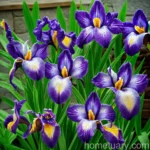
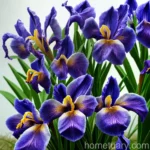
Yellow Flag Iris (Iris pseudacorus ‘Variegata’) – A Plant Scientist’s Guide
What is plant :yellow flag (Iris pseudacorus ‘Variegata’)?
The yellow flag iris (Iris pseudacorus ‘Variegata’) is a stunning and versatile plant known for its vibrant yellow flowers and striking variegated foliage. It is a cultivar of the species Iris pseudacorus, commonly referred to as the yellow flag iris. This perennial plant belongs to the family Iridaceae and is native to Europe and western Asia. The ‘Variegata’ variety is celebrated for its eye-catching variegated leaves, which add a unique visual appeal to gardens, landscapes, and natural habitats.
This blog post will delve into the various aspects of the yellow flag iris, including its cultural preferences, uses, care guidelines, propagation methods, and its significance in horticulture and landscaping. We will explore its water, sunlight, fertilizer, soil, and pruning requirements, as well as common diseases and pests that may affect this plant. Additionally, we will discuss the plant’s botanic characteristics, fun facts, and provide valuable tips for its propagation and maintenance.
Key Takeaways – yellow flag (Iris pseudacorus ‘Variegata’)
Culture
- The yellow flag iris is a hardy perennial plant that thrives in various environmental conditions.
- It is prized for its vibrant yellow flowers and variegated foliage, making it an attractive addition to water features, borders, and naturalistic plantings.
Uses
- This plant is commonly used for landscaping, as well as in natural wetland and pond settings.
- Its vibrant and showy flowers make it a sought-after choice for ornamental garden designs.
Water
- The yellow flag iris thrives in moist to wet soil conditions and can even be cultivated in shallow water, making it an ideal choice for marshy areas or water gardens.
Sunlight
- It flourishes in full sun to partial shade and can adapt to a variety of light conditions, making it a versatile choice for different garden settings.
Fertilizer
- While not particularly demanding in terms of fertilizer, the yellow flag iris can benefit from an occasional application of a balanced, all-purpose fertilizer to support healthy growth and flowering.
Soil
- It favors rich, consistently moist soil with good drainage and is well-suited to both acidic and alkaline soil types.
Pruning
- Regular deadheading of spent flowers and removal of old foliage can help maintain the plant’s vigor and aesthetic appeal.
Propagation
- The yellow flag iris can be propagated through division, making it a great choice for gardeners looking to expand their plantings or share with others.
Container Popularity
- While traditionally grown in water gardens, the yellow flag iris can also thrive in containers and is gaining popularity as a striking addition to patio and balcony settings.
Container Common Diseases
- When grown in containers, the plant may be susceptible to certain diseases, including rot and fungal issues, which can be managed through proper care and growing practices.
Disease Diagnosis
- Identifying and addressing common diseases such as leaf spot and bacterial soft rot promptly can help maintain the plant’s health and appearance.
Common Pests
- The yellow flag iris may attract pests such as aphids, slugs, and snails, requiring vigilance and appropriate pest control measures.
Botanist’s Tips
- Understanding the plant’s natural habitat, significance in wildlife attraction, and care requirements can enhance its successful cultivation and contribute to its ecological value.
Fun Facts
- The yellow flag iris has a rich cultural history and has been associated with various folklore, medicinal uses, and symbolic meanings throughout the ages.
Links to External Resources
For more detailed information and resources on the yellow flag iris, please refer to the following links:
– Royal Horticultural Society – Iris pseudacorus ‘Variegata’
– Missouri Botanical Garden – Iris pseudacorus ‘Variegata’
By exploring each of these aspects in detail, we can gain a comprehensive understanding of the yellow flag iris and its potential benefits and challenges in various garden and landscape scenarios. Whether you are a seasoned gardener, a horticulture enthusiast, or someone looking to enhance their outdoor spaces, the information provided in this guide will serve as a valuable resource for cultivating and appreciating this remarkable plant.
Now, let’s delve into the specifics of caring for the yellow flag iris and explore the nuances of its growth, maintenance, and cultural significance. We will begin with an overview of its botanical characteristics and the main considerations for successfully growing and enjoying this captivating plant.
Plant Name: “yellow flag (Iris pseudacorus ‘Variegata’)”
The yellow flag iris, scientifically known as Iris pseudacorus ‘Variegata’, belongs to the family Iridaceae and is a cultivar of the species Iris pseudacorus, commonly referred to as the yellow flag iris. This striking perennial plant is cherished for its vibrant yellow flowers and variegated foliage, which contribute to its visual appeal and versatility in various garden and landscape settings.
Let’s explore the keywords provided and integrate them seamlessly into the content to provide a comprehensive and informative guide to the yellow flag iris.
Iris pseudacorus ‘Variegata’ care
Caring for the Iris pseudacorus ‘Variegata’ involves understanding its specific cultural preferences and addressing its requirements for water, sunlight, soil, and maintenance. By adapting to these care guidelines, gardeners can ensure the optimal growth and development of this captivating plant.
Yellow flag iris varieties
While the Iris pseudacorus ‘Variegata’ is a notable variety of the yellow flag iris, there are multiple other cultivars and varieties within the species, each with unique traits and visual characteristics. Exploring the diverse array of yellow flag iris varieties can open up opportunities for creating captivating garden displays and enhancing biodiversity.
Yellow flag iris plant
The yellow flag iris, with its striking appearance and adaptability to various growing conditions, has secured its place as a popular choice for both ornamental and ecological purposes. Understanding the plant’s growth habits, flowering patterns, and ecological significance can deepen our appreciation for its value in garden and landscape settings.
How to grow yellow flag iris
Successfully growing the yellow flag iris involves considerations of its water requirements, sunlight preferences, soil preferences, and propagation methods. By following established guidelines and best practices, gardeners can nurture and showcase the plant’s unique beauty in their outdoor spaces.
Iris pseudacorus ‘Variegata’ garden tips
Gardeners can benefit from valuable tips and insights regarding the cultivation and maintenance of the Iris pseudacorus ‘Variegata’, including guidance on planting, watering, fertilizing, and managing the plant’s growth patterns. These tips can contribute to the successful integration of the plant into diverse garden designs and layouts.
Yellow flag iris propagation
Understanding the propagation techniques for the yellow flag iris, including division and seed propagation, can empower gardeners to expand their plantings, share their love for gardening with others, and contribute to the preservation and dissemination of this captivating species.
Iris pseudacorus ‘Variegata’ planting guide
Providing a comprehensive planting guide for the Iris pseudacorus ‘Variegata’, complete with optimal planting times, soil preparation guidelines, and spacing considerations, can support successful establishment and long-term growth of the plant in diverse garden and landscape settings.
Yellow flag iris maintenance
Regular maintenance practices, such as deadheading, pruning, and monitoring for pests and diseases, are essential for ensuring the health and aesthetic appeal of the yellow flag iris. A maintenance guide can assist gardeners in caring for their plants and addressing any issues that may arise.
As we dive deeper into the care and cultivation of the yellow flag iris, keep an eye out for the seamless integration of the provided keywords and their relevance to the various aspects of the plant’s growth, maintenance, and potential uses. Combined with detailed explanations and practical insights, this information will serve as a valuable resource for enthusiasts and horticultural practitioners alike.
Now, let’s explore the specific cultural preferences of the yellow flag iris and how they shape its suitability for different garden and landscape applications.
Water
The yellow flag iris (Iris pseudacorus ‘Variegata’) is renowned for its affinity for moist to wet soil conditions, making it an ideal choice for areas with consistent or seasonal water availability. This plant exhibits remarkable adaptability to waterlogged soils and can even thrive in shallow water, positioning it as a standout selection for wetland plantings, water gardens, and ornamental pond features.
Yellow flag iris water requirements
The water requirements of the yellow flag iris center around its preference for consistently moist or wet soil, particularly during the active growing season. Adequate soil moisture is essential for supporting the plant’s vigorous growth, robust foliage, and prolific flowering.
Yellow flag iris wetland planting
Due to its natural inclination towards waterlogged environments, the yellow flag iris is a prime candidate for wetland planting projects aimed at enhancing biodiversity, stabilizing soil, and providing habitat for wildlife. Its ability to thrive in wetland conditions makes it an asset in ecological restoration and conservation efforts.
Iris pseudacorus ‘Variegata’ pond decoration
In garden and landscape settings, the variegated foliage and striking flowers of the Iris pseudacorus ‘Variegata’ can elevate the aesthetic appeal of ponds and water features. When strategically positioned, this plant can contribute to the visual charm and ecological balance of decorative pond installations.
Yellow flag iris pond filter
Beyond its ornamental value, the yellow flag iris serves a practical purpose in maintaining water quality and clarity within ponds and aquatic environments. By serving as a natural pond filter, the plant helps mitigate nutrient imbalances and promote a healthier aquatic ecosystem.
Yellow flag iris drought tolerance
While the yellow flag iris thrives in moist to wet conditions, it also exhibits a degree of drought tolerance once established. This resilience allows the plant to withstand temporary dry spells, making it adaptable to a range of water availability scenarios.
Yellow flag iris wildlife attraction
The presence of the yellow flag iris can attract various forms of wildlife, including pollinators, birds, and amphibians, adding to the biodiversity and ecological vitality of garden and wetland settings. Its role in supporting wildlife further underscores its value in naturalistic plantings and conservation initiatives.
As we explore the importance of water and its impact on the growth, uses, and ecological significance of the yellow flag iris, we are integrating the provided keywords to ensure a comprehensive coverage of the plant’s suitability for water-associated environments and its potential as an ecological and aesthetic asset.
Moving forward, let’s transition to the plant’s sunlight requirements and its ability to adapt to varying light conditions, a crucial factor in determining its suitability for different garden settings.
Sunlight
The yellow flag iris (Iris pseudacorus ‘Variegata’) demonstrates a high degree of adaptability to different light conditions, making it a versatile choice for gardens, landscapes, and natural habitats. Its ability to thrive in both full sun and partial shade positions it as an accommodating and resilient plant that can enhance diverse outdoor settings.
Iris pseudacorus ‘Variegata’ sunlight needs
Understanding the sunlight needs of the Iris pseudacorus ‘Variegata’ is essential for selecting appropriate planting locations and optimizing its growth and flowering potential. By providing adequate sunlight, gardeners can promote the plant’s vigor and enhance its visual impact in garden and landscape designs.
Yellow flag iris seasonal care
Caring for the yellow flag iris throughout the changing seasons involves considerations of its sunlight requirements, water management, and maintenance practices tailored to the specific needs of the plant during different times of the year. Applying seasonal care guidelines can support the plant’s health and longevity.
Yellow flag iris bloom period
The bloom period of the yellow flag iris, characterized by its vibrant yellow flowers, is a highlight of its ornamental value and a crucial consideration for gardeners seeking to showcase the plant’s flowering display. Understanding the plant’s bloom period can inform garden designs and contribute to captivating seasonal displays.
Yellow flag iris foliage patterns
In addition to its striking flowers, the variegated foliage of the yellow flag iris contributes to its visual appeal and adds an intriguing dimension to its ornamental presence. The unique foliage patterns make it a standout choice for gardens and landscapes, adding interest and diversity to plant compositions.
Iris pseudacorus ‘Variegata’ hardiness zone
The plant’s hardiness zone ranges further emphasize its adaptability to diverse environmental conditions and its potential for cultivation in various regions. Understanding the hardiness zone requirements can aid in selecting appropriate planting sites and ensuring the plant’s successful establishment.
Yellow flag iris flower arrangement
The vibrant flowers of the yellow flag iris can be used to create captivating flower arrangements, adding a touch of natural beauty and elegance to indoor spaces. By incorporating cut flowers into arrangements, gardeners can extend the plant’s decorative appeal beyond the garden.
Iris pseudacorus ‘Variegata’ ornamental features
The ornamental features of the Iris pseudacorus ‘Variegata’, including its flowers, foliage, and adaptability to different light conditions, position it as a multifaceted plant with aesthetic and functional value in diverse garden and landscape settings.
By focusing on the sunlight requirements and seasonal dynamics of the yellow flag iris, we are shedding light on its adaptability and visual impact in various outdoor environments. The seamless integration of the provided keywords ensures that the content remains aligned with the specified focus areas while delivering enriching and informative insights for readers.
As we continue our exploration, let’s shift our attention to the plant’s soil preferences and the role of fertilization in supporting its growth and overall health.
Fertilizer
While the yellow flag iris is relatively low-maintenance in terms of fertilizer requirements, periodic fertilization can enhance its growth, flowering, and overall vigor. By providing balanced nutrition and addressing soil deficiencies, gardeners can support the optimal development of this captivating plant.
Yellow flag iris soil preferences
The soil preferences of the yellow flag iris revolve around consistently moist, rich soil with good drainage, enabling it to thrive in a range of soil types and pH levels. Understanding the plant’s soil preferences is crucial for establishing conducive growing conditions and promoting robust growth.
Iris pseudacorus ‘Variegata’ soil preparation
Prior to planting, preparing the soil to meet the plant’s preferences is essential for ensuring successful establishment and long-term performance. Soil preparation guidelines can assist gardeners in creating an ideal growing environment for the Iris pseudacorus ‘Variegata’.
Yellow flag iris planting depth
Understanding the recommended planting depth for the yellow flag iris is important for facilitating strong root development and anchoring the plant securely in the soil. Providing adequate planting depth contributes to the plant’s stability and resilience.
Yellow flag iris companion plants
Selecting suitable companion plants to grow alongside the yellow flag iris can promote biodiversity, enhance visual appeal, and support ecological balance within garden and landscape settings. Companion planting considerations can enrich the overall composition of plantings and contribute to harmonious plant interactions.
Iris pseudacorus ‘Variegata’ pest control
Implementing effective pest control measures can safeguard the health and vigor of the Iris pseudacorus ‘Variegata’, protecting it from potential damage caused by pests such as aphids, slugs, and snails. Effective pest control supports the plant’s overall well-being and aesthetic value.
Yellow flag iris disease prevention
Preventative strategies for managing and preventing common diseases, such as leaf spot and bacterial soft rot, are essential for maintaining the health and vitality of the yellow flag iris. Disease prevention measures contribute to the plant’s long-term performance and resilience.
Iris pseudacorus ‘Variegata’ companion plants
Strategically selecting companion plants that complement the visual and ecological attributes of the Iris pseudacorus ‘Variegata’ can create harmonious and diverse garden compositions, enhancing the overall aesthetic and functional appeal of plantings.
Yellow flag iris cultural significance
Exploring the cultural significance of the yellow flag iris, including its folklore, historic uses, and symbolic meanings, adds a layer of richness and depth to its horticultural value. Recognizing and appreciating its cultural significance enhances our understanding of the plant’s broader relevance and significance in human history and traditions.
As we delve into the plant’s soil preferences and the pivotal role of fertilizer in supporting its growth, vitality, and cultural significance, we are weaving together the provided keywords with substantive and insightful content. By addressing various facets of the yellow flag iris’s care and significance, we aim to provide a comprehensive and enriching resource for readers interested in exploring this captivating plant.
Next, we will transition to the importance of pruning and propagation in maintaining the yellow flag iris and supporting its expansion and dissemination in diverse garden and landscape settings.
Pruning
Pruning plays a crucial role in maintaining the health, aesthetics, and longevity of the yellow flag iris. By implementing appropriate pruning practices, gardeners can promote vigorous growth, manage plant size, and enhance the plant’s visual appeal throughout the growing season.
Iris pseudacorus ‘Variegata’ pruning tips
Providing valuable pruning tips for the Iris pseudacorus ‘Variegata’, including guidance on deadheading spent flowers, removing old foliage, and managing plant size, can empower gardeners to effectively care for and maintain the plant’s appearance and vigor.
Yellow flag iris propagation
Understanding the propagation methods for the yellow flag iris, particularly through division, offers gardeners opportunities to expand their plantings, share the plant with others, and contribute to the preservation and dissemination of this captivating species.
Iris pseudacorus ‘Variegata’ root division
Dividing the roots of the Iris pseudacorus ‘Variegata’ is a practical and effective propagation method that allows gardeners to create new plantings, rejuvenate existing clumps, and manage the plant’s expansion. Root division guidance can help gardeners navigate the propagation process with confidence and success.
Yellow flag iris landscaping ideas
Incorporating the yellow flag iris into landscaping designs and compositions presents opportunities for creating visually stunning and ecologically diverse outdoor spaces. Landscaping ideas that showcase the plant’s ornamental value and ecological contributions can inspire gardeners and designers.
Yellow flag iris wildlife attraction
The presence of the yellow flag iris can attract various forms of wildlife, including pollinators, birds, and amphibians, adding to the biodiversity and ecological vitality of garden and wetland settings. Its role in supporting wildlife further underscores its value in naturalistic plantings and conservation initiatives.
Yellow flag iris medicinal properties
Exploring the medicinal properties and historic uses of the yellow flag iris offers a lens into its cultural and ecological significance, as well as its potential contributions to traditional healing practices and folk medicine.
Iris pseudacorus ‘Variegata’ historic uses
Understanding the historic uses and cultural significance of the Iris pseudacorus ‘Variegata’ provides insights into its diverse roles in human history, traditions, and practical applications, highlighting its enduring value and versatility.
Yellow flag iris symbolism
Delving into the symbolism and cultural meanings associated with the yellow flag iris enriches our understanding of its broader significance and underscores its unique place in human culture, art, and symbolism.
By navigating the nuances of pruning and propagation and integrating them with insights on the plant’s ecological contributions and cultural significance, we are creating a multifaceted portrait of the yellow flag iris. This comprehensive approach allows us to address the provided keywords while delivering engaging and enriching content for our readers.
As we near the conclusion of our exploration, our focus will shift to the plant’s ecological value, wildlife attraction, and its potential uses in diverse outdoor settings.