Tall Bearded Iris (Iris ‘Overjoyed’)
Tall bearded iris, scientifically known as Iris germanica, are a stunning and popular perennial plant that produces large, vividly colored blooms atop tall.
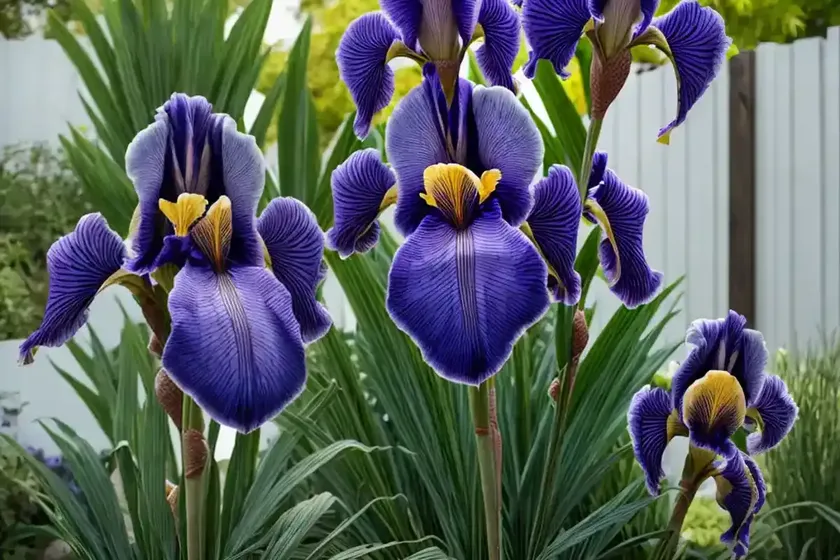
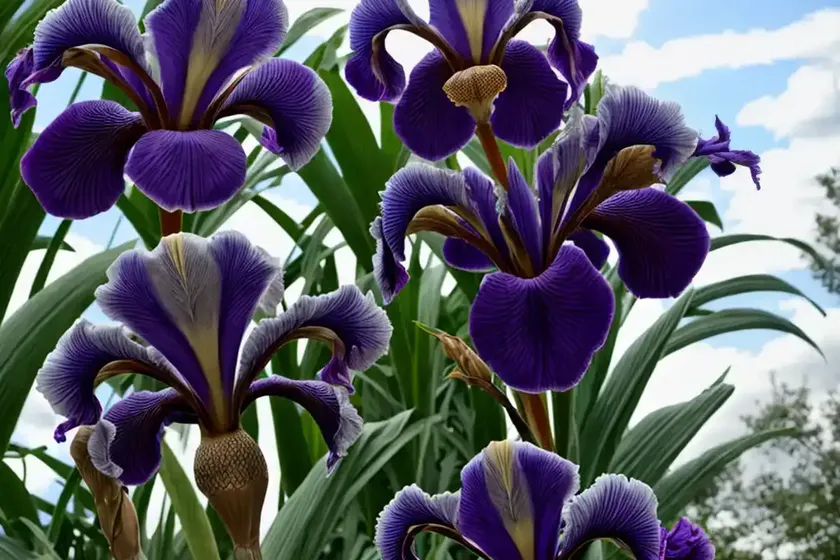
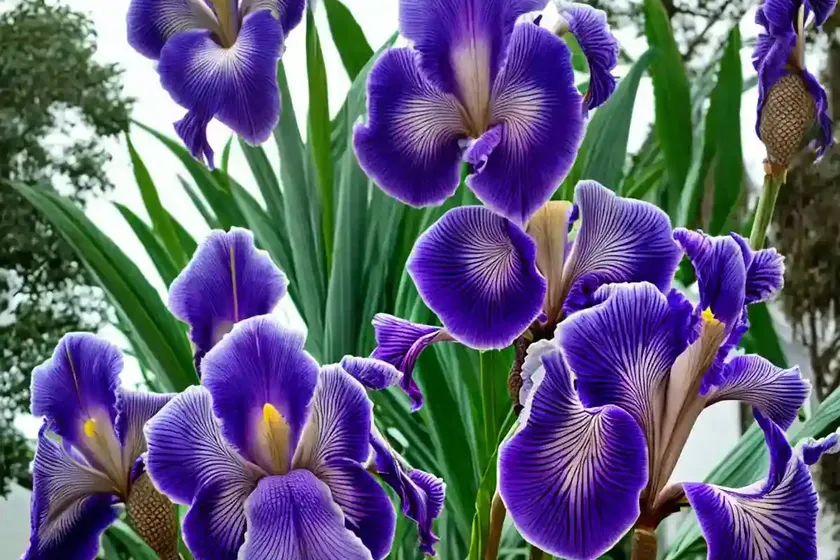
What is Plant: Tall Bearded Iris (Iris ‘Overjoyed’)
Tall bearded iris, scientifically known as Iris germanica, are a stunning and popular perennial plant that produces large, vividly colored blooms atop tall stems. ‘Overjoyed’ is a particular cultivar of tall bearded iris, sought after for its unique characteristics and beautiful flowers.
Key Takeaways – Tall Bearded Iris (Iris ‘Overjoyed’)
- Scientific Name: Iris germanica ‘Overjoyed’
- Common Name: Tall bearded iris
- Plant Type: Herbaceous perennial
- Mature Size: 30-40 inches tall and 18-24 inches wide
- Sun Exposure: Full sun
- Soil Type: Well-draining, fertile soil
- Bloom Time: Late spring to early summer
- Hardiness Zones: 3-9
- Special Features: Deer resistant, attracts butterflies
Now, let’s delve into the comprehensive care guide for the tall bearded iris ‘Overjoyed,’ covering its culture, uses, water and sunlight requirements, soil, fertilizer, pruning, propagation, container gardening, its popularity, common diseases, disease diagnosis, common pests, botanist’s tips, fun facts, and links to external resources.
Culture
Cultivating the tall bearded iris ‘Overjoyed’ can be a rewarding experience, but it requires attention to several key factors to ensure its optimal growth and stunning blooms.
Uses
- Garden Beds: Tall bearded iris ‘Overjoyed’ is commonly used in garden beds and borders, where its vibrant flowers can create eye-catching displays.
- Cut Flowers: The striking blooms of ‘Overjoyed’ make it a popular choice for cut flower arrangements and bouquets.
Water
Proper watering is crucial for the health and vigor of tall bearded irises. Here are some tips to keep in mind:
– Watering Frequency: Irises generally prefer moderate watering. Provide approximately 1 inch of water per week during the growing season, adjusting for natural rainfall.
– Watering Method: Irrigate at the base of the plants to keep the foliage dry and prevent rot or diseases.
Sunlight
- Sun Exposure: Irises thrive in full sun, requiring at least 6-8 hours of direct sunlight per day to bloom at their best.
- Shade Tolerance: While they prefer full sun, they can tolerate some light afternoon shade.
Fertilizer
Maintaining the fertility of the soil is essential for robust, healthy iris plants. Consider the following when fertilizing ‘Overjoyed’:
– Fertilizer Type: Use a balanced, all-purpose fertilizer or a specialized fertilizer formulated for flowering perennials.
– Application Time: Apply fertilizer in early spring as new growth emerges, and again after the first bloom cycle to support additional flower production.
Soil
Providing the right soil conditions is vital for the overall well-being of tall bearded irises:
– Quality: Well-draining soil is crucial to prevent waterlogging and root rot. Amending heavy soils with organic matter can improve drainage.
– pH Level: Irises prefer slightly acidic to neutral soil with a pH range of 6.8-7.0.
Pruning
Proper pruning promotes healthy growth and helps maintain the aesthetic appeal of tall bearded iris ‘Overjoyed’:
– Deadheading: Remove spent blooms promptly to encourage the plant to redirect its energy into developing new flowers or storing energy in the rhizome.
– Fall Clean-Up: Trim back the foliage to about 6 inches in late fall to tidy up the garden and reduce the risk of disease over winter.
Propagation
Expanding your iris collection through propagation can be an enjoyable and cost-effective endeavor:
– Division: Divide mature clumps of ‘Overjoyed’ every 3-5 years. Lift the rhizomes, discard any old, shriveled parts, and replant the healthy sections.
– Timing: Early summer is an ideal time for division, allowing the newly planted sections to establish before winter.
Container
Growing tall bearded iris ‘Overjoyed’ in containers can be a delightful option for those with limited garden space or those looking to showcase these stunning flowers on patios or balconies:
– Container Size: Choose a spacious container with a depth of at least 18 inches to accommodate the deep-rooting nature of irises.
– Potting Mix: Use a well-draining potting mix designed for perennials, and ensure the container has adequate drainage holes.
Popularity
Tall bearded irises are celebrated for their captivating beauty and versatility, which have contributed to their enduring popularity among garden enthusiasts:
– Gardeners’ Choice: ‘Overjoyed’ is a favored choice among iris enthusiasts for its unique coloring and impressive blooms.
– Horticultural Shows: The striking presence of tall bearded irises, including ‘Overjoyed,’ often earns them a place of honor in horticultural shows and exhibitions.
Common Diseases
While tall bearded irises like ‘Overjoyed’ are relatively hardy, they can be susceptible to certain diseases under unfavorable conditions. Understanding common diseases and their prevention is crucial for maintaining the health of these plants.
Disease Diagnosis
Identifying symptoms and signs of diseases in irises, including ‘Overjoyed,’ can aid in prompt treatment and management:
– Fungal Diseases: Watch for symptoms like leaf spots, rotting, or wilting, which can indicate fungal infections. Proper air circulation and watering practices can help prevent these issues.
– Bacterial Soft Rot: Moist, warm conditions can lead to bacterial soft rot. Discard affected plant parts and ensure proper drainage to reduce the risk.
Common Pests
Despite their resilience, tall bearded irises such as ‘Overjoyed’ can sometimes come under attack from various pests. Recognizing common pests and employing control measures is essential for protecting these plants.
Botanist’s Tips
Gleaning insights and tips from experienced botanists can provide valuable guidance for successfully growing and caring for tall bearded irises, particularly the ‘Overjoyed’ variety.
Fun Facts
Unveiling intriguing and lesser-known facts about tall bearded iris ‘Overjoyed’ can deepen one’s appreciation for these remarkable plants.
Links to External Resources
Explore further information on the care and cultivation of tall bearded iris ‘Overjoyed’ from the following reputable sources:
– American Iris Society
– The Royal Horticultural Society
– Missouri Botanical Garden
– University Extension Services
In conclusion, cultivating the tall bearded iris ‘Overjoyed’ can bring joy and beauty to any garden, provided that its specific cultural requirements are met. With the right care and attention, these remarkable plants can grace the garden with their stunning blooms and vibrant presence. Whether grown in traditional garden beds or showcased in containers, ‘Overjoyed’ is a splendid addition to any landscape, captivating all who behold its magnificence.
Remember, success in growing ‘Overjoyed’ and other tall bearded iris varieties lies in understanding and meeting their needs for water, sunlight, soil, and other essential elements, while also being watchful for potential diseases and pests. By fostering a healthy environment and providing proper care, you can enjoy the delightful rewards of these captivating plants year after year.
Happy gardening!
With the guidance provided here, your journey with tall bearded iris ‘Overjoyed’ is bound to be a flourishing and rewarding one. For additional insights and information on a variety of botanical topics, including plant care and cultivation, feel free to explore more articles and resources through our blog. Thank you for joining us on this exploration of the enchanting tall bearded iris ‘Overjoyed.’
Parsed in 0.015 seconds


