Syringa X Hyacinthiflora ‘Royal Purple’ (Early Flowering Lilac)
Syringa x hyacinthiflora ‘Royal Purple’, commonly known as the Early Flowering Lilac, is a captivating ornamental shrub that adds beauty and fragrance to.
Introduction
Syringa x hyacinthiflora ‘Royal Purple’, commonly known as the Early Flowering Lilac, is a captivating ornamental shrub that adds beauty and fragrance to gardens. In this comprehensive guide, we will delve into the culture, uses, care requirements, and the fascinating aspects of this distinct lilac variety.
Key Takeaways – Syringa x hyacinthiflora ‘Royal Purple’ (Early Flowering Lilac)
- Scientific Name: Syringa x hyacinthiflora ‘Royal Purple’
- Common Names: Early Flowering Lilac, Royal Purple Lilac
- Bloom Time: Early spring
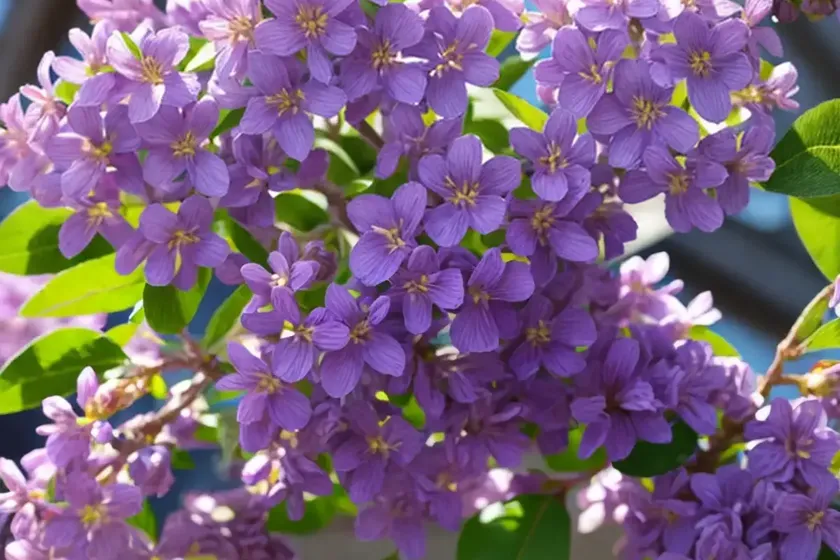
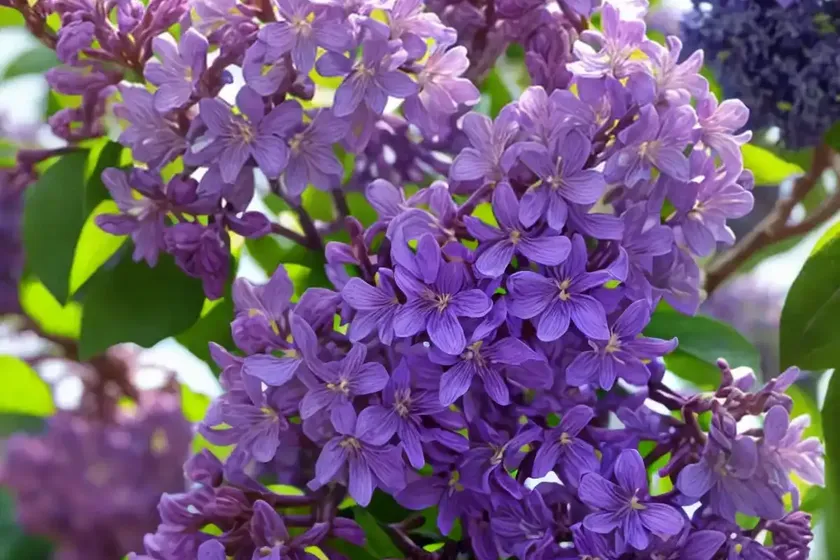
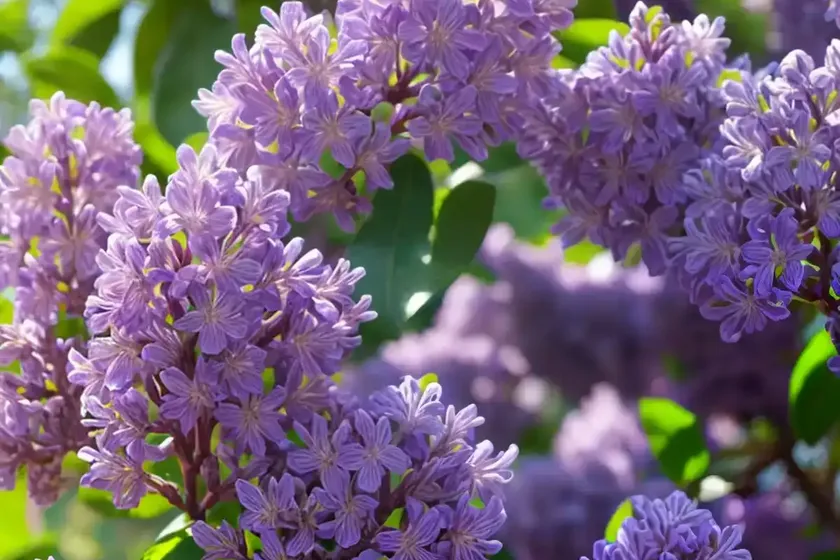
- Flower Color: Royal purple
- Growth Habit: Deciduous shrub
- USDA Hardiness Zones: 3-7
- Culture: Low maintenance, easy to grow
- Uses: Ornamental purposes, cut flowers, fragrant garden addition
Culture
Water
Early Flowering Lilacs have moderate water needs, preferring consistently moist, well-draining soil. While they can tolerate short periods of drought once established, it’s recommended to provide supplemental watering during extended dry spells.
Sunlight
These lilacs thrive in full sun to partial shade. Ideally, they should receive at least 6 hours of direct sunlight daily to promote robust growth and abundant flowering.
Fertilizer
In the early spring, before new growth emerges, a balanced fertilizer can be applied around the base of the shrub to provide essential nutrients. Slow-release fertilizers designed for flowering shrubs are also suitable for enhancing the lilac’s vigor and blooming potential.
Soil
Syringa x hyacinthiflora ‘Royal Purple’ prefers slightly alkaline to neutral soil with good drainage. Amending the soil with organic matter like compost can improve its structure and fertility, creating an optimal environment for the lilac to thrive.
Pruning
Pruning should be performed immediately after flowering to encourage new growth and maintain a tidy appearance. Remove spent blooms and any dead or crossing branches to promote airflow and reduce the risk of disease.
Propagation
‘Royal Purple’ Lilacs can be propagated through softwood cuttings taken from healthy, actively growing shoots in the early summer. These cuttings should be approximately 4-6 inches long and treated with a rooting hormone before being placed in a well-draining propagation mix.
Container Popularity
While Early Flowering Lilacs can be grown in containers, selecting a large and sturdy container is critical to accommodate the shrub’s root system as it matures. Additionally, regular watering and fertilizing are essential when cultivating them in containers to ensure they receive the necessary nutrients and moisture for healthy growth and blooming.
Common Diseases
Like other lilac varieties, Syringa x hyacinthiflora ‘Royal Purple’ can be susceptible to certain diseases, with powdery mildew and bacterial blight being among the most prevalent issues. Regular inspections and proper cultural practices can help minimize the risk of these diseases affecting the plant.
Disease Diagnosis
Identifying and diagnosing lilac diseases involve closely examining the foliage, flowers, and stems for any signs of discoloration, lesions, or abnormal growth. Seeking assistance from local horticultural extension services or experienced gardeners can aid in accurate disease diagnosis and implementing effective control measures.
Common Pests
Aphids, scale insects, and lilac borers are common pests that can target Early Flowering Lilacs. Regular monitoring and implementing integrated pest management strategies can help mitigate pest infestations and minimize damage to the shrubs.
Botanist’s Tips
-
Consider interspersing Early Flowering Lilacs with other spring-blooming perennials and bulbs to create visually appealing and dynamic garden displays.
-
Deadheading spent blooms not only promotes a neat appearance but also encourages the shrub to channel its energy into producing new growth and potential reblooming.
Fun Facts
-
Despite being part of the olive family (Oleaceae), lilacs are renowned for their aromatic, spring-blooming clusters of flowers.
-
The fragrance of Syringa x hyacinthiflora ‘Royal Purple’ is delightful and is an enticing feature that adds to its overall appeal.
Links to External Resources
To delve further into the world of Syringa x hyacinthiflora ‘Royal Purple’ and broaden your knowledge of this captivating lilac variety, consider exploring the following external resources:
– Royal Purple Lilac – University of Florida IFAS Extension
– Lilacs – Clemson Cooperative Extension
– The Royal Horticultural Society – Lilacs
Conclusion
Syringa x hyacinthiflora ‘Royal Purple’, with its early spring blooms and enchanting royal purple flowers, stands as an alluring addition to garden landscapes. Its low-maintenance nature and captivating fragrance make it a cherished ornamental plant. By understanding its culture, care requirements, and unique traits, you can fully appreciate and cultivate this remarkable lilac variety in your own garden.


