Syringa X Hyacinthiflora ‘Old Glory’ (Early Flowering Lilac)
Syringa x hyacinthiflora ‘Old Glory’, commonly known as the Early Flowering Lilac, is a delightful addition to any garden or landscape. This beautiful.
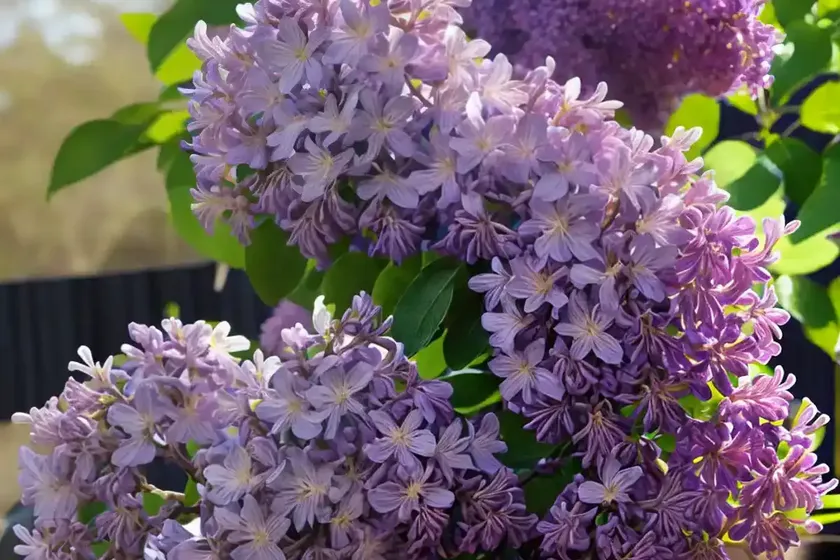
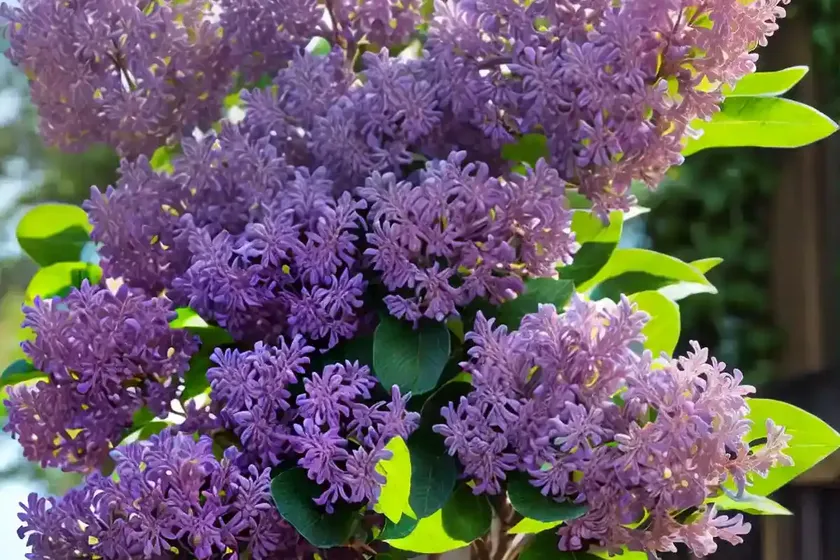
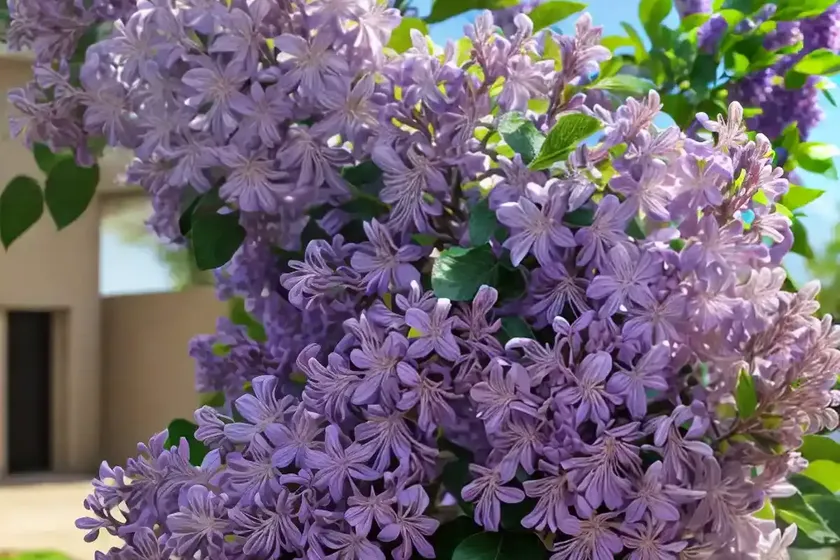
Syringa x hyacinthiflora ‘Old Glory’, commonly known as the Early Flowering Lilac, is a delightful addition to any garden or landscape. This beautiful lilac cultivar boasts an early bloom time, exquisite fragrance, and stunning visual appeal, making it a favorite among gardening enthusiasts. In this comprehensive guide, we’ll explore the unique characteristics of Syringa x hyacinthiflora ‘Old Glory’, its cultural requirements, uses, propagation techniques, and tips for successful cultivation. Whether you’re a seasoned gardener or a novice plant enthusiast, this article will provide valuable insights into the world of this captivating lilac variety.
Key Takeaways
Before delving deeper into the specifics of Syringa x hyacinthiflora ‘Old Glory’, let’s outline some key takeaways about this early flowering lilac:
- Early Bloom Time: The ‘Old Glory’ lilac is renowned for its early bloom time, typically gracing the garden with its enchanting flowers in the spring months.
- Fragrant Lilacs: One of the most alluring features of this cultivar is its captivating fragrance, which permeates the air and adds a delightful sensory dimension to any outdoor space.
- Cultural Versatility: ‘Old Glory’ lilacs are adaptable to a range of cultural conditions, making them suitable for various gardening situations and landscape designs.
- Attractive Foliage: In addition to its stunning flowers, Syringa x hyacinthiflora ‘Old Glory’ also exhibits attractive foliage, enhancing its ornamental value even when not in bloom.
- Low Maintenance: While requiring some care and attention, these lilacs are relatively low maintenance, offering rewarding results for minimal effort.
- Landscape Appeal: Whether used as standalone specimens, in group plantings, or as hedging, these lilacs contribute to the overall aesthetic appeal of a landscape, adding color, fragrance, and visual interest.
Now, with these key points in mind, let’s explore the finer details of caring for and appreciating Syringa x hyacinthiflora ‘Old Glory’.
Plant Profile
Common Name: Early Flowering Lilac
Scientific Name: Syringa x hyacinthiflora ‘Old Glory’
Plant Type: Deciduous Shrub
Mature Size: 8-12 ft in height and 6-10 ft in spread
Sun Exposure: Full sun to partial shade
Soil Type: Well-draining, loamy soil
Bloom Time: Early spring
USDA Hardiness Zones: 3-7
Culture
Cultivating Syringa x hyacinthiflora ‘Old Glory’ successfully requires an understanding of its cultural requirements, including aspects such as water, sunlight, soil, and fertilizer. By providing these essential elements, you can ensure that your Early Flowering Lilac thrives and flourishes to its full potential.
Water
Watering Requirements:
– While established lilacs are relatively drought-tolerant, consistent moisture is crucial during the initial establishment period and in periods of prolonged dryness.
– Water deeply when necessary, ensuring the soil is moist but not waterlogged.
Irrigation Tips:
– Apply water directly to the root zone to encourage deep, healthy root development.
– Mulching around the base of the shrub helps retain soil moisture and reduces water evaporation.
Sunlight
Light Needs:
– Syringa x hyacinthiflora ‘Old Glory’ thrives in full sun or partial shade.
– For optimal flower production, aim to provide at least 6 hours of direct sunlight daily.
Sun Exposure Tips:
– In regions with intense summer heat, providing some afternoon shade can help protect the shrub from excessive stress.
Fertilizer
Fertilization Guidelines:
– Prior to the growing season, apply a balanced, slow-release fertilizer formulated for flowering shrubs.
– Avoid excessive nitrogen, as this can promote lush foliage at the expense of flowering.
Feeding Schedule:
– Fertilize in early spring, just before new growth begins, and refrain from additional feeding unless growth or foliage color indicates nutrient deficiencies.
Soil
Soil Requirements:
– Well-draining, loamy soil is ideal for Syringa x hyacinthiflora ‘Old Glory’.
– Soil pH should be slightly acidic to neutral, in the range of 6.5 to 7.5.
Soil Amendments:
– Incorporating organic matter, such as compost or well-rotted manure, into the soil at planting can promote soil structure and fertility.
Pruning
Proper pruning is essential for maintaining the health, shape, and flowering performance of Syringa x hyacinthiflora ‘Old Glory’.
Pruning Time:
– Prune immediately after flowering to avoid cutting off next year’s flower buds.
– Early summer pruning can also be beneficial for shaping, removing dead wood, and promoting airflow within the shrub’s interior.
Techniques:
– Remove spent flowers to encourage reblooming and prevent seed formation.
– Avoid overzealous pruning, as excessive removal of branches can hinder future blooms.
Propagation
While Syringa x hyacinthiflora ‘Old Glory’ is most commonly propagated through stem cuttings, it can also be propagated via layering and division.
Propagation Methods:
– Stem Cuttings: Harvest semi-ripe cuttings in the summer, treat with rooting hormone, and root in a suitable propagation medium.
– Layering: Encourage the shrub to produce roots along a low branch by burying a section of the stem in the soil.
– Division: Divide mature plants during the dormant season, ensuring each division has sufficient roots and shoots for successful establishment.
Container Popularity
Gardening enthusiasts are increasingly recognizing the potential of growing Syringa x hyacinthiflora ‘Old Glory’ in containers, which offers several distinct advantages.
Container Benefits:
– Suitable for small spaces, urban gardens, and patios where in-ground planting may not be feasible.
– Provides an opportunity to enjoy the beauty and fragrance of lilacs in areas with less favorable soil or climatic conditions.
– Offers portability, allowing the shrub to be relocated to optimal sun exposure or protected during adverse weather.
Container Requirements:
– Select a large container with adequate drainage holes to accommodate the shrub’s root system.
– Use a well-draining potting mix enriched with organic matter to provide essential nutrients and moisture retention.
Common Diseases
While relatively resilient, Syringa x hyacinthiflora ‘Old Glory’ can be susceptible to a few common diseases, particularly under adverse growing conditions.
Disease Susceptibility:
– Powdery Mildew: Fungal disease that manifests as a white powdery coating on the leaves, usually in humid conditions.
– Bacterial Blight: Causes dark, sunken lesions on the leaves and can lead to defoliation if left untreated.
– Verticillium Wilt: Soil-borne pathogen that results in wilting, yellowing, and necrosis of foliage.
Preventative Measures:
– Plant in well-draining soil and provide adequate air circulation to reduce the risk of fungal diseases.
– Avoid overhead watering to minimize the opportunity for foliar diseases to take hold.
Common Pests
While generally resilient to pest pressures, Syringa x hyacinthiflora ‘Old Glory’ may attract a few insect pests that can impact its health and appearance.
Pest Identification:
– Lilac/Ash Borer: Larvae bore into the stems of the shrub, causing wilting and dieback of branches.
– Lilac Leafminer: Larvae tunnel through the leaves, resulting in unsightly, distorted foliage.
– Scale Insects: Sap-feeding insects that can weaken the shrub and excrete honeydew, promoting sooty mold growth.
Integrated Pest Management:
– Regularly inspect the shrub for signs of pest infestation, including wilting, leaf damage, or unusual markings.
– Implement cultural practices, such as proper pruning and sanitation, to minimize pest habitat and proliferation.
Botanist’s Tips
Enhancing Fragrance
- To amplify the fragrance of ‘Old Glory’ lilacs, consider planting them in proximity to outdoor seating areas, open windows, or along walkways where their scent can be readily enjoyed.
Companion Planting
- Pairing early blooming lilacs with late-blooming perennials and spring bulbs ensures a continuous display of flowers and foliage throughout the growing season.
Wildlife Attraction
- The fragrant flowers of Syringa x hyacinthiflora ‘Old Glory’ attract pollinators such as bees and butterflies, contributing to the diversity and ecological balance of the garden.
Pruning Technique
- When conducting post-flowering pruning, aim to remove a portion of the oldest branches each year to rejuvenate the shrub and stimulate new growth and flowering wood.
Fun Facts
- Lilacs are part of the olive family (Oleaceae) and include approximately 15 to 20 species, along with numerous hybrids and cultivars.
- The name ‘Syringa’ is derived from the Greek word for a hollow tube or pipe, referencing the pithy stems of some species.
- Lilacs are often associated with symbolisms such as love, remembrance, and the arrival of spring, making them popular choices for floral arrangements and bouquets year-round.
Links to External Resources
For further information on Syringa x hyacinthiflora ‘Old Glory’ and related gardening topics, consider exploring the following reliable resources:


