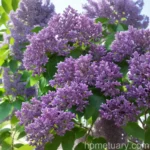
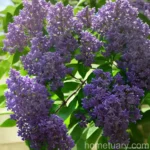
Syringa x Hyacinthiflora ‘Mount Baker’ (Early Flowering Lilac): A Comprehensive Guide
Syringa x hyacinthiflora ‘Mount Baker’ is a remarkable early flowering lilac variety that graces gardens with its fragrant blooms and beautiful appearance. In this comprehensive guide, we will delve into the culture, uses, maintenance, and propagation of this exquisite plant. Whether you are a seasoned gardener or a novice enthusiast, this guide will equip you with the knowledge and tips to cultivate and nurture the Syringa x hyacinthiflora ‘Mount Baker’ to its fullest potential.
Basic Information
Plant Name: Syringa x Hyacinthiflora ‘Mount Baker’ (Early Flowering Lilac)
Scientific Classification
- Kingdom: Plantae
- Order: Lamiales
- Family: Oleaceae
- Genus: Syringa
- Species: Syringa x hyacinthiflora ‘Mount Baker’
Key Takeaways – Syringa x Hyacinthiflora ‘Mount Baker’ (Early Flowering Lilac)
- Suitable for use in border planting, mixed shrub plantings, and as a specimen or accent plant.
- Exhibits early spring blooming and fragrant flowers, enhancing the garden with its enchanting aroma.
- Offers low maintenance requirements, making it an ideal choice for both experienced and novice gardeners.
- Proliferates through propagation methods such as softwood cuttings and layering.
Culture
Uses
- Ornamental Planting: Syringa x hyacinthiflora ‘Mount Baker’ is primarily used for ornamental purposes due to its aesthetic appeal and fragrant blooms. It can be employed in various landscaping designs, including border planting, mixed shrub plantings, and as a standalone specimen or accent plant.
Water
-
Watering Requirements: While Syringa x hyacinthiflora ‘Mount Baker’ is moderately drought-tolerant once established, regular watering is crucial, especially during its initial growth phase and periods of extended dryness. Adequate moisture is essential for healthy growth and prolific blooming.
-
Watering Frequency: It is advisable to water the plant deeply, allowing the soil to dry slightly between watering sessions to prevent waterlogging and root rot.
Sunlight
-
Sun Exposure: This early flowering lilac thrives in full sun to partial shade. Adequate sunlight is imperative for robust growth and abundant floral displays.
-
Optimal Sun Conditions: Position the plant in an area that receives at least six hours of direct sunlight per day for optimal performance.
Fertilizer
- Fertilization Schedule: Applying a balanced, slow-release fertilizer formulated for flowering shrubs in early spring or late fall can bolster the plant’s vigor and flowering capacity. Follow the manufacturer’s instructions regarding application rates and methods.
Soil
-
Soil Type: Syringa x hyacinthiflora ‘Mount Baker’ flourishes in well-draining, loamy soil with a slightly acidic to neutral pH.
-
Soil Amendment: Incorporating organic matter such as compost or well-rotted manure during planting can improve soil structure and nutrient retention.
Pruning
-
Pruning Time: The best time to prune the Syringa x hyacinthiflora ‘Mount Baker’ is shortly after flowering to avoid disrupting the following year’s bloom formation.
-
Pruning Techniques: Remove spent flower clusters and selectively trim back overgrown or wayward branches to maintain a tidy and shapely appearance. Aim to preserve the natural habit of the plant while encouraging new growth.
Propagation
- Propagation Methods: Syringa x hyacinthiflora ‘Mount Baker’ can be propagated through softwood cuttings, hardwood cuttings, and layering.
- Softwood Cuttings: Harvest softwood cuttings in early summer, and root them in a suitable growing medium with bottom heat to expedite the rooting process.
- Hardwood Cuttings: Collect hardwood cuttings in late fall or winter, and root them using a similar approach to softwood cuttings.
- Layering: Encourage natural layering by gently bending and burying a low-hanging branch in the soil, then wait for the development of roots before severing the new plant from the parent.
Container Popularity
-
Container Cultivation: While primarily suited for ground planting, Syringa x hyacinthiflora ‘Mount Baker’ can thrive in large containers when provided with ample space, proper drainage, and regular maintenance.
-
Container Requirements: Use a spacious container with drainage holes, fill it with high-quality potting mix, and ensure consistent watering and fertilizing to support healthy growth.
Common Diseases
Disease Diagnosis
-
Powdery Mildew: Characterized by the presence of white powdery patches on the leaves, powdery mildew is a fungal disease that can afflict Syringa x hyacinthiflora ‘Mount Baker’ under conditions of high humidity and poor air circulation.
-
Preventive Measures: To thwart the onset of powdery mildew, avoid overhead watering, enhance air circulation around the plant, and apply fungicidal treatments if necessary.
-
Root Rot: Excessive soil moisture and poor drainage can predispose the plant to root rot, leading to wilted foliage, stunted growth, and ultimately, plant demise.
-
Preventive Steps: Maintain well-draining soil conditions and regulate watering practices to prevent waterlogged soil.
Common Pests
-
Lilac Borer (Podosesia syringae): The lilac borer is a destructive pest that infests the stems of lilac plants, leading to weakened and disfigured growth.
-
Control Measures: Implement preventive measures such as maintaining plant vigor through proper care and promptly removing and destroying infested branches.
-
Aphids: These small, sap-sucking insects can colonize the tender shoots and buds of Syringa x hyacinthiflora ‘Mount Baker,’ causing leaf distortion and the secretion of honeydew.
-
Management Techniques: Encourage natural predators such as lady beetles and lacewings and consider using insecticidal soap as a targeted treatment.
Botanist’s Tips
-
Companion Planting: Pair Syringa x hyacinthiflora ‘Mount Baker’ with complementary spring-blooming perennials and shrubs to create visually appealing and harmonious garden compositions. Consider incorporating plants such as peonies, early blooming bulbs, and other fragrant flowering species.
-
Pollinator Attraction: The fragrant blooms of Syringa x hyacinthiflora ‘Mount Baker’ serve as a magnet for pollinators, including butterflies and bees, making it a valuable addition to pollinator-friendly gardens.
-
Winter Protection: In regions with harsh winters, provide a layer of mulch around the base of the plant to insulate the roots and shield them from potential frost damage.
Fun Facts
-
Cultural Symbolism: Lilacs, including the Syringa x hyacinthiflora ‘Mount Baker,’ are frequently associated with sentiments of love, renewal, and youthful innocence, making them a popular choice for wedding bouquets and symbolic plantings.
-
Fragrant Essence: The flowers of the ‘Mount Baker’ lilac emit a captivating fragrance, which has been utilized in perfumery and aromatherapy for its alluring scent.
-
Historical Significance: Lilacs have a rich history and have been cultivated for centuries, with some varieties having been documented in ancient botanical texts and folklore.
Links to External Resources
- Planting and Care of Syringa
- Landscape Lilacs: A Landscape Plant Fact Sheet
- Plant Propagation Techniques
- Controlling Common Lilac Diseases
In conclusion, the Syringa x hyacinthiflora ‘Mount Baker’ (Early Flowering Lilac) is a captivating and versatile plant that embodies the essence of spring with its early blooming and fragrant flowers. With the insights and guidance provided in this comprehensive guide, enthusiasts and horticulturists alike can savor the beauty and allure of this exceptional lilac variety while cultivating it to perfection in their own gardens.