Syringa X Hyacinthiflora ‘Maiden’s Blush’ (Early Flowering Lilac)
Syringa x hyacinthiflora ‘Maiden’s Blush’ is a delightful early flowering lilac that captivates with its fragrance and delicate blooms. This deciduous.
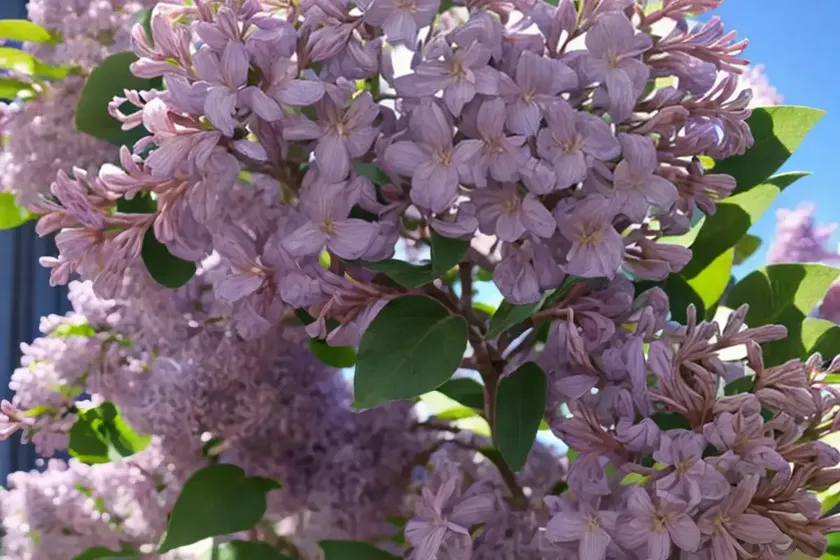
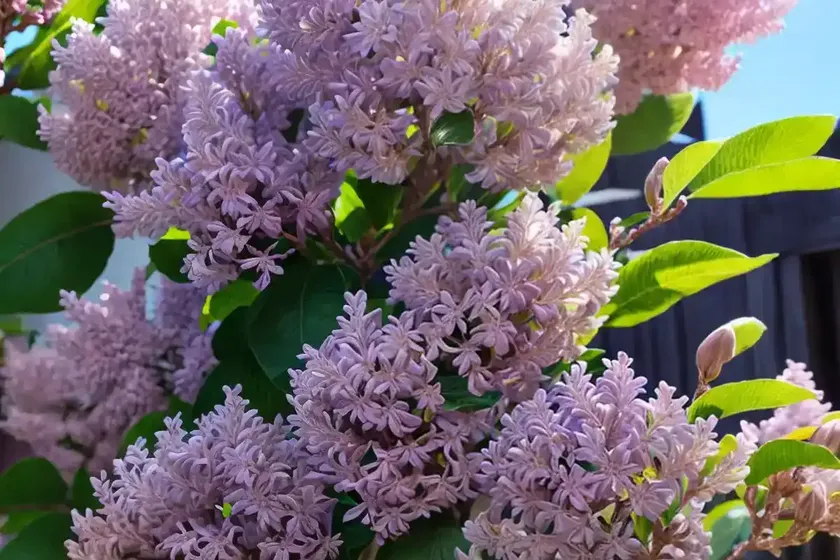
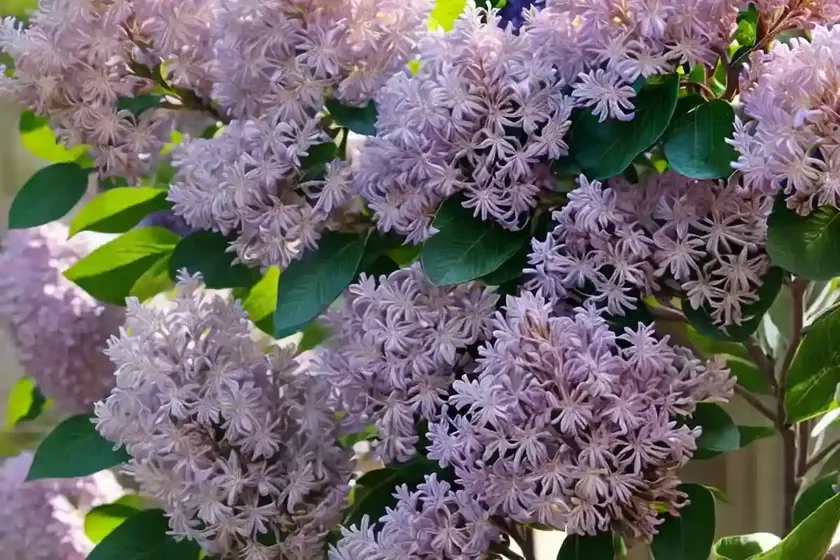
Syringa x hyacinthiflora ‘Maiden’s Blush’ is a delightful early flowering lilac that captivates with its fragrance and delicate blooms. This deciduous shrub belongs to the olive family (Oleaceae) and is renowned for its ornamental value in gardens and landscapes. In this comprehensive guide, we will delve into the culture, uses, and care of Syringa x hyacinthiflora ‘Maiden’s Blush’, along with tips for propagation, container gardening, and addressing common diseases and pests. Additionally, we will explore the historical significance, cultivation, and the role of Syringa x hyacinthiflora ‘Maiden’s Blush’ in literature and art.
Key Takeaways
Before we dive into the details, here are the key takeaways on Syringa x hyacinthiflora ‘Maiden’s Blush’ (Early Flowering Lilac):
- Syringa x hyacinthiflora ‘Maiden’s Blush’ is an early flowering lilac known for its exquisite fragrance and delicate blooms.
- A deciduous shrub, it is a spring blooming plant that adds ornamental value to gardens and landscapes.
- It belongs to the olives family (Oleaceae) and is prized for its fragrance, making it a popular choice for gardens and cut flower arrangements.
Now, let’s unravel the enchanting world of Syringa x hyacinthiflora ‘Maiden’s Blush’ and explore its cultural needs, uses, and care tips.
What is Syringa x hyacinthiflora ‘Maiden’s Blush’?
Syringa x hyacinthiflora ‘Maiden’s Blush’ is a hybrid lilac resulting from a cross between two other lilac species, Syringa oblata and Syringa vulgaris. The resulting plant inherits desirable traits from its parent species and exhibits early blooming characteristics, making it a sought-after addition to gardens.
This lilac variety is cherished for its clusters of pinkish-white, highly fragrant flowers that bloom in the early spring, often before the leaves fully emerge. The blooms are a harbinger of the changing seasons, infusing the air with a sweet, heady fragrance that captivates both humans and pollinators.
Culture
Uses
The Syringa x hyacinthiflora ‘Maiden’s Blush’ lilac holds significant value in various horticultural and ornamental uses:
- Gardens and Landscapes: These lilacs are commonly cultivated for their ornamental value in gardens, where they serve as focal points in borders, hedges, and mixed plantings.
- Cut Flowers: The fragrant blooms are popularly used in cut flower arrangements, adorning indoor spaces with their beauty and fragrance.
Water
In terms of water requirements, Syringa x hyacinthiflora ‘Maiden’s Blush’ prefers relatively moist, well-drained soil. While it can tolerate some drought once established, consistent watering is essential, especially during prolonged dry spells. An inch of water per week, either from rainfall or manual irrigation, is generally sufficient, but adjustments should be made based on specific climate and soil conditions.
Sunlight
For optimal growth and blooming, these lilacs thrive in full sun to part shade. They appreciate at least six hours of direct sunlight per day, which promotes vigorous growth and abundant flowering. In regions with scorching summer temperatures, providing some afternoon shade can help prevent stress and sunburn on the foliage.
Fertilizer
When it comes to feeding Syringa x hyacinthiflora ‘Maiden’s Blush’, a balanced, slow-release fertilizer can support healthy growth and abundant flowering. Applying a general-purpose fertilizer in early spring, just before new growth begins, can provide the necessary nutrients for the upcoming growing season. Following the manufacturer’s recommendations for application rates is advisable, and avoiding excessive fertilization is crucial to prevent potential issues such as nutrient imbalances.
Soil
These lilacs thrive in well-drained, slightly alkaline to neutral soil. Loamy, fertile soils that retain moisture without becoming waterlogged are ideal for promoting healthy root development and overall plant vigor. Amending heavy clay soils with organic matter can improve drainage and soil structure, creating a more hospitable environment for Syringa x hyacinthiflora ‘Maiden’s Blush’ and other garden plants.
Pruning
Pruning plays a vital role in shaping and maintaining the health and aesthetics of Syringa x hyacinthiflora ‘Maiden’s Blush’. Regular pruning, preferably immediately after the flowering period, helps remove spent blooms, shape the shrub, and promote vigorous, new growth. Paying attention to pruning techniques, such as the removal of old, woody stems and the encouragement of a balanced, open framework, can contribute to the longevity and productivity of the plant.
Propagation
Propagation of Syringa x hyacinthiflora ‘Maiden’s Blush’ can be achieved through various methods, including:
- Softwood Cuttings: Softwood cuttings, taken in early summer, have the potential to develop into new plants when provided with the right environment and care.
- Layering: Encouraging branches to form roots while still attached to the parent plant through layering can also yield new, genetically identical plants.
- Division: Dividing mature clumps of the lilac, especially during the dormant season, can help increase the plant’s population while rejuvenating older specimens.
Container Popularity
While traditionally grown in the ground, Syringa x hyacinthiflora ‘Maiden’s Blush’ can also thrive in containers, making it suitable for small gardens, patios, or urban settings. When cultivated in containers, attention to proper watering, fertilization, and root space is crucial for ensuring the plant’s well-being and longevity.
Common Diseases
Syringa x hyacinthiflora ‘Maiden’s Blush’ is generally a resilient plant, but it can be susceptible to certain diseases, including:
- Powdery Mildew: A common fungal disease that manifests as a powdery white coating on the foliage, powdery mildew can be managed through proper spacing, adequate air circulation, and, if necessary, targeted fungicidal treatments.
- Bacterial Blight: Symptoms include dark, water-soaked spots on the leaves, which can progress to wilting and dieback. Pruning affected parts and promoting overall plant health through proper care practices can help mitigate the impact of bacterial blight.
Disease Diagnosis
When diagnosing potential diseases affecting Syringa x hyacinthiflora ‘Maiden’s Blush’, close observation of the plant’s foliage, flowers, and overall growth patterns is essential. Identifying any unusual discoloration, distortion, or wilting and promptly seeking professional advice or utilizing reliable horticultural resources can aid in accurate diagnosis and effective management.
Common Pests
While generally resistant to most pests, Syringa x hyacinthiflora ‘Maiden’s Blush’ can occasionally face challenges from pests such as aphids, scales, and leaf miners. Regular monitoring, early detection, and the implementation of integrated pest management strategies can help keep pest populations in check and protect the plant’s health and vitality.
Botanist’s Tips
-
Pollinator Attraction: The fragrant blooms of Syringa x hyacinthiflora ‘Maiden’s Blush’ serve as a valuable food source for bees, butterflies, and other pollinators, contributing to the overall biodiversity and health of garden ecosystems.
-
Companion Planting: Pairing this lilac with other spring-blooming plants, such as early-flowering bulbs or perennials, can create visually stunning combinations and provide continuous interest throughout the season.
-
Fragrance Enjoyment: Planting Syringa x hyacinthiflora ‘Maiden’s Blush’ near outdoor seating areas or open windows allows for the enjoyment of its exquisite fragrance, enhancing the overall sensory experience in the garden.
Fun Facts
- The term “Maiden’s Blush” in the lilac’s name refers to the delicate pinkish hue of the flowers, evoking the image of a blushing maiden.
- Lilacs, including Syringa x hyacinthiflora ‘Maiden’s Blush’, hold historical significance in various cultures, symbolizing emotions such as love, memories, and youthful innocence.
- The genus name “Syringa” is derived from the Greek word “syrinx,” which means “tube” or “pipe,” a reference to the hollow stems of some lilac species.
Links to External Resources
- Syringa Vulgaris – Lilac
- Lilac Companion Plants
- The Fragrant Garden: A Word about Lilacs
- Growing Lilacs – UMN Extension
- University of Maryland Extension: Lilac Culture
- American Public Gardens Association
In closing, Syringa x hyacinthiflora ‘Maiden’s Blush’ is a captivating early flowering lilac that enriches gardens and landscapes with its beauty, fragrance, and ornamental value. By understanding its cultural needs, utilizing proper care practices, and appreciating its historical and cultural significance, gardeners can fully embrace the allure of this exceptional plant.
We hope this comprehensive guide has provided valuable insights into the world of Syringa x hyacinthiflora ‘Maiden’s Blush’ and inspires further appreciation for the enchanting realm of lilacs in gardening, art, and literature.


