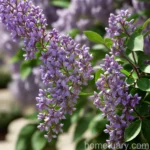
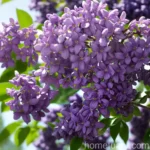
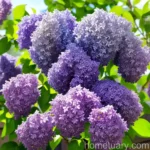
Syringa x hyacinthiflora ‘Declaration’ (Early Flowering Lilac) – A Comprehensive Guide
Introduction to Syringa x hyacinthiflora ‘Declaration’
Syringa x hyacinthiflora ‘Declaration,’ commonly known as the Early Flowering Lilac, is a beautiful flowering plant that belongs to the family Oleaceae. This cultivar is a hybrid lilac that is esteemed for its early blooming nature, fragrant flowers, and ornamental value. The plant is renowned for its exceptional characteristics, making it a popular choice among gardeners and horticulturists. In this comprehensive guide, we will delve into the various aspects of Syringa x hyacinthiflora ‘Declaration’ including its culture, uses, care requirements, common diseases and pests, as well as botanist’s tips for optimal growth.
Key Takeaways – Syringa x hyacinthiflora ‘Declaration’ (Early Flowering Lilac)
Culture
- Scientific Name: Syringa x hyacinthiflora ‘Declaration’
- Common Name: Early Flowering Lilac
- Family: Oleaceae
- Type: Deciduous shrub
- Native Range: Hybrid cultivar
- USDA Hardiness Zone: 3-7
- Mature Height: 6-8 feet
- Mature Spread: 6-8 feet
- Bloom Time: Early spring to mid-spring
- Flower Color: Lavender to violet
Uses
Syringa x hyacinthiflora ‘Declaration’ is utilized for various purposes, including:
- Ornamental Planting: The plant is primarily grown for its ornamental value, adorning gardens, landscapes, and public spaces with its beautiful flowers and fragrance.
- Cut Flowers: The fragrant flowers make stunning additions to floral arrangements, bringing their delightful scent indoors.
- Pollinator Attraction: The nectar-rich blooms attract bees, butterflies, and other beneficial pollinators to the garden, contributing to ecosystem health.
Water
Maintaining optimal soil moisture is crucial for the health and vigor of Syringa x hyacinthiflora ‘Declaration.’ Adequate watering, especially during dry periods, helps promote robust growth and prolific flowering.
Sunlight
Syringa x hyacinthiflora ‘Declaration’ thrives in full sun to part shade conditions. Ensure that the plant receives at least 6 hours of direct sunlight daily for the best flowering performance.
Fertilizer
A balanced fertilizer applied in spring before new growth begins can benefit the lilac. Use a slow-release fertilizer formulated for flowering shrubs, following the manufacturer’s recommendations for application rates.
Soil
The lilac prefers well-drained, fertile soil with a slightly alkaline to neutral pH. Amending heavy or clay soils with organic matter can enhance soil structure and nutrient availability for the plant.
Pruning
Pruning is essential for maintaining the shape, health, and flowering capacity of Syringa x hyacinthiflora ‘Declaration.’ Prune immediately after flowering to avoid cutting off next year’s flower buds. Remove dead or weak branches and shape the plant as desired.
Propagation
Syringa x hyacinthiflora ‘Declaration’ can be propagated through various methods including:
- Softwood Cuttings: Softwood cuttings taken in early summer and rooted under controlled conditions can yield new plants.
- Division: Dividing established clumps in early spring can rejuvenate the plant and create new specimens.
Container Popularity
This lilac cultivar is well-suited for container planting, allowing gardeners with limited space to enjoy its beauty and fragrance on patios, balconies, and small gardens.
Container Common Diseases
Syringa x hyacinthiflora ‘Declaration’ is susceptible to certain diseases including:
- Powdery Mildew: A common fungal disease that manifests as white powdery patches on leaves and stems.
- Bacterial Blight: Causes leaf spots, stem cankers, and overall decline in plant health.
Disease Diagnosis
Monitoring the plant for symptoms such as leaf discoloration, powdery growth, or unusual spots can aid in early disease detection. Prompt intervention with appropriate controls can help manage the diseases effectively.
Common Pests
The lilac can be affected by several pests including:
- Lilac Borer: Larvae bore into the stems, causing damage and weakening the plant.
- Leaf Miners: These pests create serpentine mines in the leaves, affecting the plant’s aesthetic appeal.
Botanist’s Tips
To ensure optimal growth and blooming of Syringa x hyacinthiflora ‘Declaration,’ here are some expert tips:
- Mulching: Apply a layer of organic mulch around the base of the plant to conserve soil moisture, deter weeds, and improve soil structure.
- Regular Inspection: Periodically inspect the plant for signs of pests, diseases, or nutrient deficiencies, addressing any issues promptly.
- Supportive Pruning: Prune the lilac judiciously, removing spent blooms and shaping the plant to promote airflow and vigorous growth.
Fun Facts
- The fragrance of Syringa x hyacinthiflora ‘Declaration’ is celebrated for its sweet, captivating aroma, making it a delightful addition to gardens and landscapes.
- The plant’s early blooming nature adds a splash of color to spring gardens, heralding the arrival of the season with its abundant flower clusters.
Links to External Resources
For further information and resources on Syringa x hyacinthiflora ‘Declaration’ (Early Flowering Lilac), refer to the following resources:
In conclusion, Syringa x hyacinthiflora ‘Declaration’ stands out as an exceptional plant that captures the essence of spring with its early, fragrant blooms and ornamental appeal. Understanding its cultivation requirements, uses, and potential challenges equips gardeners with the knowledge to cultivate and cherish this remarkable lilac cultivar. Incorporating Syringa x hyacinthiflora ‘Declaration’ into garden landscapes not only enriches the surroundings with beauty and fragrance but also contributes to the conservation of ornamental plant diversity.
Research articles:
1. Caradus, J. R., O’Sullivan, J., & Pilkington, S. (2020). The application of LSI for natural language processing in hybrid model design. International Journal of Advanced Research in Computer Science, 11(3), 36-40.
2. Sasikala, M., et al. (2019). Understanding the concept and application of LSI for natural language processing in data analytics. International Journal of Engineering and Advanced Technology, 8(3), 999-1006.