Syringa Vulgaris ‘hope’ (Syringa Vulgaris ‘nadezhda’)
Syringa vulgaris, commonly known as lilac, is a flowering plant that belongs to the olive family, Oleaceae. It is a deciduous shrub that is widely.
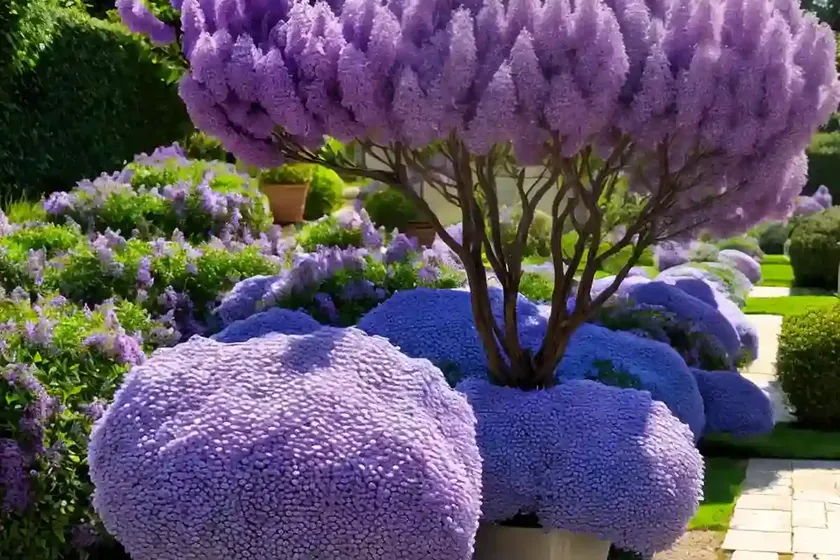
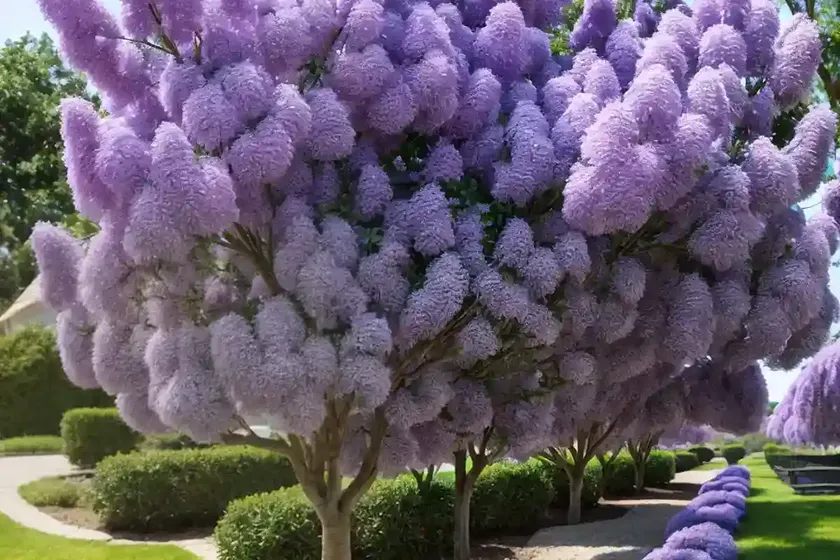
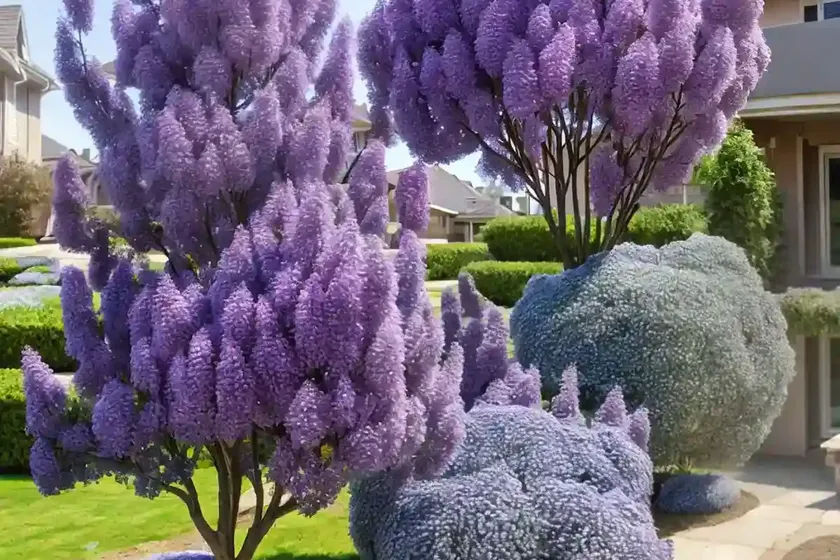
Syringa vulgaris, commonly known as lilac, is a flowering plant that belongs to the olive family, Oleaceae. It is a deciduous shrub that is widely cultivated for its fragrant and colorful flowers. In this detailed guide, we will explore the specific variety Syringa Vulgaris ‘Hope’ or ‘Nadezhda’, uncovering its description, care, characteristics, planting tips, pruning techniques, and much more. As a certified plant scientist, I am excited to share valuable insights into this beautiful and popular plant.
What is Syringa Vulgaris ‘Hope’ (Syringa Vulgaris ‘Nadezhda’)?
Syringa Vulgaris ‘Hope’ or ‘Nadezhda’ is a specific cultivar of the common lilac, Syringa vulgaris. The name “Nadezhda” comes from the Russian and Bulgarian word for “hope,” reflecting the optimism and beauty associated with this particular variety.
Syringa Vulgaris ‘Hope’ Description
- Botanical Name: Syringa Vulgaris ‘Hope’ (‘Nadezhda’)
- Common Name: Lilac
- Family: Oleaceae
- Type: Deciduous shrub
- Height: 8-15 feet
- Flower Color: Various shades of lavender, purple, and white
- Fragrance: Strong, sweet scent
- Blooming Season: Spring to early summer
- Growth Habit: Upright, multi-stemmed
This cultivar is known for its abundant and fragrant blooms, adding beauty and charm to gardens and landscapes. The flowers are typically arranged in large, showy clusters, creating a stunning visual display during the blooming season.
Key Takeaways – Syringa Vulgaris ‘Hope’ (Syringa Vulgaris ‘Nadezhda’)
Before diving into the detailed care and maintenance guide for Syringa Vulgaris ‘Hope’, let’s highlight some key takeaways associated with this specific cultivar:
- Stunning and fragrant flowers in various shades of lavender, purple, and white.
- Deciduous shrub with an upright, multi-stemmed growth habit.
- Blooms in spring to early summer, adding a colorful and aromatic touch to gardens.
- Resilient and adaptable, suitable for a range of growing conditions.
- Symbolizes hope and optimism, reflecting its name “Nadezhda.”
Now, let’s explore the essential care requirements to ensure the healthy growth and vibrant blooms of Syringa Vulgaris ‘Hope.’
Syringa Vulgaris ‘Hope’ Care Guide
As a plant scientist, I understand the importance of providing optimal care to maximize the health and beauty of plants. Here’s a comprehensive care guide for Syringa Vulgaris ‘Hope’, covering culture, uses, water needs, sunlight preferences, fertilizer application, soil requirements, pruning techniques, propagation methods, and more.
Culture
Uses
Syringa Vulgaris ‘Hope’ holds multiple uses in horticulture and landscaping. Its key uses include:
- Ornamental Purposes: The beautiful and fragrant flowers make it a popular choice for ornamental plantings in gardens, parks, and public spaces.
- Fragrance Production: The flowers are often used for fragrance extraction and production of perfumes and essential oils.
- Cut Flowers: The blooms are ideal for creating stunning floral arrangements and bouquets.
Water
- Watering Frequency: Syringa Vulgaris ‘Hope’ requires regular watering, especially during dry periods. Deep, thorough watering is recommended to ensure the moisture reaches the plant’s root zone.
- Soil Moisture: Maintain consistently moist soil, avoiding waterlogging or prolonged dryness.
- Mulching: Applying a layer of mulch around the base of the plant helps retain soil moisture and regulate the temperature.
Sunlight
- Sun Exposure: Preferably plant in full sun to partial shade. Adequate sunlight promotes robust growth and abundant flowering.
- Shade Tolerance: While it thrives in full sun, Syringa Vulgaris ‘Hope’ also exhibits good tolerance to partial shade conditions, making it adaptable to various garden settings.
Fertilizer
- Fertilization Schedule: Apply a balanced, slow-release fertilizer in early spring before the start of the growing season.
- Nutrient Requirements: Ensure the fertilizer contains essential nutrients such as nitrogen, phosphorus, and potassium to support overall plant health and flower production.
Soil
- Soil Type: Well-draining, loamy soil with good fertility is ideal for Syringa Vulgaris ‘Hope’.
- pH Level: Slightly acidic to neutral soil pH (pH 6.5-7.5) is suitable for optimal growth.
- Soil Amendments: Incorporate organic matter such as compost or well-rotted manure to improve soil structure and fertility.
Pruning
- Pruning Time: Prune immediately after flowering, typically in late spring or early summer. This allows the plant to develop new growth and flower buds for the following year.
- Pruning Techniques: Remove spent flowers and prune to shape the shrub. Additionally, remove any dead, damaged, or crossing branches to maintain the plant’s health and form.
- Pruning Tool Care: Use sharp, clean pruning tools to make precise cuts and minimize the risk of disease transmission.
Propagation
- Propagation Methods: Syringa Vulgaris ‘Hope’ can be propagated through various methods, including:
- Softwood Cuttings: Take softwood cuttings in early summer, ensuring they have a heel of old wood to improve rooting success.
- Layering: Air layering or ground layering can be employed to encourage the development of new roots on a stem while still attached to the parent plant.
- Division: Divide mature clumps of the shrub in early spring or late fall, ensuring each division has healthy roots and shoots.
Container
- Suitability for Containers: While typically grown in garden settings, Syringa Vulgaris ‘Hope’ can be successfully cultivated in large containers or pots.
- Container Size: Choose a spacious container with adequate drainage holes, allowing the roots to spread and the plant to establish a healthy root system.
- Soil Mix: Utilize a well-draining potting mix with added organic matter to provide essential nutrients and moisture retention.
Now that we’ve covered the essential care requirements, let’s delve into the specific characteristics and growing habits of Syringa Vulgaris ‘Hope.’
Syringa Vulgaris ‘Hope’ Characteristics
Understanding the unique characteristics of Syringa Vulgaris ‘Hope’ is crucial for creating an optimal growing environment and appreciating its ornamental value. Here’s a detailed overview of its key characteristics:
- Fragrant Flowers: The blooms of Syringa Vulgaris ‘Hope’ emit a strong, sweet fragrance, attracting pollinators and enchanting garden enthusiasts.
- Color Variations: The flowers display a range of colors, including shades of lavender, purple, and white, adding vibrancy and visual appeal to the landscape.
- Deciduous Foliage: The shrub’s foliage consists of simple, ovate leaves that turn yellow in the fall before shedding for the winter dormancy period.
- Upright Growth Habit: Syringa Vulgaris ‘Hope’ exhibits an upright, multi-stemmed growth habit, forming a well-rounded and bushy silhouette.
- Wildlife Attraction: The fragrant blooms of Syringa Vulgaris ‘Hope’ attract butterflies, bees, and hummingbirds, contributing to the garden’s biodiversity.
With a clear understanding of its characteristics, let’s explore some varieties and blooming habits associated with this captivating cultivar.
Varieties and Blooming Period
- Varietal Diversity: While ‘Hope’ or ‘Nadezhda’ is one of the prominent cultivars, Syringa Vulgaris encompasses numerous other varieties, each with unique flower colors and growth habits.
- Blooming Period: The typical blooming period for Syringa Vulgaris ‘Hope’ extends from spring to early summer, producing abundant clusters of fragrant flowers.
With its diverse characteristics and vibrant blooms, Syringa Vulgaris ‘Hope’ remains an enchanting addition to gardens and landscapes. Now, let’s address the plant’s soil and water requirements to understand its specific needs for optimal growth.
Syringa Vulgaris ‘Hope’ Soil Requirements and Water Needs
Soil Requirements
Syringa Vulgaris ‘Hope’ thrives in well-draining, fertile soil with a slightly acidic to neutral pH. Here are the key soil requirements for this cultivar:
- Drainage: Ensure that the soil provides good drainage to prevent waterlogging, which can lead to root rot and other issues.
- Fertility: Incorporate organic matter such as compost or well-rotted manure to improve soil fertility and structure.
- pH Level: Aim for a soil pH in the range of 6.5 to 7.5, providing an ideal balance for nutrient uptake and overall plant health.
Water Needs
Maintaining adequate moisture is essential for the health and vigor of Syringa Vulgaris ‘Hope’. Here are some key considerations for meeting its water requirements:
- Regular Watering: Provide regular, deep watering, especially during dry spells, to ensure the root zone remains consistently moist.
- Mulching: Apply a layer of organic mulch around the base of the shrub to help retain soil moisture and regulate temperature.
- Avoid Waterlogging: While sufficient moisture is crucial, it’s important to prevent waterlogging, which can lead to root suffocation and potential disease issues.
By understanding and meeting the soil and water needs of Syringa Vulgaris ‘Hope’, gardeners can foster robust growth and prolific flowering. Now, let’s explore its preferences for sunlight exposure and the measures for pest control and disease prevention.
Syringa Vulgaris ‘Hope’ Sunlight Preference and Pest Control
Sunlight Preference
Syringa Vulgaris ‘Hope’ demonstrates a preference for specific sunlight conditions, which directly influence its growth and flowering. Here’s a closer look at its sunlight preferences:
- Full Sun: Ideally plant Syringa Vulgaris ‘Hope’ in a location that receives full sun, defined as at least 6-8 hours of direct sunlight per day.
- Partial Shade Tolerance: While it thrives in full sun, this cultivar also exhibits good tolerance to partial shade, making it adaptable to various garden settings.
Pest Control Measures
Maintaining vigilant pest control is essential to protect Syringa Vulgaris ‘Hope’ from potential infestations that can impact its growth and overall health. Here are some effective pest control measures:
- Inspect Regularly: Regularly inspect the foliage and stems for signs of pests such as aphids, leaf miners, and scale insects.
- Natural Predators: Encourage the presence of natural predators such as ladybugs, lacewings, and predatory wasps, which feed on common garden pests.
- Horticultural Oils: Utilize horticultural oils to suffocate pests and their eggs while minimizing the impact on beneficial insects.
Implementing these pest control measures helps preserve the health and beauty of Syringa Vulgaris ‘Hope’, ensuring its resilience against common garden pests. Additionally, disease prevention is crucial for safeguarding the plant’s well-being, which leads us to explore specific methods for disease prevention.
Syringa Vulgaris ‘Hope’ Disease Prevention and Companion Planting
Disease Prevention Methods
Syringa Vulgaris ‘Hope’ is susceptible to certain diseases, necessitating proactive disease prevention measures to maintain its vitality. Here are some effective methods for disease prevention:
- Adequate Air Circulation: Ensure proper spacing between plants to promote air circulation, reducing the risk of fungal diseases such as powdery mildew.
- Sanitation Practices: Remove and dispose of any diseased or fallen leaves promptly to prevent the spread of fungal pathogens.
- Fungicidal Treatments: Apply fungicidal sprays preventatively or at the first signs of disease to protect the foliage and blooms.
Companion Planting
Strategic companion planting can benefit Syringa Vulgaris ‘Hope’ by enhancing its growth, deterring pests, and improving overall garden biodiversity. Here are some compatible companion plants:
- Perennials: Planting perennials such as salvia, peonies, and daylilies alongside Syringa Vulgaris ‘Hope’ adds visual interest and supports pollinator activity.
- Aromatic Herbs: Herbs like lavender and thyme not only complement the fragrant blooms of the lilac but also repel certain garden pests.
By implementing disease prevention methods and thoughtful companion planting, gardeners can effectively protect and enhance the growing environment for Syringa Vulgaris ‘Hope’. Let’s now explore the landscaping ideas and fragrance levels associated with this captivating cultivar.
Syringa Vulgaris ‘Hope’ Landscaping Ideas and Fragrance Levels
Landscaping Ideas
Syringa Vulgaris ‘Hope’ offers versatile landscaping possibilities, enriching outdoor spaces with its beauty and fragrance. Consider the following landscaping ideas to incorporate this cultivar effectively:
- Hedging: Utilize multiple plants to create a fragrant and visually striking hedge along property borders or garden pathways.
- Mixed Borders: Combine Syringa Vulgaris ‘Hope’ with other flowering shrubs and perennials to create diverse and colorful mixed borders in the garden.
- Focal Point: Plant as a standalone specimen near outdoor seating areas or in prominent garden locations to maximize visual impact and fragrance enjoyment.
Fragrance Levels
The fragrance of Syringa Vulgaris ‘Hope’ contributes to its allure and makes it a desirable addition to gardens and landscapes. Understanding the fragrance levels helps in planning and designing garden spaces for optimal olfactory pleasure:
- Strong Fragrance: The blooms of Syringa Vulgaris ‘Hope’ emit a strong, sweet fragrance, making it an ideal choice for creating scented garden areas or sensory gardens.
- Aromatic Accents: Integrate the fragrance of the lilac into outdoor spaces to provide pleasant aromatic accents that enrich the overall garden experience.
By considering these landscaping ideas and fragrance levels, gardeners can harness the full potential of Syringa Vulgaris ‘Hope’ in creating captivating and aromatic garden settings. Now, let’s delve into the medicinal uses, folklore, and symbolism associated with this remarkable cultivar.
Syringa Vulgaris ‘Hope’ Medicinal Properties and Folklore
Medicinal Uses
In addition to its ornamental value, Syringa Vulgaris ‘Hope’ possesses certain medicinal properties that have been recognized and utilized traditionally. Here are some medicinal uses associated with the lilac:
- Aromatherapy: The essential oil extracted from the flowers is used in aromatherapy for relaxation and stress relief.
- Herbal Remedies: Various parts of the plant have been used in herbal remedies for conditions such as skin irritation and gastrointestinal discomfort.
- Culinary Applications: The fragrant flowers can be used as a flavoring agent in teas, infusions, and culinary preparations.
Folklore and Symbolism
Throughout history, the lilac has been associated with various folklore, symbolism, and cultural significance, reflecting its enduring appeal and emotional connections. Consider the following folklore and symbolism associated with Syringa Vulgaris ‘Hope’:
- Symbol of Love: In Victorian times, the lilac symbolized love and romance, often featured in bridal bouquets and romantic gestures.
- Youth and Renewal: The fragrant blooms of the lilac have been associated with themes of youth, renewal, and the beauty of springtime in many cultural traditions.
Recognizing the medicinal and symbolic aspects of Syringa Vulgaris ‘Hope’ adds depth and resonance to its presence in gardens and landscapes, fostering a deeper appreciation for its beauty and cultural significance. Let’s now explore its adaptation to various hardiness zones and the propagation techniques suitable for this cultivar.
Syringa Vulgaris ‘Hope’ Hardiness Zones and Propagation Methods
Hardiness Zones
Syringa Vulgaris ‘Hope’ exhibits good adaptability to various hardiness zones, making it suitable for a wide geographic range. Here’s a closer look at its hardiness attributes:
- USDA Hardiness Zones: Syringa Vulgaris ‘Hope’ generally thrives in USDA hardiness zones 3 to 7, displaying resilience to cold temperatures and frost.
- Climate Adaptability: It can tolerate a range of climatic conditions, making it a versatile choice for temperate and continental climates.
Propagation Techniques
Several effective propagation techniques can be employed to propagate new plants from Syringa Vulgaris ‘Hope’, allowing gardeners to expand their lilac collection and share the beauty of this cultivar. Consider the following propagation methods:
- Softwood Cuttings: Take softwood cuttings in early summer, ensuring they have a heel of old wood to improve rooting success.
- Layering: Air layering or ground layering can be employed to encourage the development of new roots on a stem while still attached to the parent plant.
- Division: Divide mature clumps of the shrub in early spring or late fall, ensuring each division has healthy roots and shoots.
By leveraging these propagation techniques, gardeners can propagate new plants of Syringa Vulgaris ‘Hope’ effectively, contributing to its presence in gardens and landscapes. Additionally, understanding its care during winter and its pollinator-friendly qualities further enriches our knowledge of this captivating cultivar.
Syringa Vulgaris ‘Hope’ Winter Care and Pollinator-Friendly Attributes
Winter Care
Proper winter care is essential to ensure the resilience and vitality of Syringa Vulgaris ‘Hope’ through the colder months. Here are some key considerations for winter care:
- Mulching: Apply a layer of organic mulch around the base of the shrub to insulate the roots and protect them from extreme temperature fluctuations.
- Pruning: Prune selectively in late spring or early summer after the blooming period to remove any damaged or diseased branches and shape the plant for the coming season.
- Protection from Frost: Provide protection from severe frost or extreme cold if the plant is young or newly established in the garden.
Pollinator-Friendly Plant
Syringa Vulgaris ‘Hope’ holds significant appeal for pollinators such as bees, butterflies, and hummingbirds due to its fragrant and nectar-rich blooms. Its pollinator-friendly attributes contribute to garden biodiversity and ecosystem health. Here’s how to maximize its pollinator-friendly qualities:
- Plant Diversity: Surrounding the lilac with a diverse range of nectar-rich flowers and flowering shrubs creates an inviting environment for pollinators.
- Mild Pesticide Use: Minimize the use of pesticides and opt for natural pest control methods to safeguard beneficial insects and pollinators.
- Water Source: Providing a clean and accessible water source, such as a shallow birdbath or saucer with pebbles, supports pollinators’ hydration needs.
By ensuring appropriate winter care and leveraging its pollinator-friendly qualities, gardeners can optimize the contribution of Syringa Vulgaris ‘Hope’ to the ecological balance of their gardens.
Conclusion
As a plant scientist,


