Syringa vulgaris ‘Andenken an Ludwig Spath’ (Lilac): A Complete Guide
What is Syringa vulgaris ‘Andenken an Ludwig Spath’?
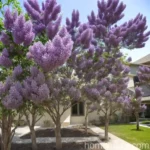
Syringa vulgaris ‘Andenken an Ludwig Spath’, commonly known as Lilac, is a deciduous flowering shrub of the olive family Oleaceae. It is celebrated for its enchanting fragrance, delicate blossoms, and its versatile use in landscaping. This shrub is highly cherished by gardeners and nature enthusiasts for its elegance and its numerous cultural and ecological benefits. This comprehensive guide aims to explore the various aspects of cultivating and appreciating this remarkable plant.
Key Takeaways
Syringa vulgaris ‘Andenken an Ludwig Spath’ (Lilac)
- Scientific Name: Syringa vulgaris ‘Andenken an Ludwig Spath’
- Common Name: Lilac
- Family: Oleaceae
- Type: Deciduous shrub
- Height: 8 to 15 feet
- Spread: 6 to 12 feet
- Hardiness: Zones 3–7
Culture
Uses
The Lilac has been a beloved garden plant for centuries due to its stunning blossoms, powerful fragrance, and versatile uses. Some common uses of Syringa vulgaris ‘Andenken an Ludwig Spath’ include:
- Ornamental Use: Lilacs are often planted as standalone ornamental specimens, in borders, and in hedges to enhance the aesthetic appeal of landscapes.
- Cut Flowers: The cut flowers of Lilacs are popularly used in floral arrangements and bouquets, adding a touch of elegance and a delightful fragrance to any setting.
- Cultural and Symbolic Significance: Lilacs hold cultural and symbolic significance in various traditions, often representing renewal, love, and the arrival of spring.
Water
Proper watering is essential for the healthy growth of Syringa vulgaris ‘Andenken an Ludwig Spath’. Here are some important considerations:
- Established Plants: Once the plant is established, it generally requires around 1 inch of water per week.
- Watering Schedule: During dry spells or periods of insufficient rainfall, it is crucial to water Lilacs deeply about once a week to ensure adequate moisture for the roots.
Sunlight
Lilacs thrive in full sunlight and require a minimum of 6 hours of direct sunlight each day. Placing them in areas with full sun exposure will result in abundant and vigorous blooming.
Fertilizer
Proper fertilization is essential for the optimal growth and flowering of Lilacs:
- Application Time: Fertilize in early spring before new growth appears and again in late fall if desired.
- Fertilizer Type: A balanced, all-purpose fertilizer with equal parts of nitrogen, phosphorus, and potassium is suitable for Lilacs.
Soil
Syringa vulgaris ‘Andenken an Ludwig Spath’ thrives in well-drained, slightly alkaline soil. Consider the following when selecting the soil for your Lilac:
- Soil pH: The ideal soil pH for Lilacs is around 6.5 to 7.0.
- Soil Texture: Lilacs prefer loamy soil with good drainage to prevent waterlogging, which can lead to root rot.
Pruning
Pruning is essential for maintaining the health, shape, and vigor of Lilacs:
- Pruning Time: The best time to prune Lilacs is immediately after flowering, ensuring that you do not remove next year’s flower buds.
- Pruning Techniques: Remove spent blossoms, dead or damaged wood, and any straggly growth to encourage better airflow and healthy growth.
Propagation
Lilacs can be propagated through various methods, including:
- Semi-Ripe Cuttings: Semi-ripe cuttings from the current season’s growth taken in late summer or early autumn can be used for propagation.
- Layering: Air layering or ground layering are effective methods for propagating Lilacs by encouraging the growth of new roots from stems.
Container Popularity
Growing Syringa vulgaris ‘Andenken an Ludwig Spath’ in containers is becoming increasingly popular for several reasons:
- Space Constraints: Containers provide a space-saving option for people with limited garden space or those living in urban areas.
- Aesthetic Appeal: Lilacs in containers offer the flexibility to move them to different locations to enhance the visual appeal of outdoor spaces.
Container Plant Care
When growing Lilacs in containers, it is important to consider specific care requirements:
- Container Size: Use a large container with drainage holes to provide ample room for the roots to grow.
- Regular Watering: Containers tend to dry out faster, so frequent watering is essential, especially during hot and dry weather.
Common Diseases
Lilacs are relatively hardy plants but are susceptible to a few common diseases. Some of the common diseases include:
- Powdery Mildew: Characterized by a white, powdery coating on the leaves, this disease can be prevented by ensuring proper air circulation and avoiding overhead watering.
- Bacterial Blight: This disease causes wilting, browning, and eventual death of the affected plant parts. Pruning affected areas and promoting good sanitation practices can help in control.
Disease Diagnosis
Here are some common symptoms of diseases in Lilacs and their possible causes:
- Yellowing Leaves: This may be a sign of nutrient deficiency or water stress.
- Spots on Leaves: Spots on leaves can indicate fungal or bacterial infections, such as powdery mildew or bacterial blight.
- Wilting and Stunted Growth: These symptoms can be caused by root rot due to overwatering or poorly drained soil.
Common Pests
While Lilacs are generally resistant to most pests, they can occasionally be affected by certain insects:
- Lilac/Ash Borer: This pest can cause dieback and wilting by tunneling into the wood of Lilac branches. Promptly remove and destroy affected branches to prevent spread.
- Aphids: These small, soft-bodied insects can cluster on new growth, causing distortion and stunting of the leaves. They can be sprayed off with a strong stream of water or controlled with insecticidal soap.
Botanist’s Tips
Lilac Pruning
Proper pruning is crucial for the health and flowering of Lilacs. Consider the following tips when pruning:
- Timing: Prune immediately after flowering to avoid cutting off next year’s flower buds.
- Pruning Shears: Use sharp, clean pruning shears to make clean cuts to prevent damage to the plant.
Watering Tips
Efficient watering is vital for the health and growth of Lilacs:
- Deep Watering: Water deeply but infrequently to encourage deep root growth.
- Mulching: Apply a layer of organic mulch around the base of the plant to retain soil moisture and prevent weed growth.
Fun Facts
- The Lilac is the state flower of New Hampshire, symbolizing the hardy nature of the people of the state.
- In the language of flowers, Lilacs represent the emotions of young love and the joy of youth.
Links to External Resources
For further in-depth information on Syringa vulgaris ‘Andenken an Ludwig Spath’ and its cultivation, please check the following resources:
- The Spruce: How to Grow and Care for Lilac Bushes
- Royal Horticultural Society: Lilac
- University of Maryland Extension: Lilacs
- American Horticultural Society: Growing Lilacs
In conclusion, Syringa vulgaris ‘Andenken an Ludwig Spath’ (Lilac) is a remarkable plant with a rich history, captivating fragrance, and a myriad of uses in gardening and beyond. By understanding and applying the key elements discussed in this guide, gardeners can successfully cultivate and enjoy the beauty of Lilacs while contributing to the overall health and aesthetics of their outdoor spaces.
Remember, the key to successfully growing and caring for Lilacs lies in providing the ideal cultural conditions, regular maintenance, and attentive care, which will ultimately result in the abundant blooms and delightful fragrance that Lilacs are famed for.
Happy gardening!