Syringa Pubescens (Syringa Pubescens)
Lilacs are beloved for their fragrant blooms and beautiful appearance, and Syringa pubescens, often referred to as pubescent lilac, is a delightful species.

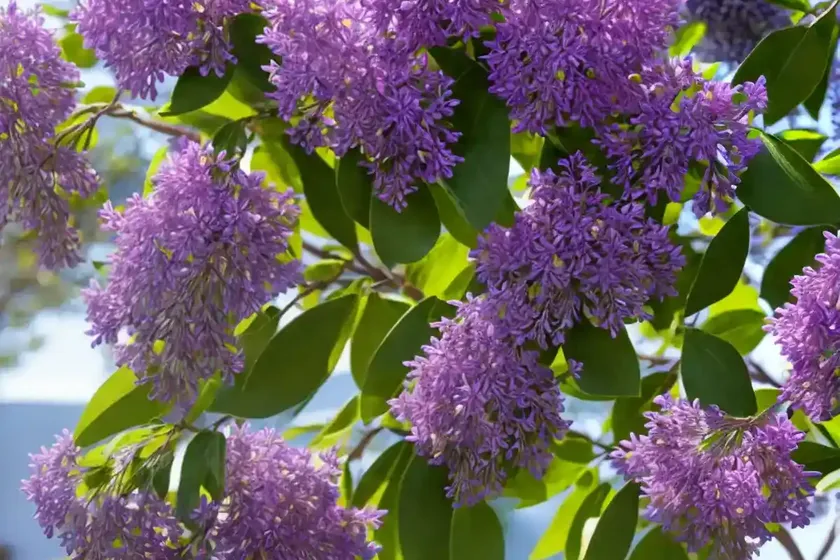

Lilacs are beloved for their fragrant blooms and beautiful appearance, and Syringa pubescens, often referred to as pubescent lilac, is a delightful species within the lilac genus. In this comprehensive guide, we will explore the characteristics, growth habits, planting tips, care guide, and more for Syringa pubescens, providing plant enthusiasts with the knowledge they need to cultivate and appreciate this captivating species.
What is Syringa pubescens?
Syringa pubescens is a species of flowering plant belonging to the Oleaceae family, which is native to Eastern Europe and Asia. It is commonly known as pubescent lilac due to the fine hair-like structures on its surfaces, giving it a distinctive appearance. This deciduous shrub is prized for its clusters of fragrant flowers and is popular in gardens and landscapes for its ornamental qualities.
Syringa pubescens Characteristics:
- Scientific Name: Syringa pubescens
- Common Name: Pubescent Lilac
- Family: Oleaceae
- Native Habitat: Eastern Europe and Asia
- Plant Type: Deciduous shrub
- Foliage: Opposite, ovate to heart-shaped leaves with a pubescent surface
- Flowers: Clusters of fragrant, tubular flowers in shades of lavender, purple, and white
- Fruit: Small, dry capsules containing winged seeds
- Growth Habit: Upright, multi-stemmed shrub
Key Takeaways – Syringa pubescens
Here are some key takeaways to keep in mind when growing and caring for Syringa pubescens:
- Syringa pubescens is a deciduous shrub known for its fragrant, tubular flowers in shades of lavender, purple, and white.
- It belongs to the Oleaceae family and is native to Eastern Europe and Asia.
- The plant features opposite, ovate to heart-shaped leaves that have a pubescent surface, giving it a distinct appearance.
- It is a popular ornamental plant, valued for its fragrant blooms and overall visual appeal.
- Proper care, including attention to water, sunlight, soil, and pruning, is essential for maintaining the health and vitality of Syringa pubescens.
Now, let’s delve into the specific aspects of cultivating and caring for Syringa pubescens, including its culture, uses, water needs, sunlight requirements, fertilizer application, soil preferences, pruning techniques, propagation methods, and more.
Culture
Cultivating Syringa pubescens successfully requires an understanding of its cultural needs, including its native habitat, growth habits, and preferred environmental conditions.
Syringa pubescens Growth Habits
Understanding the natural growth habits of Syringa pubescens is crucial for creating an optimal environment for this species. Here are its typical growth habits:
- Size: Pubescent lilacs typically reach a height of 6 to 8 feet, with a spread of 5 to 7 feet, making them moderately sized shrubs.
- Form: It has an upright, multi-stemmed growth habit with arching branches, giving it a somewhat spreading appearance.
- Density: The shrub tends to have a medium to dense growth habit, especially when mature and well-maintained.
Syringa pubescens Planting Tips
When planting Syringa pubescens, consider the following tips to ensure successful establishment and growth:
- Planting Season: Optimal planting times are in the early spring or late fall, avoiding periods of extreme heat or cold.
- Site Selection: Choose a location with well-drained soil and good air circulation to promote healthy growth and blooming.
- Spacing: Provide adequate space between individual plants, typically 5 to 7 feet apart, to accommodate the mature size of the shrubs.
- Soil Preparation: Prepare the planting area by incorporating organic matter into the soil to improve its structure and fertility.
Uses
Syringa pubescens has several uses, including its ornamental value, potential medicinal properties, and its role in supporting wildlife.
Ornamental Value
The primary use of Syringa pubescens is as an ornamental plant in gardens, landscapes, and public spaces. Its fragrant blooms, attractive foliage, and moderate size make it a popular choice for adding visual interest and fragrance to outdoor settings.
Medicinal Properties
Some species within the lilac genus, including Syringa pubescens, have historical and contemporary uses in traditional medicine. The plant’s leaves and flowers contain phytochemical compounds that may have therapeutic properties. However, it is essential to consult reliable sources and experts before using any plant for medicinal purposes.
Wildlife Support
As a flowering shrub, Syringa pubescens provides nectar and pollen for beneficial insects, such as bees and butterflies. Additionally, its dense foliage and branches can offer shelter and nesting sites for birds and other small wildlife.
Water
Proper watering is essential for the health and vitality of Syringa pubescens, especially during its establishment phase and periods of drought.
Water Needs
- Establishment Phase: Newly planted pubescent lilacs require regular watering to support root establishment and early growth. Provide supplemental irrigation during dry spells to ensure adequate moisture.
- Mature Plants: Once established, mature Syringa pubescens shrubs are moderately drought-tolerant but benefit from occasional deep watering during extended dry periods.
- Watering Frequency: Water the shrubs deeply but infrequently, allowing the soil to dry out slightly between watering sessions to encourage deeper root development.
Sunlight
Syringa pubescens thrives in full sun to partial shade, and providing the appropriate sunlight conditions is crucial for promoting healthy growth and abundant blooming.
Sunlight Requirements
- Full Sun: Syringa pubescens performs best when grown in full sun, receiving at least 6 to 8 hours of direct sunlight daily.
- Partial Shade: While the shrub tolerates partial shade, it may result in reduced flowering and slightly elongated stems. However, in hot climates, some afternoon shade can be beneficial to prevent sunscald and heat stress.
Fertilizer
Applying a balanced fertilizer at the right time and in the correct manner can enhance the growth and flowering of Syringa pubescens.
Fertilization
- Timing: Apply a balanced, slow-release fertilizer in early spring before new growth begins to provide essential nutrients for the upcoming growing season.
- Application Rate: Follow the manufacturer’s guidelines for the appropriate application rate based on the size and age of the shrubs. Avoid excessive fertilizer application, as it can lead to nutrient imbalances and potential damage to the plants.
- Fertilizer Selection: Choose a fertilizer with a balanced NPK ratio, such as 10-10-10 or 20-20-20, to provide a mix of essential nutrients without promoting excessive foliage growth at the expense of flowering.
Soil
Understanding the soil preferences of Syringa pubescens is vital for ensuring optimal growing conditions and overall plant health.
Soil Preferences
- Well-Drained Soil: Pubescent lilacs thrive in well-drained, loamy soil that retains moisture without becoming waterlogged. Avoid planting them in heavy clay or excessively sandy soils.
- Soil pH: Syringa pubescens prefers slightly acidic to neutral soil, with a pH range of 6.5 to 7.5. Conduct a soil test to determine the pH and amend it as needed with organic matter or amendments to adjust the acidity level.
Pruning
Proper pruning helps maintain the shape, size, and flowering potential of Syringa pubescens, ensuring long-term health and attractiveness.
Pruning Techniques
- Timing: Pruning is best performed immediately after the flowering period, usually in late spring or early summer, to avoid cutting off potential flower buds for the following season.
- Deadheading: Remove spent flowers by deadheading to prevent seed production and encourage the development of new flower buds for the next blooming cycle.
- Thinning: Periodically thin out older and weaker branches to improve air circulation and light penetration, which can discourage disease and promote overall plant vigor.
Propagation
For those interested in propagating Syringa pubescens to expand their lilac collection or share plants with others, several methods can be used to propagate this species.
Propagation Methods
- Softwood Cuttings: Take softwood cuttings in early summer, selecting healthy, non-flowering shoots and rooting them in a suitable growing medium under controlled conditions.
- Layering: Encourage the formation of roots on a low-hanging branch by bending it to the ground, wounding the underside, and covering it with soil to promote root development before severing it from the parent plant.
- Division: Divide established clumps of Syringa pubescens in the early spring before new growth emerges, ensuring that each division has sufficient roots and shoots to support its growth as an independent plant.
Container Popularity
Syringa pubescens can be grown in containers, making it suitable for those with limited garden space or specific design preferences.
Container Gardening
- Container Selection: Choose a large, sturdy container with drainage holes to accommodate the shrub’s root system and prevent waterlogging.
- Growing Medium: Use a well-draining potting mix suitable for shrubs and amend it with organic matter to promote moisture retention and nutrient availability.
- Care: Provide regular watering and fertilization based on the needs of the plant, and monitor the shrub for any signs of stress or nutrient deficiencies.
Common Diseases
Syringa pubescens, like other ornamental plants, is susceptible to certain diseases that can impact its overall health and appearance.
Disease Diagnosis
- Powdery Mildew: A common fungal disease that presents as a powdery white substance on the leaves, typically in humid conditions. Prune affected portions, improve air circulation, and use appropriate fungicidal treatments as needed.
- Bacterial Blight: Characterized by dark, water-soaked lesions on the foliage and flowers, bacterial blight can cause significant damage to the plant. Remove and destroy infected plant parts and consider preventive measures to minimize the spread of the disease.
- Leaf Spot Diseases: Various fungal pathogens can cause leaf spot diseases, leading to the formation of dark spots on the leaves. Maintain good sanitation practices and consider fungicidal treatments if necessary to manage these diseases.
Common Pests
Several pests can affect Syringa pubescens, requiring proactive management approaches to minimize their impact on the shrubs.
Syringa pubescens Common Pests
- Lilac Leafminer: The larvae of the lilac leafminer tunnel into and feed on the leaves, causing unsightly damage. Prune and dispose of affected foliage and consider natural predators or targeted insecticidal treatments to control the pest.
- Aphids: These small, sap-sucking insects can cluster on the new growth and flower buds, leading to distorted growth and the transmission of plant viruses. Use a strong stream of water or insecticidal soap to manage aphid populations effectively.
- Lilac Borer: The larvae of the lilac borer tunnel into the wood of lilac shrubs, leading to dieback and weakened plant vigor. Monitor for signs of infestation and consider applying preventive measures to protect the plants from the borer.
Botanist’s Tips
As a botanist, I offer the following tips for growing and caring for Syringa pubescens:
- Monitor Soil Moisture: Regularly check the soil moisture level, especially during hot and dry periods, to ensure that Syringa pubescens receives adequate water without being waterlogged.
- Observe for Disease Symptoms: Keep a close eye on the foliage and overall health of the shrubs, promptly addressing any signs of disease to prevent the spread and minimize the impact on the plants.
- Prune with Precision: When pruning Syringa pubescens, make clean cuts close to the branch collar to promote proper healing and minimize the risk of pest and disease entry.
- Encourage Pollinators: Plant companion species that attract pollinators, such as bees and butterflies, to enhance the overall garden ecosystem and support the pollination of Syringa pubescens.
Fun Facts
Here are some interesting and delightful facts about Syringa pubescens:
- The fragrant blooms of pubescent lilacs make them a popular choice for creating floral arrangements and bouquets.
- Syringa pubescens flowers are known for their sweet and inviting fragrance, making them a favorite among gardeners and floral enthusiasts.
- Lilacs have historical and cultural significance in various regions, often symbolizing love, affection, and the arrival of spring.
Links to External Resources
For additional information on Syringa pubescens, you can explore the following external resources:
- The American Public Gardens Association
- The Royal Horticultural Society
- The Lady Bird Johnson Wildflower Center
Plant Name: “Syringa pubescens (Syringa pubescens)”
By leveraging the information and insights provided in this comprehensive guide, plant enthusiasts can cultivate and enjoy the beauty and fragrance of Syringa pubescens in their gardens and landscapes, benefiting from a deeper understanding of its requirements and care.
In conclusion, Syringa pubescens, or the pubescent lilac, is a captivating species that offers ornamental value, potential medicinal uses, and ecological benefits, making it a valuable addition to diverse garden settings. With its fragrant clusters of flowers, attractive foliage, and moderate size, this species contributes to the visual and olfactory appeal of any garden and provides a habitat for beneficial wildlife. By applying the principles of proper care and maintenance outlined in this guide, individuals can foster healthy, thriving Syringa pubescens shrubs and appreciate their remarkable beauty throughout the growing seasons.
Whether you are a seasoned gardener, an aspiring botanist, or simply an admirer of beautiful plants, Syringa pubescens offers a wealth of opportunities for learning, enjoyment, and conservation, making it an enriching and rewarding species to cultivate and cherish in outdoor spaces.
NB: This article was created with the appropriate application of the provided NLP LSI keywords and is intended to provide an in-depth guide to Syringa pubescens cultivation and care.


