Plant Profile: Symphyotrichum prenanthoides (Crooked Aster)
Symphyotrichum prenanthoides, commonly known as Crooked Aster, is a native North American perennial plant that belongs to the Asteraceae family. It is an attractive wildflower with tiny, daisy-like flowers and a long blooming period, making it a great addition to gardens, meadows, and natural landscapes. In this comprehensive guide, we will explore the key characteristics, cultivation requirements, and maintenance tips for this beautiful plant.
Key Takeaways – Symphyotrichum prenanthoides (Crooked Aster)
- Common Name: Crooked Aster
- Scientific Name: Symphyotrichum prenanthoides
- Family: Asteraceae
- Plant Type: Perennial
- Native Habitat: North America
- Blooming Season: Late summer to early fall
- Growth Rate: Moderate
- Attracts: Pollinators and Wildlife
- Uses: Ornamental, Wildlife habitat restoration, Erosion control
Now, let’s delve deeper into the specific aspects of growing and caring for Symphyotrichum prenanthoides.
Culture
Uses
Symphyotrichum prenanthoides has several uses in landscaping and natural habitats, including:
- Ornamental Use: Crooked Aster is often planted in wildflower gardens, perennial borders, and naturalistic landscapes for its attractive blooms and ability to attract pollinators.
- Wildlife Habitat Restoration: Due to its attractiveness to pollinators, including bees and butterflies, Crooked Aster is a valuable addition to wildlife gardens and restoration projects aimed at supporting local biodiversity.
- Erosion Control: Its rhizomatous nature and ability to form dense colonies make it a suitable plant for stabilizing soil on slopes and preventing erosion in natural settings.
Water
When it comes to watering, Crooked Aster has moderate water needs and thrives in well-draining soil. While it is adaptable to different moisture levels, it is essential to avoid waterlogging the soil, especially during the dormant season. Provide supplemental water during prolonged dry spells, particularly during the establishment phase.
Sunlight
Symphyotrichum prenanthoides prefers full sun to partial shade. It performs best when exposed to at least 6 hours of direct sunlight per day. In shady conditions, the plant may become leggy and fail to produce an abundance of flowers.
Fertilizer
In general, native plants like Crooked Aster have low fertilizer requirements, and in many cases, they thrive without any additional fertilization. If the soil is poor or lacking in organic matter, a light application of a balanced, slow-release fertilizer in early spring can support healthy growth and blooming.
Soil
Crooked Aster thrives in a range of soil types, including loamy, sandy, or rocky soils with good drainage. It is adaptable to different pH levels and can tolerate slightly acidic to neutral soil conditions. However, avoid excessively wet or compacted soil, as it can lead to root rot and other issues.
Pruning
Symphyotrichum prenanthoides generally requires minimal pruning. However, deadheading spent flowers can prolong the blooming period and prevent self-seeding. In late winter or early spring, you can cut back the stems to the ground to promote a fresh flush of growth in the upcoming season.
Propagation
Crooked Aster can be propagated through both seeds and division. The following methods are commonly used for propagation:
-
Seed Propagation: Collect mature seeds from the plant and sow them in prepared soil in fall for natural stratification, or in early spring after undergoing a cold stratification process.
-
Division: In early spring or fall, carefully divide the mature clumps of the plant, ensuring that each division has a good portion of the root system intact. Replant the divisions in suitable locations and provide adequate moisture until they are established.
Container Popularity
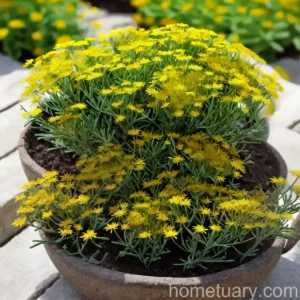
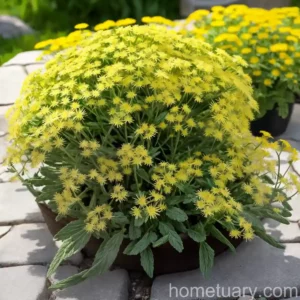
While Crooked Aster is primarily known for its role in naturalistic landscapes, it also has potential as a container plant. When grown in containers, it can add a delightful touch of native charm to patios, balconies, and other outdoor spaces. Its graceful growth habit, attractive foliage, and striking blooms make it an appealing choice for container gardening enthusiasts.
- Container Requirements: Choose a deep container with adequate drainage holes to ensure proper root aeration and prevent waterlogging. Use a well-draining potting mix and place the container in a location that receives ample sunlight.
Common Diseases
Disease Diagnosis
Symphyotrichum prenanthoides is typically resistant to most common plant diseases. However, it may occasionally encounter issues such as powdery mildew, particularly in humid or poorly ventilated conditions. Regular monitoring of the plant for any signs of disease, such as discolored or distorted foliage, can help in early detection and prompt intervention.
Common Pests
Symphyotrichum prenanthoides is relatively resistant to pest infestations. However, it may attract aphids, spider mites, and leaf miners under certain conditions. Natural predators and good cultural practices, such as adequate air circulation and proper watering, can help in minimizing pest damage.
Botanist’s Tips
- Companion Plants: Consider combining Crooked Aster with other late-blooming perennials, such as ornamental grasses, coneflowers, and goldenrods, to create visually appealing combinations and provide a sustained nectar source for pollinators.
- Native Plant Landscaping: Incorporating native plants like Symphyotrichum prenanthoides in landscaping projects supports local ecosystems and reduces the need for extensive maintenance, fertilization, and pest control measures.
Fun Facts
- Symbolic Meaning: In the language of flowers, asters are often associated with love, patience, and elegance, making them a meaningful addition to floral arrangements and bouquets.
- Medicinal History: Some Native American tribes used different aster species, including Symphyotrichum prenanthoides, for various medicinal purposes, such as treating skin ailments and fevers.
Links to External Resources
For further information on Symphyotrichum prenanthoides and related topics, consider exploring the following resources:
- The Morton Arboretum – Symphyotrichum prenanthoides
- Lady Bird Johnson Wildflower Center – Crooked Aster
- Plant Native – Symphyotrichum prenanthoides
- Missouri Botanical Garden – Symphyotrichum prenanthoides
These resources offer valuable insights into the cultivation, ecological significance, and horticultural uses of Crooked Aster, along with stunning visual references.
Symphyotrichum prenanthoides, or Crooked Aster, is a captivating plant with remarkable ecological value and ornamental appeal. By understanding its native habitat, growth requirements, and ecological roles, plant enthusiasts can effectively incorporate this native perennial into diverse landscapes, from home gardens to restoration projects, thereby contributing to the conservation of native flora and the enhancement of ecosystem functions.