Plant Profile: Aster novi-belgii ‘Audrey’ (New York Aster)
Aster novi-belgii ‘Audrey’, commonly known as the New York Aster, is a stunning perennial plant that belongs to the Asteraceae family. This beautiful flowering plant is native to North America and is cherished for its vibrant blooms and versatility in garden landscapes. In this comprehensive plant profile, we will explore the cultural significance, uses, care requirements, and interesting facts about Aster novi-belgii ‘Audrey’. Whether you are an avid gardener, a landscape designer, or simply a nature enthusiast, there’s much to discover about this captivating plant.
What is Aster novi-belgii ‘Audrey’?
Aster novi-belgii ‘Audrey’, also known as the New York Aster, is a herbaceous perennial that typically grows in a clump formation. It features an abundance of daisy-like flowers that bloom in a range of captivating colors, adding an enchanting allure to gardens, landscapes, and natural habitats. With its long-lasting blooms and low maintenance requirements, this plant has become a favorite among gardeners and horticultural enthusiasts.
Key Takeaways – Aster novi-belgii ‘Audrey’ (New York Aster)
Before delving into the specific details of cultivation, maintenance, and landscape uses of this splendid plant, let’s take a moment to highlight the key takeaways regarding Aster novi-belgii ‘Audrey’:
- Aster novi-belgii ‘Audrey’ is a perennial plant known for its vibrant daisy-like flowers.
- This plant is also referred to as the New York Aster, and it is native to North America.
- It is a fall-blooming aster, adding a burst of color to gardens when many other plants have finished flowering.
- The care requirements for Aster novi-belgii ‘Audrey’ are fairly low, making it an ideal choice for both beginner and experienced gardeners.
- This plant attracts pollinators and wildlife, contributing to a biodiverse garden ecosystem.
Now, let’s dive deeper into the various aspects of caring for and utilizing Aster novi-belgii ‘Audrey’ in horticulture and landscaping.
Culture
Uses
Aster novi-belgii ‘Audrey’ serves numerous purposes in horticulture, landscaping, and ecological conservation. Some of its key uses include:
- Garden Ornamental: The striking, daisy-like blooms of Aster novi-belgii ‘Audrey’ make it a popular choice for adding visual appeal to gardens, borders, and flowerbeds.
- Wildlife Attraction: The nectar-rich flowers of this plant attract butterflies, bees, and other pollinators, contributing to the overall biodiversity of the garden.
- Cut Flowers: The long stems and abundant flowering of Aster novi-belgii ‘Audrey’ also make it well-suited for cut flower arrangements, bringing the beauty of the outdoors into interior spaces.
- Medicinal Uses: In traditional herbal medicine, certain species of Aster have been used for their purported medicinal properties, although it’s essential to consult with a healthcare professional before using any plant for medicinal purposes.
Water
Proper watering is crucial for the health and vitality of Aster novi-belgii ‘Audrey’. While this plant is moderately drought-tolerant once established, it thrives best with consistent moisture, especially during the active growing season. Here are some key points to consider regarding water requirements:
- Establishment Period: Newly planted Aster novi-belgii ‘Audrey’ should be thoroughly watered, ensuring that the soil remains consistently moist but not waterlogged.
- Mature Plants: Once the plant is established, it generally requires around 1 inch of water per week during dry spells or periods of inadequate rainfall.
- Soil Drainage: It’s essential to ensure that the soil offers good drainage to avoid waterlogging, which can lead to root rot and other detrimental conditions for the plant.
- Watering Practices: Watering should be done early in the day to allow foliage to dry before evening, reducing the risk of fungal diseases.
Sunlight
Aster novi-belgii ‘Audrey’ flourishes in locations with ample sunlight, benefiting from full sun to partial shade. Providing the appropriate amount of sunlight is vital for the plant’s growth and flower production. Here are some insights into its sunlight requirements:
- Full Sun: Planting Aster novi-belgii ‘Audrey’ in a location that receives at least 6 hours of direct sunlight per day promotes robust flowering and overall plant vigor.
- Partial Shade: In regions with intense summer heat, providing some afternoon shade can help prevent the plant from wilting and ensures that it remains resilient during hot weather conditions.
Fertilizer
Applying the right type of fertilizer at the correct time is essential for supporting the growth and blooming of Aster novi-belgii ‘Audrey’. A balanced fertilizer formulation with a focus on promoting flowering and overall plant health is recommended. Here are some considerations for fertilizing this stunning perennial:
- Timing: Fertilize the plant in early spring with a slow-release, balanced fertilizer to provide essential nutrients as the growing season commences.
- Application Rate: Follow the fertilizer manufacturer’s guidelines for application rates, and avoid overfertilizing, as excessive nutrients can lead to lush foliage at the expense of blooms.
- Organic Amendments: Organic fertilizers, such as compost or well-rotted manure, can be incorporated into the soil around the plant to promote long-term soil health and nutrient availability.
Soil
The soil composition and quality play a significant role in the overall health and performance of Aster novi-belgii ‘Audrey’. Understanding the soil preferences of this plant and creating the ideal growing environment are crucial for successful cultivation. Here’s an overview of the soil considerations for this perennial aster:
- Well-Draining Soil: Aster novi-belgii ‘Audrey’ thrives in well-draining soil that prevents water from accumulating around the roots, reducing the risk of root rot and other issues.
- pH Levels: The plant prefers slightly acidic to neutral soil with a pH range between 6.0 and 7.0. Conducting a soil test can provide valuable insights into the pH level and any necessary amendments.
- Organic Matter: Amending the soil with organic matter, such as compost or leaf mulch, can enhance soil structure, fertility, and moisture retention, creating an optimal growing medium for the plant.
Pruning
Proper pruning plays a pivotal role in maintaining the shape, health, and flowering performance of Aster novi-belgii ‘Audrey’. Regular pruning eliminates spent blooms, ensures adequate air circulation, and promotes new growth. Consider the following recommendations for pruning this captivating perennial:
- Deadheading: Remove faded flowers promptly to encourage continuous blooming and prevent the plant from expending energy on seed production.
- Late-Summer Pruning: Around late-summer to early fall, a light pruning can be beneficial to tidy up the plant, remove any diseased or damaged foliage, and encourage a compact growth habit.
- Cutting Back: In regions with harsh winter conditions, cutting back the plant’s foliage to a few inches above the ground after the first frost can help protect the plant and promote healthy regrowth in the following spring.
Propagation
Aster novi-belgii ‘Audrey’ can be propagated through several methods, including division, stem cuttings, and seed propagation. Each approach has its advantages and considerations, allowing for the expansion of plantings and the sharing of this breathtaking perennial with fellow gardening enthusiasts. Here’s a brief overview of the propagation methods for Aster novi-belgii ‘Audrey’:
- Division: Dividing mature clumps of Aster novi-belgii ‘Audrey’ in early spring or after flowering can help rejuvenate the plant, and the divided sections can be replanted in desired locations.
- Stem Cuttings: Taking stem cuttings from healthy, actively growing plants in late spring or early summer provides a reliable method for propagating exact genetic replicas of the parent plant.
- Seed Propagation: Collecting seeds from mature flowers and sowing them in well-prepared seed beds or containers offers an opportunity to grow new plants, although it may take longer for seed-grown specimens to mature and flower.
Container Popularity
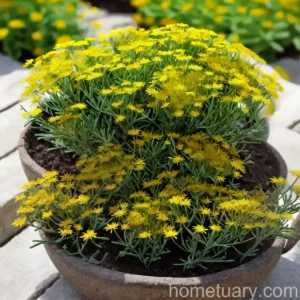
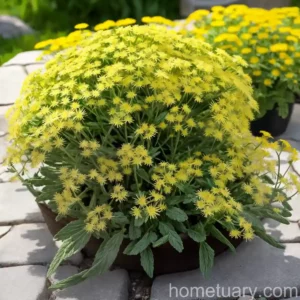
Aster novi-belgii ‘Audrey’ is well-suited for container gardening, offering an excellent option for those with limited outdoor space, as well as a versatile addition to patio, balcony, and rooftop gardens. The striking blooms and compact growth habit of this plant make it an appealing choice for container cultivation. Here’s why Aster novi-belgii ‘Audrey’ is popular in container gardening:
- Space Optimization: Growing Aster novi-belgii ‘Audrey’ in containers allows individuals to enjoy the beauty of this plant in small spaces, urban settings, and areas with minimal garden ground.
- Portability: Containers with Aster novi-belgii ‘Audrey’ can be moved to different locations, allowing for flexibility in design, sun exposure, and protection from adverse weather conditions.
- Decorative Value: The vibrant blooms of Aster novi-belgii ‘Audrey’ make it a delightful addition to outdoor living spaces, creating a focal point on patios, decks, and terraces.
Common Diseases
Like many plants, Aster novi-belgii ‘Audrey’ can be susceptible to certain diseases, with fungal issues being the most prevalent concerns. By being aware of potential diseases and implementing preventive measures, gardeners can help maintain the health and appearance of their New York Aster. Some common diseases that may affect Aster novi-belgii ‘Audrey’ include:
- Powdery Mildew: This fungal disease presents as a powdery white coating on the leaves and stems, often caused by poor air circulation and high humidity. Selecting resistant cultivars and providing adequate spacing can help prevent powdery mildew.
- Aster Yellows: Aster yellows is a phytoplasma disease that can cause stunted growth, yellowing of foliage, and abnormal flower development. Removing and disposing of infected plants is essential to prevent the spread of the disease.
- Botrytis Blight: Also known as gray mold, botrytis blight can impact Aster novi-belgii ‘Audrey’, leading to wilting, browning of foliage, and decay. Proper ventilation, reducing overhead watering, and removing affected plant parts can help manage botrytis blight.
Disease Diagnosis
Diagnosing plant diseases accurately is key to implementing effective control measures and preserving the health of Aster novi-belgii ‘Audrey’. Visual symptoms, combined with an understanding of common diseases and their causal agents, can aid in the accurate diagnosis of potential issues. Here are some steps for diagnosing diseases affecting Aster novi-belgii ‘Audrey’:
- Visual Inspection: Carefully examine the foliage, stems, and flowers for any abnormal symptoms, including discoloration, wilting, mold-like growth, or spots.
- Comparative Analysis: Compare observed symptoms with known characteristics of common plant diseases to identify potential matches and narrow down the list of likely issues.
- Professional Consultation: When in doubt, seeking the assistance of a local agricultural extension office, plant healthcare professional, or experienced botanist can provide valuable insights and recommendations for disease management.
Common Pests
While Aster novi-belgii ‘Audrey’ is relatively resistant to many pests, it may still encounter certain insect adversaries that can impact its growth and overall vitality. Being vigilant and identifying pest issues early on can support effective pest management strategies. Some common pests that may affect Aster novi-belgii ‘Audrey’ include:
- Aphids: These small, soft-bodied insects can congregate on new growth and flower buds, sucking plant sap and potentially causing deformation and discoloration of foliage.
- Spider Mites: Spider mites are minuscule pests that can inflict damage by puncturing plant cells and sucking out the contents, leading to stippling, yellowing, and weakening of the plant.
- Leafhoppers: Leafhoppers are agile insects that can transmit diseases to Aster novi-belgii ‘Audrey’ while feeding on plant sap, potentially leading to stunted growth and leaf distortion.
Botanist’s Tips
As a botanist with a deep appreciation for Aster novi-belgii ‘Audrey’ and similar plants, I often find that sharing practical tips can enhance the gardening experience and contribute to the overall success of growing this magnificent perennial. Here are some botanical insights and tips for cultivating Aster novi-belgii ‘Audrey’:
- Selecting Companion Plants: Pairing Aster novi-belgii ‘Audrey’ with compatible companion plants, such as goldenrod, ornamental grasses, or sedum, can create visually appealing and ecologically beneficial garden combinations.
- Mulching Practices: Applying a layer of organic mulch around the base of Aster novi-belgii ‘Audrey’ helps conserve soil moisture, suppress weeds, and regulate soil temperature, contributing to the plant’s overall well-being.
- Pollinator Gardening: Incorporating a diverse selection of pollinator-friendly plants, including Aster novi-belgii ‘Audrey’, supports beneficial insects, enhances garden biodiversity, and contributes to ecosystem resilience.
Fun Facts
Aster novi-belgii ‘Audrey’ boasts a rich tapestry of botanical wonders, and there are several fascinating facts about this perennial plant that may surprise and delight enthusiasts. Here are some delightful fun facts about Aster novi-belgii ‘Audrey’:
- Cultural Significance: In some Native American traditions, certain species of asters were used for ceremonial and medicinal purposes, reflecting the cultural significance of these plants.
- Wildlife Attraction: The nectar-rich flowers of Aster novi-belgii ‘Audrey’ are known for attracting a wide array of pollinators, including butterflies, bees, and beneficial insects.
- Autumn Splendor: When many plants are winding down for the season, Aster novi-belgii ‘Audrey’ bursts into a profusion of vibrant blooms, adding a touch of autumn magic to gardens.
Links to External Resources
For those interested in further exploring the world of Aster novi-belgii ‘Audrey’ and delving into additional resources, the following external links can provide valuable information on cultivation, landscape uses, and ecological roles:
- Missouri Botanical Garden – Aster novi-belgii: https://www.missouribotanicalgarden.org/PlantFinder/PlantFinderDetails.aspx?kempercode=c915
- Royal Horticultural Society – New York Aster Varieties: https://www.rhs.org.uk/Plants/154921/i-Aster-novi-belgii-i-Audrey/Details
- The National Gardening Association – Growing Asters: https://garden.org/plants/group/asternovibelgii/
- North Carolina State University Extension – New York Aster Care: https://content.ces.ncsu.edu/new-york-aster-aster-novi-belgii
- American Horticultural Society – Landscaping with Asters: https://ahsgardening.org/gardening-resources/gardening-maps/articles/edging-into-fall-landscaping-with-asters/
In conclusion, Aster novi-belgii ‘Audrey’ holds a prominent place in the realm of ornamental plants, offering beauty, biodiversity, and cultural significance. Whether admired for its enchanting blooms, embraced for its role in supporting garden wildlife, or valued for its ease of care, this perennial aster continues to captivate and inspire gardeners and nature enthusiasts. By incorporating the insights and guidance provided in this plant profile, individuals can cultivate and celebrate the allure of Aster novi-belgii ‘Audrey’ in their personal horticultural endeavors.